 - WPE0500.jpg)
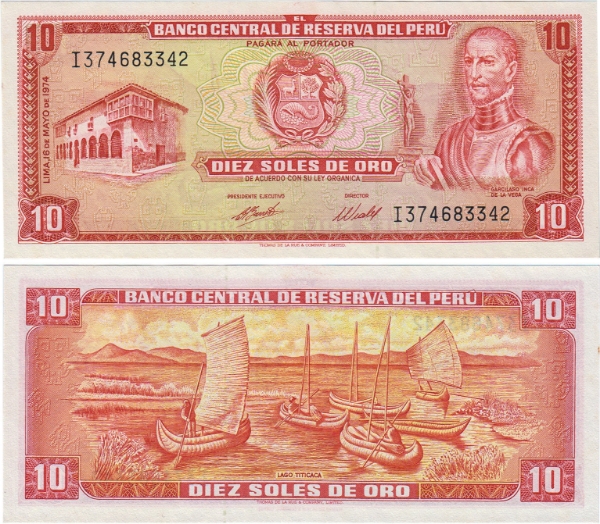
Picture Source of Garcilaso Inca de la Vega: Wikipedia
Introduction to Garcilaso Inca de la Vega
Garcilaso Inca de la Vega, a name that resonates deeply within the annals of literary history, was a seminal figure who managed to bridge two distinct cultures through his profound works. Born in 1539 in Cuzco, Peru, he was uniquely positioned at the intersection of two worlds: the indigenous Incan heritage and the Spanish colonial power. This duality not only influenced his personal identity but also significantly informed his literary endeavours, allowing him to craft a voice that was both distinct and resonant across cultural divides.
In the early years of his life, Garcilaso was exposed to the rich oral traditions of the Inca, preserved through storytelling and ceremonial recitations. This early exposure to the poetic and historical narratives of his mother’s people laid the foundation for his later works. Simultaneously, his education under Spanish tutelage introduced him to European literary forms and philosophies, which he adeptly wove into his compositions. This blend of influences became a hallmark of his work, providing a unique lens through which to view the complexities of his time.
As Garcilaso matured, his writings began to reflect a profound understanding of cultural synthesis. His ability to articulate the nuanced experiences of a hybrid identity was unparalleled, making him a crucial figure in the study of post-colonial literature. By examining his life and works, one gains insight into the powerful role of literature in negotiating and understanding cultural identity during a period of significant historical change.
Historical Context of Garcilaso's Life
To fully appreciate Garcilaso Inca de la Vega's contributions, one must consider the historical backdrop against which he lived. The 16th century was a period of dramatic upheaval and transformation in the Americas, marked by the Spanish conquest of the Incan Empire. This conquest began roughly a decade before Garcilaso's birth, leading to a complex interplay of cultural assimilation and resistance. The Spanish sought to impose their language, religion, and political structures on the indigenous populations, yet remnants of Incan traditions persisted, often in clandestine forms.
Garcilaso's life unfolded during a time when the Spanish colonial rule was solidifying its grip on the region. His father, a Spanish conquistador, and his mother, an Incan noblewoman, represented the two dominant influences in his life. This familial background provided Garcilaso with a unique perspective, allowing him to navigate both the Spanish and indigenous worlds with a rare fluency. His writings often reflect an intimate knowledge of both cultures, providing a window into the complexities of colonial relations.
Moreover, Garcilaso's relocation to Spain in his early twenties marked a significant turning point. In Spain, he was exposed to the Renaissance humanist movement, which greatly influenced his literary style. This period was characterised by a revival of interest in the classical texts of antiquity and an emphasis on the potential of human reason and creativity. Garcilaso’s writings, therefore, emerged at a crossroads where traditional Incan narratives met the burgeoning humanist ideals of Renaissance Europe.
Garcilaso's Contributions to Poetry
Garcilaso Inca de la Vega's body of work stands as a testament to his literary genius and his ability to transcend cultural boundaries. His poetry often melded the oral traditions of the Inca with the structured forms and themes of European literature, creating a hybrid form that was both innovative and deeply personal. This synthesis is most apparent in his epic work "Comentarios Reales de los Incas," where he masterfully combined historical narrative with poetic expression.
His poetry is renowned for its lyrical beauty and profound depth, capturing the essence of the human condition through the lens of his unique bicultural experience. Garcilaso’s ability to convey complex emotional and philosophical ideas in his verse has ensured his place among the great poets of his time. His works often explored themes of love, identity, and the passage of time, resonating with readers across cultural and temporal divides.
A key element of Garcilaso's contribution to poetry is his role in the development of the Spanish Renaissance literary canon. By incorporating elements of Incan culture and history into his writings, he expanded the thematic and stylistic range of Spanish literature. His works not only enriched the literary landscape of his era but also laid the groundwork for future generations of writers seeking to explore multicultural perspectives in their art.
The Cultural Significance of Garcilaso's Work
Garcilaso Inca de la Vega's writings hold immense cultural significance, serving as a bridge between disparate worlds and offering a rare glimpse into the complexities of colonial identity. His ability to articulate the experiences of those living at the intersection of Incan and Spanish cultures makes his work a vital resource for understanding the cultural dynamics of the period. Through his poetry, Garcilaso provided a voice for the often-silenced perspectives of indigenous peoples under colonial rule.
His work is notable for its empathetic portrayal of Incan traditions and its celebration of indigenous heritage. By weaving these elements into his poetry, Garcilaso challenged the dominant narratives of his time, which often sought to marginalize or erase indigenous contributions to history and culture. His writings stand as a testament to the resilience and richness of Incan culture, offering a counter-narrative to the colonial discourse of the era.
Furthermore, Garcilaso's work underscores the importance of cultural hybridity as a source of creative inspiration. In an era marked by cultural conflict and assimilation, his writings demonstrate the power of literature to foster understanding and dialogue between diverse traditions. His legacy continues to inspire contemporary writers and scholars, highlighting the enduring relevance of his work in discussions of cultural identity and post-colonial literature.
Themes in Garcilaso's Poetry
Garcilaso Inca de la Vega's poetry is characterised by a rich tapestry of themes, reflecting the complexity of his bicultural identity and the historical context of his time. One of the most prevalent themes in his work is the exploration of identity, particularly the tension between his Incan heritage and Spanish upbringing. Through his verse, Garcilaso delves into the intricacies of belonging, capturing the emotional nuances of living between two worlds.
Another prominent theme in Garcilaso's poetry is the passage of time and its impact on human experience. His works often reflect a deep awareness of the transient nature of life, drawing on both Incan and European philosophical traditions to explore concepts of mortality and legacy. This preoccupation with time is evident in his reflective and often melancholic tone, as he contemplates the impermanence of existence and the enduring power of memory.
Love and longing also feature prominently in Garcilaso's poetry, with many of his poems expressing deep emotional and spiritual connections. His exploration of love is multifaceted, encompassing both romantic and platonic relationships, as well as a profound connection to his cultural heritage. Through his lyrical expressions of love, Garcilaso captures the universal human desire for connection and belonging, transcending cultural and temporal boundaries.
Influence of Classical Literature on Garcilaso
The influence of classical literature on Garcilaso Inca de la Vega's work is both profound and multifaceted, reflecting his exposure to the humanist ideals of the Spanish Renaissance. His writings demonstrate a deep appreciation for the texts of antiquity, particularly the works of Roman and Greek poets such as Virgil and Ovid. This classical influence is evident in his use of poetic forms, themes, and stylistic elements that echo the traditions of ancient literature.
Garcilaso's engagement with classical literature is most apparent in his adaptation of the epic form, which he employed to narrate the history and culture of the Incan people. By drawing on the conventions of classical epic poetry, he elevated the oral traditions of his ancestors to a literary form that could be appreciated within the European canon. This blending of styles not only enriched his own work but also contributed to the broader development of Renaissance literature.
In addition to his formal and thematic borrowings from classical literature, Garcilaso's writings reflect a philosophical engagement with the humanist ideals of the Renaissance. His poetry often grapples with questions of human nature, morality, and the search for meaning, echoing the intellectual pursuits of his contemporaries in Europe. Through his engagement with classical texts, Garcilaso was able to articulate a unique vision that bridged the cultural and intellectual divides of his time.
The Intersection of Incan and Spanish Cultures
Garcilaso Inca de la Vega's life and work are emblematic of the intersection between Incan and Spanish cultures, a dynamic that shaped his identity and literary output. His ability to navigate and articulate the complexities of this cultural intersection is one of his most significant contributions to literature. Through his writings, Garcilaso provided a nuanced perspective on the cultural exchanges and tensions that characterised the colonial period.
His poetry often reflects an intimate knowledge of both Incan and Spanish traditions, capturing the richness of each culture while also highlighting their points of convergence and divergence. Garcilaso's work serves as a testament to the potential for cultural synthesis, demonstrating how elements from diverse traditions can be woven together to create something new and meaningful. This synthesis is particularly evident in his use of language, which incorporates both Spanish and Quechua elements, enriching his verse with a unique linguistic texture.
Garcilaso's exploration of cultural intersection extends beyond linguistic and thematic elements to encompass broader questions of identity and belonging. His work offers a poignant reflection on the challenges and opportunities of living between two worlds, providing a voice for those navigating similar experiences. By articulating these complexities, Garcilaso contributed to a deeper understanding of the cultural dynamics of his time and laid the groundwork for future explorations of hybrid identities in literature.
Garcilaso's Role in the Spanish Renaissance
Garcilaso Inca de la Vega played a pivotal role in the Spanish Renaissance, contributing to the cultural and intellectual flowering of the period through his unique blend of Incan and European influences. His work is characterised by a synthesis of traditional Incan narratives and Renaissance humanist ideals, reflecting the broader cultural exchanges that defined the era. Through his poetry, Garcilaso enriched the Spanish literary canon and expanded the scope of Renaissance literature.
As a writer deeply influenced by the humanist movement, Garcilaso's work embodies the Renaissance emphasis on individual expression, creativity, and the pursuit of knowledge. His engagement with classical texts and philosophical questions reflects the intellectual currents of his time, while his incorporation of Incan themes and perspectives added a distinctive voice to the literary landscape of the period. This melding of influences positioned Garcilaso as a key figure in the development of Spanish Renaissance literature.
In addition to his literary contributions, Garcilaso's role in the Spanish Renaissance is significant for his efforts to preserve and celebrate Incan culture. At a time when indigenous traditions were often marginalised or suppressed, his work offered a counter-narrative that recognised the value and richness of Incan heritage. Through his writings, Garcilaso championed the potential for cultural dialogue and mutual enrichment, leaving a lasting impact on the literary and cultural history of the Renaissance.
Legacy and Impact on Future Generations of Poets
Garcilaso Inca de la Vega's legacy extends far beyond his own lifetime, influencing generations of poets and writers who followed in his footsteps. His ability to bridge cultural divides and articulate complex identities has made his work a touchstone for those exploring themes of hybridity and cultural exchange. Through his innovative blending of Incan and European influences, Garcilaso paved the way for future explorations of multicultural perspectives in literature.
His impact is particularly evident in the works of subsequent poets and writers who have drawn inspiration from his approach to cultural synthesis. By demonstrating the power of literature to transcend cultural boundaries, Garcilaso's work has encouraged others to explore the intersections of diverse traditions in their own writing. This legacy of cultural dialogue and mutual enrichment continues to resonate in contemporary literature, underscoring the enduring relevance of Garcilaso's contributions.
Moreover, Garcilaso's work has played a crucial role in the ongoing efforts to reclaim and celebrate indigenous voices in literature. His writings serve as a reminder of the richness and resilience of Incan culture, offering a counter-narrative to the dominant colonial discourses of his time. By preserving and elevating indigenous perspectives, Garcilaso's legacy continues to inspire efforts to recognise and honour the diverse cultural heritage of the Americas.
The Enduring Influence of Garcilaso Inca de la Vega
In conclusion, Garcilaso Inca de la Vega remains a towering figure in the literary world, whose contributions continue to resonate across cultures and generations. His ability to navigate and articulate the complexities of his bicultural identity has left an indelible mark on the landscape of world literature. Through his innovative synthesis of Incan and European influences, Garcilaso created a body of work that not only enriches the Spanish literary canon but also offers a timeless reflection on the challenges and opportunities of cultural intersection.
Garcilaso's enduring influence is a testament to the power of literature as a tool for understanding and celebrating diverse cultural identities. His writings serve as a reminder of the potential for dialogue and mutual enrichment, offering a vision of cultural synthesis that remains relevant in today's globalised world. By continuing to explore and honour Garcilaso's legacy, future generations can draw inspiration from his example and further the ongoing dialogue between cultures.
As we reflect on the life and work of Garcilaso Inca de la Vega, we are reminded of the profound impact that literature can have in bridging cultural divides and fostering understanding. His legacy serves as an enduring source of inspiration for poets and writers seeking to navigate the complexities of identity and cultural exchange. In celebrating his contributions, we honour not only the rich heritage of the Incan and Spanish traditions but also the universal human desire for connection and understanding.