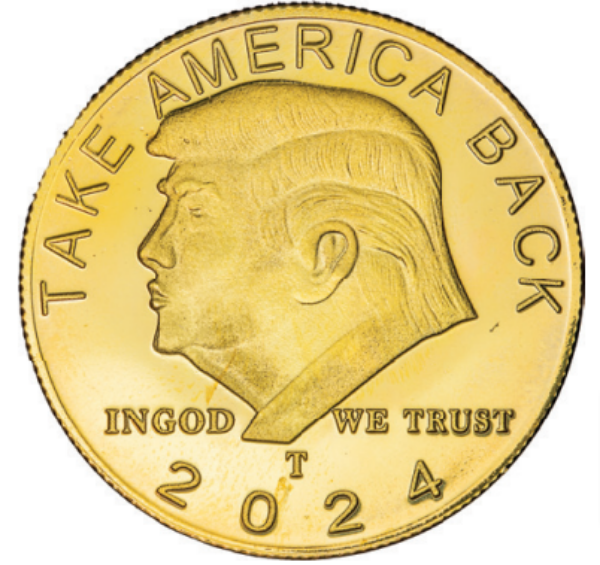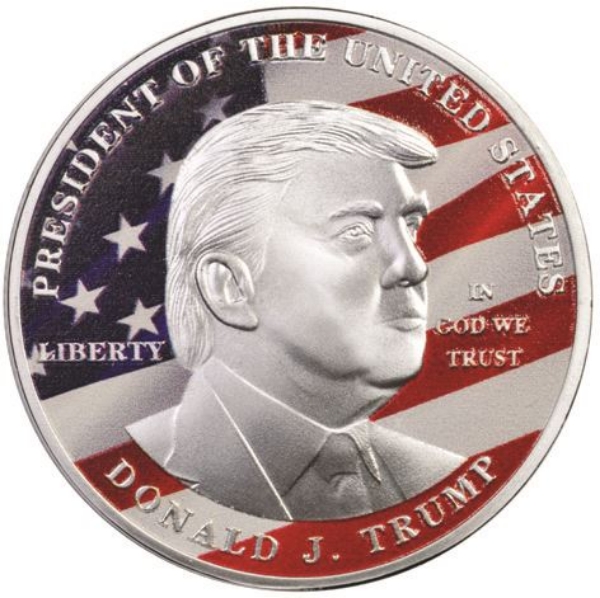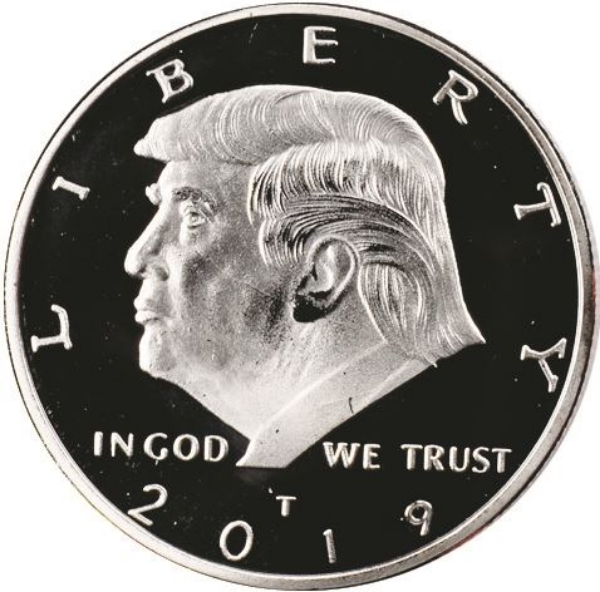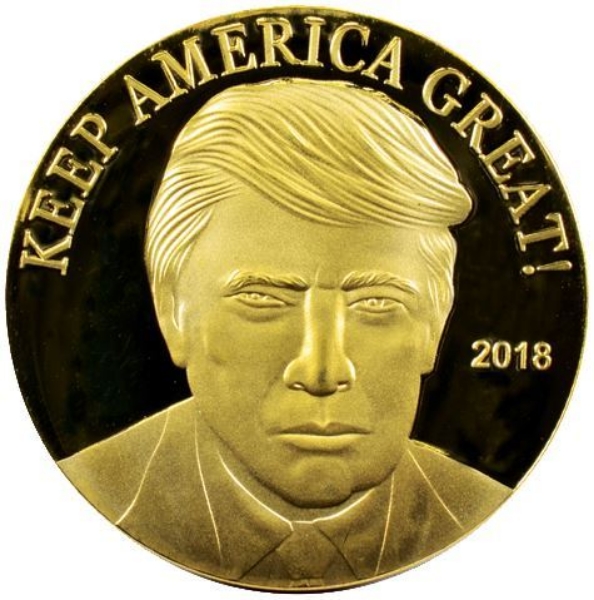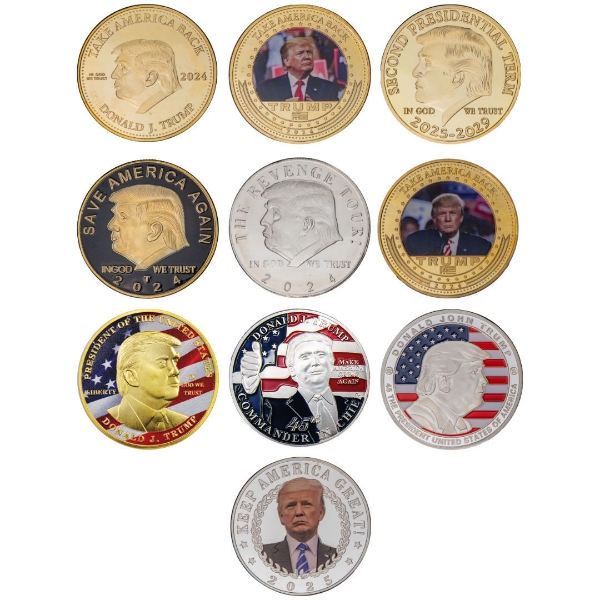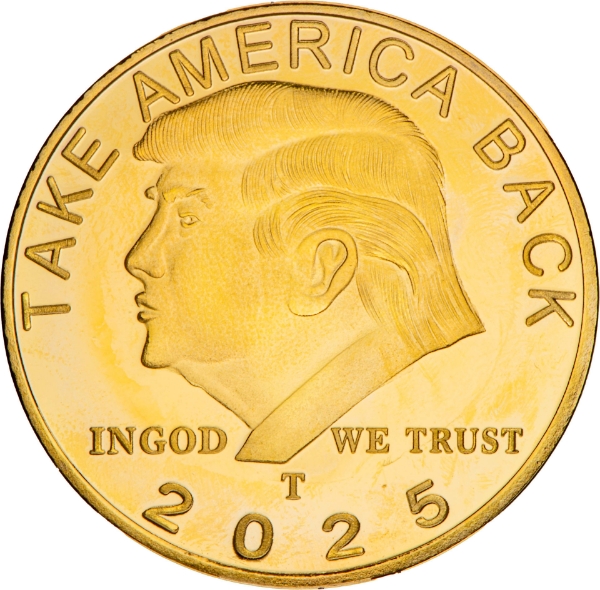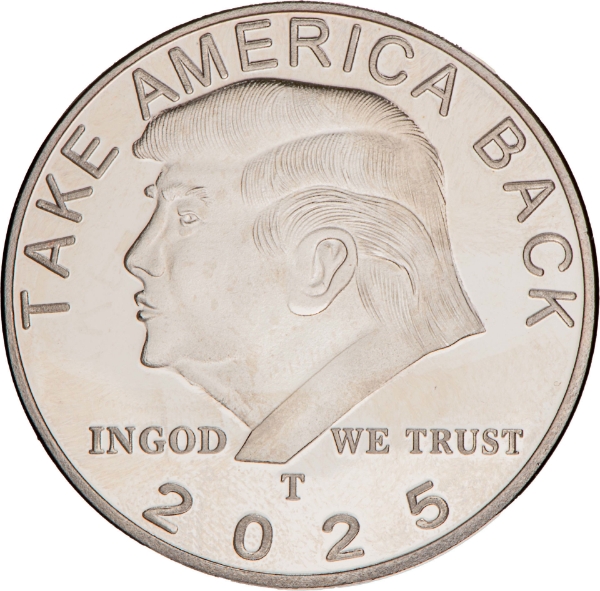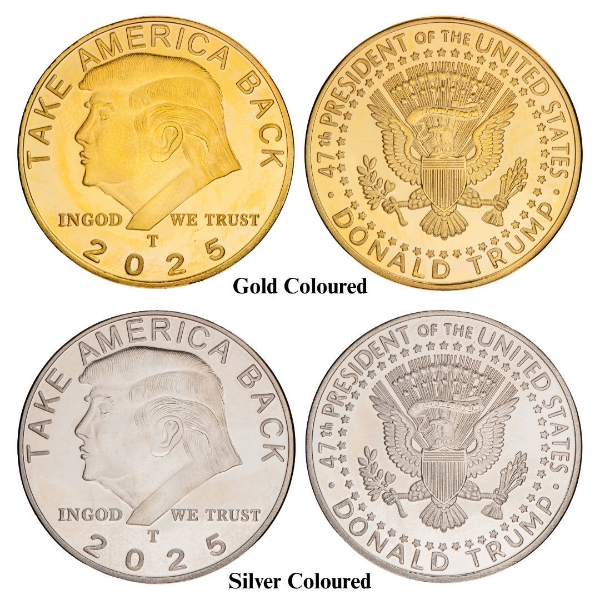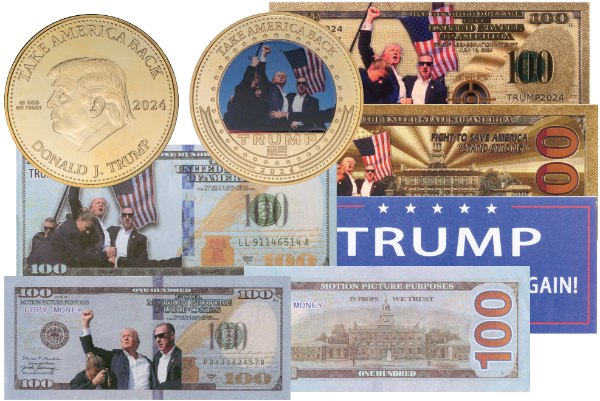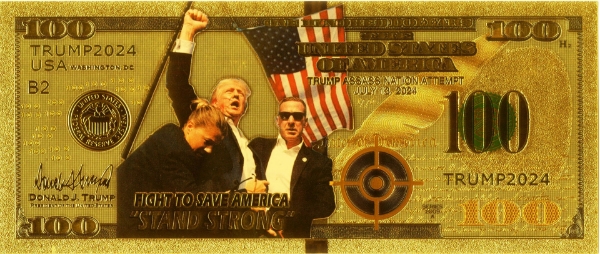
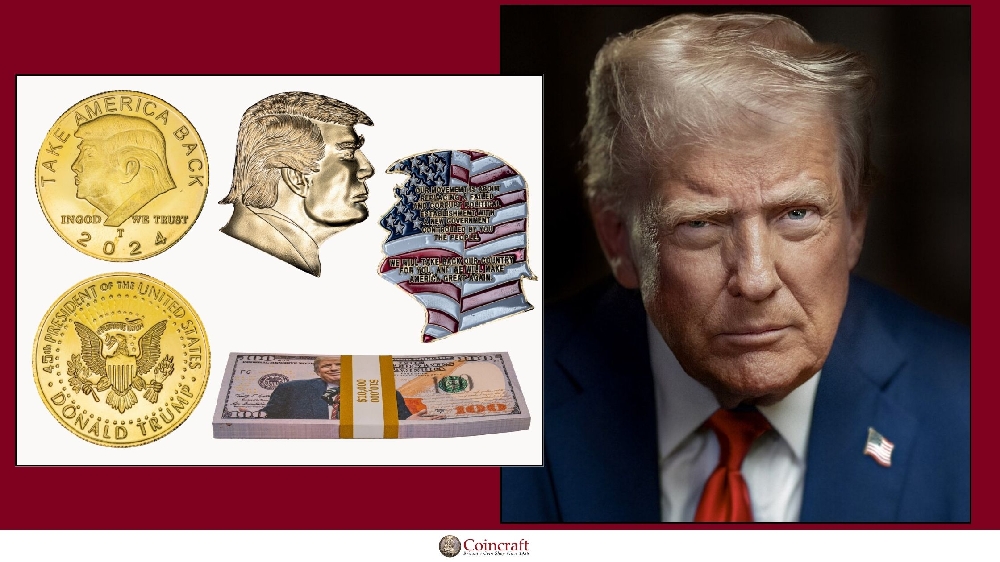
Picture Source of Donald Trump: Wikipedia
Donald Trump: An In-Depth Biography
Early Life and Family Background
Donald John Trump was born on June 14, 1946, in Queens, New York, as the fourth of five children to Frederick “Fred” Christ Trump and Mary Anne MacLeod Trump. His mother was a Scottish immigrant who came to the United States in 1930, while his father was a successful real estate developer born to German immigrants. Trump grew up in the affluent Jamaica Estates neighborhood in Queens, where his family lived in relative comfort due to his father’s successful real estate business.
The Trump family business, originally named Elizabeth Trump & Son after Fred’s mother and himself, developed properties primarily for middle-class white families across Queens, Brooklyn, and Staten Island. Donald and his brothers worked for the family business from a young age, learning the fundamentals of construction and real estate development.
Trump’s early education took place in private schools, but due to behavioral issues, his parents enrolled him at the New York Military Academy at age 13. After graduating, he attended Fordham University for two years before transferring to the University of Pennsylvania’s Wharton School of Finance and Commerce, where he earned a bachelor’s degree in economics in 1968. During the Vietnam War, Trump received multiple educational deferments and eventually a medical deferment due to bone spurs, which prevented him from being drafted.
Business Career
Early Real Estate Development
After completing his education in 1968, Trump joined his father’s company full-time. In 1971, he took over the business and renamed it the Trump Organization in 1973, setting his sights on expanding beyond the outer boroughs of New York City and into Manhattan.
His first major Manhattan project was the development of the Grand Hyatt Hotel in 1976, built on the site of the bankrupt Penn Central Railroad’s Commodore Hotel. This development was made possible through a 40-year tax abatement from the city of New York, showcasing Trump’s early aptitude for negotiating favorable deals with government entities.
Expansion and Iconic Properties
Throughout the 1980s, Trump expanded his real estate portfolio significantly. His most iconic development, Trump Tower, a 58-story skyscraper on Fifth Avenue, opened in 1983 and became both a symbol of his brand and his personal residence until his move to the White House. During this decade, he also acquired the historic Plaza Hotel in New York City and purchased the Mar-a-Lago estate in Palm Beach, Florida, which he later converted into a private club.
Trump’s business interests expanded beyond real estate into casinos in Atlantic City, an airline (Trump Shuttle), and even sports with the purchase of a team in the United States Football League. His 1987 memoir and business advice book, “The Art of the Deal,” became a bestseller and further cemented his public image as a savvy businessman. By 1989, Forbes estimated his net worth at $1.5 billion, and he appeared on the cover of Time magazine.
Financial Challenges and Comeback
The early 1990s brought significant financial challenges for Trump. An economic downturn and slump in the real estate market left him deeply in debt, with several of his casinos filing for bankruptcy. In 1995, he reported a nearly $1 billion loss on his taxes. His businesses went through multiple restructurings and bankruptcy proceedings throughout the 1990s and 2000s.
Despite these setbacks, Trump engineered a remarkable financial comeback. He shifted his business model to focus more on licensing his name to various ventures rather than owning and operating all properties himself. The Trump brand appeared on condominiums, hotels, golf courses, consumer products, and even educational programs like Trump University (which later became the subject of litigation).
Media Career
Trump’s business prominence eventually led to media opportunities. Most notably, he starred in the NBC reality television show “The Apprentice,” which premiered in 2004 and ran for 14 seasons. The show, in which contestants competed for a job in the Trump Organization, popularized his catchphrase “You’re fired!” and significantly enhanced his celebrity status across America.
From 1996 to 2015, he also owned the Miss USA, Miss Teen USA, and Miss Universe beauty pageants, furthering his presence in the entertainment industry.
First Presidency (2017-2021)
2016 Election and Transition
Trump’s entry into politics as a presidential candidate came on June 16, 2015, when he announced his candidacy for the Republican nomination. His campaign, centered around the slogan “Make America Great Again,” focused on immigration, trade, and a promise to “drain the swamp” of Washington establishment politics.
After securing the Republican nomination, Trump faced Democratic nominee Hillary Clinton in the 2016 general election. Despite losing the popular vote by nearly 3 million votes, Trump won the Electoral College with 304 votes to Clinton’s 227, securing victories in key swing states like Pennsylvania, Michigan, and Wisconsin by narrow margins.
Domestic Policy
Trump’s first term featured significant policy changes across multiple fronts:
Tax Reform: In December 2017, Trump signed the Tax Cuts and Jobs Act, which reduced tax rates for businesses and individuals, doubled the standard deduction, and modified several tax credits and deductions.
Immigration: Trump implemented restrictive immigration policies, including a travel ban on several predominantly Muslim countries, reduced refugee admissions, increased deportations, and attempted to end the Deferred Action for Childhood Arrivals (DACA) program. His administration also pursued construction of a border wall with Mexico.
Healthcare: While the administration was unable to fully repeal the Affordable Care Act, it eliminated the individual mandate penalty, expanded short-term limited-duration health plans, and implemented other regulatory changes to the healthcare system.
Judicial Appointments: Trump appointed three Supreme Court Justices—Neil Gorsuch, Brett Kavanaugh, and Amy Coney Barrett—shifting the court to a 6-3 conservative majority. He also appointed more than 230 judges to federal courts across the country.
Deregulation: The administration pursued an aggressive deregulatory agenda, particularly in environmental areas, rolling back numerous Obama-era regulations on emissions, water protection, and energy production.
Foreign Policy
Trump’s approach to foreign policy represented a significant departure from his predecessors:
Trade: Trump withdrew from the Trans-Pacific Partnership, renegotiated NAFTA into the United States-Mexico-Canada Agreement (USMCA), and engaged in trade disputes with China, implementing tariffs on numerous goods.
International Agreements: The administration withdrew from several international agreements, including the Paris Climate Accord and the Iran Nuclear Deal.
Middle East: Trump recognized Jerusalem as Israel’s capital and moved the U.S. Embassy there from Tel Aviv. His administration brokered the Abraham Accords, normalizing relations between Israel and several Arab nations. He also ordered the killing of Iranian General Qasem Soleimani.
North Korea: Trump engaged in unprecedented direct diplomacy with North Korean leader Kim Jong Un, including three in-person meetings, though concrete nuclear disarmament was not achieved.
NATO and Allies: Trump pressed NATO allies to increase defense spending and often took confrontational stances with traditional U.S. allies while pursuing warmer relations with leaders like Russia’s Vladimir Putin.
Controversies and Investigations
Trump’s first term was marked by numerous controversies and investigations:
Russia Investigation: Special Counsel Robert Mueller investigated Russian interference in the 2016 election and potential coordination with the Trump campaign. While the investigation did not establish criminal conspiracy, it detailed numerous contacts between campaign officials and Russians and outlined potential obstruction of justice by Trump.
First Impeachment: In December 2019, the House of Representatives impeached Trump for abuse of power and obstruction of Congress related to his dealings with Ukraine, specifically regarding pressure to investigate his political rival Joe Biden. The Republican-controlled Senate acquitted him in February 2020.
COVID-19 Response: Trump’s handling of the COVID-19 pandemic, which began in early 2020, faced significant criticism. His administration was accused of downplaying the virus’s severity, providing inconsistent messaging about preventive measures, and feuding with public health experts.
2020 Election and January 6: After losing the 2020 election to Joe Biden, Trump refused to concede and made numerous false claims about election fraud. On January 6, 2021, following a rally where Trump spoke, a mob of his supporters stormed the U.S. Capitol as Congress was certifying Biden’s victory. This led to Trump’s second impeachment on the charge of incitement of insurrection, though he was again acquitted in the Senate.
Post-Presidency Period (2021-2025)
Legal Challenges
Following his departure from the White House, Trump faced unprecedented legal challenges for a former president:
In March 2023, he became the first former U.S. president to be indicted when a Manhattan grand jury voted to charge him related to hush money payments made during the 2016 campaign.
He faced additional indictments related to his handling of classified documents after leaving office and his efforts to overturn the 2020 election results.
Civil cases included a defamation lawsuit by writer E. Jean Carroll and investigations into the Trump Organization’s business practices by New York authorities.
Despite these legal challenges, Trump maintained strong support among Republicans and announced his candidacy for the 2024 presidential election.
Second Presidency (2025-Present)
2024 Election
In what was described as a historic political comeback, Trump won the 2024 presidential election, defeating Vice President Kamala Harris who had become the Democratic nominee. The election gave Republicans control of the White House, Senate, and House of Representatives, creating unified Republican government.
According to electoral results, Trump secured 312 electoral votes to Harris’s 226, winning several key battleground states. The popular vote was closely divided, with Trump receiving approximately 77.3 million votes (49.81%) to Harris’s 75 million votes (48.34%).
Policy Agenda
Upon returning to the White House in January 2025, Trump outlined several priorities for his second term:
Stopping “endless wars” and focusing on America-first foreign policy
Defending the nation’s borders and implementing stricter immigration policies
Unleashing the American economy through further deregulation and economic policies
Continuing his previous agenda from his first term with a stronger mandate
Cabinet and Administration
Trump’s second administration features new appointees, including J.D. Vance as Vice President. The administration has indicated it will focus on implementing more comprehensive versions of the policies begun during Trump’s first term, with fewer internal conflicts than characterized parts of his first administration.
Personal Life
Trump has been married three times and has five children. He married his first wife, Ivana Zelníčková Winklmayr, in 1977, and they had three children—Donald Jr., Ivanka, and Eric—before divorcing in 1992. His second marriage to actress Marla Maples produced his daughter Tiffany before ending in divorce in 1999. In 2005, Trump married Slovenian model Melania Knauss, and they have one son, Barron.
Throughout his career, Trump has authored or co-authored more than fourteen books, with “The Art of the Deal” being the most famous. He has maintained his residence at Mar-a-Lago in Palm Beach, Florida, since leaving the White House in 2021.
Legacy and Impact
Donald Trump’s impact on American politics and society has been profound and polarizing. His unconventional style, use of social media, and willingness to break political norms transformed the political landscape. His “America First” approach significantly altered U.S. foreign policy, while his judicial appointments will influence American law for decades.
Trump’s populist messaging resonated with many Americans who felt left behind by globalization and traditional politics, creating a powerful political movement. At the same time, his presidency intensified political polarization in the United States, with supporters viewing him as a necessary disruptor of corrupt political systems and detractors seeing him as a threat to democratic norms and institutions.
As his second term progresses, the full scope of Donald Trump’s legacy continues to develop, but his status as one of the most consequential and controversial figures in American political history is already assured.
Key Takeaways
Business Career
Real Estate Empire: Built a vast real estate portfolio from his father’s business, with iconic properties like Trump Tower becoming symbols of his brand.
Brand Licensing: Successfully pivoted to a business model focused on licensing the Trump name to properties and products worldwide.
Financial Volatility: Experienced significant financial setbacks in the 1990s but engineered a remarkable comeback through bankruptcy restructuring and brand licensing.
Media Prominence: Gained widespread fame through “The Apprentice” television show, which ran for 14 seasons and solidified his celebrity status.
Political Impact
Electoral Success: Won two non-consecutive presidential terms (2017-2021 and 2025-present), making him the first president since Grover Cleveland to achieve this.
Populist Movement: Galvanized a significant political movement with his “America First” messaging, resonating with many voters who felt overlooked by traditional politics.
Policy Shifts: Implemented major policy changes in immigration, trade, taxes, and foreign relations that marked substantial departures from previous administrations.
Judicial Legacy: Appointed three Supreme Court Justices and hundreds of federal judges, reshaping the judiciary for decades to come.
Governing Style
Unconventional Approach: Broke numerous political norms and traditions in communication, diplomacy, and governance.
Executive Actions: Relied heavily on executive orders and actions to implement policy agendas, particularly when facing legislative obstacles.
Communication: Transformed political communication through direct, unfiltered messaging, particularly through social media.
Polarization: Presided over and contributed to increasingly deep political divisions in American society.
Historical Significance
Impeachment: Became the first president to be impeached twice by the House of Representatives.
Legal Precedents: Set numerous legal precedents through challenges to his administration’s actions and his personal legal issues.
Electoral Challenges: Challenged the 2020 election results in unprecedented ways, leading to the January 6, 2021 Capitol riot.
Political Comeback: Achieved a historic return to the presidency in 2024 despite multiple legal challenges.
Frequently Asked Questions
What was Donald Trump doing before he became president?
Before entering politics, Trump was primarily known as a real estate developer, businessman, and media personality. He built and managed numerous properties including hotels, casinos, and residential buildings. From 2004 to 2015, he hosted the reality TV show “The Apprentice,” which significantly boosted his public profile. He also owned the Miss Universe organization from 1996 to 2015.
What were the major accomplishments of Trump’s first presidency?
Key accomplishments of Trump’s first term (2017-2021) included passing the Tax Cuts and Jobs Act, appointing three Supreme Court Justices, renegotiating NAFTA into the USMCA trade agreement, brokering the Abraham Accords between Israel and several Arab nations, criminal justice reform through the First Step Act, and implementing significant deregulation across various sectors of the economy.
What were the major controversies during Trump’s first term?
Major controversies included the Russia investigation led by Special Counsel Robert Mueller, his first impeachment related to Ukraine, his administration’s handling of the COVID-19 pandemic, immigration policies including family separation at the border, his response to racial justice protests, and his claims about the 2020 election that culminated in the January 6, 2021 Capitol riot and his second impeachment.
What legal issues did Trump face after leaving office?
After his first presidency, Trump faced unprecedented legal challenges including indictments related to hush money payments during the 2016 campaign, his handling of classified documents after leaving office, and attempts to overturn the 2020 election results. He also faced civil litigation including a defamation lawsuit by E. Jean Carroll and investigations into his business practices.
How did Trump win the 2024 election?
Trump won the 2024 election by securing 312 electoral votes to Kamala Harris’s 226, winning key battleground states. His campaign focused on economic issues, border security, and criticisms of the Biden-Harris administration’s policies. The election gave Republicans unified control of the federal government, with majorities in both the House and Senate.
What is different about Trump’s second presidency compared to his first?
Trump’s second administration (2025-present) features different cabinet members, including J.D. Vance as Vice President. The administration has indicated it is pursuing a more focused implementation of Trump’s policy agenda with fewer internal conflicts than characterized his first term. With Republican majorities in Congress, Trump has greater legislative support for his policy initiatives.
How has Trump changed American politics?
Trump has fundamentally altered American politics through his unconventional communication style, willingness to break political norms, and mobilization of voters who previously felt disconnected from the political process. His presidency intensified political polarization, transformed Republican Party priorities, and challenged traditional institutions and practices in American governance.
What is the “America First” policy?
“America First” is Trump’s foreign policy approach that prioritizes U.S. interests over international commitments. It includes skepticism toward multilateral agreements and institutions, renegotiation of trade deals, pressure on allies to increase their defense spending, reduced military interventions abroad, and stricter immigration policies. The doctrine represents a shift from the more globally engaged foreign policy of previous administrations.
How many times has Trump been married?
Trump has been married three times. His first marriage was to Ivana Zelníčková (1977-1992), with whom he had three children: Donald Jr., Ivanka, and Eric. His second marriage was to Marla Maples (1993-1999), with whom he had one daughter, Tiffany. His current marriage is to Melania Knauss (since 2005), with whom he has one son, Barron.
What is Trump’s net worth?
Trump’s net worth has been a subject of debate and fluctuation throughout his career. Estimates vary widely depending on the source and methodology used for valuation, particularly regarding his real estate holdings and the value of his brand. As of 2025, most financial publications estimate his net worth between $2.5 billion and $3.5 billion, though precise figures remain contested.