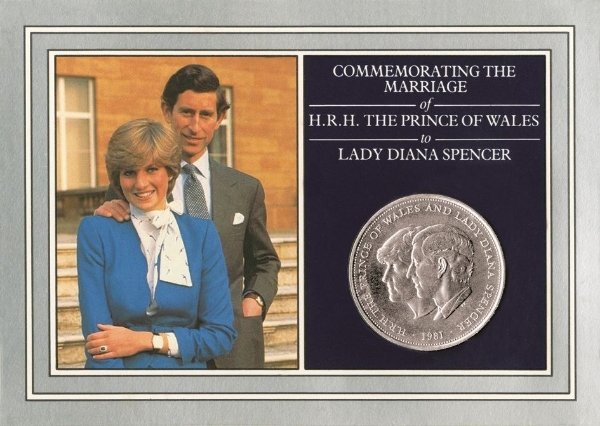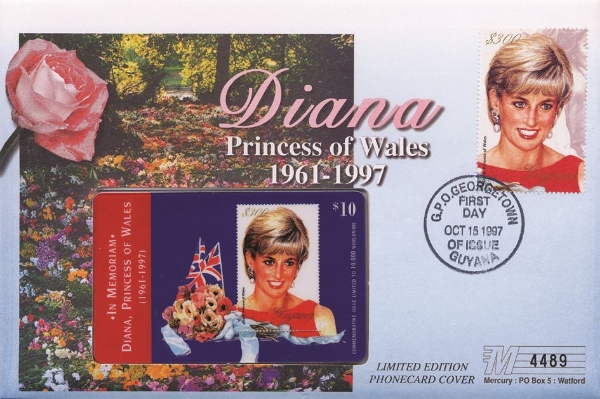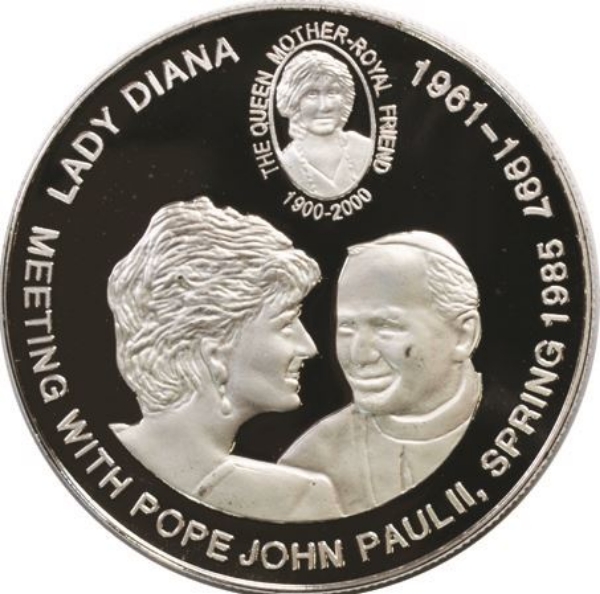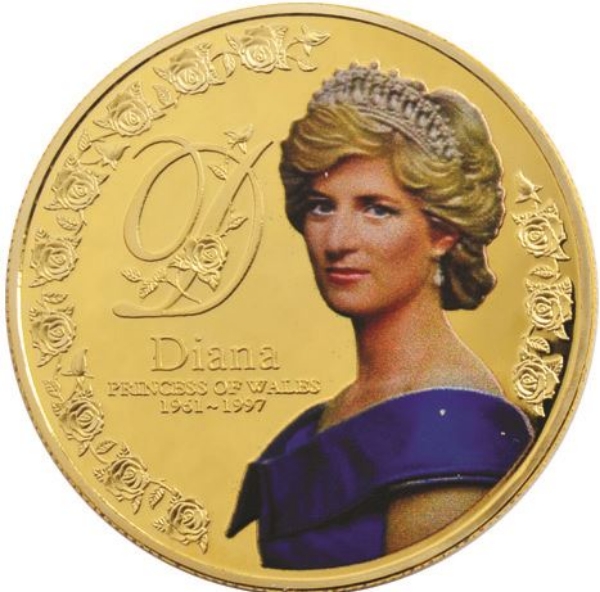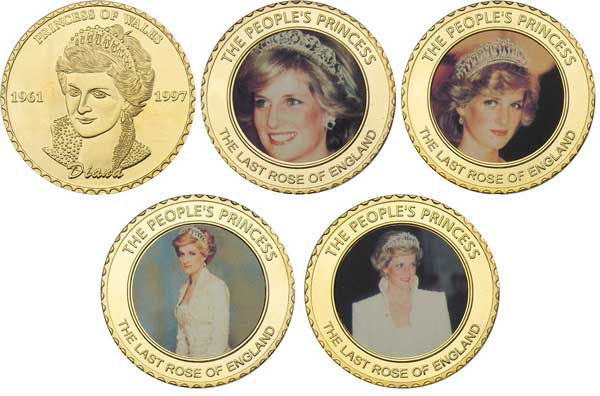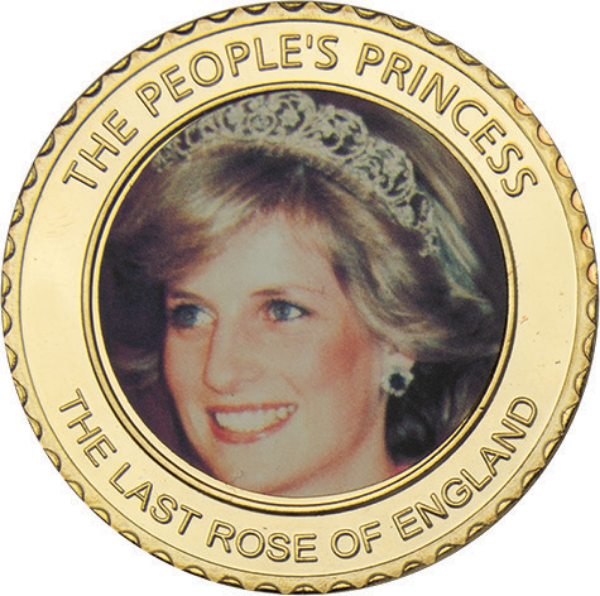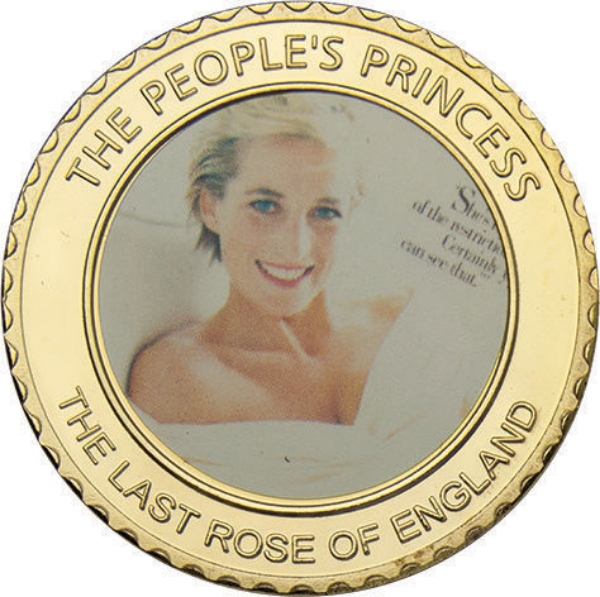
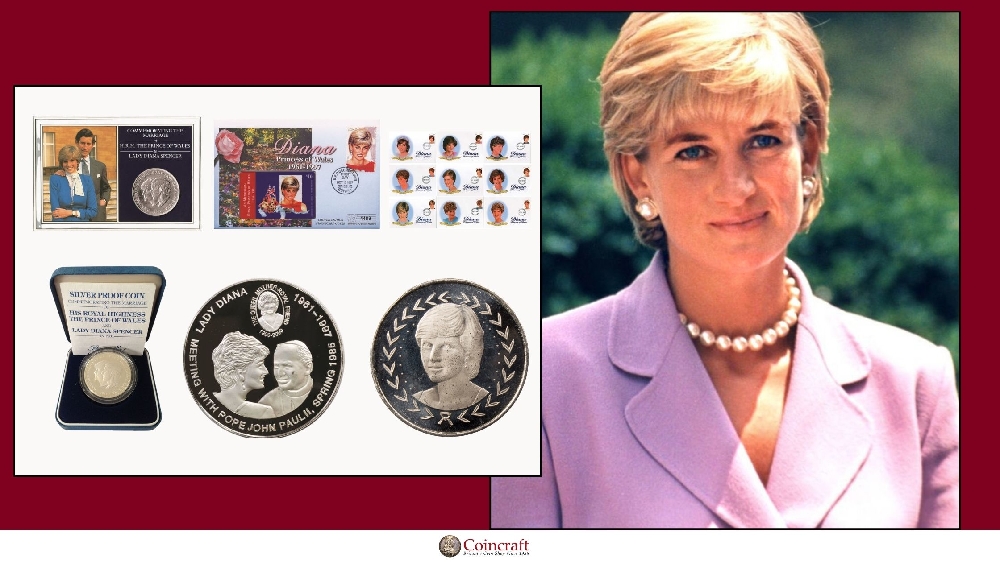
Picture Source of Princess Diana: Wikipedia
Introduction to Princess Diana: A Brief Overview
Princess Diana, often referred to as the "People's Princess," remains an enduring figure whose life and legacy continue to captivate the world. Known for her compassion, elegance, and humanitarian efforts, Diana's influence transcends her role within the British Royal Family. Her untimely death in 1997 left a lasting impact, leaving many to reflect on her contributions and the indelible mark she left on society.
Diana's life was one of both public adoration and intense scrutiny. From her fairy-tale wedding to Prince Charles to her groundbreaking humanitarian work, every aspect of her life was chronicled by the media. Despite this, she managed to cultivate a personal connection with people, earning their affection and respect through her genuine warmth and empathy.
This article delves into the multifaceted legacy of Princess Diana, exploring her upbringing, her prominent role within the royal family, her commitment to charitable causes, and her pervasive influence on fashion. Additionally, we examine how her life continues to inspire new generations and the ways in which she is commemorated today.
Early Life and Background of Princess Diana
Born Diana Frances Spencer on 1 July 1961, she was the fourth of five children of John Spencer, Viscount Althorp, and Frances Roche. Her upbringing in the Spencer family, one of the oldest and most prominent aristocratic families in Britain, shaped her early years. Despite the privileges, her childhood was marked by her parents' turbulent divorce, which had a profound effect on her.
Diana's education began at home under the tutelage of a governess before attending Riddlesworth Hall School and later, West Heath Girls' School. Although she was not considered an outstanding student, her peers and teachers admired her for her kindness and enthusiasm. Her path diverged from traditional academics as she pursued interests in ballet and music, laying the foundation for her later life in the public eye.
Her early adulthood saw her working as a nursery assistant at the Young England School in Pimlico. This period of her life demonstrated her affinity for children and her nurturing nature, qualities that would later become hallmarks of her public persona. Her engagement to Prince Charles in 1981 catapulted her into the global spotlight, transforming her from an aristocrat's daughter into a royal figure of international fame.
Princess Diana’s Role in the British Royal Family
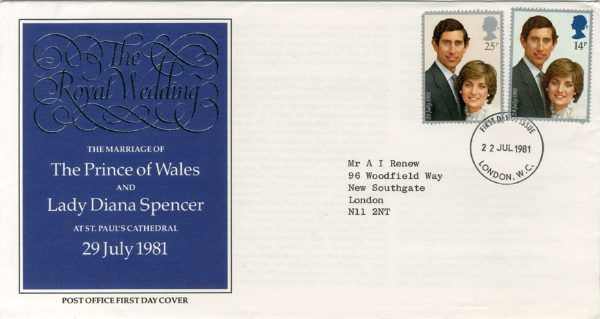
Diana's marriage to Prince Charles on 29 July 1981 was a monumental event, watched by over 750 million people worldwide. As the Princess of Wales, her role within the British Royal Family was both prestigious and demanding. Her responsibilities included numerous public engagements, state visits, and philanthropic work, all under the constant gaze of the media.
Despite the fairy-tale image, Diana's life within the royal family was fraught with challenges. The marriage faced difficulties, compounded by the intense media scrutiny and personal struggles. Nevertheless, she remained committed to her duties, using her position to advocate for causes close to her heart, particularly those concerning children and the disadvantaged.
Diana's approach to royal duties was revolutionary. She broke from tradition by connecting with people on a personal level, often opting to engage directly with the public rather than maintain a formal distance. This approach not only endeared her to the public but also modernised the image of the monarchy, setting a new precedent for future royal engagements.
Philanthropy and Humanitarian Efforts
One of the most defining aspects of Princess Diana's legacy is her dedication to philanthropy and humanitarian efforts. Her work extended beyond mere patronage; she actively participated in campaigns and personally visited hospitals and clinics, offering comfort and support to those in need. Her empathy and willingness to engage with marginalised communities were groundbreaking at the time.
Notable Charitable Endeavours:
HIV/AIDS Awareness: Diana was instrumental in changing public perceptions of HIV/AIDS during the 1980s and 1990s. Her visits to AIDS patients, shaking hands without gloves, helped dispel myths and reduce stigma surrounding the disease.
Landmine Campaigns: Her involvement with the International Campaign to Ban Landmines brought global attention to the devastating effects of landmines in war-torn regions. Her visit to Angola in 1997, walking through a minefield, was pivotal in raising awareness and support for mine clearance initiatives.
Homelessness and Child Welfare: Diana championed causes related to homelessness and children's welfare, involving herself with organisations such as Centrepoint and Great Ormond Street Hospital. She used her influence to highlight issues often overlooked by society.
Through her philanthropic work, Diana not only raised awareness but also inspired others to take action. Her legacy in this area is reflected in the continued efforts of charities and organisations that bear her name and continue her mission of compassion and care.
The Influence of Princess Diana on Fashion and Style
Princess Diana's impact extended beyond her humanitarian efforts; she was also a fashion icon whose style continues to influence trends today. Her sartorial choices were closely followed and widely emulated, earning her a place among the most stylish figures of the 20th century.
Key Elements of Diana's Style:
Elegance and Sophistication: Diana's wardrobe was characterised by its elegance and sophistication, blending classic lines with contemporary flair. Her choice of designers, including Catherine Walker and Bruce Oldfield, reflected her refined taste.
Versatility: Diana's style evolved over the years, from the frilly, romantic looks of her early years in the public eye to the sleek, tailored silhouettes of her later years. Her ability to adapt and redefine her style reflected her personal growth and confidence.
Iconic Pieces: Many of Diana's outfits became iconic, such as the "Travolta dress" she wore at the White House and the "Elvis dress" adorned with pearls. These memorable ensembles continue to be celebrated in exhibitions and retrospectives.
Diana's fashion legacy is not just about clothing; it is about self-expression and empowerment. Her style choices conveyed messages of confidence and approachability, inspiring women around the world to embrace their own individuality. Her influence remains evident in contemporary fashion, with designers often citing her as a muse for their collections.
Media Coverage and Public Perception
The relationship between Princess Diana and the media was complex and multifaceted. From the moment she became engaged to Prince Charles, Diana was thrust into the media spotlight, and her every move was documented by the press. This intense scrutiny became both a platform for her influence and a source of personal turmoil.
Diana's ability to connect with the public was amplified by the media coverage, which often portrayed her as a relatable and compassionate figure. Her candid nature and willingness to share personal struggles resonated with many, fostering a sense of familiarity and admiration. However, this relationship with the media was not without its challenges.
The relentless pursuit by paparazzi and intrusive reporting took a toll on Diana's personal life. The pressures of maintaining a public image while navigating personal difficulties were immense, highlighting the darker side of fame. Despite these challenges, Diana's relationship with the media also allowed her to shine a light on important issues, leveraging her platform to advocate for change.
The Legacy of Princess Diana: Impact on Future Generations
Princess Diana's legacy is profound, influencing not only the royal family but also society at large. Her approach to royal duties, philanthropy, and personal style set a new standard, redefining what it means to be a modern royal. Her impact continues to be felt, inspiring future generations to carry forward her mission of compassion and service.
Aspects of Diana's Enduring Legacy:
Humanitarian Influence: Diana's commitment to humanitarian causes paved the way for future royals, including her sons, Prince William and Prince Harry, who continue to champion charitable initiatives.
Modernisation of the Monarchy: Her approachability and willingness to engage with the public helped modernise the image of the monarchy, making it more relatable and accessible to a broader audience.
Cultural Impact: Diana's influence on fashion, media, and popular culture remains significant, with her life and style frequently referenced in films, documentaries, and fashion collections.
Diana's legacy is one of empathy and empowerment, encouraging individuals to make a positive difference in the world. Her life serves as a testament to the power of compassion and the enduring impact one person can have on society.
Commemorating Princess Diana: Memorials and Tributes
Following her tragic death, numerous memorials and tributes were established to honour Princess Diana's life and legacy. These commemorations serve as a testament to the enduring affection and respect she garnered during her lifetime.
Notable Memorials and Tributes:
The Diana, Princess of Wales Memorial Fountain: Located in Hyde Park, London, the fountain is designed to reflect Diana's life, embodying her openness and inclusivity. Its flowing water invites visitors to interact and reflect on her legacy.
The Diana Award: Established in her memory, this award recognises young people making a positive impact in their communities. It celebrates Diana's belief in the power of youth to effect change.
The Diana Memorial Walk: A seven-mile walking trail in London, passing through four of her favourite parks, offers a reflective journey through sites associated with her life.
These memorials, alongside countless personal tributes, ensure that Diana's contributions are remembered and celebrated. They provide spaces for reflection and inspire future generations to continue her legacy of kindness and service.
The Continued Relevance of Princess Diana in Contemporary Society
Decades after her passing, Princess Diana remains a significant figure in contemporary society. Her influence is evident in the continued interest in her life and the values she championed. Diana's story resonates with people of all ages, reflecting universal themes of resilience, empathy, and change.
Her legacy is particularly relevant in today's world, where issues of mental health, humanitarian aid, and social justice are at the forefront of global discourse. Diana's openness about her own struggles with mental health and her advocacy for marginalised communities continue to inspire and challenge societal norms.
In a world that often feels divided, Diana's message of compassion and understanding serves as a guiding light. Her life reminds us of the importance of empathy and the impact that acts of kindness can have on the world. As society evolves, Diana's legacy remains a source of inspiration, reminding us of the enduring power of human connection.
Princess Diana: Short FAQ and Key Points
FAQ:
Who was Princess Diana?
A beloved British royal known for her compassion, humanitarian work, and style.What was her role?
Princess of Wales, modernizing royal duties and advocating for charities.Major humanitarian efforts?
HIV/AIDS awareness, landmine campaigns, homelessness, and child welfare.Fashion influence?
A global icon known for elegant and versatile style.Media impact?
Intense scrutiny that both helped and challenged her.Legacy?
Inspired future royals, modernized monarchy, and influenced culture.How is she commemorated?
Memorials like the Diana Fountain, awards, and walking trails.
Key Takeaways:
- Born into aristocracy, Diana rose to global fame through marriage to Prince Charles.
- She redefined royal engagement by connecting personally with the public.
- Her hands-on charity work broke taboos and raised awareness on critical issues.
- Diana’s style symbolized confidence and empowerment worldwide.
- Media attention was both a platform and a source of personal hardship.
- Her legacy endures through her sons, charitable causes, and cultural influence.
- Memorials and awards keep her spirit alive and inspire ongoing social good.
- Her openness on mental health and social issues remains relevant today.