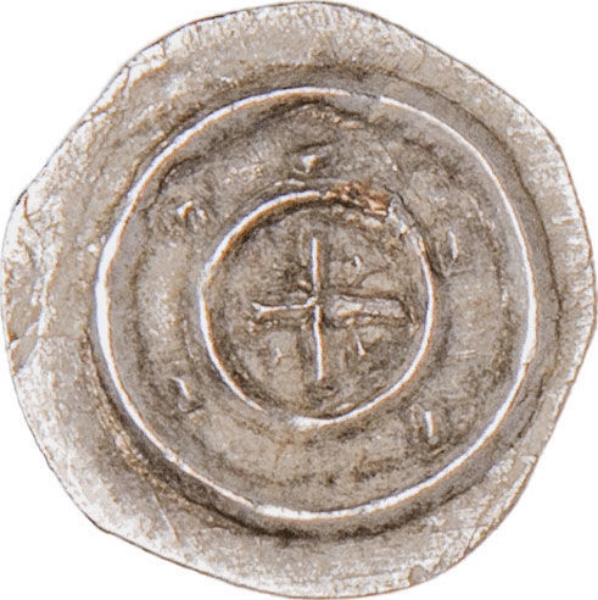
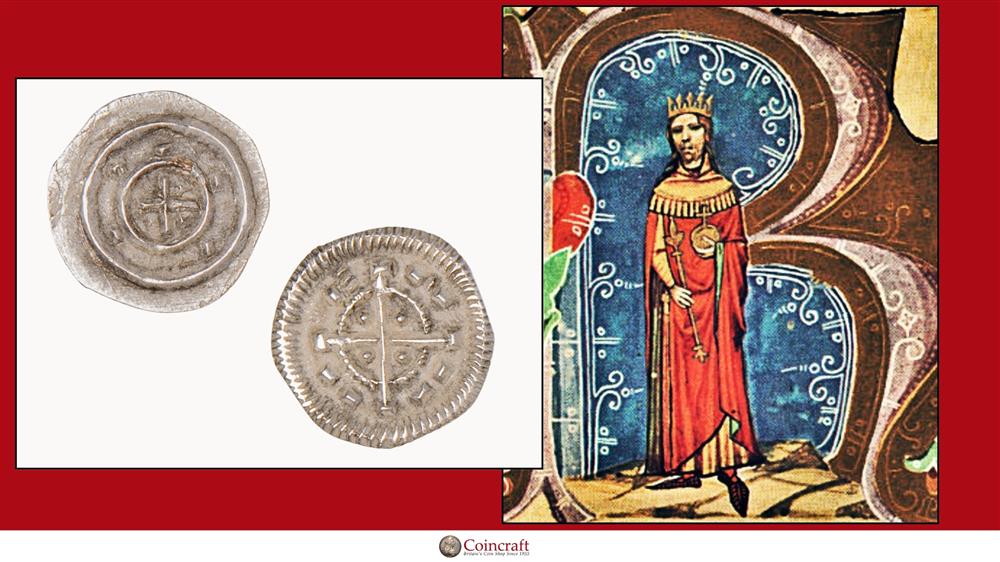
Picture Source of Béla II: Wikipedia
Introduction to Béla II of Hungary
Béla II of Hungary, often remembered as a pivotal figure in the nation's history, was a monarch whose reign significantly influenced the course of Hungarian affairs. Born into a period of political instability, Béla II's ascent to power marked the beginning of a transformative era for Hungary. His rule, though fraught with challenges, laid the groundwork for the kingdom's future prosperity and stability.
Despite being blind from an early age, a consequence of a brutal political rivalry, Béla II's reign was characterized by decisive leadership and strategic governance. His ability to overcome personal and political adversities speaks volumes about his determination and vision for Hungary. This article delves into the life and legacy of Béla II, examining how he shaped the nation's destiny.
The significance of Béla II's reign extends beyond his lifetime, with his policies and reforms echoing through the ages. By exploring the key events and contributions during his rule, we gain valuable insights into how he managed to solidify Hungary's position in medieval Europe. As we journey through his life, it becomes evident why Béla II remains a monumental figure in Hungarian history.
The Early Life of Béla II
Béla II was born into the Árpád dynasty, a lineage that played a crucial role in the formation of the Hungarian state. His early years were marked by turbulence, as Hungary was embroiled in internal conflicts and power struggles. Despite these challenges, Béla's upbringing in the royal court exposed him to the political machinations of the time, shaping his understanding of leadership and governance.
Tragically, Béla's life took a dramatic turn when he was blinded as a young boy. This brutal act was orchestrated by his uncle, King Coloman's son, in a bid to secure the throne for himself. Despite this setback, Béla's spirit remained unbroken. He was taken under the guardianship of his royal family, who ensured his education continued, preparing him for future rulership.
The early adversities Béla faced only served to strengthen his resolve. His childhood experiences instilled in him a deep resilience, which would later become a hallmark of his reign. Béla II's early life is a testament to his indomitable spirit and unwavering determination, setting the stage for his eventual rise to power.
Ascension to the Throne
Béla II's path to the throne was paved with challenges and intrigue. Following the death of his uncle, King Stephen II, in 1131, Béla was thrust into the political spotlight. Despite his blindness, his claim to the throne was supported by powerful factions within the Hungarian nobility who saw in him a legitimate heir capable of unifying the nation.
The coronation of Béla II was a significant event in Hungarian history. It marked the beginning of a new chapter, with a monarch who, despite personal limitations, was determined to assert his authority and restore stability to the kingdom. Béla's wife, Queen Helena, played a crucial role during this period, acting as his eyes and ears and wielding considerable influence in the royal court.
Béla II's ascension was not without opposition. Rival claimants and external threats posed significant challenges. However, his strategic alliances and the loyalty of key nobles helped solidify his position. His initial years on the throne were marked by efforts to consolidate power and assert his authority, setting the tone for a reign that would leave a lasting impact on Hungary.
Key Events During His Reign
During Béla II's reign, several key events shaped the course of Hungarian history. One of the most notable was the Diet of Arad in 1132. At this assembly, Béla sought to punish those responsible for his blinding and to strengthen his hold on the throne. The event marked a dramatic consolidation of power, as many of his enemies were executed, and their lands were redistributed to loyal supporters.
Another pivotal moment was Béla's efforts to expand and secure Hungary's borders. Under his leadership, military campaigns were launched to defend against external threats, particularly from the Holy Roman Empire and neighbouring territories. These campaigns not only fortified Hungary's borders but also enhanced Béla's reputation as a formidable leader.
Béla's reign also witnessed significant developments in ecclesiastical affairs. He fostered strong ties with the Catholic Church, which played a crucial role in legitimizing his rule. By supporting the establishment of new religious institutions and promoting Christianity, Béla II strengthened his relationship with the Church, which in turn reinforced his authority and influence throughout the realm.
Contributions to the Hungarian Kingdom
Béla II's contributions to the Hungarian kingdom were multifaceted and enduring. His reign saw the implementation of administrative reforms that enhanced the efficiency of governance. By reorganizing the royal court and appointing trusted advisors, Béla ensured that his administration was capable of managing the kingdom's affairs effectively.
Economic development was another area where Béla made significant strides. He encouraged trade and commerce, recognizing their importance in strengthening the kingdom's financial foundation. By fostering relations with neighbouring states and promoting internal trade, Béla II laid the groundwork for economic prosperity that would benefit Hungary for generations.
Culturally, Béla II's reign was marked by a flourishing of arts and architecture. He supported the construction of churches and monasteries, which became centres of learning and cultural exchange. These efforts not only enhanced the kingdom's cultural landscape but also solidified Hungary's position as a respected and influential player in medieval Europe.
Relationships with Neighbouring States
Béla II's foreign policy was characterized by strategic diplomacy and military prowess. Relations with neighbouring states were crucial to maintaining Hungary's security and stability. Béla adeptly navigated the complex political landscape of the time, forging alliances and managing rivalries to safeguard his kingdom.
One of Béla's key diplomatic achievements was his relationship with the Byzantine Empire. By fostering a strong alliance with the Byzantines, he secured Hungary's southern borders and gained a powerful ally against common adversaries. This alliance was beneficial not only in military terms but also in promoting cultural and economic exchanges between the two realms.
Béla's interactions with the Holy Roman Empire were more contentious. While he sought to maintain peaceful relations, tensions occasionally flared due to territorial disputes and political manoeuvring. Despite these challenges, Béla's diplomatic acumen ensured that Hungary remained a respected and independent entity in the eyes of its European counterparts.
Challenges and Conflicts Faced
The reign of Béla II was not without its share of challenges and conflicts. Internally, he faced opposition from noble factions who questioned his legitimacy and sought to undermine his authority. Béla's ability to navigate these internal conflicts and maintain the loyalty of key nobles was crucial to his success.
Externally, Hungary was threatened by incursions from neighbouring territories, including the Holy Roman Empire and the nomadic tribes to the east. Béla's military campaigns were instrumental in repelling these threats and securing Hungary's borders. His strategic use of alliances and his readiness to engage in warfare when necessary demonstrated his commitment to safeguarding the kingdom.
Despite these adversities, Béla II's resilience and leadership enabled him to overcome obstacles and maintain the stability of his reign. His ability to address both internal and external challenges solidified his reputation as a capable and determined ruler, leaving a lasting impact on the Hungarian kingdom.
Legacy of Béla II of Hungary
The legacy of Béla II of Hungary is one of resilience, leadership, and vision. His reign marked a turning point in Hungarian history, as he laid the foundation for future prosperity and stability. Béla's ability to overcome personal limitations and political challenges is a testament to his strength of character and dedication to his kingdom.
Béla II's contributions to Hungary were profound and far-reaching. His administrative reforms, economic policies, and cultural initiatives fostered a period of growth and development that would benefit the kingdom for generations. By strengthening ties with the Church and establishing alliances with neighbouring states, Béla ensured Hungary's place on the European stage.
Béla's legacy is also evident in the enduring respect and admiration he garnered from his contemporaries and subsequent generations. His reign serves as an inspiration, highlighting the power of determination and vision in shaping a nation's destiny. Béla II's impact on Hungarian history is undeniable, and his story continues to resonate as a symbol of perseverance and leadership.
Historical Interpretations of His Rule
Historians have long debated the impact and significance of Béla II's rule. Some view his reign as a period of consolidation and reform, emphasizing his efforts to strengthen the kingdom's administrative and economic foundations. Others focus on his diplomatic and military achievements, highlighting his strategic acumen in navigating the complex political landscape of medieval Europe.
Béla's personal story, marked by adversity and triumph, adds another layer to historical interpretations of his rule. His ability to overcome blindness and political challenges to become a successful monarch has been a subject of admiration and intrigue. This narrative of personal resilience and leadership continues to captivate historians and scholars alike.
The varied interpretations of Béla II's reign underscore the complexity and richness of his legacy. While opinions may differ on specific aspects of his rule, there is consensus on his significant contributions to Hungary's development and his enduring impact on its history. Béla II remains a figure of historical importance, whose story continues to be explored and appreciated.
The Impact of Béla II on Hungarian History
In conclusion, Béla II of Hungary was a monarch whose reign profoundly influenced the nation's history. His ability to overcome personal and political challenges set the stage for a period of growth and stability that would benefit Hungary for centuries. Béla's leadership, vision, and determination left an indelible mark on the kingdom, shaping its destiny and legacy.
Béla II's contributions to Hungary were multifaceted, encompassing administrative, economic, and cultural advancements. His diplomatic and military achievements ensured Hungary's security and prominence in medieval Europe. Béla's story is a testament to the power of resilience and leadership in overcoming adversity and shaping history.
As we reflect on Béla II's impact on Hungarian history, it is clear that his legacy continues to resonate. His reign serves as an inspiration, reminding us of the importance of determination and vision in achieving greatness. Béla II remains a pivotal figure in Hungary's past, whose story continues to inspire and captivate.