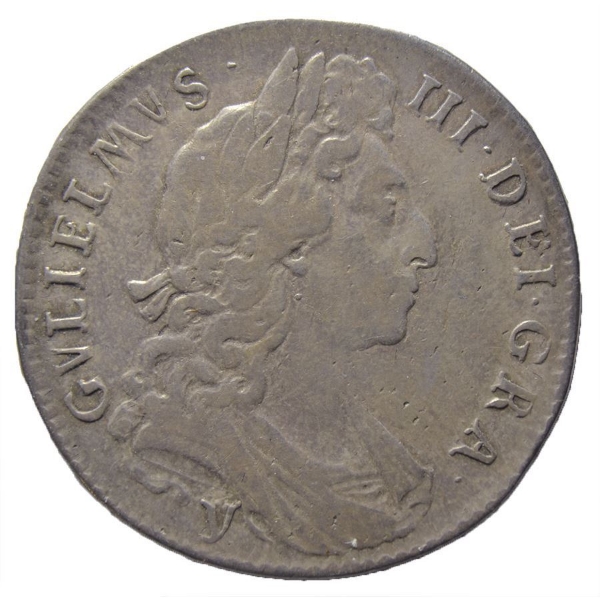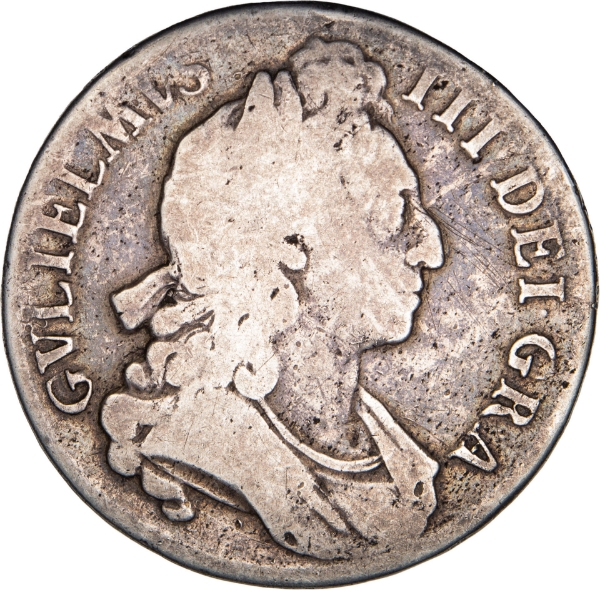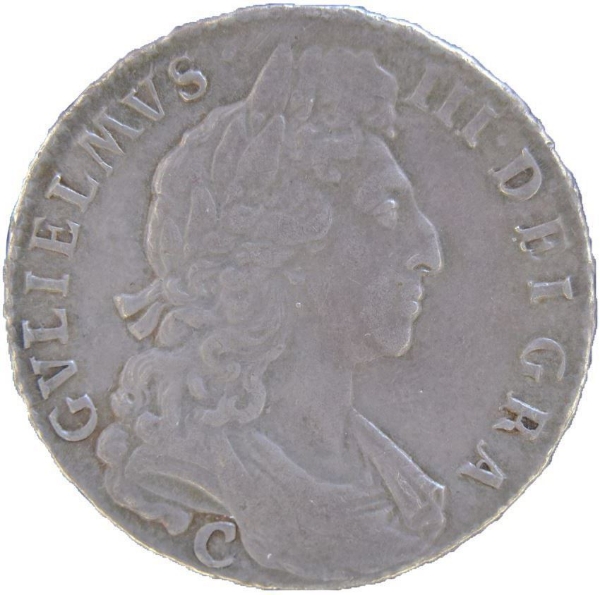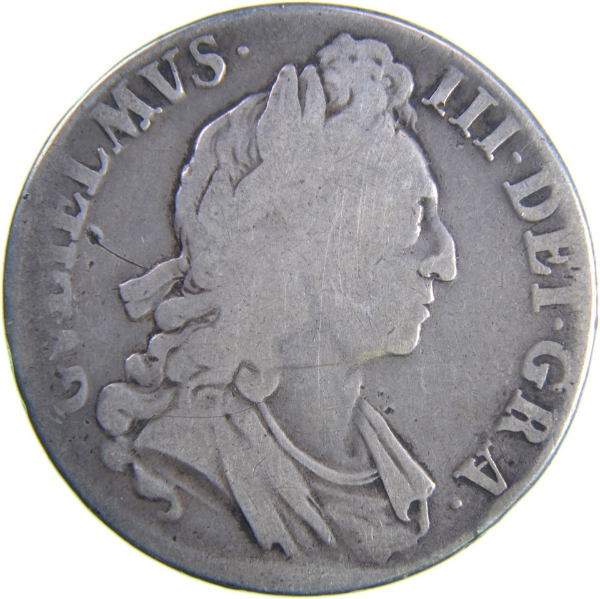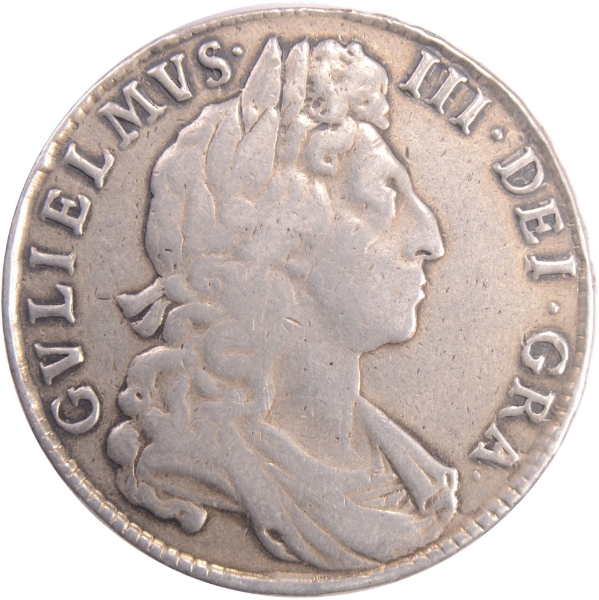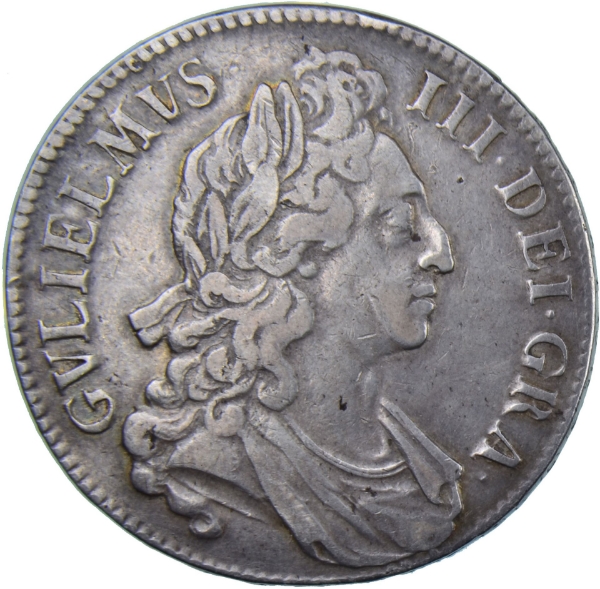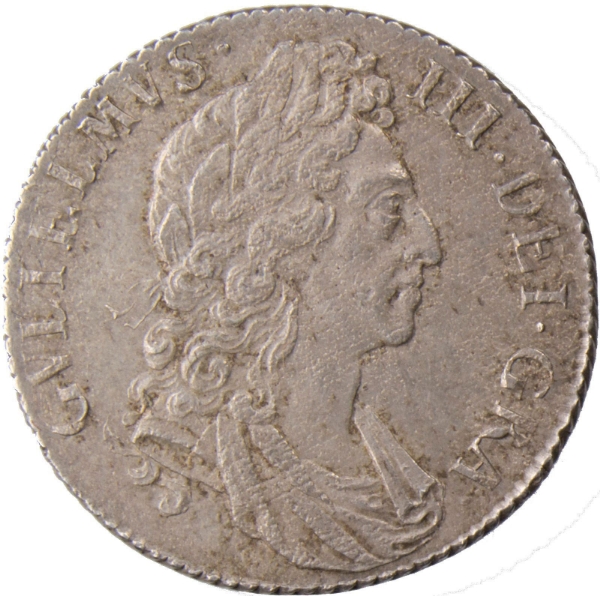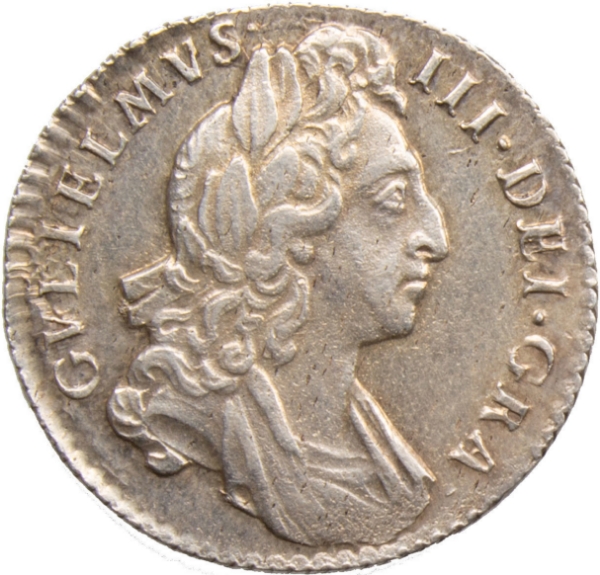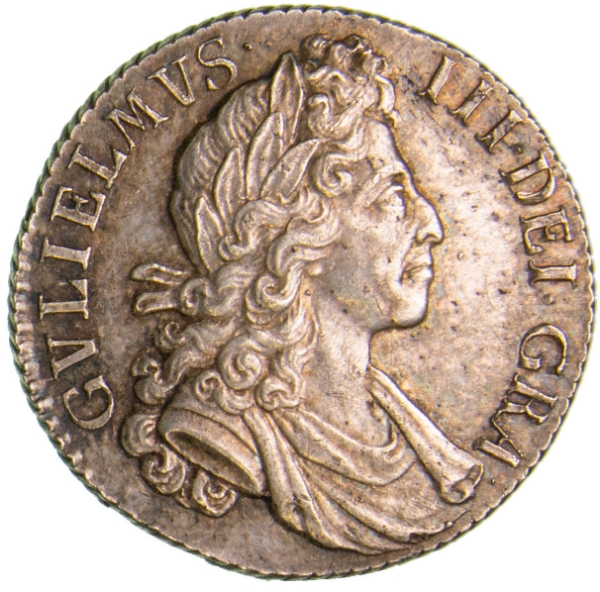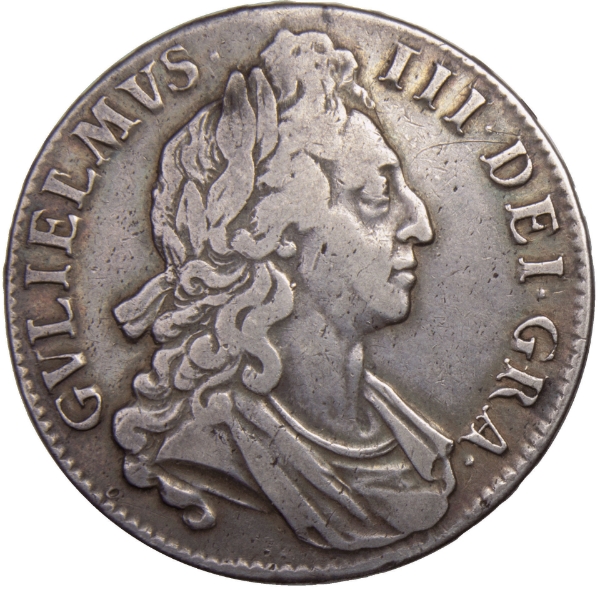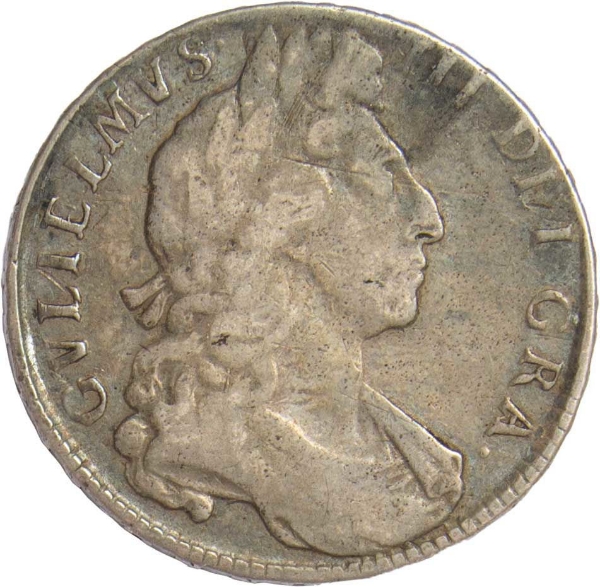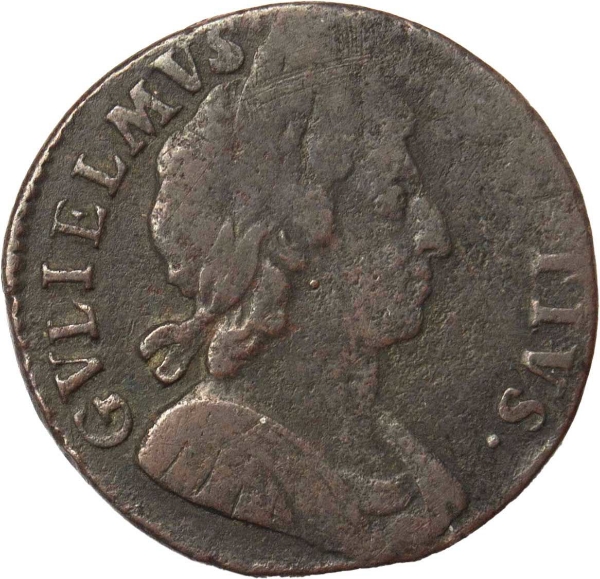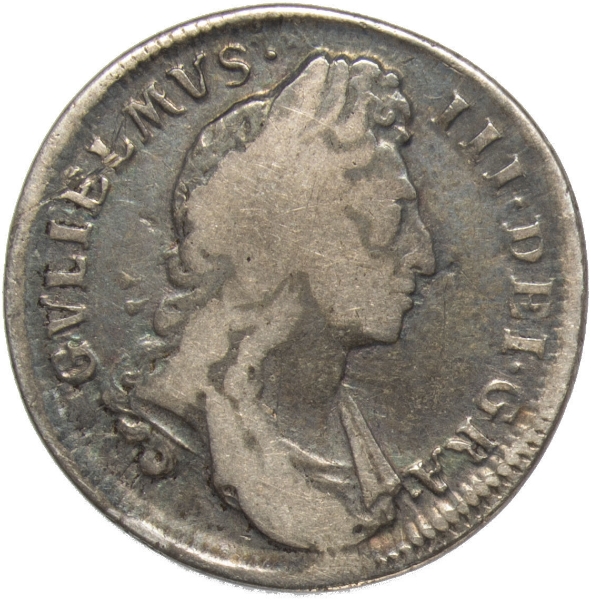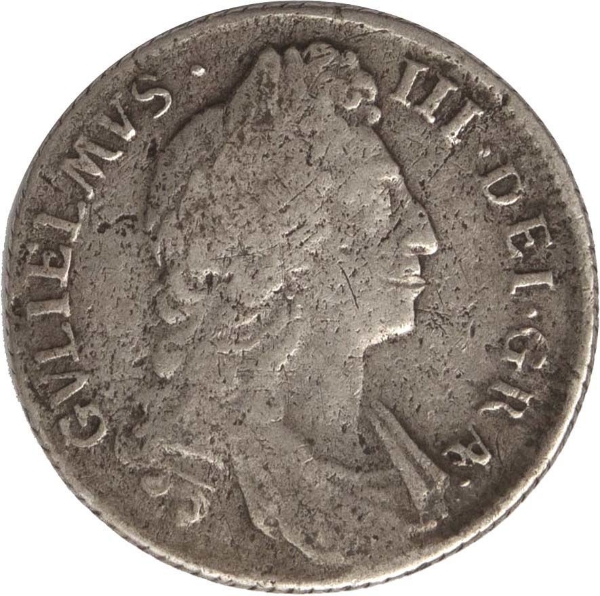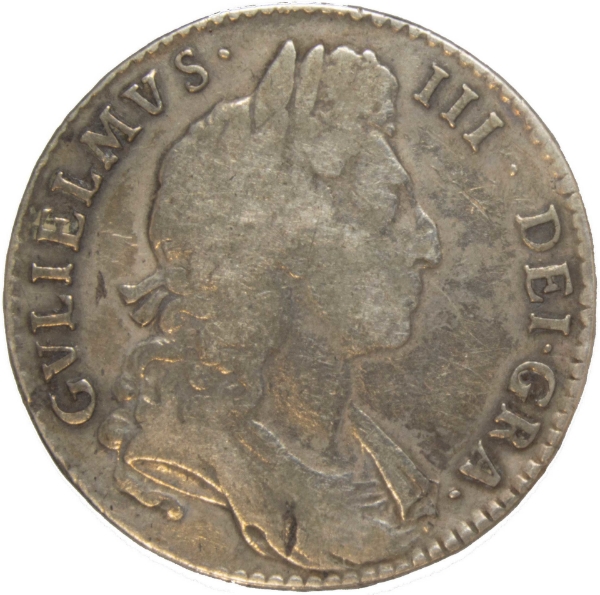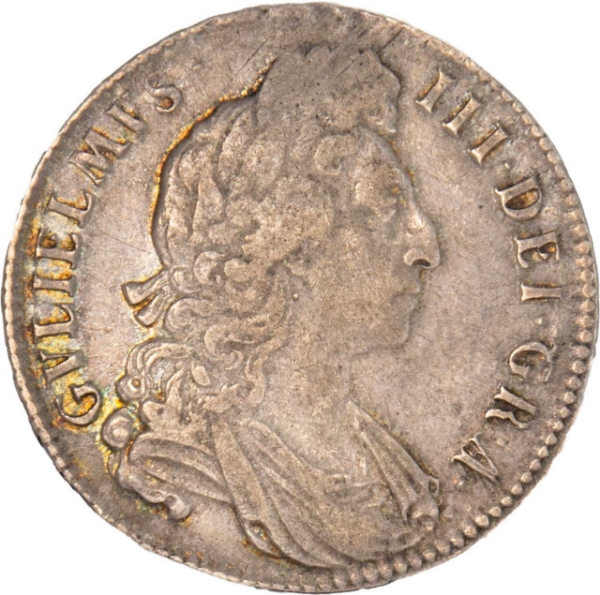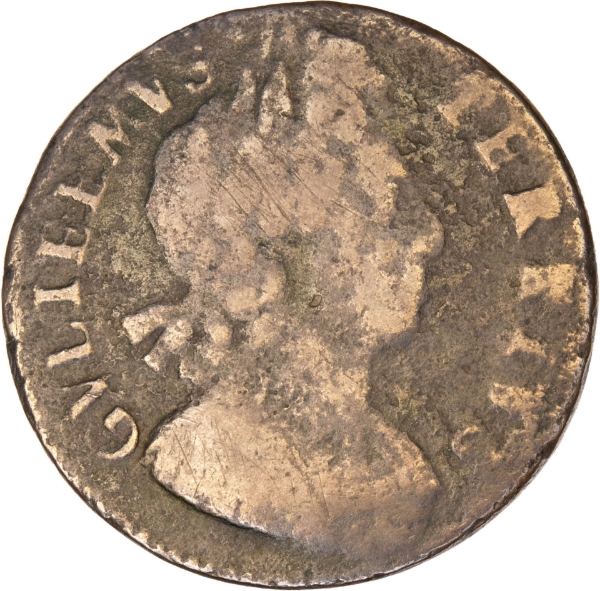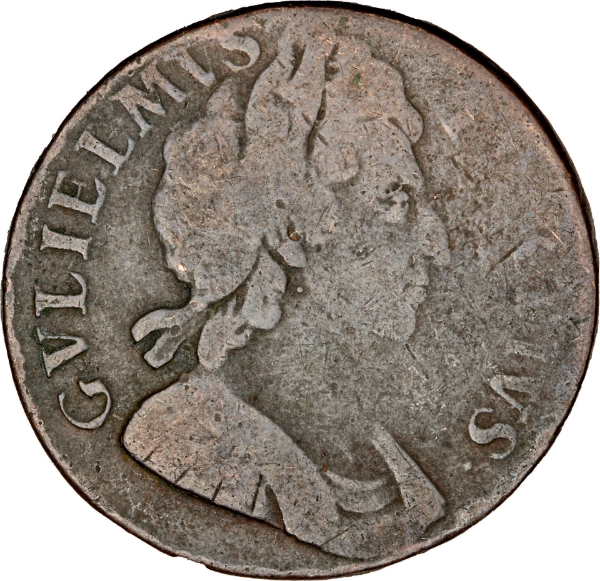
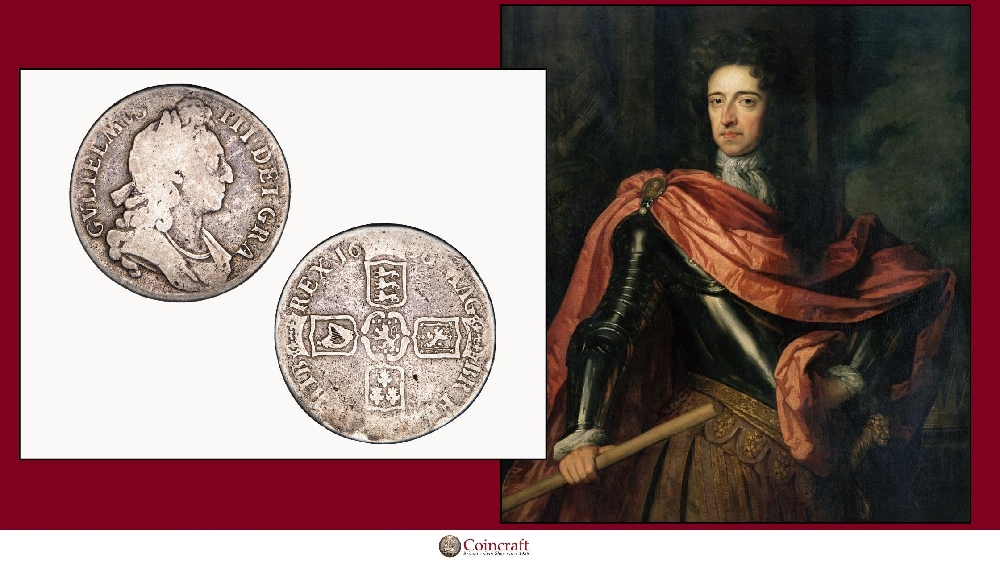
Picture Source of William III: Wikipedia
The King Who Changed the Game: A Comprehensive Biography of William III
History is often painted as a series of inevitable events, but every so often, a figure steps onto the stage who completely rewrites the script. William III—widely known as William of Orange—is exactly that kind of figure. He was a man defined by contradictions: a Dutch prince who became an English king, a frail asthmatic who led armies into the thick of battle, and an autocrat by nature who inadvertently fathered the modern constitutional monarchy.
Born into a republic that wanted to strip him of power, he rose to become the linchpin of the European alliance against French hegemony. His acquisition of the British throne in 1688 wasn't just a change of guard; it was a fundamental geopolitical shift that steered the course of world history. This article explores the life, wars, and enduring legacy of the man who successfully invaded Britain and secured the Protestant succession.
Key Takeaways
The Architect of the Grand Alliance: William’s primary motivation throughout his life was checking the expansionist ambitions of Louis XIV of France; his ascent to the English throne was a strategic move to secure English resources for this continental war.
The "Glorious Revolution" as a Strategic Invasion: While often framed as a bloodless domestic shift, William's arrival in 1688 was a large-scale military invasion that fundamentally altered the British constitution.
A Unique Dual Monarchy: William III and Mary II remain the only joint sovereigns in British history to rule with equal power, creating a unique political dynamic.
The Financial Revolution: His need to fund immense wars led to the creation of the Bank of England (1694) and the modern system of national debt.
The Constitutional Settlement: His reign solidified the supremacy of Parliament over the Crown through the Bill of Rights (1689), ending the era of absolute monarchy in Britain.
The Child of State: A Precarious Beginning
William Henry of Orange was born in The Hague on November 14, 1650, into a world of mourning. His father, William II, the Prince of Orange and Stadtholder, had died of smallpox just eight days prior to his son's birth¹. This tragedy left the infant William as the bearer of the illustrious Orange title but stripped of the political power that usually accompanied it.
The Dutch Republic in the mid-17th century was a unique political experiment—a federation of provinces dominated by a wealthy merchant oligarchy known as the Regents. The Regents, particularly in the powerful province of Holland, were wary of the monarchical ambitions of the House of Orange. Under the leadership of the Grand Pensionary Johan de Witt, the government sought to ensure that the young prince would remain a private citizen, not a ruler.
In 1654, the Act of Seclusion was secretly negotiated, effectively barring William from holding high office². Growing up as a "Child of State," William was educated under the watchful eye of the government he was born to lead. This isolation forged his character. He was lonely, surrounded by spies, and suffered from ill health, including severe asthma. Yet, these hardships honed a sharp, impenetrable intellect. He learned to listen, to mask his emotions, and to wait for his moment.
The "Disaster Year" (Rampjaar) and the Rise to Power
William’s opportunity came in the form of a catastrophe. The year 1672 is etched in Dutch memory as the Rampjaar or "Disaster Year." The Republic faced a coordinated attack of terrifying scale: France, England, and the Bishoprics of Münster and Cologne invaded simultaneously.
The French army, led by King Louis XIV—the "Sun King" and the superpower of the age—swept into the Netherlands, capturing cities with ease. The Regent government’s policy of neutrality and commercial focus had left the army neglected, and the Republic teetered on the brink of annihilation³.
Panic turned to rage. The Dutch populace, terrified of French conquest, blamed Johan de Witt and the Regents. In a gruesome display of mob violence, De Witt and his brother were lynched in The Hague. Amidst the chaos, the call went out for the Prince of Orange. At just 21 years old, William was appointed Stadtholder and Captain-General.
He inherited a nightmare, but he met it with cold resolve. Realizing he could not defeat the French army in open battle, William made the agonizing decision to open the sluices. He flooded the Dutch Water Line, turning the province of Holland into an island fortress. The advancing French were halted by the water, saving the heart of the Republic. William had saved his country, and in doing so, he found his life’s purpose: the destruction of Louis XIV’s hegemony.
The Strategic Marriage
Secure in his position at home, William looked across the channel. He understood that to defeat France, he needed England—or at the very least, he needed to stop England from allying with France. In 1677, he orchestrated a marriage to his first cousin, Mary Stuart, the eldest daughter of James, Duke of York (the future King James II of England).
Diplomatically, it was a masterstroke. It placed William in the direct line of succession to the English throne. Personally, however, it began poorly. Mary, a tall and beautiful woman of fifteen, reportedly wept for a day and a half upon learning she was to marry the hunched, asthmatic, and solemn William, who was twelve years her senior⁴.
Despite this rocky start and William’s initial coldness, a deep bond eventually formed. Mary proved to be devoted and politically astute, winning the hearts of the Dutch people and later serving as the softer, more approachable face of their joint reign.
The Glorious Revolution: A Gamble for a Crown
By 1688, the situation in England had deteriorated. William’s father-in-law, now King James II, was a Catholic monarch ruling a fiercely Protestant nation. James’s attempts to grant religious freedom to Catholics through the Declaration of Indulgence, combined with his expansion of the standing army, terrified the English political class, who feared a drift toward French-style absolutism.
The tipping point was the birth of James’s son in June 1688. This displaced Mary as the heir presumptive and raised the specter of a permanent Catholic dynasty. A secret coalition of seven English nobles—the "Immortal Seven"—sent a coded letter to William, inviting him to intervene to protect the "Protestant religion and the liberties of England"⁵.
William accepted, but not out of pure altruism. He needed the English navy and the English treasury for his upcoming war against France.
On November 5, 1688, William landed at Brixham in Torbay with a massive invasion force: 463 ships and roughly 15,000 troops⁶. It was a logistical marvel, four times the size of the Spanish Armada of 1588. The invasion is often remembered as "bloodless," which is a misnomer, but major battles were avoided in England because James’s support collapsed. His officers defected to William, and James eventually fled to France, dropping the Great Seal of the Realm into the Thames as he went.
The Constitutional Settlement and Joint Monarchy
With the throne vacant, Parliament faced a dilemma. They wanted Mary to rule as Queen, with William as her consort. William, however, was adamant. He famously declared he would not be his wife's "gentleman usher." He demanded the crown in his own right, or he would return to the Netherlands and leave England to its internal chaos.
Parliament capitulated. In a unique constitutional arrangement, William III and Mary II were crowned joint sovereigns in April 1689.
However, the English Parliament was determined to secure its own power. Before the coronation, they drafted the Declaration of Rights, which was later enacted as the Bill of Rights 1689. This document fundamentally changed the nature of monarchy in Britain. It established that:
The King could not suspend laws or levy taxes without Parliament’s consent.
Subjects had the right to petition the King.
Parliamentary elections must be free.
Standing armies in peacetime were illegal without Parliamentary approval⁷.
William bristled at these restrictions—he was, after all, used to the command of a Stadtholder—but he signed them. He was a pragmatist; he traded royal prerogative for the supplies he needed to fight France.
War on Three Fronts: Ireland, Scotland, and Europe
While the revolution secured England, the British Isles were far from peaceful. James II, backed by French money and troops, landed in Ireland in 1689, rallying the Catholic population to his cause.
The Battle of the Boyne (1690) William realized he had to lead from the front. He took an army to Ireland and met James’s forces at the River Boyne on July 1, 1690. It was the last time two crowned kings of England, Scotland, and Ireland faced each other in battle. William, despite being wounded in the shoulder, won a decisive victory. James fled back to France, earning him the Irish nickname Seamus an Chaca ("James the be-shat") for abandoning his troops. The war in Ireland continued until the Treaty of Limerick in 1691, cementing Protestant dominance in Ireland—a legacy with centuries of repercussions⁸.
Scotland and Glencoe In Scotland, support for William was less universal. While he defeated the Jacobite uprising at the Battle of Killiecrankie (1689), his government’s handling of the Highlands left a dark stain on his reputation. In 1692, arguably due to bureaucratic malice and a desire to make an example of tardy oath-takers, soldiers massacred the MacDonalds of Glencoe. While William likely did not order the slaughter personally, he signed the orders authorizing "fire and sword," and his failure to punish the perpetrators remains a blemish on his reign⁹.
The Nine Years' War The true focus of William’s life remained the continent. For nine years, he led the Grand Alliance (England, the Dutch Republic, Spain, and the Holy Roman Empire) against France. It was a grueling, expensive war of attrition. While William was an indifferent battlefield tactician—often losing battles, such as at Steenkirk (1692) and Landen (1693)—he was a brilliant strategist and diplomat. He held the coalition together and prevented Louis XIV from dominating Europe, eventually forcing the Treaty of Ryswick in 1697.
The Financial Revolution
One of the most underrated aspects of William’s reign is the financial transformation of England. To fund these massive wars, the old medieval system of royal finance was insufficient.
Under William’s patronage, the government adopted Dutch financial innovations. In 1694, the Bank of England was established to lend money to the government, creating the first permanent national debt¹⁰. This allowed Britain to spend far beyond its immediate tax revenue, giving it a distinct advantage over France, whose chaotic finances would eventually contribute to the French Revolution. This "Financial Revolution" laid the groundwork for Britain’s rise as a global commercial superpower in the 18th century.
The Final Years: Tragedy and Succession
In 1694, Mary died of smallpox. William was inconsolable. His popularity, never high, plummeted without her. He was seen by many English subjects as a dour, foreign workaholic who preferred his Dutch favorites, like Hans Willem Bentinck, to the English nobility.
As his health declined, William grew obsessed with the succession. He and Mary had no children. The heir was Mary’s sister, Anne, but her only surviving child died in 1700. To ensure a Protestant succession and keep the Stuarts off the throne, William approved the Act of Settlement 1701, which settled the crown on the Electress Sophia of Hanover and her descendants. This act still governs the succession to the British throne today.
William died in March 1702 following a riding accident at Hampton Court. His horse, Sorrel, stumbled on a molehill, throwing the King and breaking his collarbone. Pneumonia followed. His death was mourned deeply in the Netherlands but received with mixed feelings in England.
Conclusion: The Legacy of the Orange King
William III was not a man who sought to be loved; he sought to be effective. In that, his success is undeniable. He saved the Dutch Republic from extinction and steered England away from absolutism.
His legacy is the bedrock of modern Britain. The Bill of Rights established the template for constitutional monarchy. The Bank of England created the modern fiscal state. The defeat of James II secured the Protestant succession. He was a difficult man—cold, asthmatic, and relentlessly focused—but his sheer force of will bent the arc of history. He turned England from an unstable island nation into a global power, ready to dominate the coming century.
Frequently Asked Questions (FAQs)
1. Was William III a good husband? The marriage was initially purely political and strained by William’s affair with Elizabeth Villiers. However, over time, William developed a profound respect and reliance on Mary. Her death devastated him, and he broke off his affair shortly after. While not a romantic fairytale, it was a highly effective professional partnership.
2. Why is the "Glorious Revolution" sometimes called an invasion? Traditional history emphasizes the invitation by the English nobility, framing it as a domestic coup. However, modern historians stress the military reality: William landed with a massive foreign army, imposed martial law in areas he controlled, and used the threat of force to secure the throne. Without his Dutch troops, the "Revolution" would likely have failed.
3. Did William III dislike England? He certainly struggled with the climate, which aggravated his asthma—the London smog was literally choking him. He preferred the clean air of Kensington and Hampton Court (which he expanded significantly) or his hunting lodge at Het Loo in the Netherlands. He also found English politics corrupt and frustrating compared to Dutch pragmatism.
References
Troost, W. (2005) William III, The Stadholder-king: A Political Biography. Aldershot: Ashgate Publishing, p. 26.
Israel, J.I. (1995) The Dutch Republic: Its Rise, Greatness and Fall, 1477-1806. Oxford: Clarendon Press, p. 722.
Panhuysen, L. (2009) Rampjaar 1672: Hoe de Republiek aan de ondergang ontsnapte. Amsterdam: Atlas, p. 89.
Chapman, H.W. (1953) Mary II: Queen of England. London: Jonathan Cape, p. 45.
Vallance, E. (2006) The Glorious Revolution: 1688 and Britain's Fight for Liberty. London: Little, Brown, p. 98.
Jardine, L. (2008) Going Dutch: How England Plundered Holland's Glory. London: HarperCollins, p. 32.
UK Parliament (no date) Bill of Rights 1689. Available at: https://www.parliament.uk/about/living-heritage/evolutionofparliament/parliamentaryauthority/revolution/ (Accessed: 1 December 2024).
Maguire, W.A. (1990) Kings in Conflict: The Revolutionary War in Ireland and its Aftermath, 1689-1750. Belfast: Blackstaff Press, p.