.jpg)
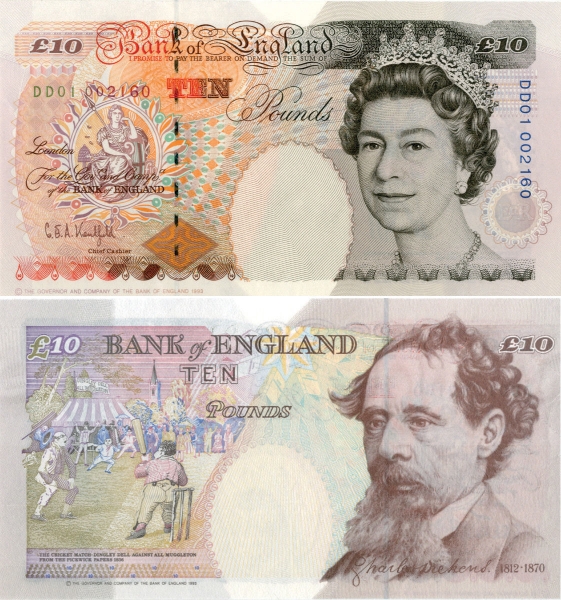
Picture Source of Chaarles Dickens: Wikipedia
Introduction to Charles Dickens and His Impact on Literature
Charles Dickens, a quintessential figure of Victorian literature, remains a significant influence on both classic and modern storytelling. Born in 1812, Dickens' works have transcended time, continuing to captivate audiences with their rich narratives and profound social commentary. His ability to weave intricate tales that reflect the socio-economic issues of his age has cemented his status as a literary icon.
Dickens' literature is renowned for its vivid characters and intricate plots. His stories are imbued with themes of poverty, social injustice, and the struggle for personal redemption. Through his work, Dickens offered a mirror to society, reflecting both its virtues and its vices. His novels are not only a source of entertainment but also serve as historical documents providing insight into 19th-century England.
The enduring appeal of Dickens' writing lies in its universality. His exploration of human nature and societal norms continues to resonate with readers worldwide. As one delves into his works, it becomes evident that Dickens' legacy is not just confined to his era but has left an indelible mark on literature across the ages.
Overview of Charles Dickens' Early Life and Influences
Charles John Huffam Dickens was born on February 7, 1812, in Portsmouth, England, to John and Elizabeth Dickens. His early life was marked by financial instability, which would later influence the themes and characters in his novels. At the age of 12, Dickens was forced to work at a blacking factory when his father was imprisoned for debt, an experience that would deeply shape his views on social inequality.
Education played a pivotal role in Dickens' development as a writer. Despite his brief formal education, he was an avid reader who immersed himself in the works of Shakespeare, Cervantes, and other literary giants. This self-directed learning laid the foundation for his distinctive narrative style and his ability to craft compelling, complex characters.
The societal conditions of Victorian England also heavily influenced Dickens' writing. The Industrial Revolution brought about significant changes, leading to urbanisation and stark contrasts between the rich and the poor. These elements became recurring themes in his work, as he sought to highlight the plight of the underprivileged and advocate for social reform through his storytelling.
Key Themes in Charles Dickens' Works
Throughout his illustrious career, Charles Dickens explored various themes that reflected both the societal norms and personal experiences of his time. One predominant theme is the stark contrast between wealth and poverty. Dickens often depicted the struggles of the impoverished, using characters like Oliver Twist and Little Nell to highlight the harsh realities faced by the lower classes.
Another central theme in Dickens' novels is the critique of social institutions. He was particularly critical of the legal system, as seen in "Bleak House," and the education system, as portrayed in "Hard Times." Through these narratives, Dickens sought to expose the flaws in these institutions and advocate for reform.
Redemption and personal growth are also recurring themes in his work. Characters such as Ebenezer Scrooge in "A Christmas Carol" undergo significant transformations, illustrating Dickens' belief in the potential for change and the importance of compassion and empathy. These themes not only enriched his storytelling but also conveyed powerful messages about morality and humanity.
A Deep Dive into Iconic Novels by Charles Dickens
Charles Dickens' literary repertoire includes numerous iconic novels that have left an indelible mark on literature. One of his most celebrated works, "Great Expectations," is a coming-of-age story that explores themes of ambition, social class, and personal growth. Through the journey of Pip, Dickens delves into the complexities of human relationships and societal expectations.
Another noteworthy novel is "A Tale of Two Cities," set against the backdrop of the French Revolution. This historical narrative contrasts the turmoil in Paris and the relative peace in London, highlighting themes of resurrection and sacrifice. Dickens' portrayal of the revolution's impact on individuals and families adds depth to this gripping tale of love and redemption.
"David Copperfield," often considered Dickens' most autobiographical work, offers a detailed exploration of personal development and resilience. Through David's trials and triumphs, Dickens reflects on the importance of perseverance and the influence of childhood experiences on one's future. These novels, among others, showcase Dickens' mastery in creating compelling stories that resonate with readers across generations.
The Evolution of Dickens' Writing Style
Charles Dickens' writing style evolved significantly over his career, reflecting both his personal growth and the changing literary landscape of his time. Early in his career, Dickens was known for his serialized novels, which were published in weekly or monthly instalments. This format allowed him to engage directly with his audience, adapting his narratives based on reader feedback and societal events.
As his career progressed, Dickens developed a more sophisticated narrative style, characterised by intricate plots and richly developed characters. He employed a blend of satire, humour, and pathos to address serious social issues, making his works both entertaining and thought-provoking. His use of vivid descriptions and detailed settings transported readers to the bustling streets of London or the desolate marshes of Kent, enhancing the immersive quality of his stories.
Dickens' later works, such as "Our Mutual Friend," demonstrate a more mature, reflective style, with a focus on complex characterisation and thematic depth. This evolution in his writing not only showcases his versatility as an author but also underscores his enduring relevance in the literary world.
Charles Dickens and Social Commentary
Charles Dickens was not only a storyteller but also a keen observer of society. His novels often served as platforms for social commentary, addressing issues such as poverty, child labour, and the flaws in legal and educational systems. Through his vivid portrayals of Victorian England, Dickens sought to raise awareness and provoke thought about the injustices prevalent in society.
In "Oliver Twist," Dickens exposed the harsh realities of workhouses and the exploitation of children, drawing attention to the need for reform. The novel's depiction of the criminal underworld and the plight of orphaned children highlighted the systemic failures that perpetuated poverty and crime.
Similarly, "Hard Times" offered a critique of industrialisation and the dehumanising effects of utilitarianism on education and labour. By portraying the struggles of workers and the rigid educational methods of the time, Dickens underscored the importance of compassion and creativity in addressing societal issues. Through his works, Dickens not only entertained but also inspired change, leaving a lasting impact on both literature and society.
The Legacy of Charles Dickens in Modern Literature
The legacy of Charles Dickens extends far beyond his own time, influencing countless authors and shaping modern literature. His unique blend of social critique, memorable characters, and compelling narratives has set a benchmark for storytelling that continues to inspire writers today. Dickens' exploration of universal themes such as justice, redemption, and the human condition resonates with audiences across different cultures and eras.
Many contemporary authors have drawn inspiration from Dickens' works, incorporating similar themes and narrative techniques into their own writing. His influence can be seen in the works of authors like J.K. Rowling and Salman Rushdie, who have embraced Dickensian elements such as detailed characterisation and intricate plotting in their novels.
Moreover, Dickens' impact on popular culture is evident in the numerous adaptations and reinterpretations of his stories in film, theatre, and television. His ability to create timeless tales that speak to the core of human experience ensures that his legacy will endure for generations to come.
Adaptations of Dickens' Works in Film and Theatre
Charles Dickens' rich narratives and vibrant characters have made his works a popular choice for adaptation in film and theatre. His stories have been reimagined in countless ways, bringing his timeless tales to new audiences and ensuring their continued relevance in contemporary culture.
One of the most frequently adapted works is "A Christmas Carol," with numerous film, television, and stage versions capturing the heartwarming tale of Ebenezer Scrooge's transformation. This classic story of redemption and goodwill continues to resonate, particularly during the holiday season, with its themes of compassion and personal growth.
Other notable adaptations include "Oliver Twist," which has been brought to life in various forms, from musicals like "Oliver!" to dramatic film interpretations. "Great Expectations" and "David Copperfield" have also seen multiple adaptations, each offering a unique take on Dickens' enduring narratives. These adaptations not only introduce Dickens' stories to new audiences but also highlight the timeless appeal and versatility of his work.
Exploring the Characters of Charles Dickens
Charles Dickens is renowned for his ability to create memorable, multidimensional characters that resonate with readers long after the story ends. From the virtuous to the villainous, Dickens' characters are often complex, embodying both the strengths and flaws of human nature. They serve as vehicles for exploring the social and moral issues central to his narratives.
One of Dickens' most iconic characters is Ebenezer Scrooge from "A Christmas Carol." Initially depicted as miserly and cold-hearted, Scrooge undergoes a profound transformation, symbolising the potential for redemption and change. His journey from greed to generosity has made him a symbol of hope and humanity.
Another memorable character is Oliver Twist, whose innocence and resilience highlight the plight of the poor and the impact of systemic injustice. Characters like Fagin and Bill Sikes further illustrate the moral ambiguities and societal critiques embedded in Dickens' storytelling. Through his diverse cast of characters, Dickens provides a rich tapestry of human experience, inviting readers to reflect on their own lives and society.
The Enduring Relevance of Charles Dickens
The enduring relevance of Charles Dickens lies in his ability to capture the essence of the human experience through his compelling narratives and vivid characters. His works continue to resonate with readers today, offering valuable insights into both the past and present. Dickens' exploration of universal themes such as justice, compassion, and personal growth ensures that his stories remain pertinent across generations.
As society continues to grapple with issues of inequality and social justice, Dickens' novels serve as a reminder of the importance of empathy and reform. His timeless tales encourage readers to reflect on their own roles in creating a more just and compassionate world. The legacy of Charles Dickens is not only found in his vast body of work but also in the impact he has had on literature and society as a whole.
For those who have yet to explore the works of Charles Dickens, consider diving into his world of rich narratives and unforgettable characters. Whether through reading his novels or watching adaptations, there is much to be gained from experiencing the timeless wisdom of Dickens. Start your journey today and discover the enduring magic of one of literature's greatest storytellers.