
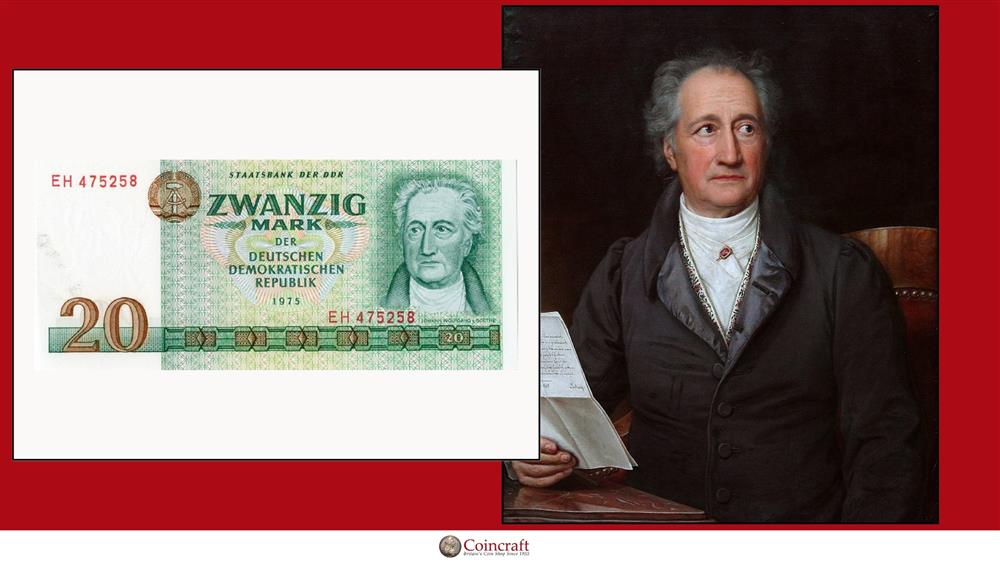
Picture Source of Johann Wolfgang von Goethe: Wikipedia
Introduction to Johann Wolfgang von Goethe
Johann Wolfgang von Goethe, a luminary in the literary world, remains a towering figure whose influence transcends time and geography. Born in the heart of Germany, Goethe's works and thoughts have left an indelible mark on literature, philosophy, and the arts. His multifaceted contributions continue to inspire scholars, artists, and readers worldwide, establishing him as a beacon of intellectual exploration and creativity.
Goethe's life was a testament to the Enlightenment ideals that shaped European thought during his era. His insatiable curiosity and intellect led him to explore various fields, from poetry and drama to science and philosophy. This polymathic approach allowed him to weave a rich tapestry of themes and ideas, making his works as relevant today as they were in the 18th and 19th centuries.
In this exploration of Goethe's legacy, we delve into the life and works of this unparalleled genius, examining how his contributions have shaped modern literature and culture. By understanding Goethe's impact, we can appreciate the depth and breadth of his genius and the enduring nature of his legacy.
Early Life and Influences
Goethe was born on August 28, 1749, in Frankfurt am Main, a bustling metropolis that provided a fertile ground for his early intellectual development. His father, Johann Caspar Goethe, was a well-educated lawyer, while his mother, Catharina Elisabeth Goethe, was known for her vivid storytelling ability. This familial environment fostered Goethe's love for literature and art from a young age, setting the stage for his future intellectual pursuits.
Goethe's education was comprehensive and multifaceted. He studied law at Leipzig University and later at the University of Strasbourg, where he was exposed to the burgeoning ideas of the Enlightenment. During this period, he met Johann Gottfried Herder, a philosopher and critic who greatly influenced Goethe's literary style and philosophical outlook. Herder's ideas about the importance of national culture and folklore resonated deeply with Goethe, guiding his future work.
Beyond academic influences, Goethe's early experiences with nature and travel also played a crucial role in shaping his worldview. His journeys through Italy, in particular, left a lasting impression on him, inspiring some of his most celebrated works. These experiences instilled in him a profound appreciation for the beauty and complexity of the natural world, themes that would frequently appear in his literature.
Major Works of Goethe
Goethe's literary oeuvre is vast and varied, encompassing a wide range of genres and themes. Among his most renowned works is "Faust," a dramatic masterpiece that explores the eternal struggle between good and evil. This two-part tragedy, which took Goethe nearly his entire life to complete, is celebrated for its profound philosophical insights and its exploration of human ambition and desire.
Another significant work is "The Sorrows of Young Werther," a novel that became an instant sensation upon its release in 1774. This epistolary novel, detailing the unrequited love of its protagonist, struck a chord with the young generation of the time and is credited with sparking the Sturm und Drang (Storm and Stress) movement in German literature. The novel's exploration of emotion and individuality resonated with readers and continues to be studied for its psychological depth.
Goethe's contributions to poetry are equally noteworthy. His collection, "West-östlicher Divan," is a testament to his engagement with Eastern literature and philosophy. This collection of poems, inspired by the Persian poet Hafez, represents Goethe's dedication to cultural exchange and his belief in the universality of human experience. His poetic works reflect his ability to transcend cultural boundaries and resonate with diverse audiences.
Goethe's Contributions to Literature and Philosophy
Goethe's impact on literature is profound, with his works serving as a bridge between classical and modern literature. His innovative use of language, structure, and form helped to redefine the possibilities of literary expression. By blending elements of classicism with romanticism, Goethe pushed the boundaries of artistic creativity, paving the way for future generations of writers and thinkers.
In the realm of philosophy, Goethe's contributions are equally significant. He was a proponent of "Weltliteratur" or "world literature," a concept that emphasises the interconnectedness of global literary traditions. Goethe believed that literature should transcend national boundaries and foster a deeper understanding between cultures. This idea has gained increasing relevance in today's globalised world and continues to influence contemporary literary discourse.
Moreover, Goethe's philosophical explorations extended beyond literature to encompass science and nature. His scientific writings, particularly on colour theory, challenged the prevailing Newtonian ideas of the time. His holistic approach to understanding the world, integrating science and art, has inspired scholars in various fields to adopt interdisciplinary perspectives in their research.
The Impact of Goethe on Modern Literature
Goethe's influence on modern literature is both deep and wide-ranging. His works have inspired countless authors and thinkers, from the romantic poets of the 19th century to contemporary writers exploring complex themes of identity and existence. His exploration of human emotion, morality, and the quest for meaning continues to resonate with audiences, ensuring his relevance in the modern literary landscape.
One of Goethe's lasting impacts is his role in shaping the romantic movement. His emphasis on individual expression and the sublime experience of nature influenced writers such as Lord Byron, Percy Bysshe Shelley, and Samuel Taylor Coleridge. These poets drew inspiration from Goethe's works, incorporating his themes of emotion and nature into their own literary creations.
In addition to his influence on romantic literature, Goethe's ideas have permeated a wide array of literary genres and movements. His focus on character development, psychological depth, and philosophical inquiry can be seen in the works of modernist and postmodernist authors alike. Writers such as Thomas Mann and Hermann Hesse have acknowledged Goethe's impact on their works, further solidifying his legacy in the canon of world literature.
Goethe's Role in the Weimar Classicism Movement
Goethe played a pivotal role in the Weimar Classicism movement, a cultural and artistic movement that sought to harmonise the ideals of the Enlightenment with the emotional depth of romanticism. Alongside his close collaborator and friend Friedrich Schiller, Goethe worked to create a new cultural paradigm that emphasised balance, harmony, and the pursuit of beauty.
The Weimar Classicism movement, centred in the city of Weimar, aimed to elevate German culture and literature to new heights. Goethe and Schiller sought to create works that embodied the ideals of classical antiquity while incorporating contemporary themes and concerns. This fusion of classical and modern elements resulted in a body of work that remains influential to this day.
During his time in Weimar, Goethe also engaged in various administrative and cultural initiatives, contributing to the city's transformation into a hub of intellectual and artistic activity. His efforts to promote education, theatre, and the arts helped to shape the cultural landscape of the time and foster a new generation of thinkers and creators who carried forward the ideals of Weimar Classicism.
Key Themes in Goethe's Works
Goethe's works are characterised by a rich tapestry of themes that reflect his diverse interests and intellectual pursuits. One of the central themes in his literature is the exploration of human emotion and the complexity of the human psyche. Through his characters and narratives, Goethe delves into the depths of love, ambition, despair, and redemption, offering profound insights into the human condition.
Another prominent theme in Goethe's works is the relationship between humanity and nature. His writings often celebrate the beauty and majesty of the natural world, while also exploring the tension between human progress and environmental preservation. Goethe's fascination with nature is evident in works such as "Faust" and "The Sorrows of Young Werther," where the natural landscape serves as both a backdrop and a symbol of the characters' inner struggles.
Goethe's works also grapple with philosophical questions concerning morality, freedom, and the search for meaning. His characters frequently confront ethical dilemmas and existential crises, reflecting Goethe's own engagement with the philosophical ideas of his time. This exploration of philosophical themes adds a layer of complexity to Goethe's literature, inviting readers to ponder the deeper questions of life and existence.
Goethe's Influence on Art and Culture
Beyond literature, Goethe's influence extends to the realms of art and culture. His ideas and works have inspired artists, musicians, and thinkers across various disciplines, contributing to a rich cultural legacy that continues to resonate in contemporary society. Goethe's interdisciplinary approach to creativity has encouraged collaboration and innovation in the arts, fostering a spirit of exploration and experimentation.
In the visual arts, Goethe's writings on colour theory have had a lasting impact. His scientific treatise, "Theory of Colours," challenged existing notions of colour perception and inspired artists such as J.M.W. Turner and Wassily Kandinsky. Goethe's emphasis on the emotional and symbolic aspects of colour has shaped the development of visual art, influencing movements such as expressionism and abstract art.
Goethe's influence is also evident in the world of music. Composers like Ludwig van Beethoven and Franz Schubert found inspiration in Goethe's poetry and dramas, creating musical compositions that capture the emotional depth and complexity of his works. The synergy between Goethe's literary genius and musical expression has enriched both art forms, resulting in timeless masterpieces that continue to captivate audiences.
Legacy and Recognition of Johann Wolfgang von Goethe
The legacy of Johann Wolfgang von Goethe is one of enduring significance and global recognition. His contributions to literature, philosophy, and the arts have left an indelible mark on the cultural landscape, earning him a place among the greatest minds in history. Goethe's works continue to be studied, celebrated, and adapted, ensuring that his genius remains relevant and inspiring to future generations.
Goethe's impact is reflected in the numerous accolades and honours bestowed upon him during his lifetime and posthumously. His works have been translated into countless languages, reaching a global audience and solidifying his status as a world literary figure. Institutions, awards, and cultural events dedicated to his memory and achievements further demonstrate the profound respect and admiration he commands.
Moreover, Goethe's influence extends beyond the realm of art and literature, permeating various aspects of modern culture and thought. His ideas about the interconnectedness of cultures, the importance of individual expression, and the pursuit of knowledge resonate with contemporary audiences, reinforcing his status as a guiding light in the ongoing pursuit of intellectual and artistic excellence.
The Enduring Impact of Goethe's Genius
In conclusion, the enduring impact of Johann Wolfgang von Goethe's genius is a testament to the power of creativity, intellect, and exploration. His contributions to literature, philosophy, and the arts have left an indelible mark on the world, inspiring countless individuals to pursue their own creative endeavours and intellectual pursuits. Goethe's legacy is one of innovation, collaboration, and a deep appreciation for the complexities of the human experience.
As we continue to explore and celebrate Goethe's works, we are reminded of the timeless nature of his genius and the profound insights he offers into the human condition. His ability to transcend cultural and temporal boundaries ensures that his influence will continue to resonate with future generations, guiding them in their own journeys of discovery and expression.
To fully appreciate the breadth and depth of Goethe's genius, we invite readers to engage with his works and explore the rich tapestry of themes and ideas that define his legacy. By doing so, we can gain a deeper understanding of the world and our place within it, inspired by the enduring wisdom and creativity of Johann Wolfgang von Goethe.