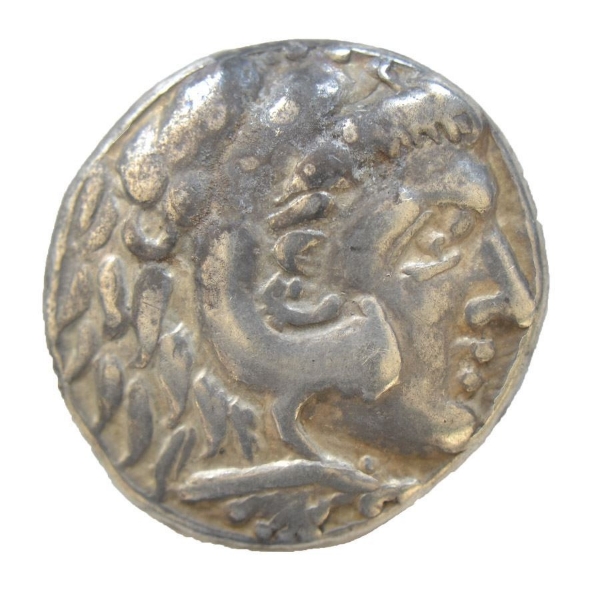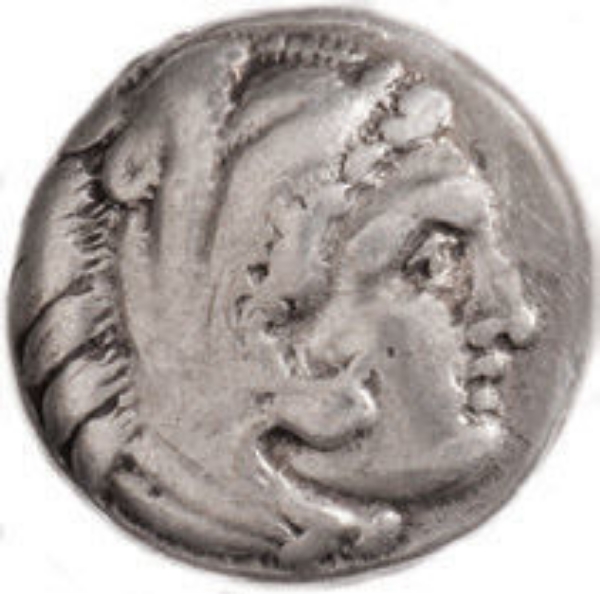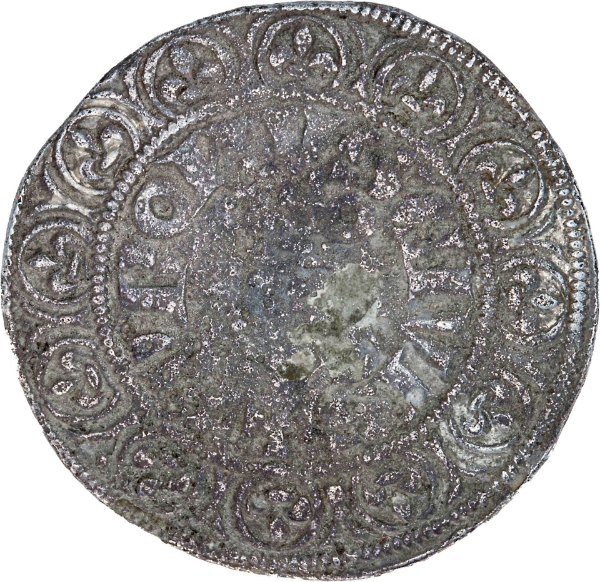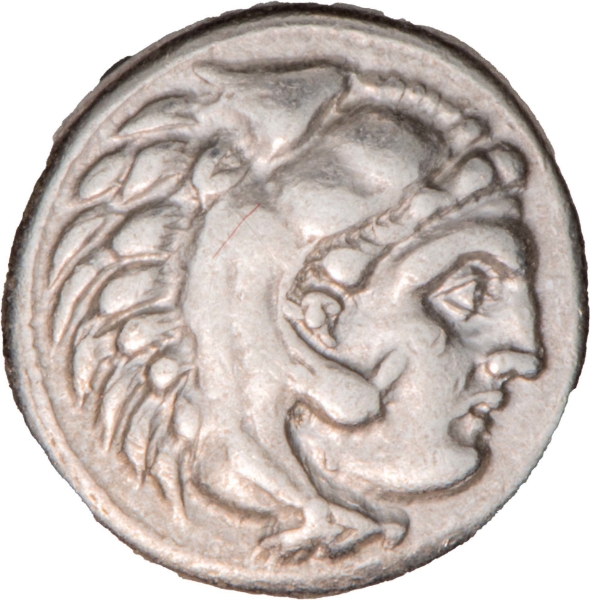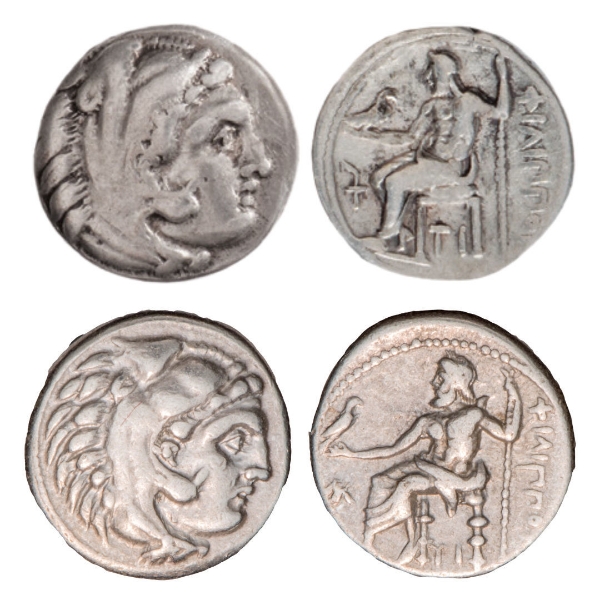
 - AG9803, AG9816.jpg)
Picture Source of Philip III Arrhidaeus: Wikipedia
The Shadow King: The Tragic Life of Philip III Arrhidaeus
When we talk about ancient Macedonia, the spotlight naturally falls on Alexander the Great. He conquered the known world, rode a horse named Bucephalus, and generally lived life at 110% volume. But hiding in the background of Alexander’s brilliance was a figure who is often forgotten—his half-brother, Philip III Arrhidaeus.
Imagine being the brother of a god. Now, imagine trying to survive in a royal court known for poisonings, assassinations, and power-hungry generals, all while dealing with a significant learning disability. That was Arrhidaeus’s reality. He wasn't the conqueror; he was the survivor (until he wasn't).
In this post, we’re going to look past the "Great" Alexander and focus on the man who sat on the throne after him—a king who was a pawn in everyone else’s game, yet whose life gives us a front-row seat to the collapse of an empire.
Key Takeaways
A Survivor of Court Intrigue: Philip III (born Arrhidaeus) survived the purge of potential heirs that usually happened when a new Macedonian king took power, largely because he was seen as no threat due to his mental disability.
The Puppet King: He became king not by merit, but because the Macedonian infantry needed a representative of Philip II’s bloodline to counter the ambitious generals after Alexander’s death.
A Warrior Wife: His wife, Adea-Eurydice, was a formidable woman who tried to fight his battles for him, challenging the most powerful generals in the world.
A Tragic End: His reign ended violently at the hands of his stepmother, Olympias, marking a brutal chapter in the Wars of the Diadochi.
The "Half-Witted" Prince?
Philip III started life simply as Arrhidaeus. He was the son of King Philip II (Alexander’s dad) and a woman named Philinna of Larissa. Philinna was often dismissed by historians as a "common dancer," but she was likely from a noble Thessalian family(1).
Arrhidaeus grew up in the shadow of the heir, Alexander. Ancient sources tell us that Arrhidaeus suffered from a mental disability. He was described as having a pleasant personality but being slow of mind. The scandal-loving historian Plutarch claims this wasn't natural—he points the finger at Olympias (Alexander’s intense and terrifying mother), accusing her of poisoning Arrhidaeus as a child to stunt his growth and protect Alexander’s claim to the throne(2).
Whether it was poison or a natural condition, his disability actually saved his life. When Alexander took the throne and eliminated rivals, he spared Arrhidaeus. Why kill a brother who poses no threat? Alexander even took Arrhidaeus on his campaigns, perhaps to keep an eye on him, or perhaps out of genuine brotherly affection.
The Crisis at Babylon
Flash forward to 323 BC. Alexander the Great dies suddenly in Babylon. He leaves no clear heir—only a pregnant wife (Roxana) and a room full of panic.
This moment was Arrhidaeus's unexpected rise to glory. The Macedonian generals (the cavalry) wanted to wait for Roxana's baby to be born. The common soldiers (the infantry), however, hated the idea of waiting for a half-Persian baby. They wanted a true Macedonian king, right now.
They rioted and declared Arrhidaeus the King. To prevent a civil war, a compromise was reached: Arrhidaeus would be King Philip III, and if Roxana’s baby was a boy, they would rule together as joint kings(3).
The Puppet and the Warrior Queen
Let’s be honest: Philip III was a king in name only. The real power lay with the Regent, Perdiccas, and later Antipater. Philip III was dragged around the empire like a piece of royal luggage, signing papers he likely didn't understand.
But then entered Adea, later known as Eurydice.
She was Philip III’s niece and became his wife. Unlike her husband, Eurydice was a firecracker. She was trained in warfare, ambitious, and refused to let her husband be a puppet. She actually tried to incite the army to mutiny against the generals to give Philip real power(4). For a brief moment, it looked like this husband-and-wife duo—the disabled king and the warrior queen—might actually take control.
The Fatal Family Reunion
The story ends in tragedy, as Macedonian stories often do. In 317 BC, Philip III and Eurydice returned to Macedonia, but they ran into a buzzsaw named Olympias.
Olympias had allied with a general named Polyperchon to protect the rights of her grandson (Alexander’s son). She saw Philip III and Eurydice as usurpers. When the two armies met, Philip’s soldiers deserted him the moment they saw Olympias, the mother of the Great Alexander.
Philip III and Eurydice were captured. On Christmas Day (or the equivalent time) in 317 BC, Olympias had Philip III executed—some sources say stabbed, others say starved. Eurydice was forced to commit suicide(5).
Legacy: The Tomb at Vergina
For a long time, Philip III was a footnote. But in the 1970s, archaeologists discovered the stunning Royal Tombs at Vergina in Greece. Inside Tomb II, they found a golden larnax (chest) with bones and armor.
For decades, debate has raged: Is this the tomb of Philip II (the father) or Philip III (the son)? While popular belief leans toward Philip II, many modern forensic anthropologists and historians argue that the bones show no signs of Philip II's famous war wounds (like his missing eye). Instead, the evidence—including the glitzy armor that looks unused—might actually belong to our quiet, tragic King Philip III Arrhidaeus, buried with royal honors by his enemies to claim legitimacy(6).
FAQs
1. Was Philip III Arrhidaeus totally incapable of ruling? Historical consensus suggests he had significant cognitive impairments. While he could perform religious rituals, he was unable to make complex political or military decisions, making him entirely dependent on his regents and his wife.
2. Did Philip III leave any children? No. His marriage to Eurydice was relatively short and took place amidst constant warfare and travel. They had no children before their execution in 317 BC.
3. Why did the army support him if he was disabled? The Macedonian infantry was intensely loyal to the Argead dynasty (the bloodline of Philip II and Alexander). They preferred a disabled adult male of "pure" Macedonian blood over a half-Persian infant (Alexander IV) or a non-royal general.
References
Carney, E.D. (2006). Olympias: Mother of Alexander the Great. New York: Routledge.
Plutarch. Life of Alexander, 77.5.
Green, P. (1990). Alexander to Actium: The Historical Evolution of the Hellenistic Age. Berkeley: University of California Press.
Macurdy, G.H. (1932). Hellenistic Queens: A Study of Woman-Power in Macedonia, Seleucid Syria, and Ptolemaic Egypt. Baltimore: Johns Hopkins Press.
Diodorus Siculus. Library of History, 19.11.
Borza, E.N. and Palagia, O. (2007). 'The Chronology of the Macedonian Royal Tombs at Vergina'. Jahrbuch des Deutschen Archäologischen Instituts, 122, pp. 81-125.