.jpg)
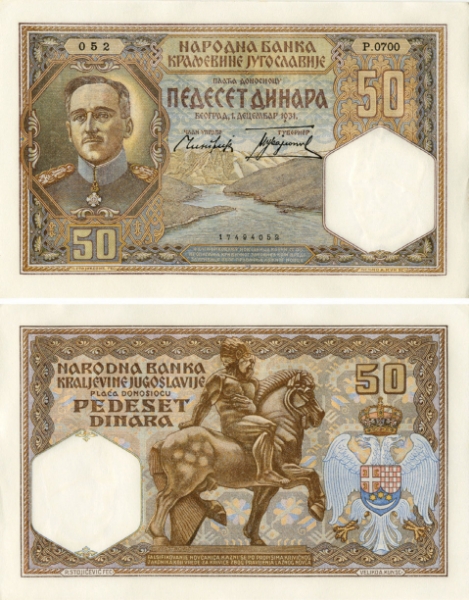
Picture Source of King Marko Kraljevic: Wikipedia
King Marko Kraljević stands as one of the most fascinating figures in Balkan history, whose actual life has been eclipsed by his legendary status in folklore and epic poetry. Though historically a ruler of modest significance, Marko has become an enduring cultural icon across the South Slavic nations, particularly among Serbs, Macedonians, and Bulgarians.
Historical Background
Born around 1335, Marko Mrnjavčević (as he was historically known) was the son of King Vukašin, who co-ruled with Serbian Tsar Stefan Uroš V. His father held lands in northwestern Macedonia and Kosovo during a period characterized by the gradual disintegration of the Serbian Empire.
In 1370 or 1371, Marko was crowned "young king" by his father, a title that positioned him as a potential successor to the childless Tsar Uroš. However, fate intervened when King Vukašin was killed in the Battle of Maritsa on September 26, 1371. When Tsar Uroš died approximately two months later, Marko technically became king of the Serbian lands, but the reality proved quite different.
Reign as a Regional Lord
Despite his formal title, Serbian noblemen who had become effectively independent refused to recognize Marko as their supreme ruler. His authority diminished rapidly, and by 1377, significant portions of the territory he had inherited were seized by other noblemen. Marko became merely a regional lord controlling a relatively small territory in western Macedonia.
One of his notable accomplishments was funding the construction of the Monastery of Saint Demetrius near Skopje (now known as Marko's Monastery), which was completed in 1376.
Ottoman Vassalage and Death
Following the Ottoman victories in the region, Marko became a vassal to the Ottoman sultan, a position that would later create a fascinating contradiction in his legendary portrayal. On May 17, 1395, Marko met his end at the Battle of Rovine in Wallachia (now Romania), fighting for the Ottoman forces against the Wallachian prince Mircea the Old.
The Legendary Hero
While Marko's historical significance was limited, his transformation into a cultural icon is remarkable. In Serbian epic poetry, he is known as "Kraljević Marko" (Prince Marko or King's Son), a title that became attached to his name in the oral tradition.
The epic Marko is portrayed as having lived 300 years, allowing him to interact with historical figures from the 14th to 16th centuries. The poems, composed by anonymous Serbian poets during the Ottoman occupation, depict him as joyous, just, incredibly strong, and chivalrous to a fault.
Despite his historical vassalage to the Ottomans, the legendary Marko is depicted as an implacable foe of the Turks, creating an interesting historical contradiction that speaks to the psychological needs of the Balkan peoples under Ottoman rule.
Cultural Impact
Marko Kraljević's cultural impact extends far beyond epic poetry. During the 19th century, he became the subject of several dramatic works, including Hungarian dramas in 1831 and 1838, and works by Serbian, Croatian, and Italian playwrights.
Of all Serbian epic or historical figures, Marko is considered to have provided the most inspiration to visual artists. His oldest known depictions are 14th-century frescoes from Marko's Monastery and Prilep.
Legacy
Today, Marko Kraljević remains a unifying cultural figure across the Balkans. His transformation from a minor historical king who served as an Ottoman vassal into a legendary defender against Ottoman oppression represents a fascinating case of how folklore can reshape history to meet the psychological and cultural needs of a people.
His legend continues to inspire new generations of artists, writers, and cultural figures, cementing his position as one of the most enduring heroes of Balkan folklore and a symbol of resistance against oppression.