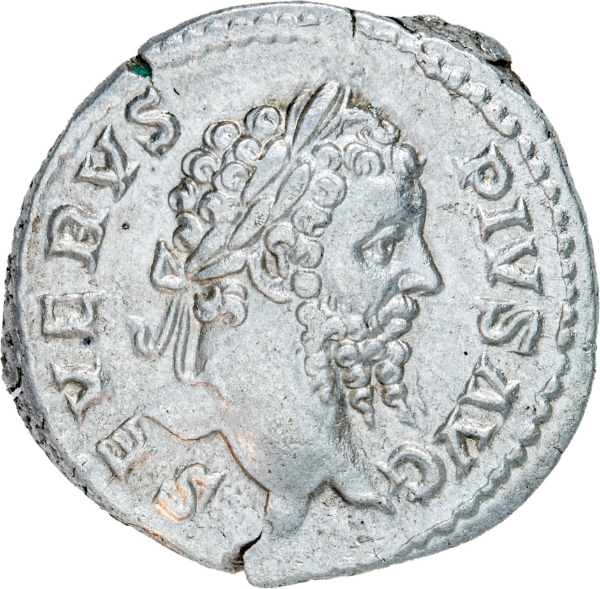
.jpg)
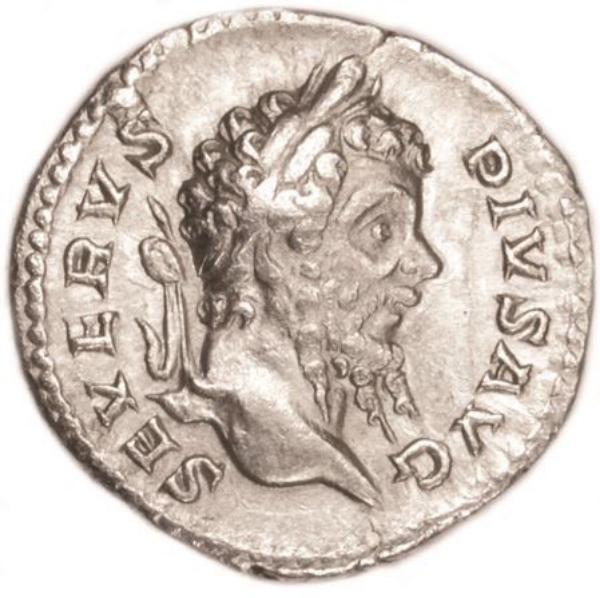
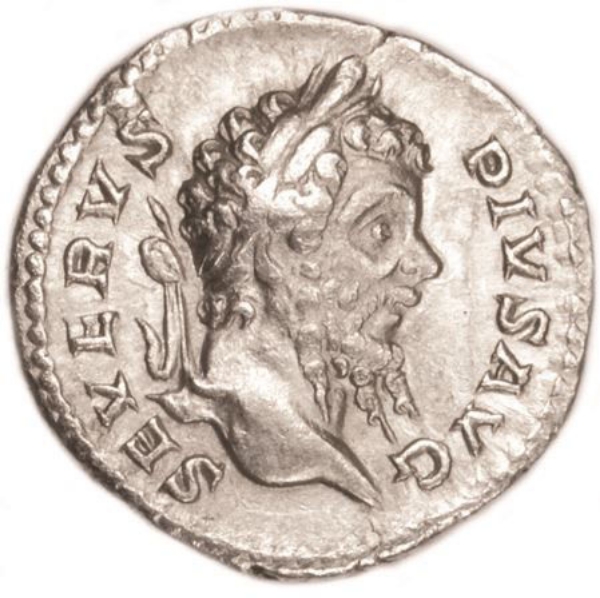
Picture Source of Septimius Severus: Wikipedia
Introduction to Septimius Severus
Septimius Severus, a prominent figure in Roman history, rose to prominence during a tumultuous era. Born in the Roman province of Africa, he ascended the throne as the first African Emperor of Rome. His reign marked a significant shift in the Roman Empire's leadership dynamics, introducing a fresh perspective to governance and military strategy. Severus' reign is often seen as a transitional period that shaped the future of Rome, blending traditional Roman values with new influences.
Severus' background was a blend of different cultures. Born in Leptis Magna (modern-day Libya), his heritage included Punic, Roman, and Berber elements. This diverse upbringing allowed him to navigate complex political landscapes, aligning himself with various factions to consolidate power. His early life experiences equipped him with the skills necessary to manoeuvre through the intricate web of Roman politics.
His assumption of power was not a straightforward affair. The Roman Empire, at the time, was plagued by internal strife, with multiple claimants to the throne. Severus' strategic acumen and military prowess enabled him to rise above his rivals, establishing himself as a formidable leader. His journey to the throne was marked by a series of tactical decisions that showcased his ability to lead and inspire loyalty among his followers.
Early Life and Rise to Power
Septimius Severus was born on 11 April 145 AD. From an early age, he demonstrated an aptitude for leadership and an ambition that set him apart from his peers. His family's status in Leptis Magna provided him with opportunities to receive a comprehensive education, which laid the foundation for his future endeavours. His early exposure to Roman law and governance set him on a path toward a significant political career.
Severus' political career began in earnest when he moved to Rome. His charisma and intellect quickly won him the favour of influential figures, allowing him to climb the political ladder. He held various positions, including that of a senator, which further honed his skills in governance. His ability to engage with diverse groups and navigate complex political terrains was instrumental in his ascent to power.
The turning point in Severus' career came with the death of Emperor Pertinax. The ensuing power vacuum led to a period of chaos known as the Year of the Five Emperors. Severus capitalised on this turmoil, rallying his troops and asserting his claim to the throne. Through a combination of military might and strategic alliances, he emerged victorious, cementing his place as the ruler of the Roman Empire.
Military Achievements of Septimius Severus
Septimius Severus is often remembered for his military campaigns, which significantly expanded and secured the Roman Empire's borders. His military strategies were innovative, reflecting his understanding of both traditional Roman tactics and adaptive warfare. His campaigns in the east against the Parthians were particularly noteworthy, as they reinforced Rome's dominance in the region.
Severus' military prowess was further demonstrated in his campaigns in Britain. He embarked on an ambitious project to strengthen the Empire’s presence there, revitalising Roman fortifications and engaging in battles to subdue local tribes. His efforts culminated in the building of the Antonine Wall, a testament to his strategic foresight and commitment to securing Rome's frontiers.
His military successes were not without challenges. Severus faced multiple uprisings and threats from internal factions. However, his ability to maintain discipline and loyalty among his troops ensured that he remained in control. His military achievements not only expanded Rome’s territories but also solidified his reputation as a formidable and respected leader.
Reforms and Policies Implemented
Septimius Severus' reign was characterised by a series of reforms and policies that reshaped the Roman Empire. Recognising the need for a robust and loyal military, he enacted measures to strengthen the legions. He increased soldiers' pay and allowed them to marry, fostering loyalty and stability within the ranks. These changes had a lasting impact, enhancing the military's effectiveness and cohesion.
In addition to military reforms, Severus implemented various administrative changes. He restructured the Roman bureaucracy, streamlining operations and reducing corruption. By appointing capable administrators and reducing the influence of the Senate, he ensured more efficient governance. These reforms laid the groundwork for a more centralised and responsive administrative system.
Severus also focused on legal reforms, emphasising justice and fairness. He introduced measures to protect the rights of individuals, ensuring that the legal system was more accessible and equitable. His commitment to justice extended to all citizens of the Empire, regardless of their social status. These reforms reflected his vision of a more inclusive and equitable society.
The Severan Dynasty: Impact on Rome
The establishment of the Severan Dynasty marked a significant turning point in Roman history. Under Severus' leadership, the Empire experienced a period of relative stability and prosperity. His dynasty, however, was not without its challenges. The succession of his sons, Caracalla and Geta, led to internal strife and discord, ultimately weakening the dynasty's hold on power.
Despite these challenges, the Severan Dynasty left a lasting impact on Rome. Severus' policies and reforms set the stage for subsequent rulers, influencing governance and military strategy for years to come. His emphasis on military strength and administrative efficiency became hallmarks of the Severan approach to leadership, influencing the direction of the Roman Empire.
The cultural and architectural contributions of the Severan Dynasty were also significant. Under Severus' reign, Rome saw a flourishing of art and architecture, reflecting the Emperor's vision of a revitalised and grandiose Empire. These contributions left an indelible mark on Roman culture, shaping the artistic and architectural landscape for generations.
Architecture and Infrastructure Under Severus
Architecture and infrastructure flourished during the reign of Septimius Severus, reflecting his commitment to revitalising the Empire. One of his most notable architectural achievements was the Arch of Septimius Severus, constructed in the Roman Forum. This magnificent structure commemorated his victories and stood as a symbol of his power and vision for Rome.
Severus also initiated numerous infrastructure projects aimed at improving the daily lives of Roman citizens. He invested in the construction and renovation of roads, aqueducts, and public buildings, enhancing connectivity and accessibility throughout the Empire. These projects not only facilitated trade but also improved communication and administration across vast territories.
His architectural contributions extended beyond Rome. In his birthplace of Leptis Magna, Severus embarked on an ambitious project to transform the city into a cultural and commercial hub. The Severan Basilica and the expansion of the harbour are testaments to his vision for urban development. These projects reflected his desire to leave a lasting legacy through monumental and transformative architecture.
Legacy and Historical Significance
The legacy of Septimius Severus is multifaceted, encompassing military, political, and cultural dimensions. His reign marked a period of significant transformation in the Roman Empire, influencing subsequent generations of rulers. Severus' military reforms and campaigns expanded the Empire’s boundaries, while his administrative changes enhanced governance and stability.
Severus' emphasis on legal reforms and justice left a profound impact on Roman law. His efforts to create a more equitable legal system resonated throughout the Empire, setting a precedent for future legal developments. His commitment to justice and fairness reflected a broader vision of an inclusive and cohesive society.
The cultural contributions of Severus' reign also had a lasting impact. His patronage of the arts and architecture fostered a vibrant cultural environment, enriching the Roman Empire’s artistic heritage. The structures and artefacts from his reign continue to be celebrated as symbols of Roman grandeur and innovation.
Cultural Contributions during His Reign
The reign of Septimius Severus was a period of cultural vibrancy, marked by significant contributions to the arts and architecture. Under his patronage, the Roman Empire experienced a renaissance in artistic expression, with an emphasis on monumental architecture and intricate artwork. These cultural developments reflected Severus' vision of a dynamic and flourishing Empire.
One of the most notable cultural contributions of Severus' reign was the construction of the Severan Marble Plan, a detailed map of Rome carved into marble. This ambitious project underscored the importance of urban planning and architecture in Severus' vision for Rome. The map served as a valuable resource for historians and archaeologists, providing insights into the city's layout during his time.
Severus also fostered a climate of intellectual and artistic exchange, encouraging the blending of different cultural influences. His support for artists, architects, and scholars led to the creation of works that combined Roman traditions with elements from the broader Mediterranean world. This cultural synthesis enriched the Roman Empire's artistic landscape, leaving a lasting legacy of creativity and innovation.
The End of the Severan Dynasty
The decline of the Severan Dynasty was marked by political instability and internal strife. The succession of Severus' sons, Caracalla and Geta, was fraught with tension, culminating in their violent conflict. Caracalla's eventual ascension to power was characterised by a period of turmoil and unrest, weakening the dynasty's hold on the Empire.
Despite these challenges, the Severan Dynasty's impact on Rome endured beyond its decline. The reforms and policies implemented during Severus' reign continued to influence the Empire's governance and military strategy. His legacy of strong leadership and visionary governance left an indelible mark on Roman history.
The end of the Severan Dynasty marked the beginning of a new era in Roman history. The challenges faced by the dynasty underscored the complexities of imperial rule and succession, highlighting the need for strong and effective leadership. Despite its eventual decline, the Severan Dynasty's contributions to Rome's development and cultural heritage remain significant.
The Lasting Influence of Septimius Severus
Septimius Severus' reign was a transformative period in Roman history, marked by significant achievements in military strategy, governance, and cultural development. His legacy is a testament to his visionary leadership and commitment to revitalising the Roman Empire. Through his reforms and policies, Severus set the stage for a new era in Roman history, influencing subsequent generations of rulers.
His contributions to architecture and infrastructure, as well as his patronage of the arts, enriched the cultural landscape of the Empire. The structures and artefacts from his reign continue to inspire admiration and study, reflecting his enduring impact on Roman culture. Severus' emphasis on justice and legal reform also left a lasting legacy, shaping the development of Roman law.
In reflecting on the legacy of Septimius Severus, it is clear that his influence extended far beyond his time as Emperor. His vision for a dynamic and prosperous Empire continues to resonate in the annals of history, serving as a reminder of the enduring power of visionary leadership. As we explore the life and achievements of Septimius Severus, we are reminded of the importance of strong leadership and innovative thinking in shaping the course of history.