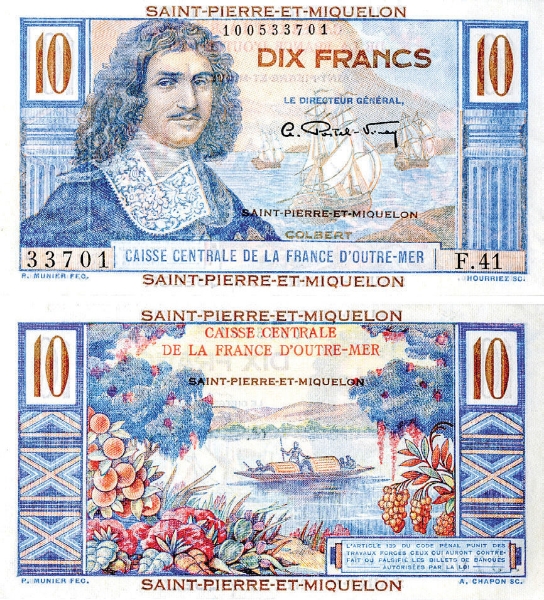
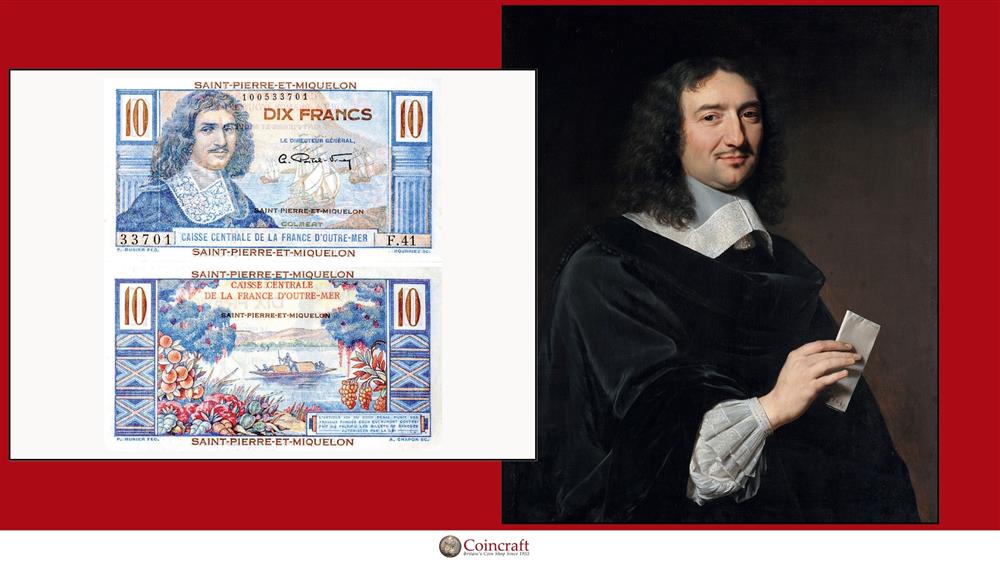
Picture Source of Jean Baptiste Colbert St Pierre: Wikipedia
Introduction to Jean-Baptiste Colbert
Jean-Baptiste Colbert, a name synonymous with the economic transformation of France in the 17th century, stands as a pivotal figure in the history of economic thought. As a principal minister under King Louis XIV, Colbert's influence extended far beyond the court, shaping the very foundations of modern economic policy in France. His strategies were instrumental in positioning France as a major European power, setting the stage for future economic theories and practices.
Colbert's economic philosophy revolved around the idea that a strong nation is built on the pillars of commerce and industry. He believed in the potential of a well-structured economy to elevate the status of a nation, both domestically and internationally. His policies, therefore, focused on enhancing the efficiency of manufacturing, increasing exports, and reducing the dependency on foreign imports. Through meticulous planning and execution, Colbert aimed to create a self-sustaining economy that would support the grandeur of the French monarchy.
The legacy of Jean-Baptiste Colbert is evident in the continued study of his economic policies, which remain a subject of interest for historians and economists alike. By examining his life and work, we gain insights into the origins of several economic principles that continue to influence contemporary economic strategies. This article delves into the intricacies of Colbert's life, his pivotal role in the French government, and the lasting impact of his economic reforms.
Early Life and Influences
Jean-Baptiste Colbert was born on August 29, 1619, in Reims, France, into a family of merchants. His early exposure to commerce and trade laid the groundwork for his future endeavours in economic policy. The bustling trade environment of Reims provided him with firsthand experience of the economic dynamics that would later inform his policies. From a young age, Colbert demonstrated a keen intellect and an aptitude for financial matters, traits that would serve him well in his illustrious career.
Colbert's education was heavily influenced by the mercantile ethos of his family, which emphasised the importance of trade as a cornerstone of economic prosperity. He was taught the intricacies of commerce, accounting, and management, skills that would prove invaluable in his later role as a statesman. These early experiences shaped his belief in the power of a regulated economy, where state intervention could stimulate industrial growth and enhance national wealth.
The socio-political context of 17th-century France also played a crucial role in shaping Colbert's economic ideology. The period was marked by political turmoil and economic instability, prompting a need for strong leadership and innovative economic solutions. Colbert's ascent to power coincided with a time of great change, both in France and across Europe, as nations grappled with the challenges of modernisation and economic development. His ability to navigate these complexities was a testament to his vision and foresight.
Colbert's Role in the French Government
Jean-Baptiste Colbert's entry into the French government marked the beginning of a transformative era in the country's economic history. Appointed as the Controller-General of Finances in 1665, Colbert was tasked with revitalising the French economy, which was plagued by debt and inefficiency. His appointment was a strategic move by King Louis XIV, who sought a capable administrator to execute his vision of a prosperous and powerful France.
As Controller-General, Colbert embarked on an ambitious programme of economic reform, focusing on fiscal discipline and administrative efficiency. He implemented measures to streamline tax collection, reduce corruption, and increase state revenue. By establishing a more transparent and accountable financial system, Colbert aimed to restore public confidence in the government's economic management. His efforts were instrumental in stabilising the French economy and setting the stage for further growth and development.
In addition to his financial responsibilities, Colbert played a crucial role in shaping France's industrial and commercial policies. He advocated for the expansion of domestic industries, particularly in textiles, mining, and shipbuilding, to reduce dependency on foreign imports. By promoting the development of these sectors, Colbert sought to create a robust industrial base that would support France's economic ambitions and enhance its competitive edge in international trade.
Key Economic Policies Implemented by Colbert
Jean-Baptiste Colbert's economic policies were characterised by a strong emphasis on mercantilism, a doctrine that advocated for government intervention in the economy to enhance national wealth and power. Colbert's belief in the mercantilist approach was evident in his efforts to bolster French industry and trade through a series of targeted reforms. These measures were designed to maximise exports, minimise imports, and create a favourable balance of trade for France.
One of Colbert's most significant policy initiatives was the establishment of state-sponsored industries, known as "manufactures royales." These enterprises were supported by government subsidies and protectionist measures, allowing them to thrive in a competitive market environment. By fostering the growth of key industries, such as textiles, glass, and luxury goods, Colbert aimed to position France as a leader in high-quality manufacturing, thereby increasing its export potential.
In addition to promoting domestic industry, Colbert also sought to enhance France's maritime capabilities. He recognised the importance of a strong naval presence in securing trade routes and expanding France's overseas markets. To this end, Colbert implemented a series of measures to modernise the French navy, including the construction of new warships and the establishment of naval academies. These efforts were instrumental in strengthening France's position as a dominant maritime power.
Impact of Colbert's Reforms on French Trade
The economic reforms implemented by Jean-Baptiste Colbert had a profound impact on French trade, both domestically and internationally. By expanding the country's industrial base and enhancing its naval capabilities, Colbert laid the groundwork for increased commercial activity and economic growth. His policies were instrumental in transforming France into a major player in the European trade arena, with far-reaching implications for the nation's economic development.
One of the key outcomes of Colbert's reforms was the diversification of French exports. By promoting the production of high-quality goods, such as textiles, glassware, and luxury items, Colbert enabled France to capture new markets and increase its export revenues. This diversification not only boosted the country's economic standing but also reduced its reliance on foreign imports, contributing to a more balanced trade portfolio.
Colbert's efforts to strengthen France's maritime capabilities also had a significant impact on the nation's trade dynamics. With a modernised and powerful navy, France was better equipped to protect its commercial interests and expand its reach into new markets. This expansion facilitated the growth of French colonial possessions and increased the flow of goods and resources between the metropole and its colonies. As a result, France's economic influence extended beyond Europe, solidifying its status as a global trading power.
The Legacy of Colbert in Modern Economics
Jean-Baptiste Colbert's contributions to economic thought and policy have left an enduring legacy that continues to influence modern economics. His emphasis on state intervention and the strategic development of key industries laid the foundations for the modern concept of industrial policy. By recognising the importance of a strong, diversified economy, Colbert's ideas have resonated with policymakers and economists throughout history.
Colbert's legacy is particularly evident in the continued relevance of mercantilism as a framework for understanding economic policy. While the doctrine has evolved over time, its core principles of government intervention and the promotion of national interests remain central to contemporary economic debates. Colbert's approach to economic management has influenced the development of various economic theories and models, including those that emphasise the role of the state in fostering industrial growth and innovation.
Furthermore, Colbert's impact on modern economics extends to the field of economic history, where his policies serve as a case study for understanding the dynamics of state-led economic development. By analysing Colbert's strategies and their outcomes, historians and economists can gain valuable insights into the challenges and opportunities associated with economic planning and reform. His work continues to inspire scholarly inquiry and debate, highlighting the enduring significance of his contributions to the field.
Criticisms and Controversies Surrounding Colbert's Policies
Despite the successes of Jean-Baptiste Colbert's economic reforms, his policies were not without criticism and controversy. Some historians and economists have argued that his mercantilist approach, while effective in the short term, ultimately stifled innovation and hindered long-term economic growth. By prioritising state intervention and protectionism, Colbert's policies may have limited the potential for market-driven development and competition.
Critics have also pointed to the social and political implications of Colbert's reforms, particularly in terms of their impact on the lower classes. The emphasis on industrial expansion and export growth often came at the expense of the rural economy, leading to increased inequality and social unrest. The concentration of wealth and resources in the hands of a few powerful individuals and industries further exacerbated these disparities, raising questions about the fairness and sustainability of Colbert's economic model.
Additionally, some scholars have questioned the extent to which Colbert's policies were truly innovative or transformative. While he is often credited with laying the groundwork for modern economic theory, his ideas were largely rooted in existing mercantilist doctrines and practices. As such, his contributions may be seen as more evolutionary than revolutionary, building on the work of previous economic thinkers and policymakers.
Comparison of Colbert's Ideas with Contemporary Economic Theories
The economic ideas of Jean-Baptiste Colbert continue to resonate in contemporary economic discourse, offering valuable insights into the evolution of economic theory and policy. By comparing Colbert's mercantilist approach with modern economic theories, we can better understand the enduring relevance of his contributions and the ways in which his ideas have shaped the development of economic thought.
One of the key contrasts between Colbert's policies and contemporary economic theories lies in the role of the state. While Colbert advocated for strong government intervention and control, modern economic theories, such as neoliberalism, often emphasise the importance of free markets and limited government involvement. Despite these differences, there remains a recognition of the state's role in addressing market failures and promoting economic stability, reflecting the continued influence of Colbert's ideas.
Colbert's focus on industrial policy and the strategic development of key industries also finds parallels in contemporary economic theories, such as those related to industrial organisation and innovation systems. These theories emphasise the importance of targeted government support for industries that have the potential to drive economic growth and competitiveness. In this sense, Colbert's ideas have contributed to the ongoing debate about the balance between state intervention and market forces in fostering economic development.
Colbert's Enduring Influence on Economic Thought
Jean-Baptiste Colbert's legacy as the architect of modern French economics is a testament to his vision and foresight as a statesman and policymaker. His contributions to economic thought and policy have left an indelible mark on the history of economic development, influencing generations of economists and policymakers. By examining Colbert's life and work, we gain valuable insights into the origins of several economic principles that continue to shape contemporary economic strategies.
Colbert's emphasis on the strategic development of key industries, state intervention, and the promotion of national interests remains relevant in today's economic landscape. His ideas have resonated with policymakers and economists throughout history, highlighting the enduring significance of his contributions to the field. As we navigate the complexities of modern economic challenges, the lessons of Colbert's reforms serve as a reminder of the importance of visionary leadership and innovative thinking in shaping the future of economic policy.
For those interested in exploring the fascinating world of economic history and the legacy of influential figures like Jean-Baptiste Colbert, there is much to be learned from their contributions and insights. By delving into the intricacies of Colbert's economic philosophy and its impact on modern economics, we can better appreciate the enduring influence of his work and the continued relevance of his ideas in shaping the future of economic thought.