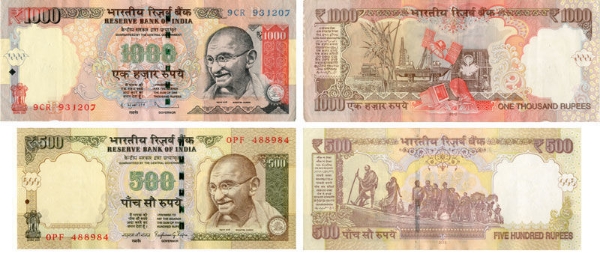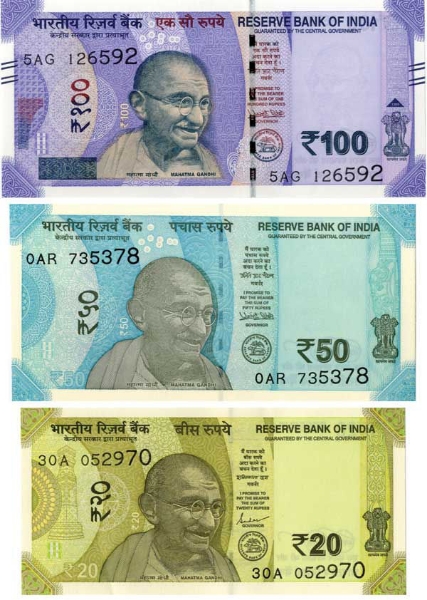
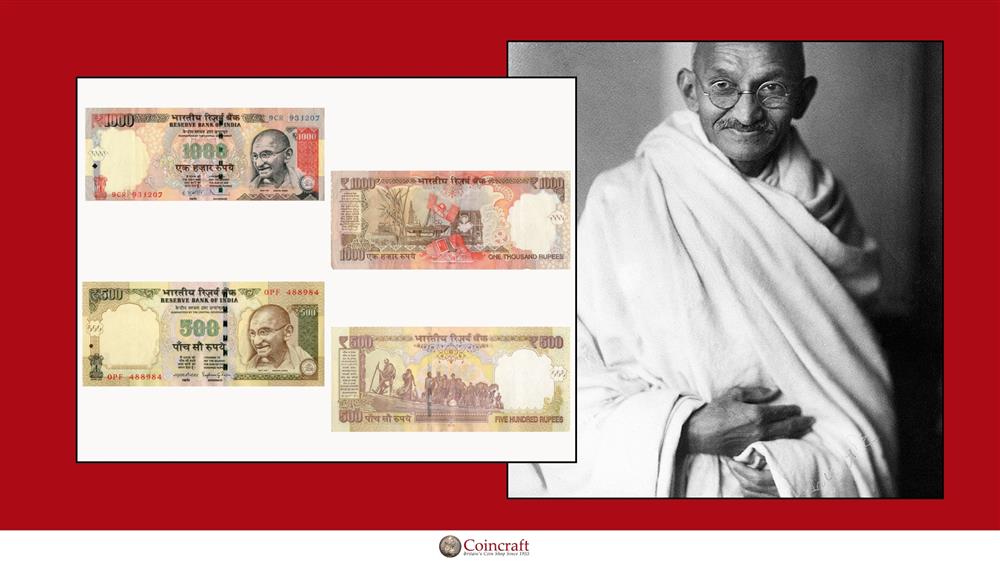
Picture Source of Mahatma Gandhi - Wikipedia
The Early Years: Shaping a Revolutionary
Mahatma Gandhi, widely recognised as a transformative figure in the pursuit of peace and social justice, was born on 2nd October 1869 in Porbandar, India. His early years were marked by a rich cultural heritage and a keen sense of morality instilled by his family. Growing up in a relatively privileged environment, he was exposed to various religious and social ideologies that would later influence his philosophy. The principles of truth and non-violence became the cornerstones of his belief system, shaping the revolutionary he would later become.
As a young man, Gandhi travelled to London to study law, a journey that would broaden his perspective significantly. Living in a foreign land, he faced racial discrimination, which opened his eyes to the harsh realities of inequality. This experience ignited a passion within him to fight against injustice, not only for himself but for the oppressed masses back home. The seeds of his future activism were sown during this time, as he began to realise that the fight for justice was not merely a personal battle but a collective struggle.
Upon returning to India, Gandhi initially worked as a lawyer. However, he soon realised that his true calling lay in advocating for social reforms. His early efforts in South Africa, where he fought against discrimination faced by Indians, were foundational in developing his methods of non-violent resistance. The lessons learned during this period were pivotal; they provided him with a framework for leadership that would inspire millions in India and across the globe.
Gandhi's Philosophy of Non-violence and Civil Disobedience
At the heart of Gandhi's activism was his profound belief in ahimsa, or non-violence. This principle was not merely a tactic; it was a way of life that stemmed from his deep spiritual beliefs. Gandhi argued that violence begets violence, and true change could only be achieved through peaceful means. He encouraged individuals to resist oppression by refusing to comply with unjust laws and to engage in civil disobedience as a form of protest.
Civil disobedience became a powerful tool in Gandhi's arsenal. He understood that mass participation in non-violent protests could disrupt the status quo and attract international attention. His approach was inclusive, appealing to diverse segments of Indian society. This inclusivity made his movement more robust, as it united people across caste, class, and regional lines. Gandhi's philosophy of non-violence was rooted in the idea that everyone has the capacity for compassion and that change could be achieved without bloodshed.
In this context, Gandhi's teachings resonate deeply with contemporary social movements. Activists worldwide draw inspiration from his methods, advocating for civil rights through peaceful protests. The principles of non-violence and civil disobedience that Gandhi championed remain relevant, reminding us that moral power can triumph over physical force. His legacy continues to inspire activists, reminding us that the path to justice is often paved with patience and perseverance.
The Salt March: A Pivotal Moment in India's Freedom Struggle
One of the most iconic events in the Indian independence movement was the Salt March, which took place in March 1930. This 240-mile march from Sabarmati Ashram to the Arabian Sea was a bold act of civil disobedience against the British salt tax. Gandhi recognised that salt, a basic necessity, symbolised British oppression and exploitation. By marching to the sea to make salt, he aimed to challenge the unjust laws imposed upon the Indian populace.
The Salt March garnered significant attention, both domestically and internationally. It rallied thousands of Indians to join the cause, demonstrating the power of collective action. The event was strategically planned to highlight the injustices of colonial rule, showcasing Gandhi’s ability to turn a simple act into a powerful statement against oppression. The spectacle of thousands walking alongside Gandhi drew the world's gaze to India's struggle for independence, igniting a sense of nationalism among the people.
The impact of the Salt March was profound. It not only invigorated the independence movement but also provided a blueprint for future protests and civil rights movements worldwide. The event demonstrated that ordinary people could challenge authority through non-violent means. Gandhi's ability to mobilise the masses during this pivotal moment solidified his status as a leader and a symbol of resistance against tyranny, inspiring generations to come.
Mahatma Gandhi's Role in India's Independence Movement
Gandhi's pivotal role in India's struggle for independence cannot be overstated. His leadership transformed a fragmented movement into a cohesive force capable of challenging British colonial rule. By promoting mass mobilisation and grassroots activism, he empowered millions to participate in the fight for freedom. Gandhi's vision of an independent India was not merely political; it encompassed social and economic reforms aimed at uplifting the marginalized.
Throughout the 1920s and 1930s, Gandhi led numerous campaigns, including the Non-Cooperation Movement and the Quit India Movement. Each initiative was characterised by an emphasis on non-violent resistance and civil disobedience. His ability to articulate the aspirations of the Indian populace made him a beloved figure. People from diverse backgrounds rallied around him, recognising that their struggles for dignity were interconnected.
The culmination of Gandhi's efforts came on 15th August 1947, when India finally gained independence. However, this victory was bittersweet, as it was accompanied by the partition of the country. Gandhi's vision of a united India faced significant challenges, and the communal violence that erupted highlighted the complexities of nation-building. Despite these difficulties, Gandhi remained committed to fostering harmony among diverse communities, demonstrating his unwavering belief in the power of peace and reconciliation.
Gandhi's Influence on Global Civil Rights Leaders
Mahatma Gandhi's philosophy and methods extended far beyond the borders of India, influencing a myriad of global civil rights leaders. Figures such as Martin Luther King Jr. and Nelson Mandela drew inspiration from Gandhi's approach to non-violence and civil disobedience. They recognised that Gandhi's principles could be adapted to their respective struggles against racial injustice and oppression, creating a powerful legacy that transcended cultural and geographical boundaries.
Martin Luther King Jr. famously stated, "I am convinced that if we are to get on with the business of building a world of brotherhood, we must follow the example of Mahatma Gandhi." His commitment to non-violence during the Civil Rights Movement in the United States was deeply rooted in Gandhi's teachings. King’s philosophy of love and forgiveness echoed Gandhi’s belief that violence only begets more violence, inspiring countless individuals to engage in peaceful protests for justice.
Similarly, Nelson Mandela, during his fight against apartheid in South Africa, acknowledged Gandhi’s influence on his journey. Mandela embraced the principles of non-violence while also recognising the need for armed resistance when faced with brutal oppression. Gandhi's ability to unite people for a common cause served as a blueprint for Mandela, showcasing the power of leadership grounded in ethical principles. The legacy of Gandhi's influence continues to resonate, reminding us that the fight for justice is a universal struggle.
The Assassination of Mahatma Gandhi: A Nation in Mourning
The assassination of Mahatma Gandhi on 30th January 1948 sent shockwaves across India and the world. As he was walking to a prayer meeting, he was shot by Nathuram Godse, a nationalist who opposed Gandhi's inclusive vision for India. This tragic event marked a turning point in the nation's history, plunging the country into deep mourning. Gandhi's death was not just the loss of a leader; it was the loss of a moral compass for a nation striving to forge its identity.
In the wake of Gandhi's assassination, India grappled with its grief. Thousands gathered to pay their respects, reflecting the profound impact he had on the lives of ordinary people. The national mourning was palpable, as many felt a sense of personal loss. Gandhi's teachings, which emphasised peace, social justice, and communal harmony, became even more significant in the aftermath of his death. His legacy served as a reminder of the ideals he fought for and the need to continue his work.
Gandhi's assassination also sparked a critical dialogue on the role of violence in social movements. His unwavering commitment to non-violence stood in stark contrast to the act that claimed his life. In the years that followed, his philosophy gained renewed attention, as people sought to honour his memory by embracing his principles. The narrative of Gandhi as a martyr for peace solidified his status as an enduring symbol of non-violent resistance, influencing generations to come.
Gandhi's Legacy: Continuing Impact on Modern India
Mahatma Gandhi’s legacy is deeply woven into the fabric of modern India. His ideals of non-violence, truth, and social justice continue to resonate across the nation. As we navigate contemporary challenges, from social inequality to environmental concerns, Gandhi's teachings remain relevant. His emphasis on self-reliance and sustainable living is particularly poignant in today’s context, where the quest for economic development often clashes with ecological preservation.
The principles of Gandhian philosophy have also found expression in India's constitutional framework. The values of justice, equality, and secularism that he championed are enshrined in the Indian Constitution. These ideals serve as guiding principles for the nation, reminding us that the fight for social justice is an ongoing journey. As citizens, we bear the responsibility to uphold these values, ensuring that Gandhi's vision for a just society continues to thrive.
Moreover, Gandhi's legacy extends to grassroots movements that seek to empower the marginalized. Contemporary activists draw inspiration from his methods, employing non-violent resistance to challenge systemic injustices. The relevance of his teachings in modern India highlights the enduring power of his vision. As we reflect on Gandhi's contributions, we are reminded that the pursuit of peace and social change is a collective responsibility that transcends time.
Gandhian Principles in Contemporary Global Conflicts
In an increasingly interconnected world, the principles espoused by Mahatma Gandhi have found relevance in various contemporary global conflicts. From civil rights movements in the United States to struggles for democracy in authoritarian regimes, Gandhi's teachings provide a moral framework for peaceful resistance. Activists across the globe recognise that non-violence can be a powerful tool in confronting oppression and effecting meaningful change.
For instance, the Arab Spring saw numerous movements advocating for democratic reforms, often inspired by Gandhi’s approach to peaceful protest. Activists employed non-violent strategies to challenge authoritarian regimes, drawing parallels to Gandhi’s methods during India’s struggle for independence. The globalisation of communication has facilitated the sharing of ideas, allowing Gandhi's philosophy to inspire diverse movements fighting for social justice.
The ongoing conflicts in various regions, such as Myanmar and Palestine, illustrate the continued relevance of Gandhian principles. Activists advocating for human rights and justice often reference Gandhi’s belief in the power of collective action. His teachings remind us that peace is not merely the absence of violence but a proactive commitment to fostering understanding and reconciliation. As we engage with contemporary global conflicts, Gandhi's legacy serves as a guiding light, illuminating the path toward a more just world.
Mahatma Gandhi in Popular Culture: Films, Books, and Art
Mahatma Gandhi’s life and philosophy have made a significant impact on popular culture, inspiring countless films, books, and works of art. His story has been portrayed in various forms, each interpretation contributing to the collective understanding of his legacy. The film “Gandhi,” directed by Richard Attenborough, is perhaps the most notable cinematic representation. Released in 1982, it won several Academy Awards and played a crucial role in bringing Gandhi’s message of peace and non-violence to a global audience.
Literature has also played a pivotal role in disseminating Gandhi's teachings. Numerous biographies and analyses have explored his life, philosophy, and impact on the world. Books like "The Story of My Experiments with Truth" offer personal insights into his thoughts and experiences, making his philosophy accessible to a broader audience. These written works not only celebrate his achievements but also encourage readers to engage with his principles in their own lives.
Artistic representations of Gandhi have adorned public spaces and galleries, serving as constant reminders of his legacy. Statues and murals depicting Gandhi are found in various countries, symbolising the global recognition of his contributions to peace and social justice. Through popular culture, Gandhi's message continues to resonate, inspiring new generations to embrace the ideals of non-violence and compassion in their quest for social change.
Criticisms and Controversies Surrounding Gandhi's Life and Work
While Mahatma Gandhi is celebrated as a champion of peace, his life and work are not without criticisms and controversies. Some have argued that his views on caste and gender were regressive, reflecting the complexities of his time. Critics point to instances where his approach may have perpetuated social hierarchies rather than dismantling them completely. These criticisms prompt us to engage in nuanced discussions about his legacy, acknowledging both his contributions and shortcomings.
Additionally, Gandhi's stance on certain political matters, particularly during the partition of India, has been the subject of debate. Some contend that his commitment to non-violence hindered the urgency of the independence struggle, while others argue that his vision for communal harmony was idealistic in the face of growing tensions. These discussions are vital in understanding the multifaceted nature of his leadership and the challenges he confronted.
Engaging with these criticisms does not diminish Gandhi's impact; rather, it enriches our understanding of his legacy. It encourages us to reflect on how we can apply his principles in a contemporary context while remaining aware of the complexities of social justice movements. By acknowledging both the strengths and weaknesses of his philosophy, we foster a more comprehensive dialogue about the ongoing pursuit of peace and equity.
Gandhi's Vision for a Self-reliant India: Relevance in the 21st Century
Gandhi envisioned a self-reliant India, where communities would thrive through sustainable practices and local economies. His emphasis on Swadeshi—the idea of self-sufficiency and reliance on local resources—resonates deeply in the 21st century. As we grapple with global economic challenges and environmental crises, Gandhi's vision serves as a guiding principle for fostering sustainable development.
In contemporary discourse, the importance of supporting local economies and prioritising environmentally friendly practices has gained traction. Movements advocating for organic farming, ethical consumerism, and fair trade align with Gandhi's principles, encouraging individuals to take responsibility for their choices. By prioritising local resources, we not only empower communities but also contribute to a more sustainable future.
Furthermore, Gandhi's emphasis on social equity and inclusivity is more relevant than ever. In a world marked by inequality and division, his teachings encourage us to build bridges and foster understanding among diverse communities. By embracing his vision for a self-reliant society, we can work towards creating a world that prioritises compassion, sustainability, and social justice for all.
Commemorating the Mahatma: Gandhi's Enduring Global Influence
As we reflect on Mahatma Gandhi's life and contributions, it is essential to recognise the ongoing global influence of his philosophy. International observances such as Gandhi Jayanti on 2nd October serve as reminders of his legacy, prompting discussions on peace, non-violence, and social justice. These commemorative events encourage individuals and communities to engage with his teachings, inspiring collective action towards a more equitable world.
Gandhi's influence extends to various global movements advocating for human rights and environmental justice. His principles have been embraced by activists and leaders seeking to address contemporary challenges, reinforcing the idea that the pursuit of justice is a shared responsibility. The global recognition of Gandhi's contributions highlights the universal relevance of his philosophy, inspiring individuals to adopt non-violent approaches in their struggles for social change.
In conclusion, Mahatma Gandhi's life and teachings continue to resonate across the globe. His commitment to peace, social justice, and non-violence serves as a beacon of hope in our ongoing quest for a better world. As we honour his legacy, let us engage with his principles, striving to embody the values he championed in our daily lives. Together, we can work towards creating a future that reflects Gandhi's vision of compassion and justice for all.