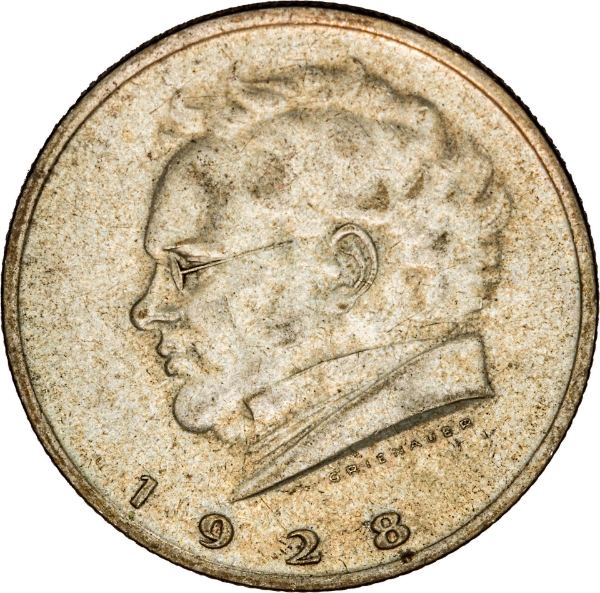
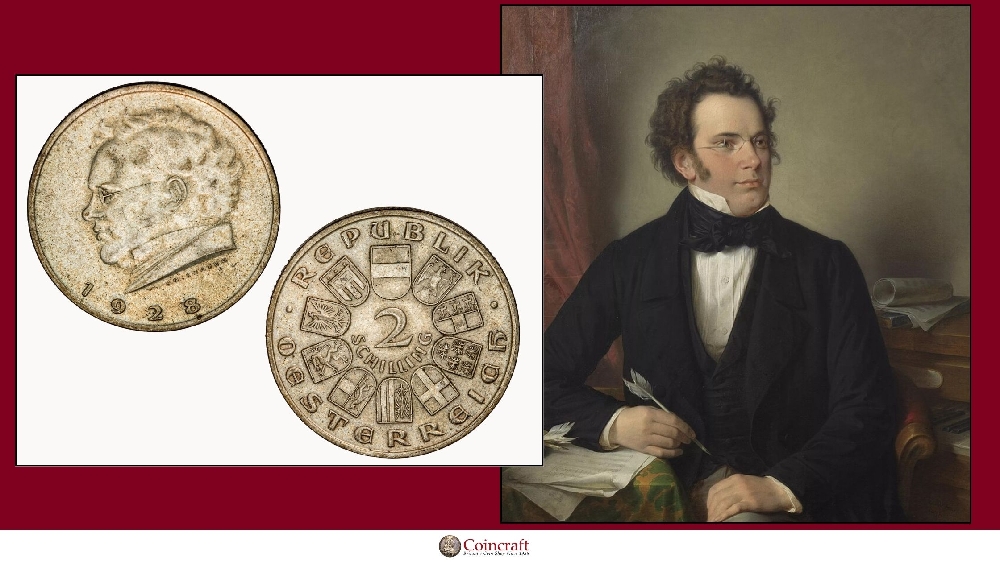
Picture Source of Franz Schubert: Wikipedia
Introduction to Franz Schubert
Franz Schubert, a monumental figure in the realm of classical music, remains a cherished composer whose works continue to captivate audiences worldwide. Born in Vienna, Austria, in 1797, Schubert's life was relatively short, yet his contributions to music were profound and enduring. In this article, we delve into the genius of Schubert, exploring his life, influences, and the legacy he left behind.
Schubert's music is known for its emotional depth and lyrical beauty. Unlike many of his contemporaries, his compositions often reflect a personal and introspective nature, which resonates deeply with listeners. From his symphonies and operas to his lieder (songs), Schubert's work is marked by an extraordinary ability to convey human emotion through melody.
Despite facing financial hardships and a lack of widespread recognition during his lifetime, Schubert's music has posthumously achieved great acclaim. His legacy endures not only in concert halls and recordings but also in the hearts of those who continue to be moved by his work. As we explore Schubert's life and contributions, we gain a deeper appreciation for his unique genius and the timeless impact of his music.
Early Life and Influences
Franz Schubert was born on 31 January 1797, in the Himmelpfortgrund district of Vienna. His father, Franz Theodor Schubert, was a schoolmaster, and his mother, Elisabeth, came from a family of Silesian farmers. Growing up in a musical household, Schubert was introduced to music at an early age, receiving his first lessons from his father and older brother, Ignaz.
As a child, Schubert displayed remarkable musical talent. By the age of five, he was already playing the violin, and soon after, he began piano lessons. Recognising his prodigious abilities, his family enrolled him in the Stadtkonvikt, a prestigious Viennese school, where he received formal training in music. It was here that Schubert was exposed to the compositions of Haydn, Mozart, and Beethoven, which significantly influenced his developing style.
During his formative years, Schubert was also inspired by the Romantic literary movement, particularly the works of Goethe and Schiller. The themes of nature, love, and existential reflection prevalent in Romantic literature left an indelible mark on Schubert's music, informing both the lyrical content and emotional depth of his compositions.
Musical Career and Major Works
Schubert's musical career, though tragically brief, was incredibly prolific. He composed over 600 lieder, nine symphonies, and numerous operas, chamber works, and piano compositions. His ability to blend poetry with music in his lieder, creating a seamless and expressive union, remains one of his most significant achievements.
Among Schubert's major works, his "Symphony No. 8 in B minor," often referred to as the "Unfinished Symphony," stands out as a masterpiece of orchestral composition. Despite its incomplete state, the symphony is celebrated for its rich textures and emotive power. Another notable work is his "Piano Quintet in A major," commonly known as the "Trout Quintet," renowned for its inventive variation on the theme from his earlier song "Die Forelle."
In the realm of lieder, Schubert's song cycles such as "Die schöne Müllerin" and "Winterreise" are particularly revered. These collections of songs, set to the poetry of Wilhelm Müller, explore themes of love, wanderlust, and existential despair, showcasing Schubert's unrivalled ability to convey complex emotions through music. His lieder not only highlight his melodic genius but also his deep understanding of the human condition.
Schubert’s Contribution to Classical Music
Franz Schubert's contribution to classical music is distinguished by his innovative approach to song composition and his expansion of the symphonic form. His integration of poetry and music in lieder set a new standard for the genre, influencing composers such as Robert Schumann, Johannes Brahms, and Hugo Wolf. Schubert's lieder are characterised by their expressive melodies, which enhance the emotional impact of the accompanying text.
In addition to his vocal works, Schubert's symphonies and chamber music exhibit a remarkable breadth of expression and structural innovation. His symphonies, particularly the later ones, demonstrate a mastery of orchestration and thematic development, bridging the Classical and Romantic eras. The "Great C Major Symphony," completed in 1828, is a testament to Schubert's ability to combine lyrical beauty with symphonic grandeur.
Furthermore, Schubert's piano music, including his impromptus and sonatas, expanded the expressive possibilities of the instrument. His compositions for solo piano are noted for their lyrical melodies, harmonic richness, and technical challenges. Together, these contributions solidify Schubert's status as a pivotal figure in the transition from Classical to Romantic music.
Analysis of Key Compositions
An in-depth analysis of Schubert's key compositions reveals the intricacies and emotional depth that define his music. One of his most celebrated works, the "Unfinished Symphony," exemplifies his mastery of orchestration and thematic development. The symphony's two completed movements display a haunting beauty, with rich harmonies and poignant melodies that reflect Schubert's introspective nature.
In contrast, the "Trout Quintet" showcases Schubert's lighter, more playful side. The quintet's fourth movement, a set of variations on the theme from "Die Forelle," is particularly noteworthy for its inventive use of instrumental colours and textures. The work's cheerful character and melodic charm have made it a favourite among chamber music enthusiasts.
Schubert's song cycles, "Die schöne Müllerin" and "Winterreise," offer profound insights into his compositional genius. In "Die schöne Müllerin," Schubert weaves a narrative of unrequited love through a series of songs that capture the protagonist's emotional journey. Meanwhile, "Winterreise" delves into themes of isolation and existential despair, with music that mirrors the stark, wintry landscape of the poetry. These cycles demonstrate Schubert's unparalleled ability to translate complex emotions into music.
The Legacy of Franz Schubert
Franz Schubert's legacy is a testament to the enduring power of his music. Despite facing limited recognition during his lifetime, Schubert's works have since become cornerstones of the classical repertoire, celebrated for their emotional depth and lyrical beauty. His influence extends beyond his contemporaries, reaching into the realms of modern music and popular culture.
Schubert's pioneering approach to song composition paved the way for future generations of composers. His integration of poetry and music in lieder set a new standard for the genre, inspiring countless artists to explore the expressive potential of the voice. His symphonies and chamber works, with their innovative structures and rich harmonies, continue to captivate audiences and performers alike.
Moreover, Schubert's music has transcended the classical genre, finding its way into films, television, and other forms of media. His compositions, with their timeless appeal, have been adapted and reimagined across various artistic platforms, ensuring that his legacy remains vibrant and relevant in contemporary culture.
Schubert in Popular Culture
Franz Schubert's influence extends beyond the concert hall, permeating various facets of popular culture. His music has been featured in numerous films, television shows, and commercials, introducing his timeless melodies to new audiences. The evocative power of Schubert's compositions makes them a popular choice for soundtracks, enhancing the emotional impact of visual narratives.
In cinema, Schubert's music has been used to underscore pivotal scenes, from romantic dramas to psychological thrillers. His "Ave Maria" and "Serenade" are among the most frequently featured pieces, their lyrical beauty enhancing the emotional resonance of the films in which they appear. This widespread use of Schubert's music in media demonstrates its enduring appeal and versatility.
Additionally, Schubert's influence can be seen in contemporary music, where composers and songwriters draw inspiration from his melodic and harmonic innovations. His ability to convey deep emotion through music resonates with artists across genres, ensuring that his legacy continues to inspire creativity and artistic expression in the modern era.
Key Takeaways:
- Franz Schubert (1797–1828) was an Austrian composer famous for his emotional and lyrical music.
- He composed over 600 songs (lieder), nine symphonies, operas, chamber, and piano works.
- Famous pieces include the "Unfinished Symphony," "Trout Quintet," and song cycles "Die schöne Müllerin" and "Winterreise."
- Schubert’s lieder uniquely blend poetry and music, expressing deep emotions.
- His work bridges Classical and Romantic music, influencing later composers like Schumann and Brahms.
- Though not widely recognized in life, his music is now central to classical repertoire and popular culture.
- His compositions are frequently used in films and media, showcasing their timeless appeal.
FAQs:
Who was Franz Schubert?
An Austrian composer known for his prolific songs, symphonies, and chamber music.What are his famous works?
The "Unfinished Symphony," "Trout Quintet," and song cycles "Die schöne Müllerin" and "Winterreise."What makes his lieder special?
They combine poetry and music to express complex emotions.How did he influence music?
He set new standards for song composition and influenced Romantic composers.Why is the "Unfinished Symphony" incomplete?
Only two movements were completed; reasons are unclear, but it remains celebrated.Was he famous during his lifetime?
No, he gained fame only after his death.How is his music used today?
Often featured in films and media for its emotional impact.