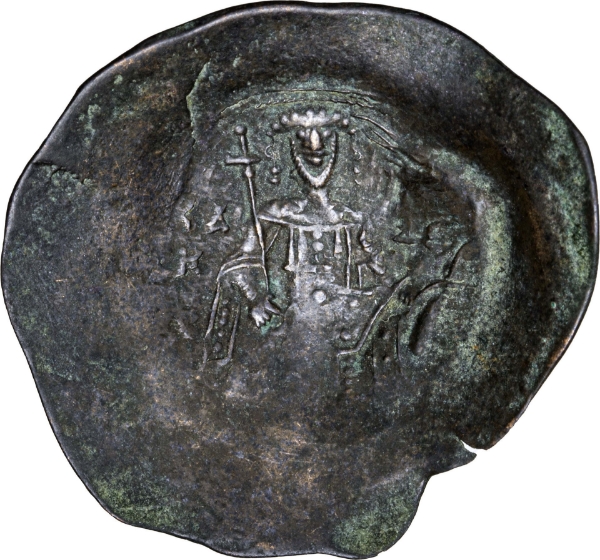
Picture Source of Isaac II Angelos: Wikipedia
 - ABC044 .jpg)
Introduction to Isaac II Angelos and His Historical Context
Isaac II Angelos, an influential figure in Byzantine history, reigned during a tumultuous period marked by internal strife and external threats. His era was characterised by the declining power of the Byzantine Empire, as it struggled to maintain its territories against the growing might of neighbouring powers. The late 12th century was a time of considerable change and challenge within the empire, setting the stage for Isaac's rise and eventual fall.
The Byzantine Empire, at this point, was grappling with economic issues, political instability, and constant military pressure from both the West and the East. It was a period where the once-mighty empire found itself on the defensive, trying to safeguard its legacy while adapting to a rapidly changing world. This backdrop provides essential context to understand the complexities and difficulties Isaac II Angelos faced during his reign.
Isaac's story is not just about his personal journey but also about the broader historical forces at play. His life and reign offer a window into the challenges of leadership amid declining imperial power and showcase the intricate political landscape of the Byzantine Empire. This article will delve into his life, reign, and legacy to better understand his role in Byzantine history.
The Rise to Power: Early Life and Ascension of Isaac II Angelos
Born into the illustrious Angelos family, Isaac was deeply entrenched in the Byzantine aristocracy. His early life was significantly shaped by the power dynamics and court intrigues of Constantinople. The Angelos family, known for its influence and connections, provided Isaac with the necessary platform to navigate the treacherous waters of Byzantine politics.
Isaac's ascent to the throne was catalysed by a series of dramatic events. The overthrow of Andronikos I Komnenos in 1185 marked a pivotal moment in Isaac's life. During a time of civil unrest and dissatisfaction with the ruling regime, Isaac seized the opportunity to position himself as a leader capable of restoring order and stability. His bold actions and strategic alliances proved successful, leading to his coronation as emperor.
His rise was not merely a personal triumph but also a testament to his political acumen and ability to capitalise on the weaknesses of his predecessors. Isaac II Angelos quickly established his rule, promising reform and a renewed focus on strengthening the empire. His early efforts were aimed at consolidating power and addressing the immediate challenges facing the Byzantine state.
The Reign of Isaac II Angelos: Key Policies and Events
During his tenure as emperor, Isaac II Angelos implemented several key policies aimed at revitalising the Byzantine Empire. His administration focused on strengthening the economy, enhancing military capabilities, and stabilising the political landscape. Isaac's reign was marked by attempts to reform tax systems and improve infrastructure, crucial steps in addressing the empire's fiscal challenges.
Military campaigns were a significant aspect of Isaac's rule. He sought to protect Byzantine territories from external threats, particularly from the Normans and the Seljuks. His military strategy emphasised fortifying borders and securing key regions to ensure the empire's survival. Despite these efforts, Isaac's military campaigns met with mixed success, often hampered by limited resources and internal dissent.
Isaac's reign was also notable for its diplomatic initiatives. He pursued alliances with neighbouring states to counteract external pressures. These efforts were part of a broader strategy to maintain the Byzantine Empire's influence in the region. However, despite his ambitious policies, Isaac faced significant challenges that would ultimately impact his ability to govern effectively.
The Challenges Faced by Isaac II Angelos
Isaac II Angelos' reign was fraught with challenges that tested his leadership and the resilience of the Byzantine state. One of the most pressing issues was the empire's financial instability. Despite attempts at reform, the Byzantine economy struggled under the weight of military expenses, corruption, and inefficient administration, making it difficult to sustain long-term growth.
Political instability further compounded these economic issues. Isaac's reign was marked by court intrigues and power struggles, as various factions vied for influence. The internal dissent weakened the central authority and undermined Isaac's efforts to implement reforms. His inability to effectively manage these political tensions contributed to the difficulties he faced in maintaining control over the empire.
Externally, the Byzantine Empire was under constant threat from powerful adversaries. The Seljuks in the east and the Normans in the west posed significant military challenges, requiring Isaac to allocate substantial resources to defence. Despite his efforts, these external pressures proved overwhelming, highlighting the limitations of Isaac's strategic approach and the broader vulnerabilities of the Byzantine state.
The Role of Isaac II Angelos in the Byzantine Empire's Decline
Isaac II Angelos' reign is often scrutinised for its role in the Byzantine Empire's decline. While it would be unfair to place the blame solely on one ruler, his leadership did coincide with a critical period of instability and vulnerability. Several factors during his reign contributed to the weakening of Byzantine power and influence.
One significant issue was the erosion of central authority. The political factions and internal strife that characterised Isaac's rule undermined the unity and effectiveness of the Byzantine government. This disunity made it challenging to respond decisively to external threats or implement meaningful reforms, exacerbating the empire's decline.
Additionally, Isaac's military campaigns, while necessary, drained the empire's resources and often failed to deliver decisive victories. The constant warfare strained the Byzantine economy and further weakened its military capabilities. These challenges were compounded by the growing strength of external powers, which eroded Byzantine influence in the region and set the stage for future conflicts.
The Legacy of Isaac II Angelos: Historical Impact and Significance
Despite the challenges faced during his reign, Isaac II Angelos left a lasting legacy that continues to be studied and debated by historians. His efforts to reform the Byzantine state, although not fully realised, demonstrated a genuine attempt to address the empire's pressing issues. His reign serves as a critical case study in understanding the complexities of Byzantine governance during a period of decline.
Isaac's legacy is also tied to the broader narrative of the Byzantine Empire's struggles in the late 12th century. His reign highlights the difficulties of leadership in an era of internal and external turmoil. By examining his policies and decisions, historians gain valuable insights into the broader challenges faced by the empire and the reasons behind its eventual decline.
Moreover, Isaac's story is a testament to the enduring legacy of the Byzantine Empire itself. Despite the setbacks during his reign, the empire's cultural and intellectual achievements continued to influence the world. Isaac II Angelos, as a ruler navigating these tumultuous times, remains a significant figure in Byzantine history, embodying both the challenges and the enduring spirit of the empire.
Cultural and Artistic Contributions During His Reign
While Isaac II Angelos' reign was marked by political and military challenges, it was also a period of notable cultural and artistic contributions. Despite the empire's struggles, Byzantine art and culture continued to flourish, with significant advancements in architecture, literature, and religious expression.
One of the most enduring legacies of Isaac's reign was the continued development of Byzantine architecture. Churches and monasteries constructed during this period reflected the empire's artistic sensibilities and religious devotion. These structures, characterised by intricate mosaics and elaborate frescoes, remain important cultural landmarks, showcasing the empire's artistic achievements.
In addition to architectural advancements, Isaac's reign saw a flourishing of Byzantine literature and scholarship. Scholars and writers produced works that explored theological, philosophical, and historical themes, contributing to the rich intellectual heritage of the empire. This period of cultural vibrancy highlights the resilience of Byzantine society, even in the face of political and economic challenges.
The Fall of Isaac II Angelos: Circumstances of His Downfall
The downfall of Isaac II Angelos was precipitated by a combination of internal dissent and military defeats. Despite his initial successes, Isaac's inability to quell the political factions within the empire undermined his authority and weakened his position. The discontent among the nobility and the military eventually culminated in a coup that led to his deposition.
The decisive blow came in the form of military setbacks that eroded Isaac's support. His failure to effectively counter external threats, particularly from the Bulgarian uprising, damaged his credibility as a leader. These military defeats, coupled with the ongoing financial difficulties, created an environment ripe for rebellion against his rule.
In 1195, Isaac was overthrown by his brother, Alexios III Angelos, marking the end of his reign. His removal from power was not just a personal tragedy but also a reflection of the broader challenges facing the Byzantine Empire. Isaac's downfall underscores the difficulties of leadership during a period of decline and the complex interplay of internal and external factors that shaped his reign.
Modern Interpretations of Isaac II Angelos' Life and Reign
In contemporary scholarship, Isaac II Angelos is often viewed with a nuanced perspective that considers the complexities of his reign. Historians acknowledge the significant challenges he faced and recognise his efforts to address them, despite the limited success. Modern interpretations highlight the broader structural issues of the Byzantine Empire that constrained his ability to enact meaningful change.
Isaac's reign is also analysed in the context of Byzantine political culture, characterised by intrigue and power struggles. Scholars explore how these dynamics influenced his policies and decisions, offering insights into the difficulties of governance during this period. By understanding the political landscape of Isaac's time, historians can better appreciate the constraints he operated under and the reasons behind his failures.
Moreover, modern interpretations often place Isaac II Angelos within the larger narrative of Byzantine decline. His reign is seen as a reflection of the empire's struggles to adapt to the changing geopolitical landscape. This perspective provides a more comprehensive understanding of Isaac's impact and the enduring significance of his legacy in Byzantine history.
Reflecting on the Legacy of Isaac II Angelos
Isaac II Angelos remains a pivotal figure in Byzantine history, emblematic of the empire's challenges and enduring legacy. His reign, marked by ambitious reforms and significant obstacles, offers valuable insights into the complexities of leadership during a period of decline. Despite the difficulties he faced, Isaac's efforts to strengthen the Byzantine state reflect a genuine commitment to preserving its legacy.
The legacy of Isaac II Angelos extends beyond his reign, influencing subsequent generations of historians and scholars. His life and leadership continue to be studied as part of the broader narrative of Byzantine history, providing important lessons on the challenges of governance in times of crisis. Through his story, we gain a deeper understanding of the forces that shaped the Byzantine Empire and its enduring impact on the world.
As we reflect on Isaac's legacy, it is essential to recognise the resilience and cultural achievements of the Byzantine Empire. Despite the struggles of his reign, the empire's contributions to art, architecture, and scholarship remain significant. Isaac II Angelos, as a leader navigating these challenging times, embodies both the difficulties and the enduring spirit of the Byzantine world.