.jpg)
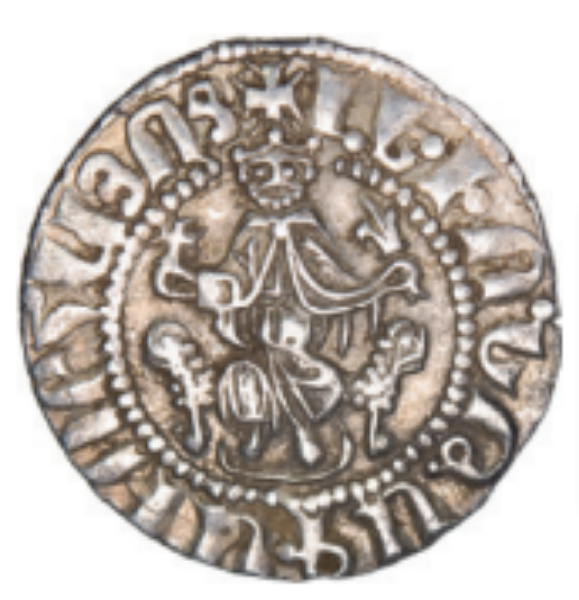
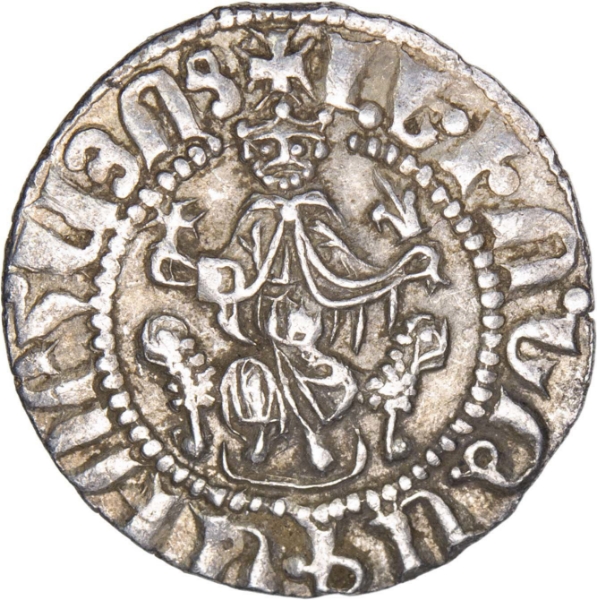
Picture Source of Levon I the Magnificent: Wikipedia
Who is Levon I?
Levon I, also known as Leo I, was a prominent historical figure who played a crucial role in the history of the Armenian Kingdom of Cilicia. Born in the late 12th century, Levon I ascended to the throne in the early 13th century during a turbulent period marked by both internal strife and external threats. As the first king of the Armenian Kingdom of Cilicia, he was instrumental in establishing the foundations of a new Armenian state that would endure for several centuries. His reign marked the beginning of a golden age for the Armenians in Cilicia, characterised by political stability, cultural flourishing, and economic prosperity.
Levon I's ascent to the throne was not without challenges. He had to navigate the complex political landscape of the time, which included maintaining alliances with powerful neighbours such as the Byzantine Empire and the Frankish Crusader states, as well as managing internal disputes among the Armenian nobility. His diplomatic skills and military acumen allowed him to consolidate power and establish a strong centralised monarchy. Under his leadership, the Armenian Kingdom of Cilicia became a significant player in the politics of the Eastern Mediterranean region.
In addition to his political achievements, Levon I was also a patron of the arts and culture. He supported the construction of churches, monasteries, and fortresses, many of which still stand today as testaments to his legacy. His reign saw a revival of Armenian literature, art, and architecture, which contributed to the cultural richness of the kingdom. As a result, Levon I is remembered not only as a skilled ruler but also as a visionary leader who laid the groundwork for the cultural renaissance of the Armenian people.
The Historical Significance of Levon I
The historical significance of Levon I lies in his ability to establish and solidify the Armenian Kingdom of Cilicia during a time of great change and uncertainty. By successfully claiming the title of king, Levon I elevated the status of Cilicia from a principality to a kingdom, thereby gaining recognition and legitimacy on the international stage. This achievement was a turning point for the Armenian people, as it provided them with a political and cultural centre that would endure for centuries.
Levon I's reign coincided with the height of the Crusades, a period when European powers were heavily involved in the politics and conflicts of the Middle East. By forming strategic alliances with Crusader states, Levon I was able to protect his kingdom from external threats and secure its borders. His diplomatic efforts ensured that Cilicia remained a stable and prosperous region, attracting merchants, scholars, and artists from across the Mediterranean. This influx of diverse influences enriched the cultural and economic life of the kingdom, further enhancing its significance in the region.
Moreover, Levon I's leadership was instrumental in preserving the Armenian identity and heritage during a time when the region was under constant threat from foreign invaders. By fostering a sense of national unity and pride among his people, Levon I ensured that the Armenian culture and traditions were maintained and passed down through generations. His efforts to promote the Armenian language, literature, and religious practices helped to strengthen the cultural identity of the Armenian people, making his reign a pivotal period in their history.
Key Achievements of Levon I
Levon I's reign was marked by numerous achievements that had a lasting impact on the Armenian Kingdom of Cilicia and its people. One of his most significant accomplishments was the establishment of a strong centralised monarchy, which provided the stability necessary for the kingdom to thrive. By consolidating power and implementing effective governance, Levon I laid the foundation for a prosperous and enduring state.
Another key achievement of Levon I was his success in expanding the territorial boundaries of the Armenian Kingdom of Cilicia. Through a combination of military conquests and diplomatic negotiations, he was able to secure and defend the borders of his kingdom. This territorial expansion not only increased the kingdom's resources and wealth but also enhanced its strategic importance in the region. As a result, Cilicia became a vital hub for trade and commerce, attracting merchants from across the Mediterranean.
Levon I also made significant contributions to the cultural and religious life of the kingdom. He was a patron of the arts and supported the construction of numerous churches, monasteries, and fortresses. These architectural achievements not only served as symbols of the kingdom's strength and prosperity but also played a crucial role in preserving and promoting the Armenian cultural heritage. Levon I's support for the Armenian Apostolic Church helped to reinforce the religious identity of his people, further uniting them under a common faith and tradition.
Levon I's Impact on Armenian Culture
Levon I's impact on Armenian culture was profound and far-reaching, as he played a key role in fostering a cultural renaissance during his reign. By supporting the arts, literature, and architecture, Levon I helped to create an environment in which Armenian culture could flourish. His patronage of artists, writers, and scholars led to a revival of Armenian literature and a renewed interest in the preservation of the Armenian language and history.
One of the most significant cultural contributions of Levon I's reign was the construction of architectural masterpieces that continue to stand as symbols of Armenian heritage. The churches and monasteries built during his reign are remarkable for their intricate designs and artistic excellence. These structures not only served religious purposes but also acted as centres of learning and cultural exchange, attracting scholars and artists from across the region.
Levon I's support for the Armenian Apostolic Church also had a lasting impact on Armenian culture. By reinforcing the role of the church in society, Levon I ensured that religious traditions and practices were preserved and passed down through generations. The promotion of the Armenian language and literature within religious institutions helped to maintain the cultural identity of the Armenian people, allowing them to retain a sense of unity and pride in their heritage.
The Legacy of Levon I in Modern Armenia
The legacy of Levon I continues to resonate in modern Armenia, as his reign is often regarded as a golden age in Armenian history. His achievements laid the groundwork for the development of a strong and prosperous Armenian state, and his cultural contributions have left an indelible mark on the Armenian identity. As a result, Levon I is remembered as a national hero and a symbol of Armenian pride and resilience.
Today, the architectural and cultural achievements of Levon I's reign remain an important part of Armenia's heritage. The churches and monasteries built during his time continue to attract visitors and pilgrims, serving as reminders of the kingdom's rich history and cultural achievements. These structures are not only significant for their historical and artistic value but also as symbols of the enduring strength and resilience of the Armenian people.
Levon I's legacy is also evident in the continued importance of the Armenian Apostolic Church and its role in preserving and promoting Armenian culture. The church remains a central institution in Armenian society, providing spiritual guidance and support while also serving as a custodian of the nation's cultural and historical heritage. Levon I's efforts to strengthen the church and promote the Armenian language and literature have had a lasting impact on the preservation of Armenian identity and traditions.