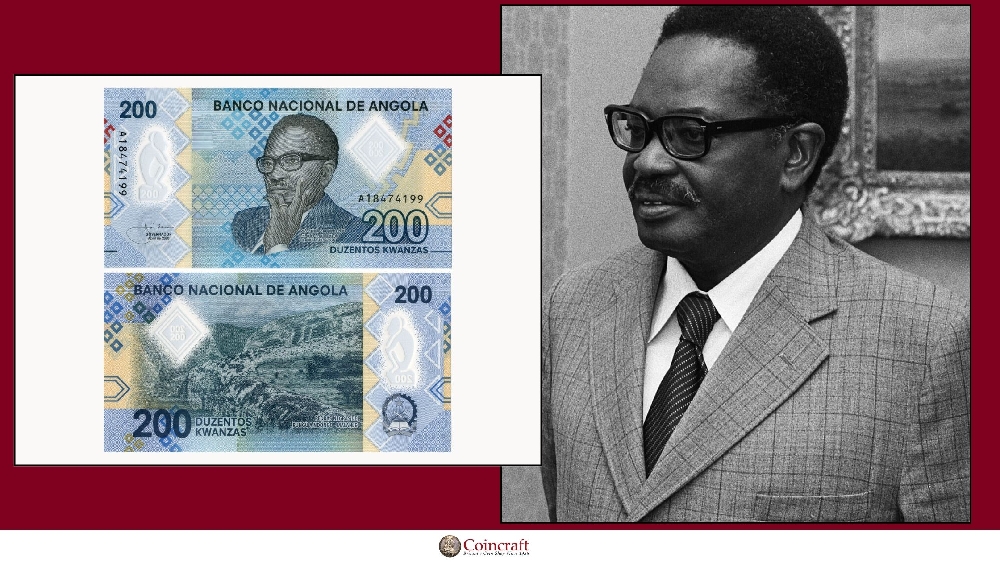
Picture Source of Dr Antonio Agostinho Neto: Wikipedia
The Physician, the Poet, and the President: The Life of Dr. Antonio Agostinho Neto
Dr. Antonio Agostinho Neto was far more than just a political leader; he was the heartbeat of the Angolan independence movement. A man who mended bodies as a doctor and stirred souls as a poet, Neto navigated the treacherous waters of colonial resistance to become the first President of the Republic of Angola. His life is a testament to the power of intellectual resistance and unwavering national pride.
Key Takeaways
Founding Father: Neto served as the first President of Angola from 1975 until his death in 1979.
Dual Identity: He was famously known as a "physician-poet," using both medicine and literature to challenge Portuguese colonial rule.
Liberation Leader: He led the People's Movement for the Liberation of Angola (MPLA) through a grueling war of independence.
Cultural Icon: His poetry collection, Sagrada Esperança (Sacred Hope), remains a foundational work of African literature.
The Early Years and Medical Ambitions
Born on September 17, 1922, in Ícolo e Bengo, Angola, Neto was the son of a Methodist pastor and a schoolteacher. Education was highly valued in his household, which set him on a path that few Angolans under colonial rule could tread. He moved to Lisbon, Portugal, to study medicine at the University of Coimbra and later the University of Lisbon.¹
It was during these student years that Neto’s political consciousness ignited. He didn't just study anatomy; he joined anti-fascist groups and founded the Center for African Studies. His activism didn't go unnoticed by the PIDE (Portugal’s secret police), leading to his first of many arrests in 1951.²
The Doctor-Poet of the Revolution
Neto believed that the struggle for freedom was as much about culture as it was about territory. While practicing medicine in Angola, he treated the poor and the marginalized, witnessing firsthand the devastating effects of colonial inequality. Simultaneously, his poetry began to circulate, speaking of the "sacred hope" of a free Africa.
His writing was rhythmic and raw, often focusing on the shared experiences of the African diaspora. For Neto, poems were weapons. This dual role earned him immense respect, but it also made him a high-profile target for the Portuguese authorities. Between 1952 and 1960, he spent years in and out of prison or under house arrest, even being deported to Cape Verde at one point.³
Leading the Charge for Independence
By 1962, Neto escaped from house arrest in Portugal and fled to Morocco, where he was elected president of the MPLA (Movimento Popular de Libertação de Angola).⁴ Under his leadership, the MPLA transitioned into a disciplined liberation force.
The struggle was long and bloody, complicated by the Cold War as different factions in Angola received support from various global powers. Neto’s diplomacy and firm stance on sovereignty eventually led to the Alvor Agreement. On November 11, 1975, he stood before a cheering crowd in Luanda and proclaimed the birth of the People's Republic of Angola.⁵
Presidency and Challenges
Neto’s presidency was anything but easy. He inherited a country fractured by civil war and a mass exodus of Portuguese professionals, which left the economy in a fragile state. Despite these hurdles, he focused on literacy campaigns, healthcare reform, and establishing Angola's place in the international community.
His leadership style was marked by a commitment to Marxist-Leninist principles, though he often navigated a pragmatic path between Soviet support and African non-alignment. He remained a symbol of unity, though the internal conflicts within Angola would continue long after his passing.
A Legacy Cut Short
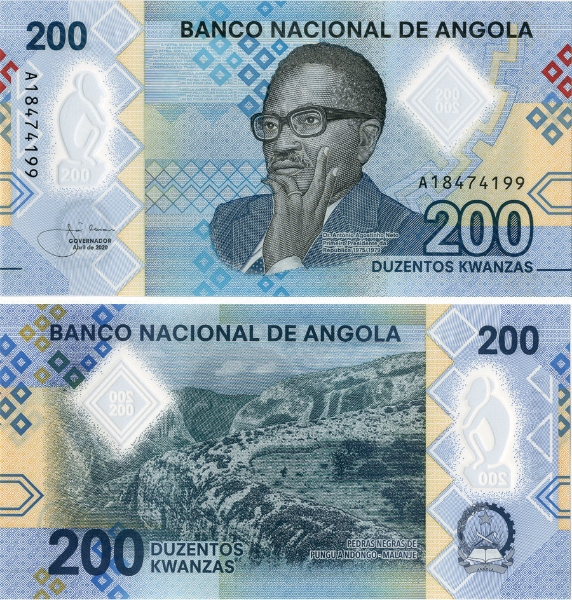
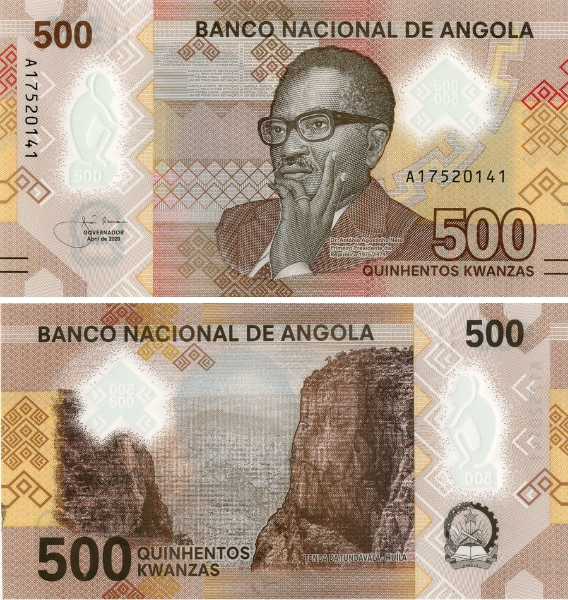
Dr. Neto’s health began to fail in the late 1970s. He traveled to Moscow for medical treatment but passed away on September 10, 1979, following a surgery for cancer. While his time as president was brief, his impact was monumental. Today, his birthday is celebrated as National Heroes' Day in Angola, and his face adorns the country's currency.⁶
FAQs
1. Why is Agostinho Neto called the "Physician-Poet"? He earned a medical degree in Portugal and practiced medicine throughout his life, often treating the underprivileged. At the same time, he was a world-renowned poet whose works focused on African identity and resistance.
2. What was his role in the MPLA? Neto was the long-time president of the MPLA, leading the organization through the war against Portuguese colonial rule and eventually serving as the head of the movement when it took power in 1975.
3. What is his most famous literary work? His most celebrated collection is Sacred Hope (Sagrada Esperança), published in 1974, which compiles poems written during his years in prison and exile.
References
Britannica, T. Editors of Encyclopaedia (2023). Agostinho Neto. [online] Encyclopedia Britannica. Available at: https://www.britannica.com/biography/Agostinho-Neto [Accessed 24 May 2024].
Birmingham, D. (2021). A Concise History of Portugal. 3rd edn. Cambridge: Cambridge University Press.
UNESCO (2014). Agostinho Neto: The Poet-President. [online] Available at: https://en.unesco.org/womeninafrica/agostinho-neto/biography [Accessed 24 May 2024].
George, E. (2005). The Cuban Intervention in Angola, 1965-1991. London: Frank Cass.
Sellström, T. (1999). Sweden and National Liberation in Southern Africa. Uppsala: Nordiska Afrikainstitutet.
African History (2022). Biography of Antonio Agostinho Neto. [online] ThoughtCo. Available at: https://www.thoughtco.com/antonio-agostinho-neto-biography-4068345 [Accessed 24 May 2024].