.jpg)
Picture Source of Trebonianus Gallus: Wikipedia
Introduction to Trebonianus Gallus: A Historical Overview
Trebonianus Gallus, often overshadowed by more prominent figures in Roman history, ascended to power during a tumultuous period marked by internal strife and external threats. Born in 206 AD in the region known today as Italy, Gallus hailed from a distinguished family with a strong lineage, which paved the way for his initial roles in public service and military command. His ascent to the imperial throne was neither straightforward nor devoid of controversy, reflecting the complexities of Roman politics at the time. As a figure often relegated to the background of historical narratives, Gallus's reign provides a unique lens through which to examine the challenges faced by the Roman Empire. His rule, lasting from 251 to 253 AD, was characterized by a series of crises, including invasions, rebellions, and pandemics. Despite his short and tumultuous tenure, Gallus's impact on the empire and its subsequent history is worthy of exploration.
Understanding the life and reign of Trebonianus Gallus requires delving into the broader socio-political context of the third-century Roman Empire. This period, often referred to as the Crisis of the Third Century, saw rapid changes in leadership, economic instability, and significant threats from both internal and external actors. Gallus's emergence as a ruler during such a volatile era underlines his significance as a historical figure, despite the relative obscurity of his legacy.
The Rise of Trebonianus Gallus: From General to Emperor
Before his ascension to the throne, Trebonianus Gallus served as a military commander, gaining recognition for his leadership and strategic acumen. His military career began in earnest under the reign of Emperor Decius, where he played a crucial role in defending the empire's eastern frontiers against Persian incursions. Gallus's reputation as a competent and decisive leader was instrumental in his elevation to the role of emperor.
The path to emperorship for Gallus was paved by the untimely demise of Decius, who perished in battle against the Goths in 251 AD. As a respected military leader, Gallus was seen as a stabilizing figure capable of managing the empire's immediate threats. His appointment as emperor was largely a pragmatic decision by the Roman Senate and military, who sought continuity and stability in the face of ongoing turmoil.
Gallus's rise to power also involved complex political manoeuvring. One of his first acts as emperor was to negotiate peace with the Goths, a move that was both strategic and controversial. While this decision temporarily secured the empire's borders, it also attracted criticism from those who viewed it as a concession to barbarian forces. Nonetheless, Gallus's ability to navigate such challenges demonstrated his political astuteness and determination to maintain the integrity of the Roman state.
Reign and Challenges: Key Events During His Rule
Trebonianus Gallus's reign was marked by a series of formidable challenges that tested his leadership and resilience. Chief among these were the persistent threats from external forces, particularly the Goths, who continued to press against the empire's borders. Despite his earlier peace treaty, Gallus found himself engaged in renewed hostilities, necessitating a focus on military defence and strategic planning.
In addition to external threats, Gallus faced significant internal strife. The Roman Empire was fraught with civil unrest, driven by economic difficulties and dissatisfaction with imperial policies. Gallus attempted to address these issues through reforms and governance measures, but the rapid pace of change and the entrenched nature of the empire's problems made substantive progress difficult. His efforts were further complicated by political rivalries and the emergence of usurpers vying for control.
One of the most significant challenges of Gallus's reign was the outbreak of a devastating plague, known today as the Plague of Cyprian. This epidemic had far-reaching impacts, decimating populations across the empire and exacerbating existing socio-economic hardships. Gallus's response to the crisis included public health initiatives and religious observances aimed at appeasing the gods. However, the scale of the epidemic rendered many of these efforts insufficient, further destabilizing his rule.
Trebonianus Gallus and the Roman Empire: Political Landscape
The political landscape of the Roman Empire during Gallus's reign was characterised by instability and rapid change. The Crisis of the Third Century was a period marked by frequent changes in leadership, with emperors often ascending and falling in rapid succession. This environment necessitated a strong and adaptable leader, capable of navigating the intricacies of Roman politics and maintaining the cohesion of the empire.
Gallus's political strategy was rooted in pragmatism and conciliation. Recognising the importance of maintaining support from both the military and the Senate, he worked diligently to secure alliances and foster loyalty among key stakeholders. His decision to appoint his son, Volusianus, as co-emperor was a strategic move aimed at ensuring dynastic continuity and reinforcing his family's legitimacy as rulers.
Despite his efforts, Gallus's political manoeuvrings were met with mixed success. The emergence of rival claimants to the throne, such as Aemilianus, highlighted the challenges of maintaining authority in a climate of uncertainty and ambition. Gallus's eventual downfall at the hands of Aemilianus in 253 AD underscored the precarious nature of power during this era, demonstrating the complex interplay of military strength, political alliances, and public support in determining an emperor's fate.
Military Campaigns and Strategies: A Closer Look
Trebonianus Gallus's military strategies were shaped by the need to address multiple fronts simultaneously. His tenure saw the continuation of hostilities with the Goths, who posed a persistent threat to the empire's northern borders. Gallus's approach to dealing with the Gothic threat involved a combination of diplomatic engagement and military readiness, seeking to balance the need for peace with the reality of ongoing conflict.
In addition to the Gothic threat, Gallus faced challenges from other quarters, including the Persians in the east and various rebellious factions within the empire. His military campaigns were characterised by a focus on securing key strategic locations and reinforcing the empire's defences. This approach reflected his understanding of the limitations of Roman military power during this period, necessitating a prioritisation of resources and efforts where they were most needed.
Gallus's military leadership was also marked by efforts to maintain the morale and loyalty of his troops. Recognising the importance of the military as a pillar of his rule, he implemented measures to ensure their continued support, including the provision of bonuses and the acknowledgment of their contributions to the empire's defence. Despite these efforts, the challenges of maintaining a cohesive and effective military force amid widespread instability remained a significant obstacle throughout his reign.
Trebonianus Gallus and the Plague: Impact on His Reign
One of the most profound challenges faced by Trebonianus Gallus was the outbreak of the Plague of Cyprian, a pandemic that swept through the Roman Empire during his reign. The plague, believed to have been caused by a viral infection, resulted in widespread mortality and social disruption. Its impact was felt across all levels of society, exacerbating existing economic difficulties and undermining the empire's stability.
Gallus's response to the plague was multifaceted, involving both practical and religious measures. He implemented public health initiatives aimed at containing the spread of the disease, including the organisation of mass burials and the provision of support for affected communities. In addition, Gallus sought to invoke divine favour through religious ceremonies and offerings, reflecting the Roman belief in the gods' influence over human affairs.
Despite these efforts, the scale of the pandemic rendered many of Gallus's initiatives ineffective. The ongoing loss of life and the strain on resources further weakened his position as emperor, contributing to the erosion of public confidence in his leadership. The plague's enduring impact on the Roman Empire highlighted the vulnerabilities of even the most powerful states in the face of natural disasters and underscored the challenges of governance during times of crisis.
The Role of Trebonianus Gallus in Roman History: A Forgotten Legacy
Trebonianus Gallus's legacy in Roman history is often overshadowed by the more dramatic and well-documented reigns of emperors who preceded and followed him. However, his role during a critical period of the empire's history provides valuable insights into the challenges faced by Roman leaders and the strategies employed to navigate them. Despite the brevity of his reign, Gallus's efforts to maintain the integrity of the empire amid a backdrop of crisis and change are worthy of recognition.
Gallus's reign serves as a case study in the complexities of leadership during the Crisis of the Third Century. His pragmatic approach to governance, characterised by efforts to balance military, political, and social demands, highlights the multifaceted nature of imperial rule. Gallus's ability to negotiate peace, manage internal dissent, and address public health emergencies reflects the skills required of an emperor during such a turbulent era.
In reassessing Gallus's contributions to Roman history, it is important to consider the broader context of his reign. His leadership during a period of significant upheaval demonstrates the resilience of the Roman state and its ability to endure despite formidable challenges. While Gallus may not be remembered as one of Rome's most illustrious emperors, his role in maintaining the empire's continuity during a time of crisis remains a testament to his capabilities as a leader.
Cultural and Economic Developments During His Reign
The reign of Trebonianus Gallus, though brief, witnessed notable cultural and economic developments that reflected broader trends within the Roman Empire. Despite the challenges of his tenure, Gallus's period in power coincided with ongoing efforts to promote Roman culture and facilitate economic recovery in the face of adversity.
Culturally, the Roman Empire during Gallus's reign continued to be a melting pot of diverse influences, with the integration of various traditions and practices from different regions. Gallus's support for religious observances and public festivals aimed to foster a sense of unity and continuity within the empire, even as it faced external and internal challenges. These cultural initiatives played a vital role in reinforcing Roman identity and cohesion.
Economically, Gallus's reign was marked by efforts to stabilise the empire's financial situation, which had been severely affected by ongoing conflicts and the impact of the plague. His administration sought to address economic challenges through reforms aimed at improving tax collection and managing public expenditures. While the results of these measures were mixed, they underscored the importance of economic resilience in sustaining imperial power.
Historical Sources: Understanding Trebonianus Gallus Through Ancient Texts
The primary sources available for studying the reign of Trebonianus Gallus are limited, yet they provide valuable insights into his leadership and the challenges he faced. Ancient texts, including the writings of historians such as Ammianus Marcellinus and Zosimus, offer glimpses into the socio-political landscape of the Roman Empire during Gallus's time.
These historical accounts, while often fragmented and subject to interpretation, are crucial for piecing together the narrative of Gallus's reign. They highlight key events, such as his military campaigns, political manoeuvres, and responses to the plague, providing context for understanding his decisions and actions. However, the biases and limitations of these sources must be acknowledged, as they reflect the perspectives and priorities of their authors.
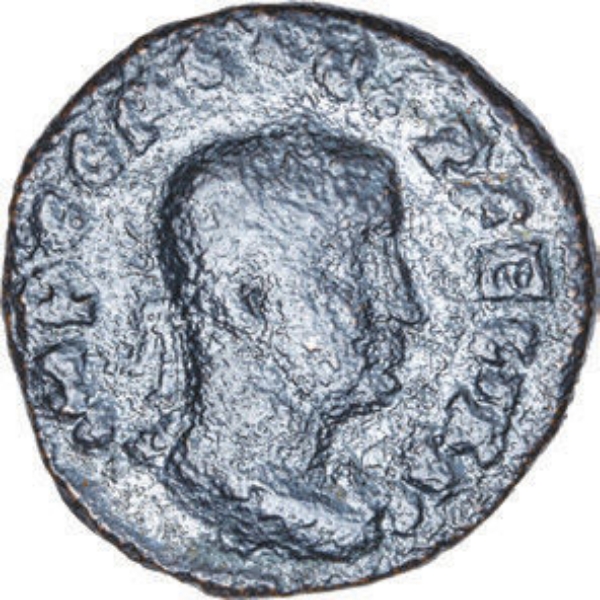
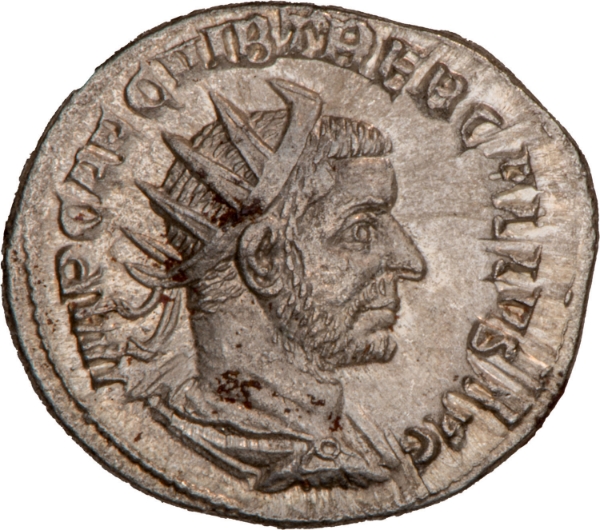
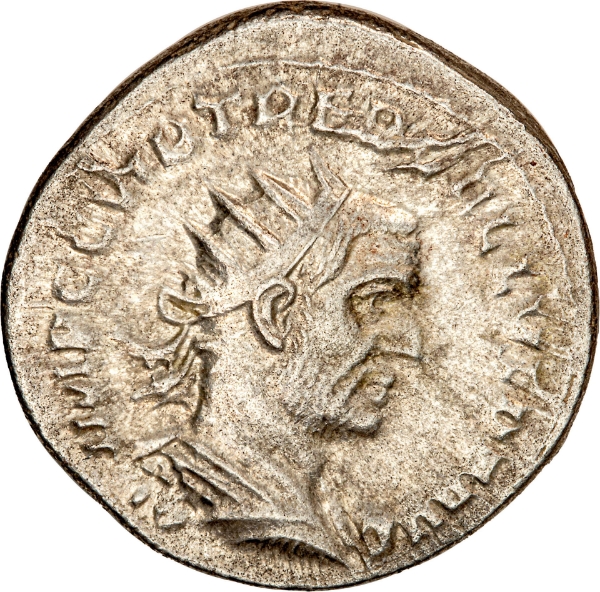
In addition to written records, archaeological findings and numismatic evidence contribute to our understanding of Gallus's era. Coins issued during his reign, for example, offer insights into the economic conditions and imperial propaganda of the time. Together, these sources enable a more comprehensive exploration of Gallus's legacy and the broader historical context in which he governed.