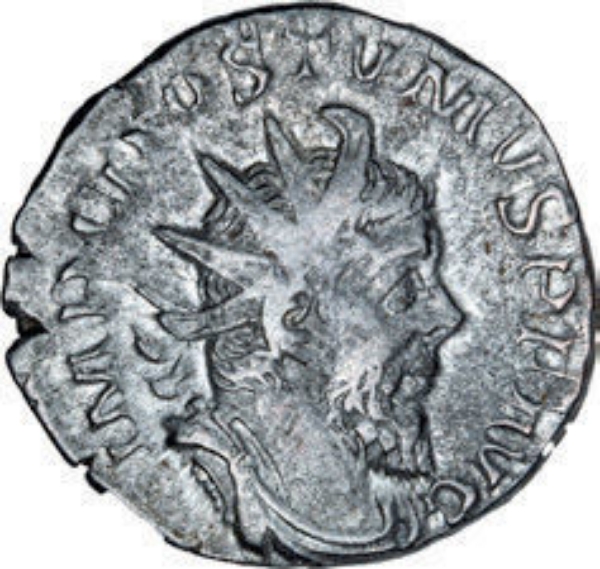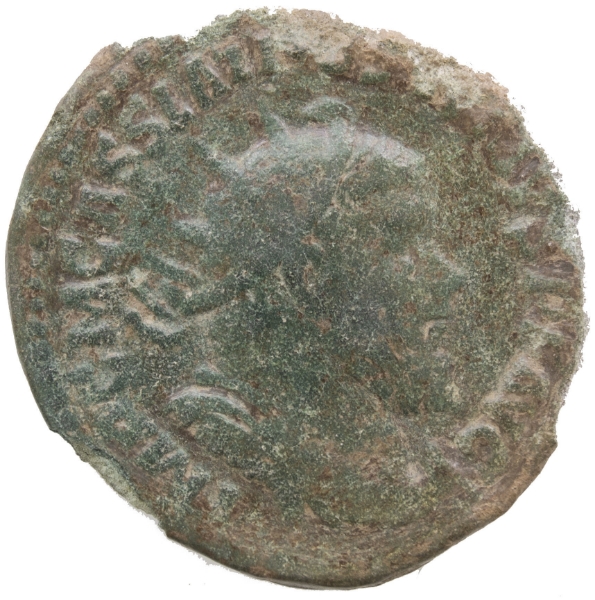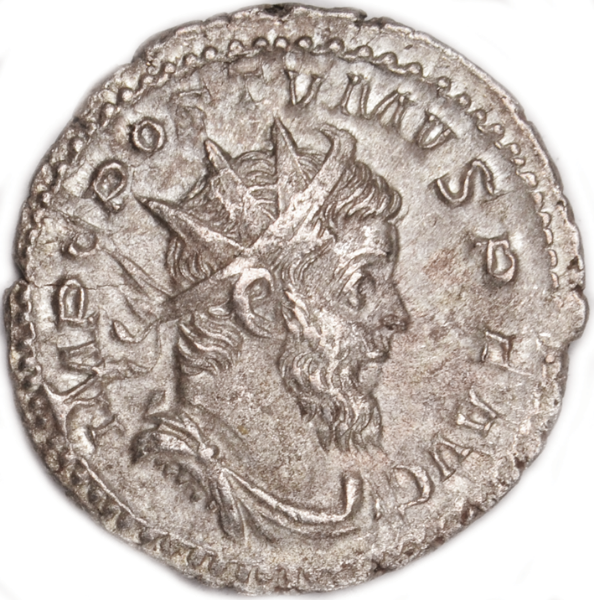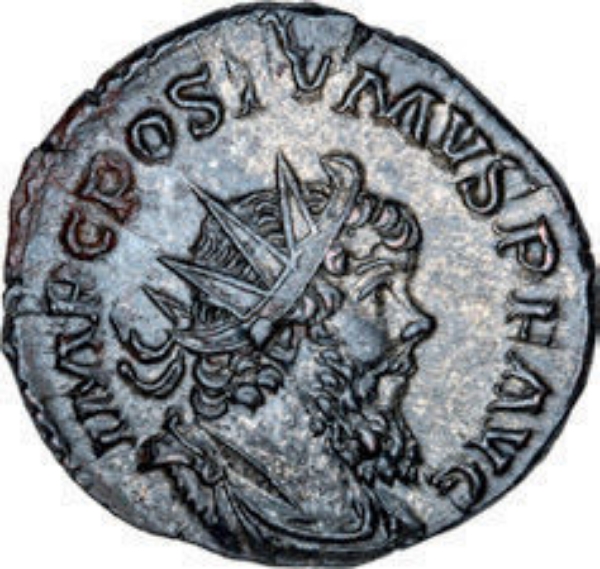
Picture Source of Postumus: World History
 .jpg)
Introduction to Postumus and His Historical Context
In the tumultuous era of the Roman Empire, few figures are as intriguing as Postumus, a leader whose rise and fall encapsulate the complexities of Roman politics. Postumus emerged during the Crisis of the Third Century, a period marked by instability, economic decline, and rampant usurpations. The Roman Empire, sprawling and diverse, faced challenges on multiple fronts, from barbarian invasions to internal strife and the relentless ambitions of its generals.
Postumus, born in the mid-third century, carved his place in history by establishing the Gallic Empire, a breakaway state encompassing regions of Gaul, Germania, Britannia, and Hispania. His ascent was not just a personal triumph but a reflection of the broader socio-political dynamics of the Roman world. The era witnessed a succession of short-lived emperors, each grappling with the empire's fragmentation and the ever-present threat of civil war.
Understanding Postumus requires delving into this volatile backdrop, where the power vacuum left by weak central authority allowed for regional leaders to assert themselves. The Crisis of the Third Century created conditions ripe for such figures, and Postumus was among the most notable, using his military acumen and strategic prowess to navigate the era's treacherous political landscape.
The Rise of Postumus: Key Events Leading to His Ascendancy
Postumus's rise was marked by a series of strategic manoeuvres and pivotal moments that solidified his authority. Initially serving as a military commander under Emperor Gallienus, Postumus capitalised on the discontent among the troops stationed in the western provinces. This dissatisfaction stemmed from Gallienus's perceived neglect of the frontier regions, which were under constant threat from Germanic tribes.
In AD 260, the situation reached a tipping point. Gallienus's son, Saloninus, governing from Cologne, was left vulnerable due to the emperor's preoccupation with issues in the East. Postumus seized this opportunity, leading a rebellion that quickly garnered support from both military and civilian factions disillusioned with the central administration. Saloninus was captured and executed, a decisive moment that allowed Postumus to proclaim himself emperor of the newly formed Gallic Empire.
Postumus's ascendancy was not merely the result of military might; it was also a testament to his ability to forge alliances and present himself as a stabilising force. By addressing the immediate concerns of the provinces under his control, he gained legitimacy and popular support, setting the stage for a new chapter in the empire's history.
Postumus as a Leader: Governance and Military Achievements
As the ruler of the Gallic Empire, Postumus demonstrated a blend of administrative acumen and military prowess. His governance was characterised by attempts to restore stability and prosperity to the regions under his control. Recognising the importance of local support, he worked to strengthen the economy by reforming the coinage system and ensuring the flow of goods across his territories.
Militarily, Postumus focused on securing the empire's borders against external threats. The Gallic Empire faced constant pressure from Germanic tribes, and Postumus led several successful campaigns to repel these incursions. His leadership on the battlefield not only safeguarded the provinces but also reinforced his reputation as a capable and decisive ruler.
Under Postumus, the Gallic Empire enjoyed a period of relative peace and stability, a testament to his effective governance. He maintained strong fortifications along the Rhine and Danube rivers, ensuring the security of the empire's heartland. By prioritising both defence and economic rejuvenation, Postumus endeared himself to his subjects and solidified his rule.
The Challenges Faced by Postumus: Internal and External Threats
Despite his successes, Postumus's reign was fraught with challenges that tested his leadership. Internally, he faced opposition from rival generals and local factions seeking to undermine his authority. The nature of his rule, born out of rebellion, meant that loyalty was often precarious, with the potential for insurrection always looming.
Externally, the Gallic Empire was under constant threat from both Roman forces loyal to Gallienus and the encroaching Germanic tribes. The Roman central authority, though weakened, never fully relinquished its claim over the breakaway territories, leading to intermittent conflicts with Postumus. Moreover, the need to defend an extensive and vulnerable frontier stretched the resources of the Gallic Empire, posing a significant strategic challenge.
Postumus's ability to navigate these threats was crucial to his continued rule. He employed a combination of diplomatic and military strategies to maintain his position, yet the constant pressure from within and without gradually eroded the stability he had worked to achieve. The persistent challenges highlighted the inherent fragility of his empire and foreshadowed the eventual decline.
The Decline of Postumus: Factors Contributing to His Downfall
The decline of Postumus was precipitated by a confluence of factors that ultimately led to his undoing. One of the critical elements was the erosion of trust and loyalty among the military ranks. In AD 268, a rebellion led by Laelianus, one of Postumus's own commanders, struck at the heart of his regime. Although Postumus managed to suppress the revolt, the unrest revealed deep-seated fractures within his administration.
Another contributing factor was the continuous pressure from both external enemies and Roman forces intent on reclaiming the western provinces. The constant state of warfare drained the Gallic Empire's resources and sapped the morale of its populace. Despite his initial successes, Postumus struggled to maintain the momentum needed to fend off these persistent threats.
The culmination of these challenges was Postumus's eventual assassination, a result of his refusal to allow his troops to sack the city of Mainz after quelling Laelianus's revolt. This decision, driven by his desire to maintain order, proved unpopular among his soldiers, leading to his untimely demise. The death of Postumus marked the beginning of the end for the Gallic Empire, as subsequent leaders failed to replicate his achievements.
The Legacy of Postumus: Historical Impact and Interpretation
Postumus's legacy is a subject of considerable debate among historians, reflecting both his achievements and the limitations of his rule. His establishment of the Gallic Empire is often viewed as a pragmatic response to the chaotic conditions of the time, a testament to his ability to adapt and assert control in a fragmented political landscape.
Historically, Postumus is credited with providing a semblance of stability in the western provinces during a period of widespread disorder. His reforms and military successes laid the groundwork for a short-lived yet significant era of relative peace and prosperity in the region. However, his inability to secure lasting unity and his reliance on military power highlight the inherent vulnerabilities of his rule.
Modern interpretations of Postumus's reign are nuanced, acknowledging both his strategic brilliance and the factors that led to his downfall. His story serves as a compelling case study in leadership, illustrating the challenges of maintaining power amidst internal dissent and external threats. Postumus's legacy endures as a reflection of the broader dynamics of the Roman Empire during one of its most turbulent periods.
Postumus in Modern Scholarship: How Perspectives Have Evolved
In recent years, scholarly perspectives on Postumus have evolved, offering new insights into his reign and its implications. Historians now examine Postumus not only as a military leader but also as a shrewd political operator who navigated the complexities of regional governance. This shift in focus has led to a more comprehensive understanding of his administration and its impact on the broader Roman world.
Contemporary scholarship also places greater emphasis on the socio-economic conditions of the Gallic Empire under Postumus. Researchers explore the ways in which his reforms influenced trade, currency stability, and local economies, contributing to a more nuanced appreciation of his contributions beyond the battlefield. This approach underscores the multi-faceted nature of his leadership and its long-term implications.
Moreover, modern interpretations of Postumus's legacy often incorporate comparative analyses with other breakaway leaders of the time, providing a broader context for understanding his achievements and challenges. This comparative framework highlights the unique aspects of Postumus's rule, as well as the commonalities shared by leaders operating in a fragmented Roman Empire.