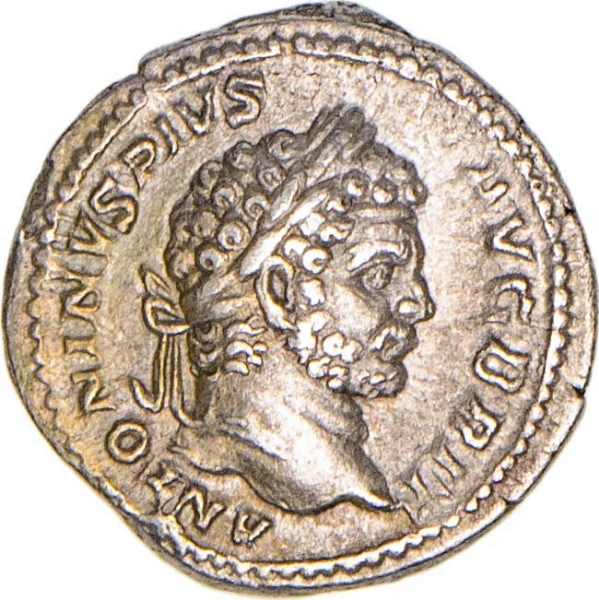
 - RBB086.jpg)
Picture Source of Caracalla: Wikipedia
Introduction to Caracalla: A Brief Overview
Caracalla, an emperor who ruled the Roman Empire from 211 to 217 AD, remains one of the most controversial figures in ancient history. Known for his ambitious policies and military campaigns, his rule is marked by both significant achievements and notorious actions. This article seeks to explore Caracalla's life, his policies, and his enduring legacy, shedding light on why he continues to be a subject of fascination and debate among historians.
Despite his short reign, Caracalla's impact on the Roman Empire was profound. He is best known for instituting the Edict of Caracalla, which extended Roman citizenship to all free men within the empire, a move that had far-reaching implications for the Roman legal and social systems. However, his tenure was also characterized by brutal acts, including the infamous massacre at Alexandria.
Caracalla's legacy is a complex tapestry woven with threads of reform, conquest, and controversy. This article will delve into the different facets of his rule, from his early life to his military campaigns, and examine how history judges this enigmatic emperor. By the end, readers will have a comprehensive understanding of Caracalla and the indelible mark he left on Roman history.
The Early Life of Caracalla
Born Lucius Septimius Bassianus on April 4, 188 AD, in Lugdunum, Gaul (modern-day Lyon, France), Caracalla was the eldest son of Emperor Septimius Severus and Julia Domna. His upbringing was steeped in the political machinations of the Roman imperial court, providing him with a deep understanding of governance from a young age. His childhood was spent largely in military camps, as his father was engaged in various campaigns to consolidate his power.
Caracalla's early education was comprehensive and included studies in rhetoric, philosophy, and the arts, reflecting his status as an heir to the throne. His upbringing was heavily influenced by his father’s military background, which instilled in him a formidable martial spirit that would later define his reign. However, his relationship with his younger brother, Geta, was fraught with tension, setting the stage for future conflicts.
The family dynamics within the Severan dynasty were complex. Julia Domna, Caracalla's mother, was a powerful figure who wielded significant influence in court politics. Her intellectual prowess and political acumen were instrumental in shaping Caracalla's character. Understanding these early influences is crucial to comprehending Caracalla's subsequent actions as emperor, particularly his approach to leadership and governance.
Caracalla’s Rise to Power
Caracalla was made co-emperor alongside his father in 198 AD, a move intended to secure the succession and stabilize the empire. This appointment thrust him into the limelight and provided him with invaluable experience in statecraft and military strategy. Upon Septimius Severus's death in 211 AD, Caracalla and Geta jointly inherited the throne, an arrangement that was fraught with tension and rivalry.
The co-emperorship was short-lived. By December 211 AD, Caracalla orchestrated the murder of Geta, consolidating power and eliminating any potential threat to his rule. This fratricide marked a turning point in Caracalla's reign, showcasing his ruthlessness and determination to secure absolute control over the empire. His actions were justified to the public as a necessary step to prevent civil war.
Caracalla's ascension to sole emperor marked the beginning of a new chapter in Roman history. His consolidation of power allowed him to pursue ambitious policies and reforms, albeit at the cost of his reputation. His rise to power is a testament to the complex interplay of familial ties, political ambition, and the harsh realities of Roman imperial politics.
Key Policies and Reforms of Caracalla
One of Caracalla's most significant contributions to Roman history was the Edict of Caracalla, or Constitutio Antoniniana, enacted in 212 AD. This decree granted Roman citizenship to all free men within the empire, dramatically altering the social and legal landscape. The edict aimed to unify the diverse populations under Roman rule, fostering a sense of shared identity and loyalty to the emperor.
The extension of citizenship had profound implications for the empire. It facilitated greater integration of provinces into the Roman administrative system and expanded the tax base, thereby increasing state revenues. However, it also diluted the exclusivity of Roman citizenship, leading to discontent among the traditional Roman elite. This bold policy is a testament to Caracalla’s vision of a cohesive empire, despite its mixed reception.
Aside from the edict, Caracalla implemented various military and economic reforms. He increased soldiers' pay, aiming to secure their loyalty and bolster military effectiveness. This decision, while popular with the troops, placed a significant strain on the empire’s finances, necessitating increased taxation. These reforms reflect Caracalla's focus on strengthening the military as the cornerstone of his power.
Caracalla's Military Campaigns and Their Impact
Caracalla's reign was marked by extensive military campaigns, which were central to his strategy for maintaining control and expanding the empire's borders. His campaigns in Germania and against the Parthian Empire were driven by a desire to emulate his father's military successes and reinforce his authority. He sought to project Roman power and secure its frontiers, though not always with lasting success.
In Germania, Caracalla led successful campaigns that resulted in temporary peace with the tribes, allowing for the consolidation of Roman influence in the region. However, these efforts were costly and strained the empire's resources. His military strategies often prioritised short-term gains over long-term stability, reflecting a broader pattern of aggressive expansionism.
Caracalla’s campaign against the Parthians, initiated in 216 AD, was part of a broader strategy to assert Roman dominance in the East. Although initially successful, his assassination in 217 AD left the campaign incomplete and destabilised the region. These military ventures highlight Caracalla’s ambitions but also underscore the challenges of sustaining an expansive empire amidst internal and external pressures.
The Edict of Caracalla: Citizenship for All?
The Edict of Caracalla, proclaimed in 212 AD, stands as one of the most ambitious and transformative policies of his reign. By extending citizenship to all free inhabitants of the Roman Empire, Caracalla sought to unify the vast and diverse territories under a common identity. This move was both a practical and ideological shift, aiming to strengthen the bonds between Rome and its provinces.
The edict had several implications. Legally, it meant that all free men were now subject to Roman law, with access to the rights and privileges that citizenship conferred. Economically, it expanded the tax base, as citizens were liable for certain taxes that non-citizens were not. Socially, it aimed to foster a sense of unity and loyalty to the emperor, although it also led to tensions with the Roman elite, who felt their status was diminished.
Despite its potential benefits, the edict was not without controversy. Critics argued that it diluted the prestige of Roman citizenship, eroding traditional social hierarchies. Nevertheless, the Edict of Caracalla remains a landmark moment in Roman history, reflecting the emperor's vision of an integrated and cohesive empire, albeit one fraught with challenges.
Controversies Surrounding Caracalla's Rule
Caracalla's reign is often remembered for its controversies, which have overshadowed many of his achievements. His reputation was tarnished by acts of brutality, such as the massacre of the inhabitants of Alexandria in 215 AD. This act was reportedly in response to the mockery of his fratricide, demonstrating his intolerance for dissent and willingness to use extreme measures to maintain control.
His autocratic style of governance, characterised by centralised power and reliance on the military, further alienated the senatorial class. This approach, while effective in consolidating authority, fostered resentment among Rome's traditional power structures. Caracalla's reliance on military support also had long-term implications for the stability of the empire, as it increased the army's influence over political matters.
Moreover, Caracalla's extravagant spending on military campaigns and construction projects, such as the Baths of Caracalla, placed enormous strain on the empire's finances. These fiscal policies, coupled with increased taxation, led to widespread economic discontent. The controversies of Caracalla's rule highlight the complexities of his leadership and the challenges of balancing ambition with pragmatism.
Caracalla’s Architectural Contributions
Despite the controversies, Caracalla's reign was marked by significant architectural achievements, most notably the construction of the Baths of Caracalla. These grand public baths, completed in 216 AD, exemplify the emperor's commitment to public works and his desire to leave a lasting legacy. The baths were among the largest and most impressive in the Roman world, showcasing the empire's engineering prowess.
The Baths of Caracalla were not merely functional; they were a symbol of imperial power and benevolence. The complex included libraries, exercise rooms, and gardens, serving as a cultural and social hub for the citizens of Rome. The scale and opulence of the baths reflected Caracalla's ambition to be remembered as a great patron of Roman culture and civic life.
Today, the ruins of the Baths of Caracalla stand as a testament to the emperor's architectural vision and the grandeur of the Roman Empire. They continue to attract visitors from around the world, offering a glimpse into the opulence and sophistication of ancient Roman society. Caracalla's architectural contributions, therefore, remain an enduring aspect of his legacy, illustrating the duality of his reign as both a builder and a destroyer.
The Legacy of Caracalla: How History Views Him
Caracalla's legacy is a subject of considerable debate among historians. His reign is often characterised by a dichotomy between his achievements and his transgressions. On one hand, he is credited with significant reforms and contributions to Roman civic life, such as the Edict of Caracalla and the Baths of Caracalla. These actions reflect his vision for a unified and culturally vibrant empire.
On the other hand, his rule is marred by acts of violence and tyranny, which have coloured historical assessments of his character. The murder of his brother Geta, the massacre at Alexandria, and his autocratic style are often cited as evidence of his ruthless disposition. Caracalla's reliance on military force to maintain power further complicates his legacy, highlighting the tensions between central authority and traditional Roman institutions.
Ultimately, Caracalla's legacy is a complex interplay of ambition, reform, and controversy. His reign offers valuable insights into the challenges of imperial governance and the intricacies of Roman politics. While his actions remain contentious, they continue to captivate historians and enthusiasts alike, ensuring that Caracalla's story is one that endures through the ages.
Reflecting on Caracalla's Reign
Reflecting on Caracalla's reign, it is evident that he was a ruler of considerable complexity. His ambitious reforms and military campaigns reflect a desire to strengthen and unify the Roman Empire, yet his methods often led to controversy and dissent. The tensions between his innovative policies and his autocratic tendencies highlight the challenges of leadership in an era of immense change.
Caracalla's rule offers valuable lessons on the balance between power and responsibility. His ability to enact sweeping changes, such as the Edict of Caracalla, demonstrates the potential for visionary leadership. However, his reliance on force and his disregard for traditional structures underscore the perils of unchecked authority. These dualities make Caracalla a compelling figure in Roman history, one whose impact continues to be felt.
As we consider Caracalla's legacy, we are reminded of the enduring relevance of his story. His reign encapsulates the complexities of governance, the interplay of ambition and morality, and the enduring power of historical narrative. By examining Caracalla's life and contributions, we gain a deeper understanding of the intricacies of Roman history and the timeless nature of leadership challenges.