 .jpg)
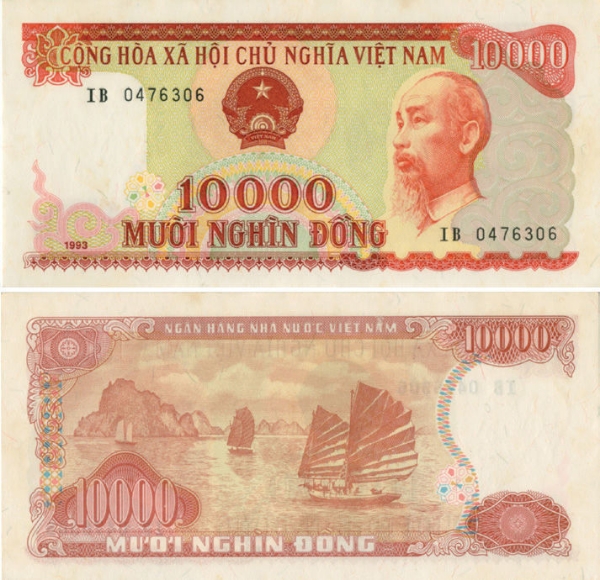
Picture Source of Ho Chi Minh: Wikipedia
Introduction to Ho Chi Minh: A Revolutionary Icon
Ho Chi Minh stands as a towering figure in the annals of 20th-century history, recognised as a pivotal leader who steered Vietnam towards independence. Born into a period of colonial domination, he emerged as a beacon of hope for millions striving for self-determination. His life's work not only reshaped Vietnam but also left indelible marks on global revolutionary movements.
As a revolutionary icon, Ho Chi Minh's influence extended beyond military strategies and political manoeuvres. He embodied the spirit of resilience and determination, inspiring countless individuals worldwide. His leadership style, marked by humility and strategic acumen, became a template for many who sought to resist imperial forces and advocate for national sovereignty.
The journey of Ho Chi Minh is not merely a chronicle of battles fought and won. It encapsulates the essence of a man who dedicated his entire existence to the cause of freedom and justice. Through understanding his life, one gains insight into the broader narrative of decolonisation and the relentless quest for equality around the globe.
Early Life and Education of Ho Chi Minh
Born on 19 May 1890 in a small village in central Vietnam, Ho Chi Minh, originally named Nguyen Sinh Cung, was immersed in a culture rich with tradition and resilience. His father, a Confucian scholar, instilled in him a deep sense of national pride and an awareness of the socio-political challenges facing the Vietnamese people. These early influences would shape his worldview and ignite his passion for change.
Educated in the traditional Confucian system, Ho Chi Minh was exposed to classical literature and philosophy. However, his quest for knowledge soon led him beyond the confines of his village. Travelling extensively, he sought to broaden his understanding of the world, absorbing diverse cultures and ideologies. This exposure to global perspectives played a crucial role in forming his revolutionary ethos.
During his travels, Ho Chi Minh encountered numerous political ideologies, including Marxism-Leninism, which profoundly influenced his future endeavours. His time in France, in particular, was instrumental in developing his political acumen. There, he engaged with fellow intellectuals and activists, laying the groundwork for his eventual return to Vietnam as a leader committed to national liberation.
Ho Chi Minh's Role in the Vietnamese Independence Movement
Ho Chi Minh's return to Vietnam marked the beginning of a relentless pursuit of independence from colonial rule. His early involvement with the Vietnamese nationalist movement was characterised by a strategic vision that combined political diplomacy with grassroots mobilisation. He recognised the necessity of uniting various factions to present a formidable front against colonial oppressors.
In 1941, Ho Chi Minh co-founded the Viet Minh, a revolutionary movement aimed at securing Vietnam's independence from French colonial rule. As a charismatic leader, he was adept at galvanising support from diverse sections of Vietnamese society, including peasants, intellectuals, and workers. His ability to bridge these social divides was crucial in building a cohesive movement.
Throughout the struggle for independence, Ho Chi Minh maintained an unwavering commitment to his principles. He skilfully navigated the turbulent political landscape, balancing the demands of international alliances with the aspirations of his people. His leadership during this period was instrumental in leading Vietnam towards its eventual liberation.
The Formation of the Viet Minh and the Fight Against Colonial Rule
The formation of the Viet Minh in 1941 was a decisive moment in the Vietnamese struggle for independence. Under Ho Chi Minh's leadership, the Viet Minh emerged as a formidable force, uniting various resistance groups under a common banner. This coalition was essential in coordinating efforts against both Japanese occupation during World War II and subsequent French colonial attempts to reclaim control.
Ho Chi Minh's strategic vision was evident in the organisational structure of the Viet Minh. He emphasised the importance of grassroots involvement, ensuring that the movement was deeply rooted in local communities. This approach not only strengthened the resistance but also fostered a sense of unity and purpose among the Vietnamese people.
The fight against colonial rule was fraught with challenges, but Ho Chi Minh's unwavering resolve and tactical brilliance enabled the Viet Minh to withstand numerous adversities. His ability to inspire and motivate his followers was a testament to his leadership prowess. The eventual victory over French forces at the Battle of Dien Bien Phu in 1954 marked a significant milestone in the Vietnamese quest for independence, underscoring Ho Chi Minh's enduring impact.
Ho Chi Minh's Leadership during the Vietnam War
The Vietnam War, a complex and protracted conflict, tested Ho Chi Minh's leadership like never before. As President of North Vietnam, he faced the daunting task of guiding his nation through a war that drew in global superpowers and caused immense suffering. His strategic acumen and unwavering commitment to his vision for a unified Vietnam were crucial in navigating this tumultuous period.
During the war, Ho Chi Minh's leadership was characterised by a focus on resilience and adaptability. He maintained a clear vision of a unified Vietnam, free from foreign occupation. Despite the immense challenges posed by the military might of the United States, he remained steadfast in his belief that perseverance and solidarity would ultimately prevail.
Ho Chi Minh's ability to inspire and mobilise his people was central to sustaining the war effort. His emphasis on the importance of national unity and the justness of their cause resonated deeply with the Vietnamese people. Even after his death in 1969, his legacy continued to guide the North Vietnamese forces, culminating in the reunification of Vietnam in 1975.
Key Policies and Ideologies of Ho Chi Minh
Ho Chi Minh's leadership was underpinned by a set of key policies and ideologies that shaped Vietnam's revolutionary journey. At the core of his vision was the principle of self-determination, advocating for a Vietnam free from foreign domination. This foundational belief guided his actions and decisions throughout his life.
Marxism-Leninism formed the ideological backbone of Ho Chi Minh's political strategy. He believed that the principles of socialism were essential in achieving social justice and economic equality. Under his leadership, efforts were made to redistribute land, improve education, and promote industrialisation, all aimed at uplifting the socio-economic status of the Vietnamese people.
Ho Chi Minh also emphasised the importance of international solidarity. He recognised that Vietnam's struggle was part of a broader global movement against imperialism and colonialism. By fostering alliances with other nations and revolutionary leaders, he sought to strengthen Vietnam's position on the world stage and ensure the success of its liberation endeavours.
Ho Chi Minh's Influence on Modern Vietnam
The legacy of Ho Chi Minh is deeply embedded in the fabric of modern Vietnam. His vision for a unified and independent nation laid the foundation for the country's development in the decades following independence. His principles of self-reliance and social equity continue to influence Vietnam's political and economic policies.
In contemporary Vietnam, Ho Chi Minh is celebrated as the "Father of the Nation." His teachings and ideologies are an integral part of the country's educational curriculum, ensuring that future generations understand and appreciate his contributions. The principles he championed, such as national unity and resilience, remain relevant in guiding Vietnam's progress.
Ho Chi Minh's influence extends beyond political boundaries, shaping Vietnam's cultural and social identity. His emphasis on education, equality, and social justice is reflected in the nation's ongoing efforts to improve the quality of life for its citizens. In many ways, modern Vietnam embodies the vision that Ho Chi Minh tirelessly worked towards throughout his life.
The Global Impact of Ho Chi Minh's Revolutionary Ideas
Ho Chi Minh's revolutionary ideas transcended national borders, leaving a lasting impact on global movements for liberation and justice. His commitment to self-determination and equality resonated with oppressed peoples worldwide, inspiring similar struggles against colonialism and imperialism.
His advocacy for international solidarity was particularly influential in the broader context of decolonisation. Ho Chi Minh's efforts to build alliances with other revolutionary leaders and nations underscored the importance of collective action in challenging oppressive systems. This approach contributed to the strengthening of global networks dedicated to advancing social justice and political freedom.
Furthermore, Ho Chi Minh's life and legacy continue to be studied by scholars and activists seeking to understand the dynamics of revolutionary movements. His strategic acumen, ideological clarity, and ability to inspire mass mobilisation offer valuable lessons for those committed to creating a more equitable world order.