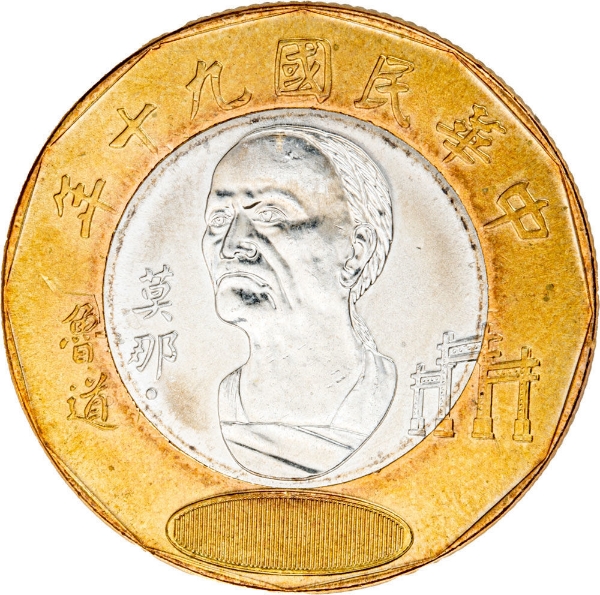
Picture Source of Mona Rudao: Find a grave
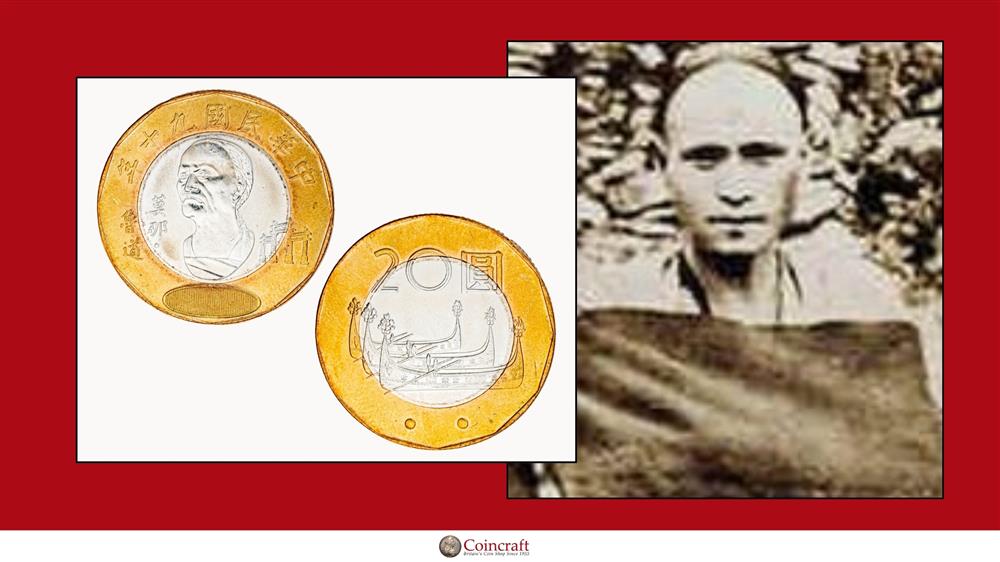
Introduction to Mona Rudao
Mona Rudao stands as a pivotal figure in the history of Taiwan, remembered for his indomitable spirit and leadership during a time of intense struggle. Born in the early 20th century, Rudao was a chieftain of the Seediq tribe, one of the indigenous peoples of Taiwan. His life encapsulates the turbulent era of colonial rule, where his defiance against oppression became a symbol of resistance and courage.
Rudao's story is not simply one of rebellion but also of cultural preservation and identity. He was deeply rooted in the traditions and customs of the Seediq, which he staunchly defended even as external forces sought to suppress them. His leadership extended beyond mere warfare; it was about safeguarding a way of life that was under threat. Through his actions, Rudao became a beacon of hope for indigenous communities striving for recognition and autonomy.
The tale of Mona Rudao is significant not just within the annals of Taiwanese history but also in the broader context of indigenous rights worldwide. His legacy serves as a reminder of the power of resilience and the importance of standing up for one's beliefs. As we delve into his life, we uncover lessons that resonate across time and cultures.
Historical Context of Mona Rudao's Life
The early 20th century was a period marked by colonial expansion and domination, with Taiwan under the rule of the Japanese Empire. This era was characterized by efforts to assimilate indigenous populations, often through coercive means and systematic oppression. The Japanese authorities implemented policies aimed at eradicating indigenous cultures and identities, imposing their language and customs on the native people.
Mona Rudao was born into this environment of cultural tension and resistance. The Seediq, like many other indigenous groups, faced immense pressure to conform to the colonial regime. Traditional practices were outlawed, and the people were subjected to harsh labor conditions and land confiscations. It was within this backdrop that Rudao emerged as a leader, determined to fight for the rights and dignity of his people.
Rudao's leadership was catalyzed by the growing discontent among the indigenous communities. His ability to unify the Seediq and other tribes under a common cause was instrumental in the events that unfolded. The historical context of his life is essential in understanding the motivations behind his revolutionary actions and the profound impact they had on the fight for indigenous rights.
The Revolutionary Actions of Mona Rudao
Mona Rudao's most notable contribution to history is his leadership during the Wushe Incident in 1930. This was a pivotal uprising against Japanese colonial forces, sparked by years of systemic injustice and cultural erosion. Under Rudao's command, the Seediq warriors orchestrated a bold attack on the Japanese, marking a significant moment of defiance and resistance.
The uprising was meticulously planned, demonstrating Rudao's strategic acumen and deep understanding of both his adversaries and his terrain. He harnessed the collective anger and frustration of his people, turning it into a powerful force for change. Despite being outnumbered and outgunned, the Seediq warriors fought with unparalleled bravery, driven by a desire to reclaim their autonomy and preserve their heritage.
While the revolt ultimately led to severe repercussions for the Seediq, including brutal reprisals and further oppression, it succeeded in drawing international attention to the plight of Taiwan's indigenous peoples. Mona Rudao's actions highlighted the urgent need for justice and equality, setting the stage for future movements advocating for indigenous rights. His legacy as a revolutionary leader is enshrined in the hearts of those who continue to fight for freedom and recognition.
Impact on Indigenous Rights and Freedom
The legacy of Mona Rudao extends far beyond his lifetime, influencing the trajectory of indigenous rights movements in Taiwan and beyond. His defiance against colonial rule inspired subsequent generations to continue the struggle for recognition, equality, and self-determination. The Wushe Incident, though tragic, served as a catalyst for change, igniting a sense of solidarity and empowerment among indigenous groups.
In the decades following Rudao's revolt, Taiwan witnessed a gradual shift in attitudes towards its indigenous populations. Activists and leaders drew inspiration from his courage, advocating for policy changes and greater representation within the political system. These efforts culminated in significant milestones, such as the establishment of the Indigenous Peoples Basic Law in 2005, which aimed to protect the rights and cultural heritage of Taiwan's indigenous communities.
Mona Rudao's impact is not confined to Taiwan alone. His story resonates with indigenous peoples worldwide, serving as a powerful testament to the resilience and fortitude required to challenge oppressive systems. His legacy underscores the importance of preserving cultural identities and fostering an inclusive society that honours diversity and respects the rights of all its members.
Mona Rudao's Legacy in Modern Society
Today, Mona Rudao's legacy is celebrated and remembered through various means, reflecting the enduring influence of his leadership. His story has been immortalized in literature, film, and art, ensuring that his contributions are not forgotten. These cultural representations serve as a bridge between past and present, connecting contemporary society with the struggles and triumphs of those who came before.
In modern Taiwan, Rudao is honoured as a national hero, symbolizing the ongoing quest for justice and equality. His life and actions have become a focal point in discussions about indigenous rights, prompting critical reflections on the country's colonial past and its implications for the present. As Taiwan continues to navigate its identity on the global stage, Rudao's legacy provides valuable insights into the importance of acknowledging and addressing historical injustices.
The influence of Mona Rudao also extends to educational initiatives aimed at raising awareness about indigenous cultures and histories. By integrating his story into curricula and public discourse, there is an opportunity to foster greater understanding and appreciation for the contributions of indigenous peoples. This, in turn, helps to promote a more inclusive and equitable society, where diversity is celebrated and respected.
Cultural Representations and Commemorations
Mona Rudao's impact is vividly captured through various cultural representations that celebrate his life and legacy. Films such as "Warriors of the Rainbow: Seediq Bale" have brought his story to the forefront, reaching audiences worldwide and sparking renewed interest in Taiwan's indigenous history. These artistic portrayals provide a compelling narrative that highlights the complexities and challenges faced by Rudao and his people.
In addition to films, Rudao's legacy is commemorated through literature, music, and visual arts. Writers and artists have drawn inspiration from his story, creating works that explore themes of resilience, identity, and resistance. These cultural expressions serve as powerful tools for education and advocacy, shedding light on the struggles and triumphs of indigenous communities.
Commemorations of Mona Rudao also take place through events and ceremonies that honour his contributions. These gatherings provide an opportunity for reflection and celebration, bringing together diverse groups to pay tribute to his enduring influence. By keeping his memory alive, these commemorations ensure that Rudao's legacy continues to inspire future generations to pursue justice and equality for all.
Lessons from Mona Rudao's Leadership
Mona Rudao's leadership offers valuable lessons that are relevant in today's world. His unwavering commitment to his people and their rights serves as a powerful reminder of the importance of standing up for justice and equality. Rudao's ability to unite and inspire his community in the face of adversity highlights the significance of strong, empathetic leadership.
One of the key lessons from Rudao's life is the importance of cultural preservation and identity. His dedication to safeguarding the traditions and customs of the Seediq underscores the value of maintaining one's cultural heritage in the face of external pressures. In an increasingly globalized world, Rudao's example serves as a call to action to protect and celebrate diversity.
Rudao's story also emphasizes the power of resilience and perseverance. Despite overwhelming odds, he remained steadfast in his pursuit of freedom and justice. His legacy inspires individuals and communities to continue fighting for their rights, even in the face of formidable challenges. By embodying these lessons, we can work towards a more inclusive and equitable society that honours the contributions of all its members.