
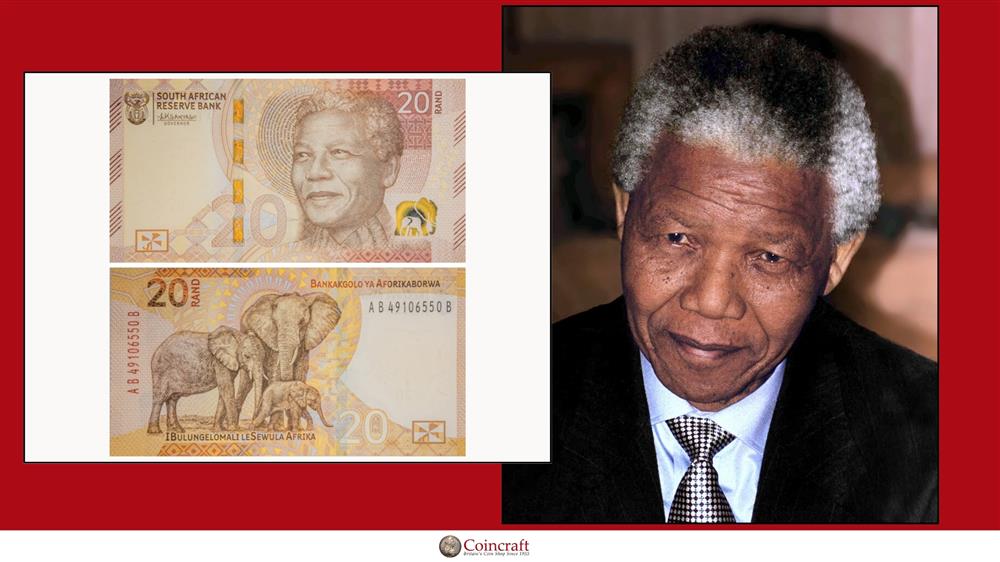
Picture Source of Nelson Mandela: Wikipedia
Introduction to Nelson Mandela's Legacy
Nelson Mandela remains a beacon of hope and resilience, an extraordinary leader whose legacy transcends time and borders. As we reflect on his life, we find ourselves captivated by the sheer magnitude of his contributions to society. Nelson Mandela was not merely a leader; he was a symbol of freedom and justice, whose influence continues to resonate across the globe.
His legacy is not just a story of a man, but a narrative of a nation's journey towards freedom and equality. Mandela's life teaches us that true leadership is rooted in humility, resilience, and an unwavering commitment to justice. By exploring his legacy, we gain valuable insights into the qualities that define great leaders and the enduring impact they can have on the world.
In this article, we will delve into the different facets of Mandela's life, from his early influences to his global impact, and uncover the lessons in leadership and resilience that we can draw from his extraordinary journey.
Early Life and Influences on Mandela's Leadership
Nelson Mandela was born on 18th July 1918, in the small village of Mvezo, in the Eastern Cape of South Africa. His early life was deeply influenced by his family's history and the traditions of the Xhosa people. As a child, Mandela listened intently to the elders’ stories of bravery and African history, which instilled in him a profound sense of pride and justice.
Mandela's education played a pivotal role in shaping his leadership ideologies. He attended the University of Fort Hare, one of the few higher education institutions available to black South Africans at the time. It was here that Mandela was exposed to the ideas of equality and democratic governance, which would profoundly influence his political beliefs. His time at Fort Hare was marked by active participation in student politics, laying the groundwork for his future leadership role.
The influence of his legal training cannot be overlooked. Mandela's studies at the University of Witwatersrand and his subsequent work as a lawyer in Johannesburg provided him with critical insights into the systemic injustices faced by black South Africans. It was through his legal practice that Mandela honed his skills in negotiation and advocacy, tools that would prove invaluable in his fight against apartheid.
The Fight Against Apartheid: Mandela's Role
Mandela’s commitment to ending apartheid was unwavering. As a founding member of the African National Congress Youth League (ANCYL), he played a crucial role in mobilising young South Africans to challenge the oppressive regime. His leadership within the ANCYL was instrumental in broadening the scope of the struggle against racial discrimination.
One of Mandela's most notable contributions was his involvement in the Defiance Campaign of 1952. This campaign was a peaceful protest against discriminatory laws, and it marked the beginning of a more aggressive phase in the anti-apartheid movement. Mandela's determination and strategic vision were crucial in organising and leading this campaign, which significantly increased international awareness of the apartheid regime.
Despite the government's attempts to silence him, Mandela continued to push for change. His role in the creation of Umkhonto we Sizwe, the armed wing of the ANC, demonstrated his willingness to adapt his strategies in the face of increased oppression. Mandela's leadership was characterised by a commitment to non-violence, yet he understood the necessity of armed resistance when peaceful protests were met with brutal repression.
Imprisonment and Resilience: The Power of Endurance
In 1962, Mandela was arrested and subsequently sentenced to life imprisonment. His incarceration on Robben Island became symbolic of the struggle against apartheid. Despite the harsh conditions, Mandela's resilience never wavered. His time in prison was marked by a relentless pursuit of self-improvement and solidarity with his fellow inmates.
Mandela used his imprisonment as an opportunity to strengthen his leadership qualities. He engaged in continuous learning and dialogue, fostering unity and purpose among his fellow prisoners. His ability to maintain a sense of dignity and purpose during these years is a testament to his extraordinary resilience and endurance.
The years spent behind bars did not diminish Mandela's commitment to his cause; instead, they amplified his resolve. Upon his release in 1990, after 27 years of imprisonment, Mandela emerged as a symbol of hope and reconciliation. His capacity to forgive his oppressors and his vision for a peaceful transition to democracy remain one of the most remarkable examples of resilience in modern history.
Leadership Qualities Exemplified by Mandela
Mandela embodied several leadership qualities that set him apart as an exceptional leader. At the core of his leadership was a deep sense of humility and an ability to connect with people from all walks of life. He believed in the power of collective action and was always willing to listen and learn from others.
One of the most profound qualities Mandela exemplified was his capacity for empathy. He understood the importance of acknowledging the experiences and suffering of others, which allowed him to build bridges across racial and political divides. His empathy was a driving force in his efforts to unite a fractured nation.
Visionary thinking was another hallmark of Mandela's leadership. He possessed a clear vision for a democratic and inclusive South Africa, and he relentlessly pursued this goal, inspiring others to join him in the journey. His ability to articulate this vision and rally support was instrumental in the eventual dismantling of apartheid and the establishment of a new democratic order.
Mandela's Vision for a Unified South Africa
Mandela's vision for South Africa was rooted in the principles of equality, justice, and reconciliation. He envisioned a country where all individuals, regardless of race, could coexist in harmony and share in the nation's prosperity. This vision was pivotal in guiding South Africa through its transition from apartheid to democracy.
Achieving this vision required immense courage and strategic acumen. Mandela understood that reconciliation was essential for the country's stability, and he worked tirelessly to foster a spirit of forgiveness and unity. His leadership during the negotiation process for a new constitution was instrumental in ensuring a peaceful transition of power.
Mandela's presidency was characterised by efforts to heal the nation and address the socio-economic disparities that persisted post-apartheid. His policies focused on education, healthcare, and social justice, aiming to uplift the marginalised and create opportunities for all. Mandela's vision for a unified South Africa continues to inspire leaders and activists around the world.
Global Impact: Mandela's Influence Beyond Borders
Nelson Mandela's influence extended far beyond the borders of South Africa. He became a global symbol of the fight for freedom and human rights, inspiring movements for justice and equality worldwide. His commitment to peace and reconciliation resonated with people across continents, earning him international respect and admiration.
Mandela's global impact is evident in the numerous awards and honours he received, including the Nobel Peace Prize in 1993. His legacy is celebrated in countries around the world, with statues and memorials erected in his honour. Mandela's ability to transcend cultural and national boundaries is a testament to the universal appeal of his message.
The principles Mandela championed continue to guide international human rights efforts. His emphasis on dialogue, forgiveness, and collaboration serves as a blueprint for resolving conflicts and promoting peace. As we navigate the challenges of the modern world, Mandela's global influence reminds us of the power of leadership rooted in compassion and justice.
Lessons in Leadership from Nelson Mandela
From Mandela's life, we can draw several key lessons in leadership that remain relevant today. Firstly, the importance of resilience cannot be overstated. Mandela's ability to endure adversity without losing sight of his goals is a powerful reminder that true leaders persevere in the face of challenges.
Another lesson is the value of empathy and understanding. Mandela's capacity to connect with others, even those who opposed him, underscores the significance of listening and learning from diverse perspectives. This quality is crucial for leaders seeking to build inclusive and cohesive communities.
Finally, Mandela's legacy teaches us the importance of having a clear vision and the courage to pursue it relentlessly. His unwavering commitment to a just and equal society inspires us to strive for transformative change, even when the odds seem insurmountable. By embodying these lessons, we can honour Mandela's memory and continue his work in our own communities.
Continuing Mandela's Legacy in Today's World
In today's world, continuing Mandela's legacy requires a collective commitment to the values he championed. As individuals, we have the power to effect change by embodying the principles of justice, equality, and reconciliation in our daily lives. By fostering dialogue and understanding, we can contribute to the creation of more inclusive and empathetic communities.
Organisations and leaders can also play a pivotal role in continuing Mandela's legacy. By prioritising social justice and equality in their policies and practices, they can drive systemic change and address the inequalities that persist in our societies. Mandela's leadership teaches us that transformative change is achievable when we work collaboratively towards a common goal.
As we reflect on Mandela's enduring influence, let us commit to carrying forward his vision for a better world. Whether through activism, education, or community engagement, each of us has a role to play in building a more just and equitable society. By doing so, we can ensure that Mandela's legacy continues to inspire future generations.
Reflecting on Mandela's Enduring Influence
Nelson Mandela's enduring influence is a testament to his extraordinary leadership and resilience. His life serves as a powerful reminder of the impact one individual can have in shaping the course of history. As I reflect on his legacy, I am inspired by the courage and determination he displayed in the face of overwhelming odds.
Mandela's legacy continues to guide us in our pursuit of a more just and equitable world. His teachings on leadership, resilience, and reconciliation remain relevant as we navigate the complexities of modern society. By embracing these lessons, we can honour Mandela's memory and work towards a future where equality and justice prevail.
As we conclude this exploration of Nelson Mandela's legacy, let us remember his profound words: "It always seems impossible until it’s done." Let us draw strength from his example and strive to effect meaningful change in our world. Together, we can continue to build on Mandela's legacy and create a brighter future for all.