.jpg)
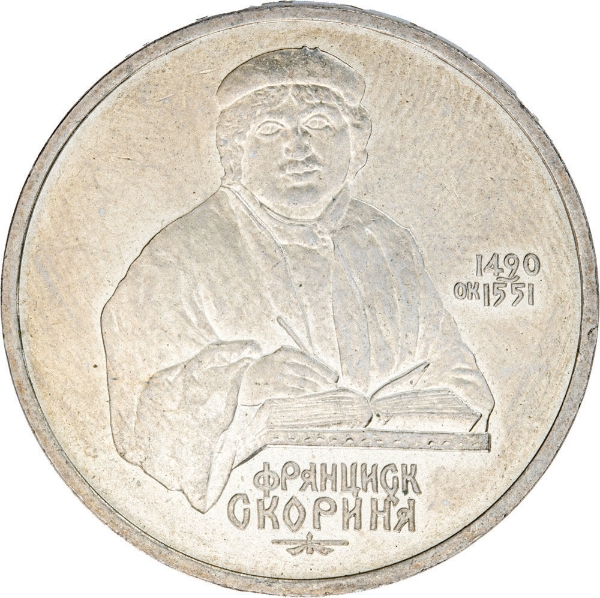
Picture Source of Francysk Skaryna: Wikipedia
Introduction to Francysk Skaryna
Francysk Skaryna stands as a monumental figure in the history of Eastern European printing and literature. Born in the late 15th century in Polotsk, which is now part of modern-day Belarus, he is celebrated not merely for his role as a printer but also as a cultural ambassador who shaped the intellectual landscape of his time. Skaryna is often regarded as the first printer in Belarus and one of the first to publish in the Old Belarusian language, which was critical for the dissemination of knowledge and literature in the region.
His pioneering efforts in print technology came at a time when Eastern Europe was experiencing a cultural and intellectual awakening. This period was marked by the spread of humanism and Renaissance ideas, which encouraged the pursuit of knowledge and the importance of education. Skaryna’s contributions are emblematic of this broader movement, reflecting the intersection of technology, culture, and the blossoming of national identity.
As a trailblazer, Skaryna’s influence extended far beyond the realm of printing. He laid the groundwork for future generations of writers, printers, and scholars, fostering a rich literary tradition in Belarus and influencing the development of printing practices across Eastern Europe. His legacy continues to resonate today, highlighting the enduring importance of his work in shaping national culture and identity.
The Historical Context of Eastern European Printing
The emergence of printing in Eastern Europe can be traced back to the 15th century, a time when the invention of the printing press by Johannes Gutenberg revolutionised the dissemination of knowledge in the West. As Europe began to experience the transformative power of printed materials, Eastern Europe was not far behind. Various factors contributed to the flourishing of this new medium, including the rise of literacy, the spread of the Renaissance, and the increasing demand for religious texts.
During this era, Eastern Europe was characterised by a diverse tapestry of languages, cultures, and religious practices. The introduction of the printing press allowed for the mass production of texts in various vernacular languages, making literature and knowledge accessible to a wider audience. This accessibility played a pivotal role in fostering a sense of national identity and cultural pride among Eastern European societies, many of which were grappling with foreign domination and internal strife.
Francysk Skaryna emerged as a key player in this landscape. His work in printing not only catered to the local population’s thirst for knowledge but also contributed to the preservation and promotion of the Old Belarusian language. In a period when Latin and Church Slavonic dominated the literary scene, Skaryna’s decision to print in the vernacular was revolutionary, as it helped to elevate the status of the local language and cultivate a unique cultural identity.
Francysk Skaryna’s Early Life and Education
Francysk Skaryna was born into a family of educated merchants, which set a strong foundation for his intellectual pursuits. His early education took place in Polotsk, where he was exposed to a rich cultural environment that encouraged learning and exploration. Recognising his potential, his family supported his further studies, leading him to the prestigious University of Kraków in Poland. Here, he immersed himself in the humanities, studying subjects such as philosophy, theology, and languages.
During his time at university, Skaryna was influenced by the ideas of the Renaissance and humanism, which emphasised the importance of individual thought and the value of classical texts. This intellectual environment shaped his worldview and inspired him to return to his homeland with a mission: to bring knowledge to the people of Belarus through the medium of print. His education not only equipped him with the skills necessary for printing but also ignited a passion for literature that would define his career.
After completing his studies, Skaryna travelled across Europe, gaining further exposure to various printing techniques and practices. This journey not only broadened his horizons but also provided him with valuable connections that would later support his printing ventures. Upon returning to Polotsk, he was determined to establish a printing house that would serve as a beacon of knowledge and culture for his fellow Belarusians.
Skaryna’s Contributions to Printing and Literature
Francysk Skaryna’s most significant contribution lies in his establishment of the first printing house in Belarus, which he founded in 1517. His first major publication, the "Psalter," was a groundbreaking achievement, as it was one of the earliest books printed in the Old Belarusian language. This work not only showcased his printing skills but also underscored his commitment to making religious texts accessible to the local population.
In total, Skaryna is credited with printing over 20 works, including religious texts, educational materials, and literature. His publications often featured intricate woodcut illustrations, which enhanced the visual appeal of the texts and made them more engaging for readers. By combining art and literature, Skaryna elevated the standards of book production in Eastern Europe, setting a precedent for future printers.
Moreover, Skaryna’s choice to publish in the vernacular was a revolutionary act that resonated deeply with the local populace. At a time when most religious texts were available only in Latin or Church Slavonic, Skaryna’s decision to use Old Belarusian was instrumental in fostering a sense of cultural pride and identity. His work not only helped to preserve the language but also encouraged literacy among the masses, paving the way for a more educated society.
Analysis of Skaryna’s Printed Works
Skaryna's printed works are a treasure trove for scholars and enthusiasts of Eastern European literature and history. His texts often reflect the socio-political landscape of the time, addressing issues of faith, morality, and national identity. The "Psalter," for instance, is not just a religious text; it is a manifestation of Skaryna's vision to provide spiritual guidance to the common people while affirming the significance of their language and culture.
In addition to the "Psalter," Skaryna published a variety of works, including "The Gospel" and "The Apostles." Each of these texts was meticulously crafted, reflecting his dedication to quality and authenticity. The use of the Old Belarusian language in these works marked a pivotal moment in the literary history of Belarus, as it allowed for a richer exploration of local themes and narratives. Skaryna's writings often contained moral lessons and ethical reflections that resonated with the everyday experiences of his readers.
Furthermore, Skaryna's printed texts were innovative in their use of typography and layout. His incorporation of decorative elements and illustrations not only enhanced the aesthetic appeal of the books but also served to engage readers visually. The combination of text and image was a hallmark of his printing style, setting a standard for future generations of printers in the region.
The Influence of Skaryna on Future Generations
Francysk Skaryna's impact on Eastern European literature and printing cannot be overstated. His pioneering efforts inspired a new generation of writers, scholars, and printers who sought to emulate his success and further develop the literary landscape. Skaryna's commitment to the Old Belarusian language encouraged others to follow suit, leading to a flourishing of vernacular literature that celebrated local culture and identity.
In the centuries that followed, Skaryna’s influence was evident in the works of notable Belarusian authors and poets who embraced his legacy. They drew inspiration from his dedication to the vernacular, the quality of his printed works, and his vision for a literate society. The cultural shift that Skaryna initiated paved the way for a rich literary tradition, culminating in the emergence of modern Belarusian literature.
Additionally, Skaryna's contributions to printing technology laid the groundwork for the establishment of more printing houses throughout Eastern Europe. His methodologies and techniques were adopted by subsequent printers, allowing the art of printing to flourish in the region. As a result, the proliferation of printed materials contributed to the rise of literacy rates and the spread of knowledge among the populace, further solidifying Skaryna's legacy as a transformative figure in Eastern European history.
Skaryna’s Legacy in Modern Belarus and Beyond
Today, Francysk Skaryna is celebrated as a national hero in Belarus, symbolising the strength of cultural identity and the importance of education. His legacy is deeply ingrained in the national consciousness, with numerous institutions, streets, and monuments commemorating his contributions to literature and printing. The Belarusian government has recognised his significance by establishing various initiatives aimed at promoting literacy and cultural heritage, ensuring that his impact is felt in contemporary society.
In addition to his national recognition, Skaryna's influence extends beyond the borders of Belarus. Scholars and historians across Eastern Europe regard him as a pioneering figure in the region's literary and cultural development. His commitment to print and the promotion of the vernacular language has inspired similar movements in neighbouring countries, where local languages were also revitalised through literature and education.
Moreover, Skaryna’s work has become a focal point in discussions about cultural preservation and the role of literature in shaping national identity. His legacy is not merely a historical footnote; it serves as a reminder of the power of print in promoting knowledge and fostering a sense of belonging among people. As modern society grapples with the challenges of globalization and cultural homogenisation, Skaryna’s vision remains relevant, underscoring the importance of language, literature, and cultural heritage in fostering a vibrant national identity.
Commemorating Francysk Skaryna: Statues and Celebrations
The legacy of Francysk Skaryna is celebrated in various forms throughout Belarus. Statues and monuments dedicated to him can be found in several cities, serving as a testament to his enduring impact. These installations not only honour his contributions but also serve as educational resources, reminding the public of the importance of literacy and cultural heritage. Such monuments are often accompanied by plaques detailing his life and achievements, ensuring that future generations understand his significance.
In addition to monuments, annual celebrations and events are held to commemorate Skaryna’s contributions to culture and literature. These events often include literary festivals, exhibitions, and public readings, designed to engage the community and promote awareness of Belarusian literature. Schools and universities frequently incorporate Skaryna’s works into their curricula, fostering a deeper appreciation of his contributions among students.
Furthermore, international collaborations have emerged to celebrate Skaryna’s legacy beyond Belarus. Scholars and literary enthusiasts from various countries come together to discuss his works and their significance in the broader context of Eastern European literature. Such initiatives not only foster cross-cultural dialogue but also highlight the relevance of Skaryna's contributions in a globalised world.