.jpg)
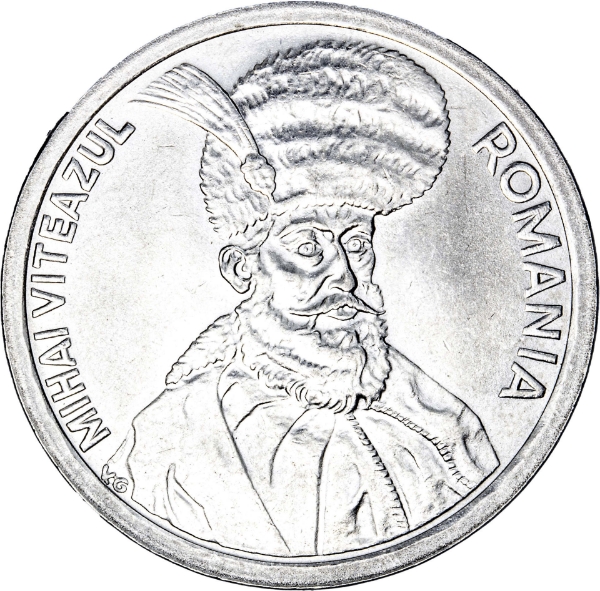
Picture Source of Mihai Viteazul: Wikipedia
Introduction to Mihai Viteazul
Mihai Viteazul, often referred to as Michael the Brave, is a monumental figure in Romanian history, celebrated for his unyielding spirit and strategic prowess in the unification of the Romanian territories. Born in 1558, Mihai was a prince of Wallachia, and his life was marked by a series of military campaigns that would eventually lead to the temporary unification of Wallachia, Transylvania, and Moldavia in 1600. This achievement was not only a significant military feat but also a symbolic gesture towards the idea of a united Romanian people.
Mihai Viteazul's early life was steeped in the political and military intricacies of the time. His upbringing in a noble family prepared him for leadership roles, while his exposure to the cultural and political dynamics of Wallachia and its neighbouring regions shaped his vision for unification. As a leader, Mihai was known for his charisma and ability to inspire loyalty among his followers, qualities that would prove essential in his campaigns.
His legacy is deeply embedded in the national consciousness of Romania, symbolising the aspirations of unity and resistance against foreign domination. Today, Mihai Viteazul is not only remembered as a military leader but also as a visionary who laid the groundwork for the modern concept of a unified Romania.
Historical Background of Mihai Viteazul
The late 16th and early 17th centuries were a tumultuous period for the Romanian principalities, marked by frequent conflicts and shifting alliances. During this time, the lands of Wallachia, Moldavia, and Transylvania were often caught in the crossfire of larger empires, such as the Ottoman Empire, the Habsburg Monarchy, and the Polish-Lithuanian Commonwealth. These external pressures necessitated strong leadership and foresight, qualities that Mihai Viteazul exemplified.
Mihai Viteazul emerged as a pivotal figure against this backdrop, rising to power as the Voivode of Wallachia in 1593. His ascent was characterised by strategic alliances and calculated military campaigns aimed at consolidating his power. Despite the constant threat of invasion and betrayal, Mihai managed to maintain his authority through a combination of diplomacy and military strength.
The political landscape during Mihai's time was also defined by a complex web of loyalties and rivalries among the local nobility, foreign powers, and the Orthodox Church. Navigating these dynamics required astute political acumen, which Mihai possessed in abundance. His ability to forge alliances and manage internal dissent was instrumental in his efforts to unify the Romanian lands.
Mihai Viteazul's Role in Romanian Unification
Mihai Viteazul's vision for Romanian unification was ambitious and unprecedented. His efforts culminated in the year 1600 when he achieved the unification of Wallachia, Transylvania, and Moldavia under his rule. This marked the first time these historically and culturally linked territories were governed by a single ruler, albeit briefly.
The unification was not merely a political manoeuvre; it was a statement of cultural and national identity. Mihai's efforts were driven by a desire to strengthen the Romanian principalities against external threats and to foster a sense of unity among the Romanian people. This vision resonated with many, earning him widespread support and admiration.
However, Mihai's unification was short-lived, lasting only a few months before being undone by internal and external pressures. Despite its brevity, his achievement left a lasting impact on the Romanian consciousness, serving as a precursor to the modern Romanian state and inspiring future generations in their quest for unity and independence.
Key Battles and Military Strategies
Mihai Viteazul's military acumen was evident in several key battles that defined his reign. His strategies often involved a combination of surprise attacks, strategic alliances, and leveraging the terrain to his advantage. One of his most notable victories was at the Battle of Călugăreni in 1595, where his forces, though outnumbered, managed to repel the Ottoman army through a combination of tactical brilliance and sheer determination.
Another significant engagement was the Battle of Mirăslău in 1600, a critical campaign in his unification efforts. Despite facing formidable opposition, Mihai's leadership and ability to inspire his troops played a crucial role in securing victory. His military campaigns were characterised by their boldness and the ability to adapt to rapidly changing circumstances.
Mihai's military strategies were not limited to the battlefield; he also employed diplomatic tactics to weaken his adversaries and strengthen his position. By forming alliances with neighbouring powers such as the Habsburgs and the Polish-Lithuanian Commonwealth, he managed to secure critical support and resources. These alliances were pivotal in his efforts to maintain control over the unified territories.
The Political Landscape During Mihai Viteazul's Reign
The political landscape of Mihai Viteazul’s reign was marked by a complex interplay of internal and external forces. Internally, Mihai had to navigate the intricate dynamics of Wallachian nobility, who were often divided in their loyalties and ambitions. His ability to manage these relationships was crucial in maintaining stability and support for his unification efforts.
Externally, the presence of powerful neighbours such as the Ottoman Empire and the Habsburg Monarchy posed significant challenges. Mihai’s diplomatic skills were put to the test as he sought to balance these relationships, often playing one power against the other to secure favourable terms for his principality. His ability to negotiate treaties and maintain alliances was a testament to his political acumen.
Mihai's reign also saw efforts to reform the administrative and military structures of the principalities he governed. His reforms aimed at centralising power and improving the efficiency of governance, laying the foundation for a more unified and cohesive state. These initiatives, although met with resistance, were critical in strengthening his position and advancing his unification agenda.
Cultural Impact of Mihai Viteazul on Romania
Mihai Viteazul's influence extended beyond the political and military realms; he also left an indelible mark on Romanian culture. His reign is often associated with a renaissance of Romanian identity, where the idea of a unified Romanian culture began to take shape. This period saw a flourishing of arts and literature, as well as a renewed interest in Romanian history and heritage.
Mihai's efforts to promote a sense of national identity were reflected in various cultural expressions, from literature to architecture. Churches and monasteries from his era often feature a blend of Romanian and Byzantine architectural styles, symbolising the unity of the Romanian people. Additionally, his patronage of the arts helped foster a cultural environment that celebrated Romanian traditions and history.
The cultural legacy of Mihai Viteazul is still evident in contemporary Romania, where he is celebrated as a national hero. His life and achievements have inspired countless works of art, literature, and film, ensuring that his story continues to resonate with new generations. This cultural impact underscores his enduring influence on the Romanian national identity.
Legacy and Commemoration of Mihai Viteazul
Mihai Viteazul's legacy is commemorated throughout Romania in various forms, from statues and monuments to educational institutions and public squares named in his honour. These commemorations serve as a testament to his enduring influence and the pivotal role he played in shaping Romanian history. His image is often depicted in traditional attire, symbolising his connection to Romanian heritage and his vision for unity.
One of the most iconic monuments dedicated to Mihai Viteazul is the statue in Alba Iulia, the city where he was proclaimed ruler of the three principalities. This statue is a popular site for visitors and locals alike, a place where the spirit of his unification efforts is celebrated. Educational initiatives, such as schools and universities bearing his name, further perpetuate his legacy, ensuring that future generations learn about his contributions to Romanian unity.
Commemorative events, such as historical reenactments and cultural festivals, are also held in his honour, bringing communities together to celebrate his achievements. These events not only serve as a reminder of Mihai's historical significance but also reinforce the values of unity and resilience that he championed.
Contemporary Perspectives on Mihai Viteazul
In contemporary discourse, Mihai Viteazul is often seen as a symbol of national unity and resistance against foreign domination. His story is a source of inspiration for many Romanians, embodying the values of courage, determination, and vision. However, his legacy is also subject to reinterpretation and debate, as historians and scholars continually reassess his impact on Romanian history.
Modern perspectives on Mihai Viteazul often explore the complexities of his reign, examining the challenges he faced and the strategies he employed to achieve his goals. These analyses provide a deeper understanding of his leadership style and the socio-political context of his time. While some view him as a heroic figure, others critique his methods and the short-lived nature of his unification.
Despite differing opinions, Mihai Viteazul remains a central figure in Romanian history, a testament to the enduring relevance of his vision. His legacy continues to inspire discussions about national identity and the ongoing quest for unity, highlighting the timeless nature of his contributions to Romanian society.
Mihai Viteazul's Enduring Influence
Mihai Viteazul's legacy as a unifying force in Romanian history is a testament to his visionary leadership and commitment to the idea of a united Romanian nation. His efforts to consolidate Wallachia, Transylvania, and Moldavia under one rule marked a significant milestone in the quest for national unity, laying the groundwork for future generations to build upon.
While his unification was short-lived, the impact of his achievements continues to resonate in contemporary Romania. Mihai's story is a powerful reminder of the importance of vision, determination, and leadership in the face of adversity. His enduring influence is reflected in the cultural, political, and social fabric of Romania, where he is celebrated as a national hero and a symbol of unity.
As Romania continues to evolve, the legacy of Mihai Viteazul serves as an inspiration for those who aspire to uphold the values of unity, resilience, and national pride. His story encourages individuals and communities to strive towards a shared vision of a cohesive and prosperous society, echoing the ideals that Mihai championed centuries ago.