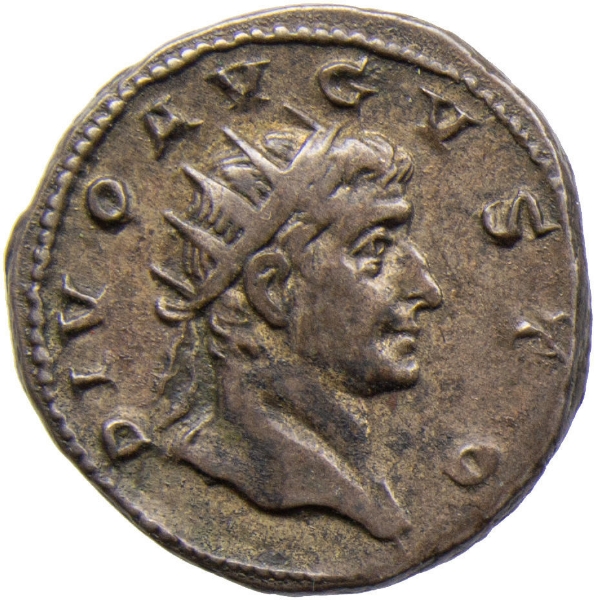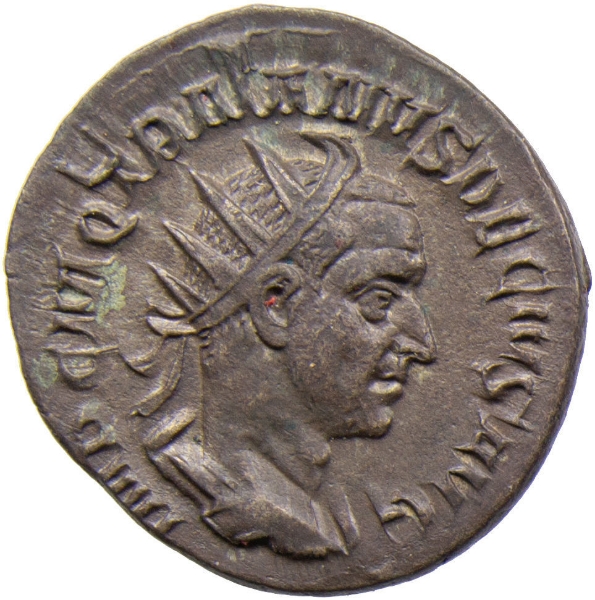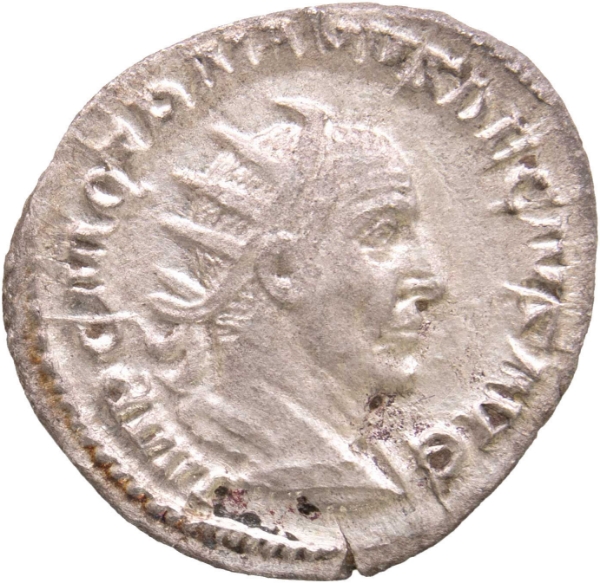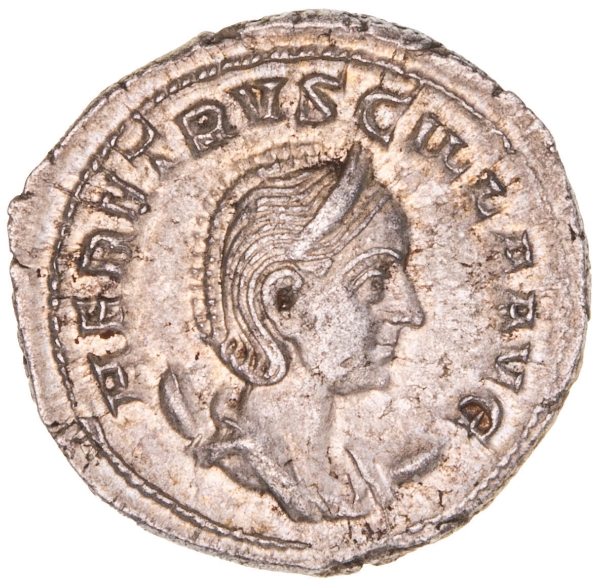
 - ATA0040.jpg)
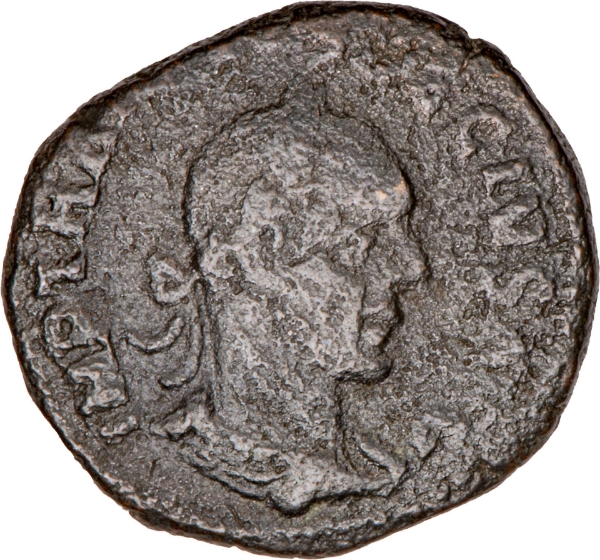
Picture Source of Trajan Decius: Wikipedia
Meet Trajan Decius: The Emperor Who Tried to Save Rome (And Paid the Ultimate Price)
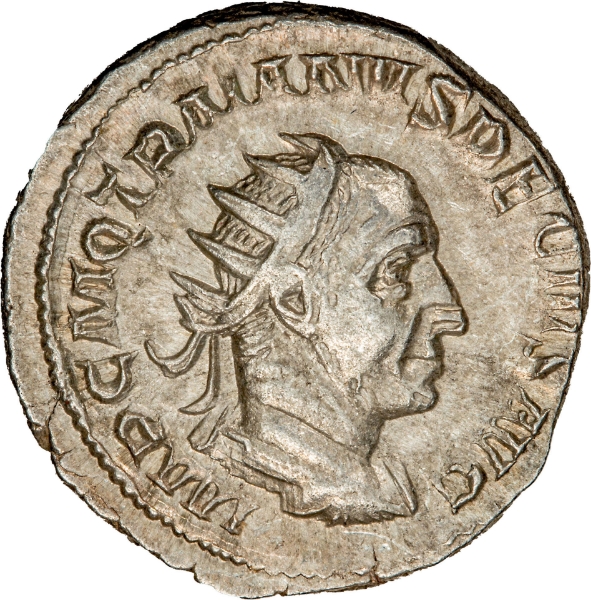
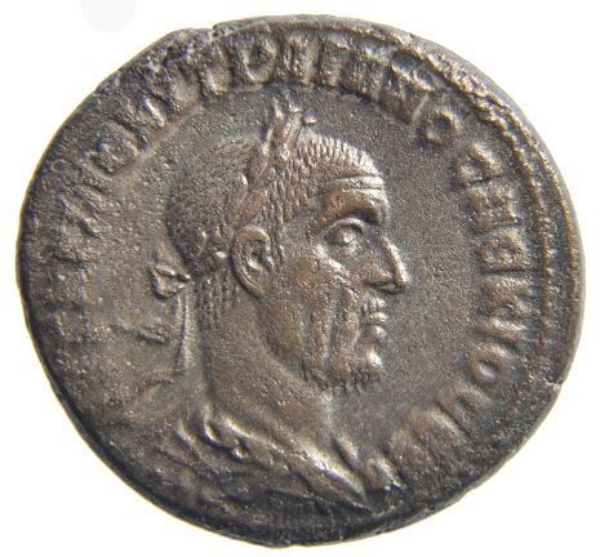
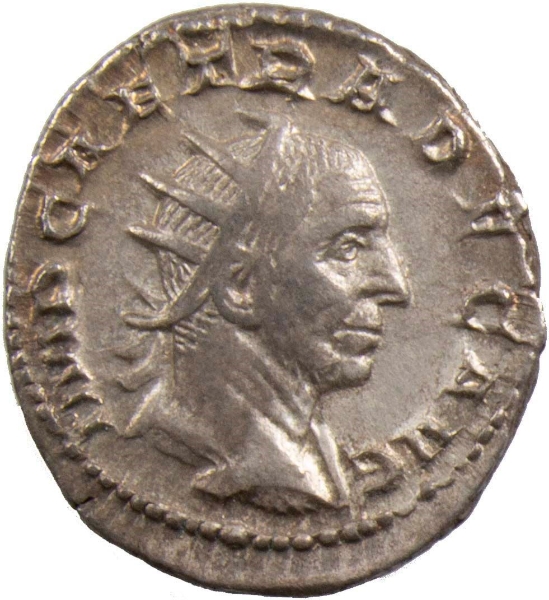
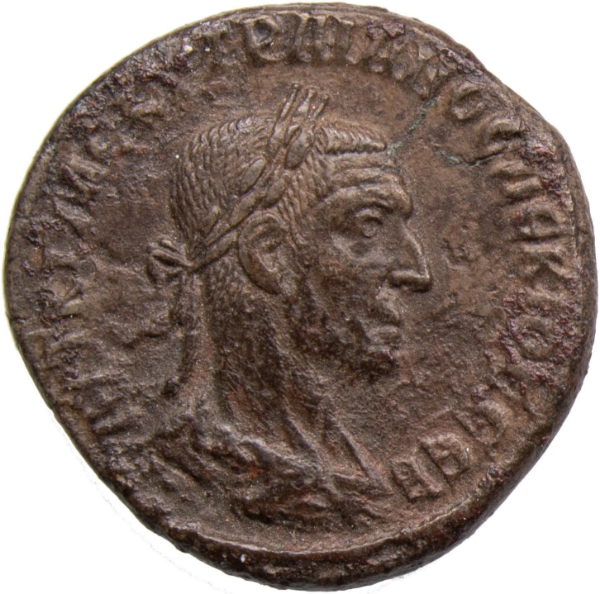
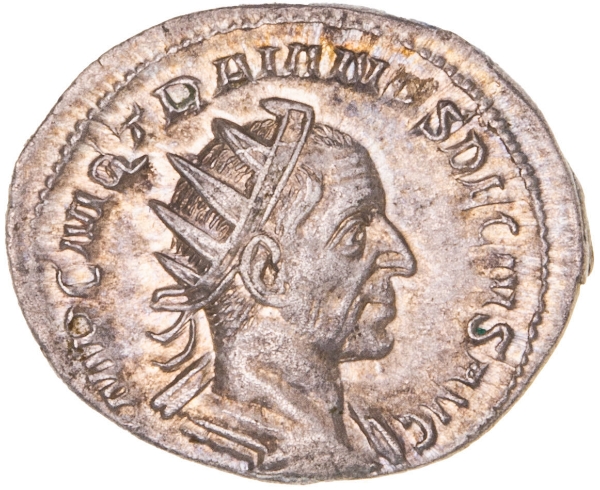
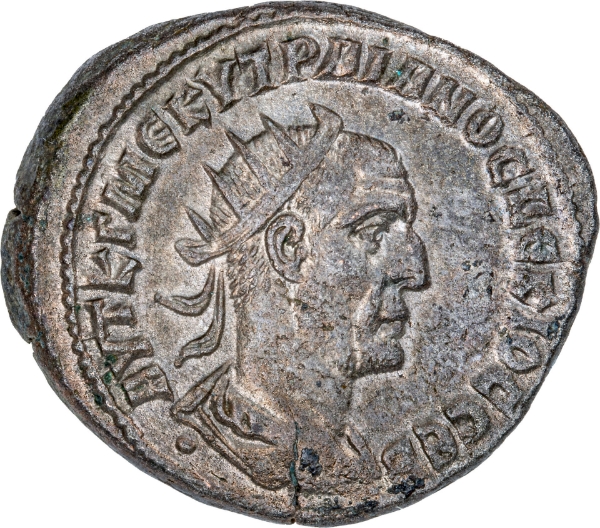
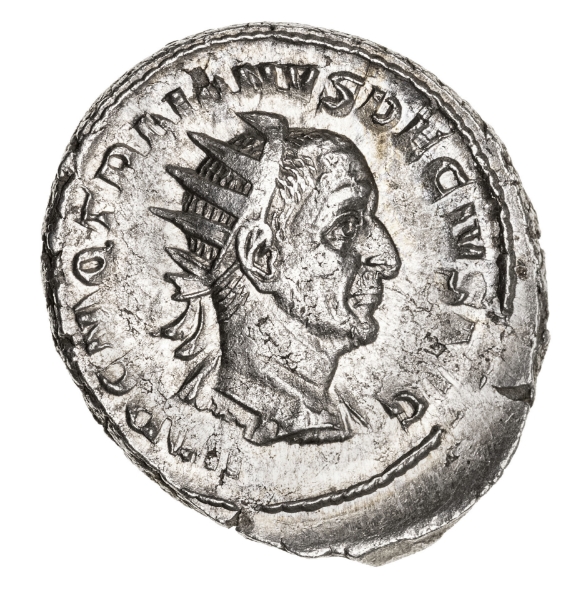
Gaius Messius Quintus Traianus Decius, known to history as Trajan Decius, ruled the Roman Empire from AD 249 to 251. Despite his brief reign of barely two years, Decius occupies a pivotal space in Roman history. He ruled during the chaotic "Crisis of the Third Century," a period characterized by economic collapse, plague, usurpation, and relentless barbarian incursions. Decius is primarily remembered for two unprecedented historical markers: he was the author of the first empire-wide persecution of Christians, and he was the first Roman emperor to be killed in battle by a foreign enemy.
To view Decius merely as a tyrannical persecutor or a failed general is to misread the historical context. Modern scholarship recognizes him as a capable, deeply conservative statesman and soldier who attempted to reverse the empire’s terminal decline by reviving ancient Roman traditions, discipline, and piety.
Key Takeaways
A Reluctant Ruler: Decius didn't actively seek the throne; he was proclaimed emperor by his loyal troops after successfully crushing a rebellion.
The Traditionalist: He tried to fix Rome's massive crises by reviving ancient Roman traditions, discipline, and religion (the pax deorum).
The First Widespread Persecution: Decius ordered the first empire-wide persecution of Christians, though his primary goal was civic unity rather than religious extermination.
A Tragic End: He holds the dark historical distinction of being the first Roman emperor to be killed in battle by a foreign enemy.
From Aristocrat to Reluctant Ruler: Decius's Early Life
Unlike the gritty "barracks emperors" who would follow him—men who clawed their way up from the peasant class entirely through military muscle—Decius had a pretty comfortable start. Born around AD 201 in the village of Budalia (in modern-day Serbia), he came from a solid, aristocratic senatorial background. This made him the first in a long line of Illyrian emperors, but he was certainly no common foot soldier(1).
Before he ever wore the imperial purple, Decius had a stellar resume. He served as a consul, governed provinces in modern-day Spain and the Balkans, and even held the prestigious title of Urban Prefect of Rome. He was known as a strict, capable boss who deeply respected the Senate and the rule of law.
So, how did he become emperor? Well, it was the classic third-century Roman accident. In AD 245, the current emperor, Philip the Arab, was dealing with mutinies and Gothic invasions. Philip sent Decius, his most capable guy, to clean up the mess. Decius was too good at his job. He crushed the mutinies and restored order so effectively that the legions, tired of Philip's distant leadership, proclaimed Decius their new emperor in AD 249<sup>2</sup>.
Decius actually wrote to Philip, essentially saying, "Hey, I don't want this job, I'll step down when I get back to Rome!" But Philip didn't buy it and marched out to fight him. Decius won the ensuing Battle of Verona, Philip was killed, and suddenly, our strict administrator was the undisputed master of the Roman world.
Turning Back the Clock: The Quest for the Peace of the Gods
Decius inherited a nightmare. The borders were leaking, inflation was out of control, and a horrifying pandemic (the Plague of Cyprian) was ravaging the population. To a traditional, conservative Roman mind like Decius's, these weren't just bad luck—they were symptoms of a spiritual sickness. He believed Rome had broken the pax deorum (the peace of the gods) by abandoning its ancestral traditions.
His solution? Turn back the clock. Decius wanted to centralize Roman identity around traditional paganism and civic duty. He engaged in massive public works, like building the glorious Baths of Decius in Rome, to project stability. He even tried to revive the ancient moral-policing office of the Censor to root out governmental corruption. He wanted Rome to be Roman again.
The Decian Persecution: A Tragic Miscalculation
This desperate desire to restore spiritual unity led to Decius's most infamous policy: the Edict of Decius in January AD 250. This law required every single inhabitant of the empire to perform a sacrifice to the Roman gods and the Emperor's well-being in front of a magistrate. If you did it, you got a libellus—a little receipt proving your loyalty(3).
Now, historians generally agree that Decius wasn't specifically trying to wipe out Christians; he just wanted a massive, empire-wide loyalty pledge. But for devout Christians, this was an impossible ask. You couldn't sacrifice to Roman gods without committing a grave sin.
The fallout was catastrophic. The Christian community, which had been enjoying relative peace, was caught completely off guard. Prominent leaders who refused to comply, like Pope Fabian, were executed. Many Christians caved to the pressure, performed the sacrifices, or bought forged receipts on the black market. This later caused massive, bitter drama within the Church over whether to forgive those who had lapsed in their faith. Decius's quest for unity ended up creating devastating fractures.
The Swamp of Doom: The Gothic Wars and Abritus
While Decius was busy mandating spiritual unity, the physical borders of his empire were physically collapsing. In AD 250, a massive coalition of Goths led by the brilliant King Cniva crossed the frozen Danube River.
Leaving the paperwork in Rome, Decius marched out with his eldest son to face the threat personally. It was a grueling campaign. King Cniva was a strategic mastermind who continually outmaneuvered the Romans, at one point surprising Decius's camp and forcing a humiliating retreat.
The climax came in the summer of AD 251 at the Battle of Abritus (in modern Bulgaria). It was a total disaster for Rome. Early in the fighting, Decius's son was struck by an arrow and killed. Showing incredible stoicism, Decius allegedly tried to rally his men by shouting, "Let no one mourn; the death of one soldier is not a great loss to the republic!"(4)
But bravery wasn't enough. Cniva lured the heavy Roman infantry into an impenetrable, muddy swamp. Bogged down and unable to move or defend themselves, the legions were slaughtered. Decius fell in the massacre, and his body was swallowed by the marsh, never to be found.
A Tragic Legacy
Trajan Decius's reign was short but incredibly impactful. For centuries, Christian historians painted him as a cartoonish villain struck down by divine wrath. But looking back today, we see a much more tragic, deeply human figure.
Decius was an energetic leader who correctly diagnosed Rome's problems—disunity, lack of discipline, and weak borders. His solutions, however, were stuck in the past. His religious mandates only alienated his people, and his military bravery was outmatched by a changing world. By dying in a swamp at the hands of a foreign king, Decius shattered the myth of Roman invincibility, accidentally accelerating the very crisis he gave his life trying to stop.
Frequently Asked Questions (FAQs)
Why did Decius persecute the Christians? Decius didn't explicitly target Christians out of pure malice. He issued a universal edict requiring all citizens to sacrifice to the Roman gods to prove their loyalty to the state and restore the pax deorum (peace of the gods). Because Christians' monotheistic beliefs prevented them from participating, they became the primary victims of the law.
What was the Battle of Abritus? The Battle of Abritus took place in AD 251 between the Roman army led by Decius and a coalition of Goths led by King Cniva. The Goths lured the Romans into a swamp, leading to a catastrophic Roman defeat.
Was Trajan Decius a "bad" emperor? "Bad" is subjective! Modern historians view him less as an evil tyrant and more as a capable, deeply traditional man who was placed in an impossible situation. He genuinely tried to save Rome using the traditional methods he knew, but his strategies were fundamentally outdated for the crises of the 3rd century.
References
Potter, D.S. (2004). The Roman Empire at Bay, AD 180–395. London: Routledge. Available at: https://www.routledge.com/The-Roman-Empire-at-Bay-AD-180-395/Potter/p/book/9780415840552
Southern, P. (2001). The Roman Empire from Severus to Constantine. London: Routledge.
Frend, W.H.C. (1984). The Rise of Christianity. Philadelphia: Fortress Press.
Heather, P. (2005). The Fall of the Roman Empire: A New History of Rome and the Barbarians. Oxford: Oxford University Press. Available at: https://global.oup.com/academic/product/the-fall-of-the-roman-empire-9780195325416