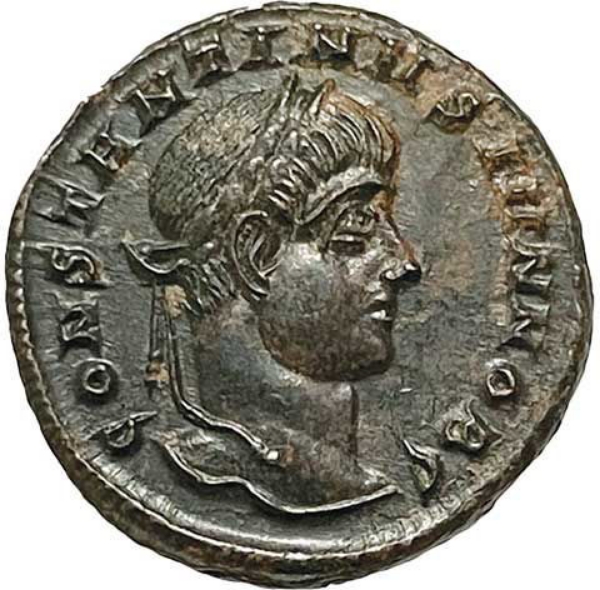
 - SGM278-4201.jpg)
Constantine II picture source: Wikipedia
Introduction to Constantine II: A Brief Overview
Constantine II, often overshadowed by his illustrious father, Constantine the Great, played a pivotal role in shaping the course of Roman history. Born in AD 316, he was the second son of Constantine I and Fausta. As a Roman Emperor, his reign was marked by significant military campaigns, intricate political manoeuvres, and a complex relationship with his brothers. Despite a relatively short rule, Constantine II's influence on the Roman Empire is undeniably profound and warrants a closer examination.
From his early years, Constantine II was groomed for leadership, reflecting the ambition and strategic foresight of his father. His upbringing was steeped in the political and military traditions of the time, preparing him for the challenges that lay ahead. Though his reign was fraught with challenges, Constantine II's legacy endures in the annals of history, offering insights into the complexities of Roman imperial politics.
This exploration of Constantine II's life and legacy seeks to illuminate the nuances of his rule and the indelible impact he left on the Roman Empire. By delving into his early life, reign, military exploits, religious policies, and eventual downfall, we gain a comprehensive understanding of a ruler who, though often overlooked, played a crucial role in shaping the trajectory of Roman history.
The Rise of Constantine II: Background and Early Life
Constantine II's rise to power was deeply rooted in the political landscape of the Roman Empire and the legacy of his father. His early life was marked by education in military and administrative affairs, skills that were crucial for any future emperor. Raised in the imperial court, he was exposed to the intricacies of governance and the responsibilities that come with leadership.
As a child, Constantine II was part of a dynastic strategy that saw him elevated to the position of Caesar in AD 317, alongside his brothers, Constantius II and Constans. This early elevation was part of Constantine the Great's plan to secure the succession and maintain stability within the empire. The young Constantine II was thus thrust into a world of political complexity and familial rivalry, which would shape his future reign.
The death of Constantine the Great in AD 337 marked a turning point for Constantine II and his brothers. The empire was divided among them, with Constantine II receiving control over the western provinces, including Britain, Gaul, and Hispania. These regions were both a blessing and a challenge, requiring strong leadership to manage their diverse cultures and defend against external threats. This period of his life was characterised by both opportunity and tension, as the young emperor sought to assert his authority and navigate the dangerous waters of Roman imperial politics.
Reign of Constantine II: Key Events and Milestones
Constantine II's reign, though brief, was marked by significant achievements and challenges that would define his legacy. Upon ascending to the role of Augustus, he was tasked with governing the western part of the Roman Empire, a region with its own unique challenges and opportunities. His rule saw the implementation of policies aimed at strengthening the empire and consolidating his power.
One of the most notable events during his reign was his conflict with his brother Constans, which ultimately led to a military confrontation in AD 340. The dispute arose over territorial control and authority, with Constantine II seeking to expand his influence beyond his designated provinces. This fraternal conflict highlighted the inherent tensions within the divided empire and underscored the challenges of shared rule among imperial siblings.
Despite the internal strife, Constantine II's reign also witnessed efforts to stabilise and fortify the regions under his control. He sought to maintain peace and stability in Gaul and Britain, focusing on defending the empire's borders from external threats. His military campaigns were aimed at protecting Roman territories and ensuring the continued prosperity of the regions he governed. These efforts, though overshadowed by his untimely demise, reflect a ruler committed to the welfare and security of his empire.
The Legacy of Constantine II: Impact on the Roman Empire
The legacy of Constantine II, while often overshadowed by familial and political strife, left an indelible mark on the Roman Empire. His efforts to maintain stability and fortify the western provinces laid the groundwork for future rulers, contributing to the long-term resilience of the empire. His reign, though brief, demonstrated the complexities of shared rule and the challenges of maintaining unity within a divided imperial structure.
Constantine II's military campaigns, though not as celebrated as those of other emperors, played a crucial role in defending the empire's borders. By focusing on the security and stability of the western provinces, he ensured that these regions remained integral parts of the Roman Empire. His strategic approach to governance and military affairs helped to preserve the integrity of the empire in a time of potential fragmentation.
Moreover, Constantine II's influence extended beyond his immediate reign, as his policies and actions set precedents for future emperors. His attempts to balance power among his siblings and maintain control over his territories highlighted the difficulties of co-ruling an expansive empire. These experiences provided valuable lessons for subsequent rulers, shaping the way the empire was governed in the years following his death.
Military Campaigns and Achievements of Constantine II
Constantine II's reign was characterised by several military campaigns that aimed to defend the Roman Empire's borders and secure its territories. His military initiatives were crucial in maintaining the stability and security of the western provinces, which were vulnerable to external threats from various barbarian tribes and rival factions.
One of his most significant military achievements was the defence of the Rhine frontier. The region was a focal point for invasions by Germanic tribes, and Constantine II's efforts to fortify and secure the border were vital in protecting the Roman territories. His leadership in these campaigns demonstrated his commitment to the empire's security and his ability to lead military forces effectively.
In addition to defending the empire's borders, Constantine II also sought to expand Roman influence through strategic alliances and diplomatic efforts. His interactions with neighbouring tribes and kingdoms were aimed at establishing peace and stability, allowing for the continued prosperity of the regions under his control. These diplomatic efforts, combined with his military campaigns, underscored his strategic vision for the Roman Empire and his dedication to its preservation.
Religious Policies and Their Significance
Constantine II's reign was also marked by his approach to religious policies, which played a significant role in shaping the cultural and spiritual landscape of the Roman Empire. His religious policies were influenced by the legacy of his father, Constantine the Great, who was instrumental in the spread of Christianity and the establishment of religious tolerance across the empire.
While Constantine II continued to support the Christian church, his reign was also characterised by efforts to maintain religious harmony and tolerance. He sought to balance the diverse religious beliefs within the empire, recognising the importance of unity and cohesion among his subjects. This approach was crucial in preventing religious conflicts and ensuring the stability of the regions under his control.
The significance of Constantine II's religious policies can be seen in his attempts to mediate between different Christian factions and promote religious dialogue. His efforts to foster cooperation and understanding among various religious groups contributed to a more inclusive and harmonious society. These policies, though not without challenges, reflect his commitment to maintaining peace and stability within the empire through religious tolerance and understanding.
The Relationship Between Constantine II and His Brothers
The relationship between Constantine II and his brothers, Constantius II and Constans, was a defining aspect of his reign and had a significant impact on the governance of the Roman Empire. The division of power among the three siblings was intended to provide stability and continuity following the death of their father, Constantine the Great. However, this arrangement also led to tensions and conflicts that would ultimately shape their respective reigns.
Initially, the brothers attempted to maintain a cooperative relationship, recognising the importance of unity in governing the expansive Roman Empire. However, differing ambitions and territorial disputes soon strained their alliance. Constantine II's desire to expand his influence and authority led to a confrontation with Constans, who controlled the central provinces of the empire. This conflict culminated in a military engagement that would have lasting repercussions for all involved.
The rivalry and eventual conflict between Constantine II and his brothers illustrate the complexities of shared rule in the Roman Empire. The challenges of balancing power, managing territorial disputes, and maintaining familial loyalty were central to their reigns and highlighted the difficulties of co-governance. These dynamics, while ultimately contributing to Constantine II's downfall, offer valuable insights into the intricacies of Roman imperial politics and the challenges faced by its rulers.
The Downfall of Constantine II: Factors Leading to His Demise
The downfall of Constantine II was the result of a combination of internal and external factors that ultimately led to his demise. The conflict with his brother Constans was a pivotal moment in his reign, as it exposed the vulnerabilities and tensions within the divided empire. The military confrontation in AD 340, in which Constantine II was defeated and killed, marked the end of his rule and the consolidation of power by Constans.
One of the key factors leading to his downfall was the inherent challenges of shared rule among the imperial siblings. The division of the empire, intended to provide stability, instead led to rivalry and competition for control. Constantine II's ambition to expand his influence beyond his designated territories strained relations with his brothers and ultimately precipitated his conflict with Constans.
In addition to familial tensions, Constantine II faced challenges from external threats and internal dissent within his provinces. His efforts to maintain stability and defend the empire's borders were complicated by the constant pressure from barbarian invasions and the complexities of managing diverse regions. These challenges, coupled with the internal discord among the ruling brothers, ultimately contributed to his untimely demise and the end of his reign.
Historical Interpretations of Constantine II's Rule
The historical interpretations of Constantine II's rule are varied and reflect the complexities of his reign. While some historians view his efforts to maintain stability and defend the empire as commendable, others highlight the challenges and conflicts that defined his time as emperor. These differing perspectives offer a nuanced understanding of his legacy and the impact of his reign on the Roman Empire.
One interpretation focuses on Constantine II's military and administrative achievements, emphasising his commitment to securing the empire's borders and maintaining stability in his provinces. This perspective highlights his strategic vision and dedication to the preservation of the Roman Empire, despite the challenges he faced.
Conversely, other interpretations underscore the internal conflicts and familial rivalries that characterised his reign. These accounts highlight the difficulties of shared rule and the challenges of maintaining unity within a divided empire. The tensions between Constantine II and his brothers are seen as indicative of the broader complexities of Roman imperial politics and the inherent challenges of co-governance.
The Enduring Legacy of Constantine II
The enduring legacy of Constantine II is one of complexity and nuance, reflecting both the achievements and challenges of his reign. As a Roman Emperor, his efforts to maintain stability, defend the empire's borders, and promote religious tolerance have left a lasting impact on the history of the Roman Empire. Despite the brevity of his rule, his influence on the political and cultural landscape of the empire is undeniable.
Constantine II's reign provides valuable insights into the intricacies of Roman imperial politics and the challenges of shared rule. His experiences highlight the difficulties of balancing power, managing territorial disputes, and maintaining familial loyalty within a divided empire. These lessons continue to inform our understanding of the Roman Empire and its rulers.
In examining the life and legacy of Constantine II, one is reminded of the complexities and challenges faced by those who governed the expansive Roman Empire. His contributions to the stability and security of the western provinces, as well as his efforts to promote religious harmony, reflect a ruler committed to the welfare and prosperity of his empire. The legacy of Constantine II, though often overshadowed by his more famous relatives, remains an integral part of Roman history and offers valuable lessons for future generations.