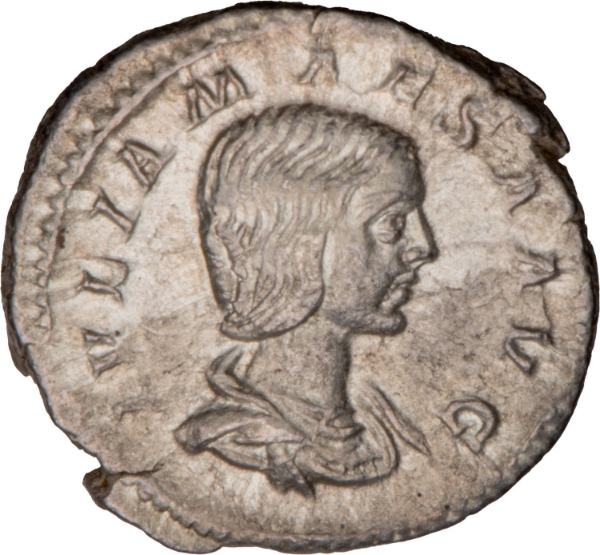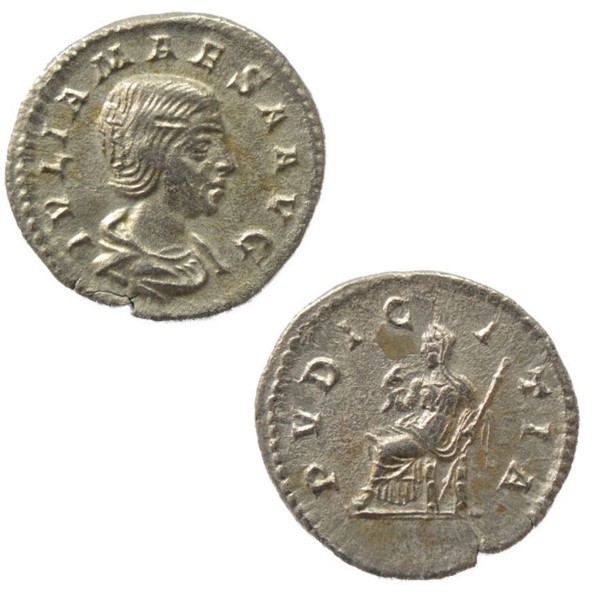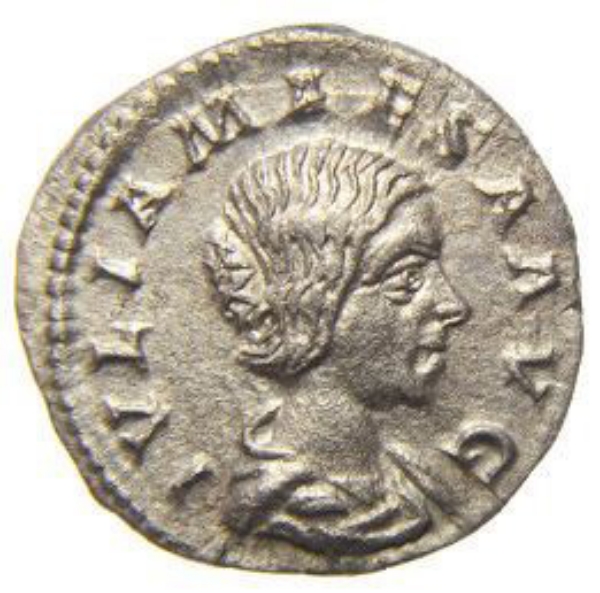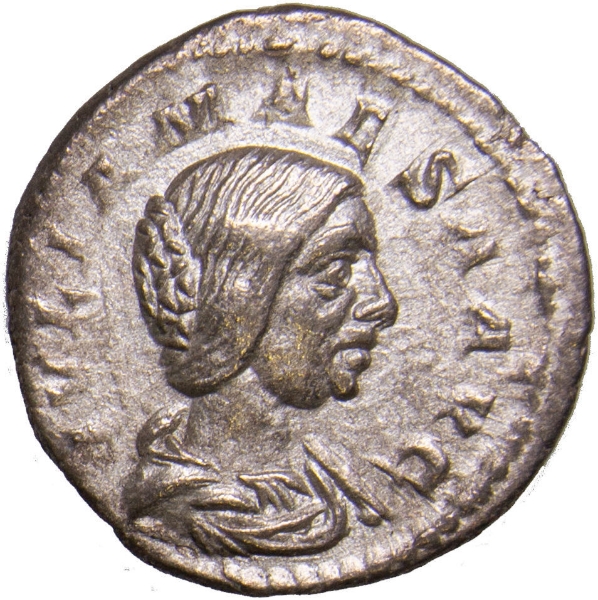
 - 162164.jpg)
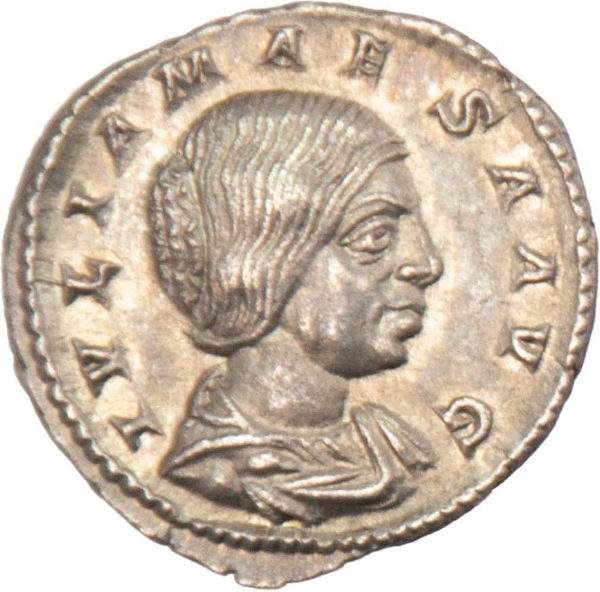
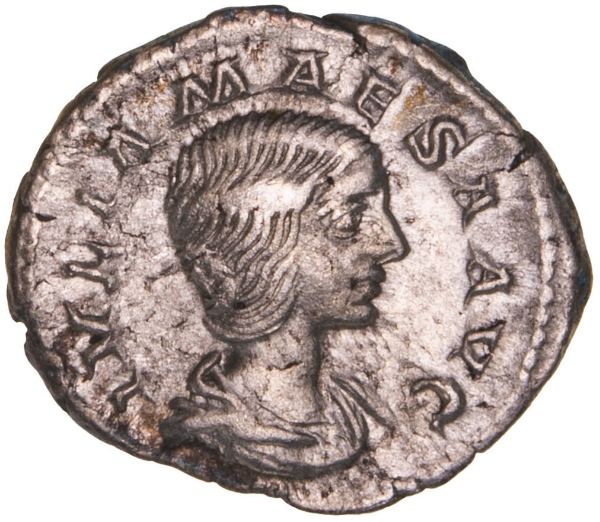
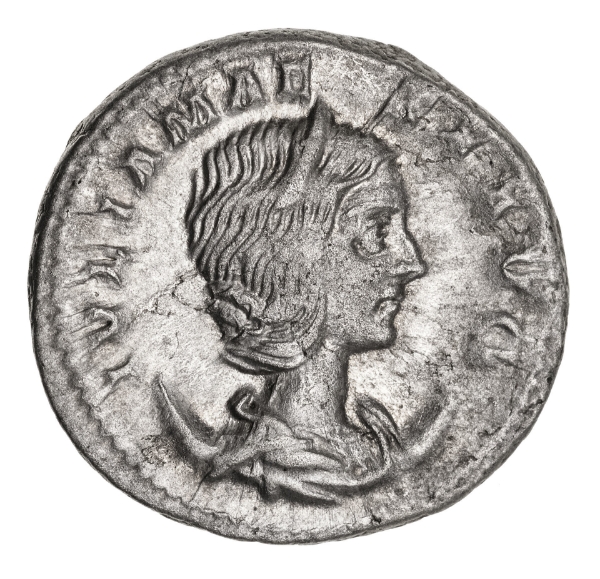
Picture Source of Julia Maesa: Wikipedia
The Roman Kingmaker: Meet Julia Maesa, the Matriarch Who Ruled an Empire
The annals of the Roman Empire are often dominated by the names of the men who wore the purple and commanded the legions, but the true architect of the Severan dynasty's survival was a formidable Syrian noblewoman. Julia Maesa did not wield a sword, yet she effectively purchased an empire, orchestrated the ascension of two of her grandsons to the imperial throne, and navigated the treacherous political landscape of third-century Rome with unparalleled cunning. For those fascinated by the brilliant masterminds who shaped history from the shadows, her story is an absolute must-read.
Let's skip the dry historical fluff and dive right into the incredible life of a woman who proved that true power doesn't always wear a crown—sometimes, it just controls the person wearing it.
Key Takeaways
The Ultimate Mastermind: Julia Maesa orchestrated the rise of two of her teenage grandsons—Elagabalus and Severus Alexander—to the position of Roman Emperor.
A Strategic Survivor: After her powerful sister's suicide and her family's exile, Maesa used her massive personal fortune to bribe the Roman military and overthrow an emperor.
Imperial Equal: She was granted the esteemed title of Augusta, giving her immense political authority, and was prominently featured on Roman coinage.
Pragmatic to the Core: When her first grandson proved to be a disastrous ruler, she ruthlessly orchestrated his replacement to save her family's dynasty.
Humble Beginnings to Imperial Heights
Julia Maesa’s story begins far from Rome. She was born sometime before 160 AD in Emesa (modern-day Homs, Syria) into a wealthy, influential Arab family(1). Her father, Julius Bassianus, was the high priest of the local sun god, Elagabalus. While Maesa married a successful Roman politician named Gaius Julius Avitus Alexianus and had two daughters (Soaemias and Mamaea), her family's true leap to absolute power came through her sister(2).
Her younger sister, Julia Domna, married a promising military commander named Septimius Severus. When Severus became Emperor of Rome in 193 AD, the entire family’s fortunes skyrocketed. Maesa moved to Rome, embedding herself in the imperial court, navigating the elite social circles, and quietly amassing a staggering personal fortune(3).
Tragedy, Exile, and a Stroke of Genius
Life at the top was great until it suddenly wasn't. In 217 AD, the Severan dynasty seemingly collapsed. Emperor Caracalla (Maesa’s nephew) was assassinated by a usurper named Macrinus. Stricken with grief and stripped of her power, Empress Julia Domna tragically starved herself to death(1).
Macrinus, underestimating the quiet sister, allowed Julia Maesa to take her massive wealth and retire peacefully back to Syria(2). This was his fatal mistake. Maesa had no intention of fading into obscurity. She had a brilliant mind, a wagonload of cash, and a 14-year-old grandson named Varius Avitus Bassianus.
The Ultimate Comeback: Buying an Empire
Back in Emesa, Maesa began a brilliant and ruthless PR campaign. She started a scandalous rumor that her young grandson was actually the illegitimate son of the late Emperor Caracalla(3). Was it true? Probably not. Did it matter? Not at all.
Maesa took her vast fortune to the nearby Roman legionary camp at Raphanaea. She essentially promised to shower the soldiers with gold if they swore loyalty to her grandson. On May 16, 218 AD, the military declared the boy Emperor(2). During the ensuing battle against Macrinus's forces, legend has it that when Maesa's troops began to retreat, the elderly matriarch leapt from her chariot and charged into the fray to rally her men to victory(3).
Swapping Emperors: A Pragmatic Matriarch
With her grandson on the throne—now known to history as Emperor Elagabalus—Maesa returned to Rome. She was named Augusta and became the true power behind the throne, with her face minted on silver denarii across the empire to project stability and dynastic strength(4).
There was just one problem: Elagabalus was a wildly unpopular, eccentric, and disastrous ruler who alienated the Roman senate and military. Realizing her first grandson was going to get them all killed and end the dynasty, the pragmatic Maesa pivoted.
She convinced Elagabalus to adopt his younger, more level-headed cousin, Severus Alexander, as his heir. Shortly after, the military (likely with Maesa looking the other way) assassinated Elagabalus and elevated Severus Alexander to the throne (1). Maesa had successfully swapped out a defective emperor for a functional one, saving her family's grip on power.
A Lasting Legacy
Julia Maesa continued to guide the Roman Empire alongside her daughter, Julia Mamaea, until her death around 224 AD.(2). Upon her passing, she was deified by the Roman Senate—a fitting end for a woman who bent the most powerful empire on earth to her absolute will.
FAQs
Who were Julia Maesa's grandsons? She was the grandmother of two Roman Emperors: Elagabalus (ruled 218–222 AD) and Severus Alexander (ruled 222–235 AD).
Where was Julia Maesa from? She was born in Emesa, which is located in modern-day Homs, Syria. Her Syrian heritage played a massive role in her political connections and religious background.
Did Julia Maesa actually rule Rome? While she couldn't legally hold the title of Emperor due to her gender, she held the highest female title of Augusta. As the mastermind behind both of her grandsons' reigns, she was the true administrative and political power ruling the empire until her death.
References
Britannica, T. Editors of Encyclopaedia (2026). Julia Maesa. Encyclopedia Britannica. Available at: https://www.britannica.com/biography/Julia-Maesa
Lendering, J. (2020). Julia Maesa. Livius.org. Available at: https://www.livius.org/articles/person/julia-maesa/
Wikipedia (2024). Julia Maesa. Available at: https://en.wikipedia.org/wiki/Julia_Maesa
Roman-Coins (2026). Julia Maesa Denarius (218-224/5 AD) - Grandmother of Elagabalus. Available at: https://roman-coins.com/blogs/news/julia-maesa-denarius-218-224-5-ad-grandmother-of-elagabalus-and-severus-alexander