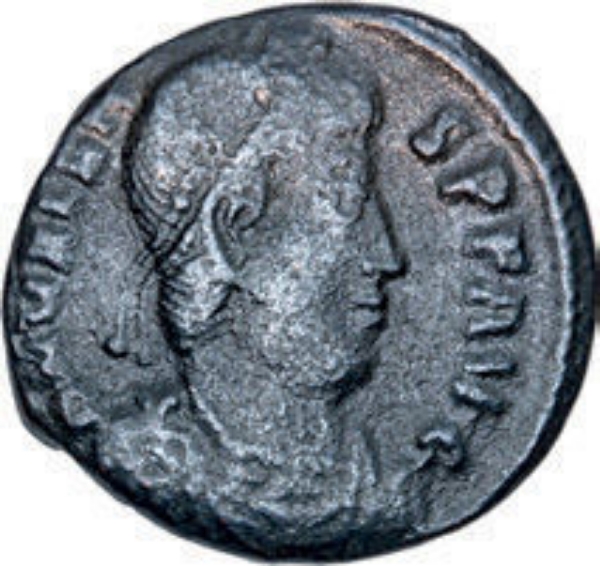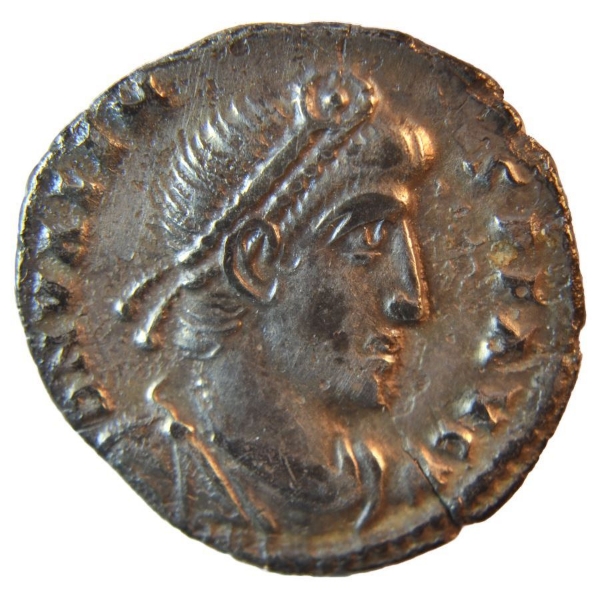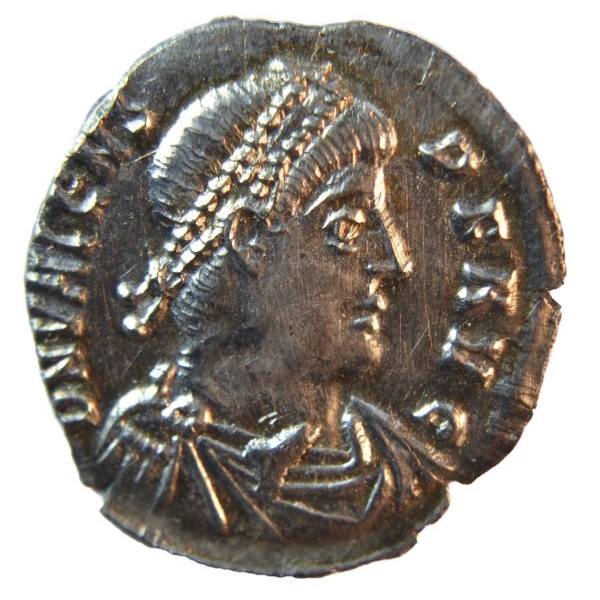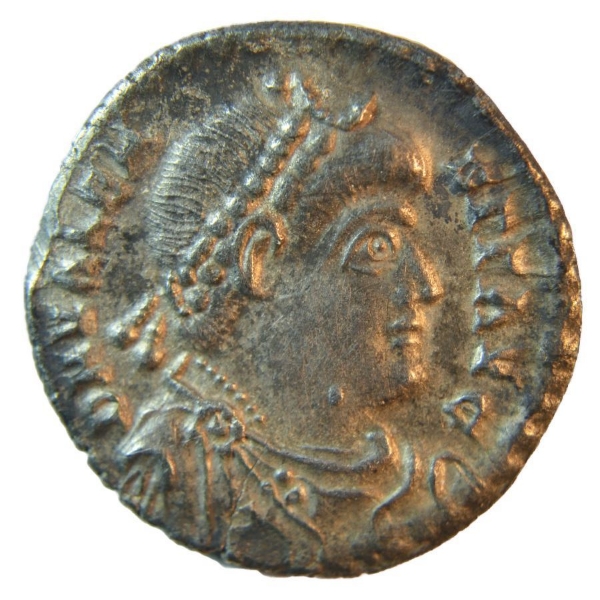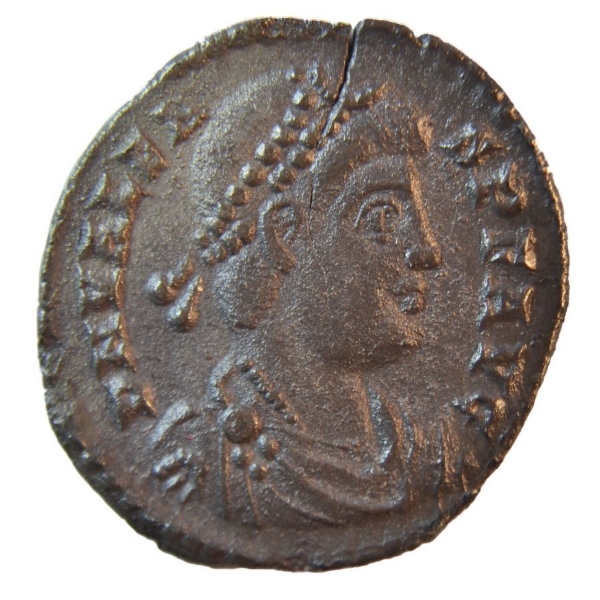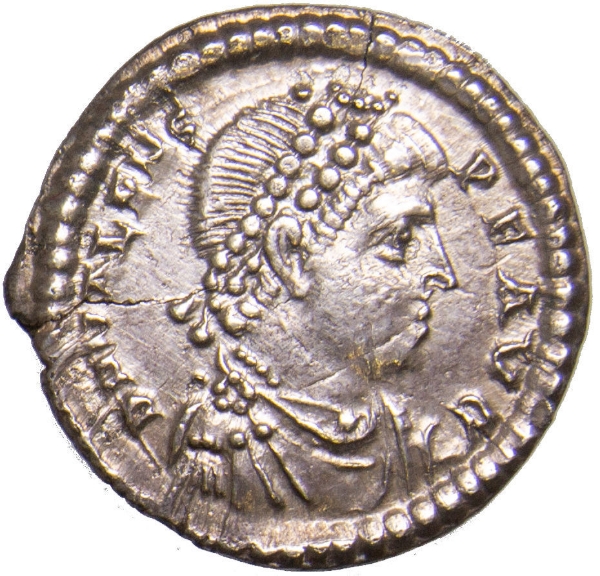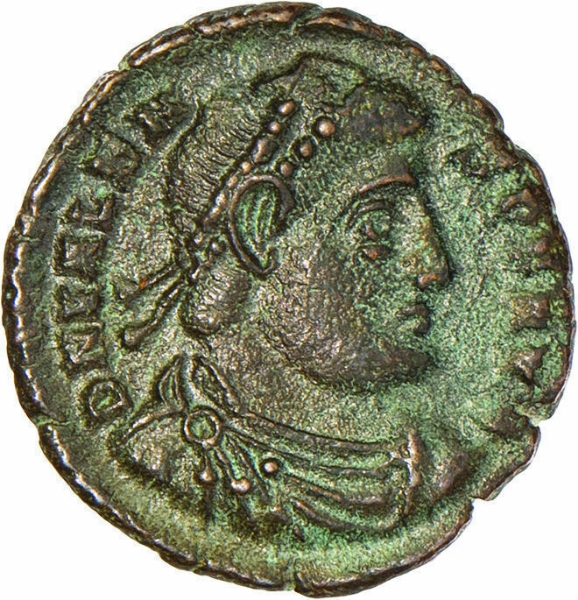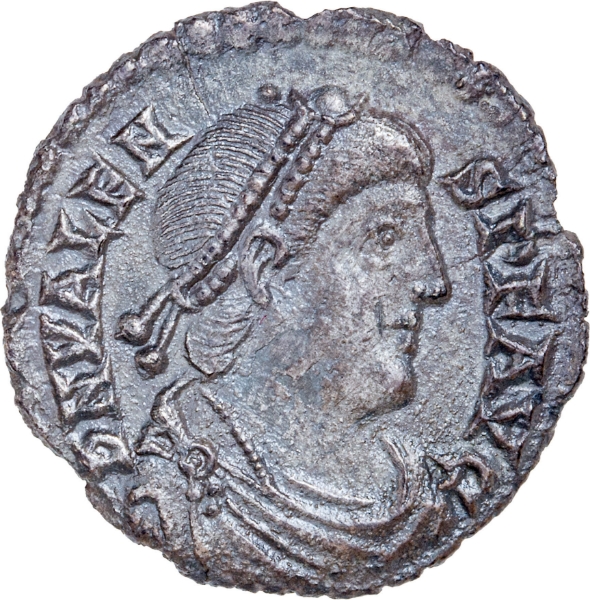
Picture Source of Valens: Roman Empire.net
 - .jpg)
The Emperor Who Lost Rome's Invincibility: A Biography of Flavius Valens
History is rarely forged in moments of peace and quiet. More often, it is hammered out in the chaos of battle, the desperation of refugees, and the fatal miscalculations of powerful leaders. Few figures embody this tragic reality quite like Flavius Valens, the Eastern Roman Emperor who ruled from 364 to 378 AD. Thrust into power not by a grand destiny, but by the pragmatic choice of his older brother, Valens inherited an empire on the brink of transformation. While he was a diligent administrator who genuinely tried to stabilize a fractured realm, his legacy is forever tethered to a single, sweltering August day on the plains of Adrianople—a day that shattered the myth of Roman military invincibility and altered the course of Western history.
Key Takeaways
The Accidental Co-Emperor: Valens was an elite bodyguard whose older brother, Valentinian I, surprisingly named him ruler of the Eastern Roman Empire in 364 AD.
A Master Builder: Despite his military shortcomings, Valens left a lasting architectural legacy, most notably the colossal Aqueduct of Valens in Constantinople.
A Catastrophic Refugee Crisis: His mishandling of Gothic refugees—fleeing the terrifying Huns—ignited a massive rebellion within Rome's own borders.
The Disaster of Adrianople: Valens' impatience to win military glory led to his tragic death at the Battle of Adrianople in 378 AD, an event that marked the beginning of the end for the Roman Empire.
From Bodyguard to the Imperial Throne
Imagine your older brother getting the top job in the world and then, a month later, deciding he needs you to run half the company. That is essentially what happened to Flavius Valens.
Born around 328 AD in the Pannonian city of Cibalae (modern-day Vinkovci, Croatia), Valens was of relatively humble origins[1]. His father was a successful military officer, and Valens naturally followed in his footsteps. However, he wasn't exactly marked for greatness. Up until his mid-thirties, his highest rank was serving in the protectores domestici, the elite imperial bodyguard corps that protected the emperors Julian and Jovian[3].
Everything changed in 364 AD. When Emperor Jovian suddenly died, the army elevated Valens' older brother, Valentinian, to the throne. Valentinian was a sharp, capable military man who took one look at the vast, unwieldy Roman Empire and realized it was too big for one person to govern. On March 28, 364 AD, he shocked many by raising his younger, relatively inexperienced brother to the rank of co-emperor, handing him the Eastern half of the empire to rule from Constantinople[1].
The Reign of an Underdog
Valens' early years as emperor were anything but easy. He lacked the natural charisma and military pedigree of his brother, making him a prime target for ambitious rivals. Almost immediately, a usurper named Procopius—who claimed a blood connection to the previous Constantinian dynasty—bribed legions and seized Constantinople while Valens was away[3].
It was a terrifying start. Valens reportedly even considered abdication or suicide when he heard the news[3]. But here we see a glimpse of the man's genuine resilience. He gathered his nerves, rallied his loyal troops, and decisively defeated Procopius in 366 AD.
Domestically, Valens was actually quite a diligent, hard-working administrator. He tried to reduce crushing tax burdens on the peasantry and funded massive public works. If you visit Istanbul today, you can still see the magnificent arches of the Aqueduct of Valens, an engineering marvel that was longer than all the aqueducts of Rome combined and successfully supplied water to the imperial capital for centuries.
However, Valens had a massive blind spot: religion. He was a strict Arian Christian (a sect that believed Jesus was subordinate to God the Father), whereas much of his empire, including the Pope and his own brother, followed Nicene (Orthodox/Catholic) Christianity[2]. Valens had zero patience for religious debate. He actively exiled Nicene bishops and cracked down on theological opponents, earning him the bitter hatred of contemporary church historians who would later write his legacy[2].
The Refugee Crisis That Changed the World
While Valens was busy fighting the Sassanid Persians in the East, a storm was brewing in the West. Out of the Asian steppes emerged the Huns—a terrifying, nomadic warrior culture that swept into Eastern Europe. The Huns crashed into the Gothic tribes living north of the Danube River, displacing them entirely.
In 376 AD, a massive horde of desperate Gothic refugees, led by their chieftain Fritigern, arrived at the banks of the Danube. They begged Valens for asylum within the Roman Empire[4].
In what seemed like a pragmatic move, Valens agreed. He hoped to use the Goths as a buffer against the Huns and recruit their fierce warriors into the Roman army. But the execution was a masterclass in bureaucratic cruelty and corruption. Local Roman commanders ruthlessly exploited the starving refugees, allegedly forcing them to sell their own children into slavery just for dog meat to eat[3]. Pushed beyond human endurance, the Goths rebelled. They armed themselves, broke out of their containment zones, and began pillaging the Roman Balkans.
The Tragedy at Adrianople
By 378 AD, Valens realized he had a full-blown catastrophe on his hands. He marched his army back from the Persian frontier to Thrace (modern-day Turkey) to crush the rebellion personally. His nephew, the Western Emperor Gratian, was marching from Gaul (France) with elite reinforcements to help him[4].
But Valens made a fatal, ego-driven miscalculation.
Camped near the city of Adrianople on August 9, 378 AD, Valens received faulty intelligence suggesting the Gothic army was much smaller than it actually was. Jealous of his nephew's recent military successes and hungry for his own exclusive glory, Valens refused to wait for Gratian's reinforcements[4]. He ordered his exhausted, overheated troops to march into battle under the blazing midday sun.
It was a slaughter. Just as the Roman infantry engaged the Gothic wagon circle, the Gothic heavy cavalry—who had been away foraging—suddenly returned. They crested the hills and crashed into the Roman flanks "like a thunderbolt," according to the ancient historian Ammianus Marcellinus[4]. The Roman army was squeezed so tightly together that soldiers couldn't even draw their swords.
By nightfall, two-thirds of the Eastern Roman field army had been annihilated. Among the tens of thousands of dead lay Emperor Valens himself. His body was never recovered. Some legends say he died fighting bravely in the dirt, while others claim he was wounded, carried to a nearby farmhouse, and burned alive by Goths who didn't know an emperor was inside[3].
A Complicated Legacy
History has not been kind to Valens. Modern historian Noel Lenski famously noted that his catastrophic defeat at Adrianople won him a "front-row seat among history's great losers"[2]. Adrianople proved to the barbarian world that the mighty Roman legions could be utterly destroyed on an open battlefield. It initiated a domino effect of Germanic incursions that would eventually lead to the fall of the Western Roman Empire.
Yet, looking at Valens human-to-human, it is hard not to feel a twinge of sympathy. He was an ordinary man handed an extraordinarily difficult empire. He tried his best to govern a fractured world, but in the end, a fatal mix of bad advice, corruption under his watch, and his own impatience sealed his fate. He serves as a timeless reminder that in the grand theatre of history, one bad decision can echo for an eternity.
FAQs
What happened to Emperor Valens' body? Valens' body was never found after the Battle of Adrianople. The sheer chaos and scale of the slaughter meant many soldiers were left unidentified. A popular rumor at the time suggested he was shot by an arrow and carried to a nearby cottage, which the Goths subsequently burned down, oblivious to the fact that the Roman Emperor was inside.
Did Valens really hate Orthodox Christians? Valens was an Arian Christian, a sect that clashed heavily with the Nicene (Orthodox/Catholic) Christians who made up much of the empire. While "hate" is a strong word, he was definitely a fierce persecutor of Nicene clergy. He exiled bishops and closed churches to force religious unity under Arianism, which made him intensely unpopular with historical church writers.
Why didn't Valens wait for his nephew's reinforcements at Adrianople? Historians point to a combination of bad intelligence and ego. Valens' scouts incorrectly told him the Gothic army was much smaller than it was. Furthermore, his nephew Gratian had just won a major victory in the West. Valens, who had a rather unremarkable military record, was eager to secure a glorious victory all by himself without having to share the credit.
References
Britannica. (2025) Valens. Available at: https://www.britannica.com/biography/Valens (Accessed: 28 April 2026).
Lenski, N. E. (2002) Failure of Empire: Valens and the Roman State in the Fourth Century A.D. University of California Press. Available at: https://books.google.com/books/about/Failure_of_Empire.html?id=oW0lDQAAQBAJ (Accessed: 28 April 2026).
Discovery UK. (n.d.) Who was Emperor Valens and what did he do? Available at: https://www.discoveryuk.com/monarchs-and-rulers/who-was-emperor-valens-and-what-did-he-do/ (Accessed: 28 April 2026).
Britannica. (2025) Battle of Adrianople (378). Available at: https://www.britannica.com/event/Battle-of-Adrianople-378 (Accessed: 28 April 2026).