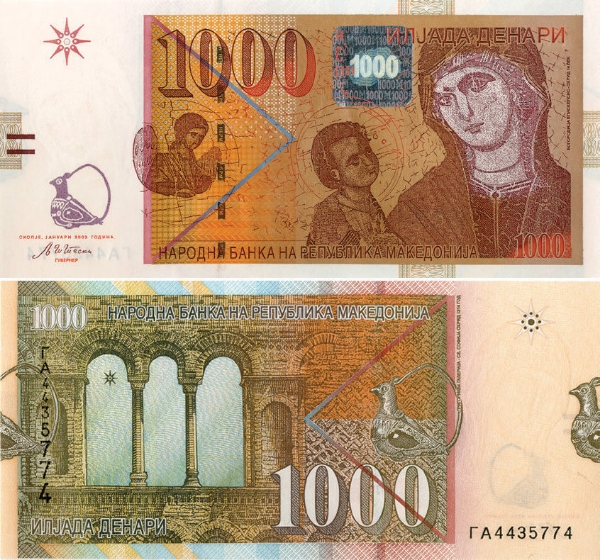
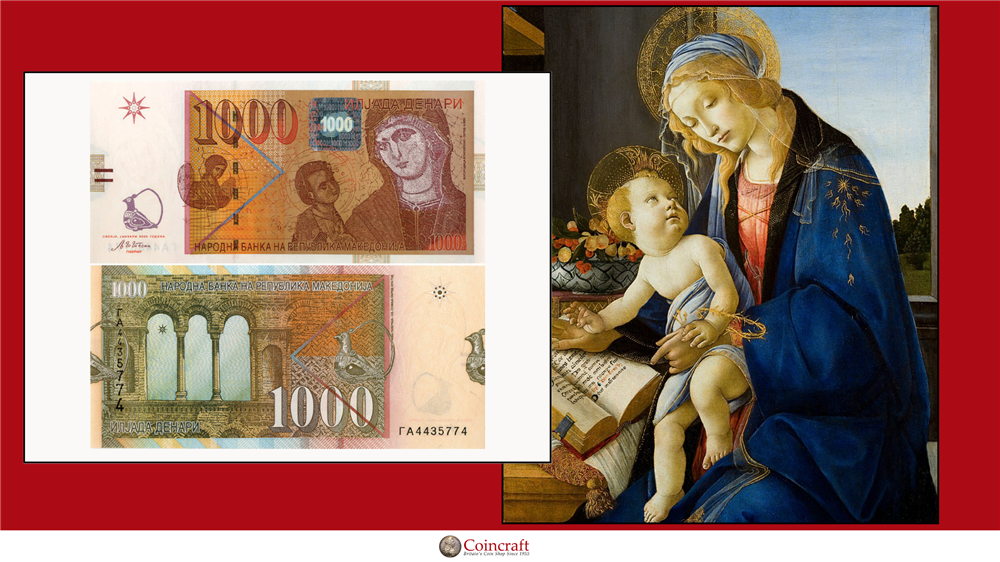
Picture Source of Christ and Madonna: Wikipedia
Introduction to the Symbolism of Madonna and Christ in Art
The imagery of Madonna and Christ has been a profound subject in the realm of art for centuries. This divine duo, representing the Virgin Mary and Jesus Christ, has been depicted in countless artistic forms, capturing the imaginations of artists and audiences alike. The symbolism embedded within these images is rich and varied, reflecting spiritual themes, theological narratives, and cultural values across different eras and regions.
Madonna and Christ symbolism in art serves as a visual language that conveys messages of purity, love, and salvation. Artists have utilised these elements to communicate religious stories and moral teachings, offering a lens through which viewers can explore divine mysteries. The visual representation of Madonna and Christ not only tells biblical stories but also evokes deep emotional responses, making it a powerful tool for both education and spiritual reflection.
The allure of Madonna and Christ imagery lies in its ability to transcend time and culture, resonating with audiences across the globe. As one delves into the world of art, it becomes clear that these images hold a universal appeal, bridging the sacred and the secular. This article seeks to explore the intricate layers of symbolism, artistic evolution, and thematic depth that have contributed to the enduring legacy of Madonna and Christ in art.
Historical Context of Madonna and Christ Imagery
The historical journey of Madonna and Christ imagery begins in the early Christian period, where art primarily served as a means of religious expression and instruction. These images were initially crafted to educate the illiterate masses about biblical narratives and to inspire devotion among believers. The early depictions were often simplistic, focusing on conveying clear religious messages rather than artistic embellishment.
Throughout the Middle Ages, the portrayal of Madonna and Christ evolved, reflecting the changing theological and cultural landscapes. Artists began to explore new styles and techniques, resulting in more detailed and expressive representations. The Byzantine influence introduced iconic images, characterised by their solemn expressions and symbolic backgrounds, while the Gothic period saw a shift towards more naturalistic and humanised portrayals.
During the Renaissance, the artistic representation of Madonna and Christ reached new heights. Artists like Leonardo da Vinci, Raphael, and Michelangelo redefined these images with their mastery of perspective, anatomy, and emotion. This period marked a significant transformation in the way these figures were depicted, with an emphasis on realism and the celebration of human beauty as a reflection of divine perfection.
The Evolution of Madonna and Christ Representations
The evolution of Madonna and Christ imagery in art is a testament to the ever-changing landscape of artistic expression. As artists began to experiment with new forms and materials, the representation of these sacred figures underwent significant transformations. Each era brought its own unique interpretation, influenced by contemporary religious, social, and political contexts.
In the Baroque period, the portrayal of Madonna and Christ became more dramatic and dynamic. Artists like Caravaggio and Rubens utilised chiaroscuro and intense emotional expressions to create a sense of immediacy and engagement. This era's art was marked by its ability to evoke emotional responses, drawing viewers into the spiritual narrative conveyed through the artwork.
The modern era has seen a diverse range of interpretations, from abstract and minimalist styles to vibrant and expressive forms. Contemporary artists often reinterpret these traditional images to reflect current issues and personal perspectives. This dynamic evolution demonstrates the enduring relevance and adaptability of Madonna and Christ imagery, allowing it to remain a powerful symbol across different artistic movements and cultural contexts.
Iconography of Madonna and Christ: Key Elements
The iconography of Madonna and Christ is rich with symbolic elements that convey deeper meanings within the artwork. These elements serve as visual cues, guiding viewers in their interpretation and understanding of the depicted scenes. Some of the most common symbols include the halo, the cross, and the use of colour, each contributing to the overall narrative and emotional impact of the piece.
Halo: The halo is a prominent symbol in religious art, representing holiness and divine light. In Madonna and Christ imagery, halos often encircle the heads of the figures, signifying their sacred nature and divine connection.
Cross: The cross is a powerful symbol of Christ's crucifixion and the salvation it brings. Its presence in Madonna and Christ artworks serves as a reminder of Christ's sacrifice and the central tenets of Christian faith.
Colour: Colour plays a significant role in the iconography of Madonna and Christ. Blue, often associated with the Virgin Mary, symbolises purity and heavenly grace, while red represents Christ's sacrifice and love. The careful use of colour enhances the emotional resonance and spiritual depth of the artwork.
These key elements, among others, work together to create a cohesive and meaningful visual narrative. Understanding the symbolism within these images allows viewers to engage with the artwork on a deeper level, uncovering the layers of meaning and intention embedded within the piece.
Notable Artists and Their Interpretations of Madonna and Christ
The depiction of Madonna and Christ has inspired countless artists throughout history, each bringing their unique vision and style to the subject. These interpretations not only reflect the artists' personal beliefs and experiences but also offer insight into the cultural and historical contexts in which they were created.
Leonardo da Vinci
Leonardo da Vinci's portrayals of Madonna and Christ are renowned for their beauty, grace, and innovative use of perspective. His masterpiece, "The Virgin of the Rocks," exemplifies his ability to blend realism with spiritual symbolism, creating a harmonious balance between the divine and the earthly.
Raphael
Raphael's works, such as the "Sistine Madonna," are celebrated for their serene and tender depictions of the Virgin and Child. His use of soft lines, gentle expressions, and vibrant colours captures the essence of maternal love and divine grace, making his interpretations timeless and universally admired.
Michelangelo
Michelangelo's portrayal of Madonna and Christ, particularly in the "Pietà," is characterised by its emotional intensity and masterful sculptural technique. The delicate rendering of the Virgin's sorrow and the lifeless body of Christ evokes a profound sense of compassion and sacrifice, embodying the universal themes of suffering and redemption.
These artists, among many others, have contributed to the rich tapestry of Madonna and Christ imagery, each offering a unique perspective and interpretation that continues to resonate with audiences worldwide.
Thematic Analysis: Love, Compassion, and Sacrifice in Art
At the heart of Madonna and Christ imagery lies a tapestry of themes that explore the depths of human emotion and divine connection. Love, compassion, and sacrifice are central motifs that permeate these artworks, offering viewers a glimpse into the spiritual and emotional dimensions of the human experience.
Love
The theme of love is vividly portrayed in the tender interactions between Madonna and Christ. These depictions often emphasise the maternal bond and unconditional love shared between the Virgin and her child. This imagery serves as a powerful reminder of the transformative and nurturing power of love, both divine and human.
Compassion
Compassion is another prevalent theme in Madonna and Christ imagery, often conveyed through the expressions and gestures of the figures. The Virgin's gentle embrace and Christ's outstretched arms symbolise the compassion and mercy that are central to Christian teachings, inviting viewers to reflect on the importance of empathy and kindness in their own lives.
Sacrifice
The theme of sacrifice is poignantly illustrated through Christ's crucifixion and the Virgin's sorrowful acceptance of her son's fate. These images serve as a testament to the ultimate act of selflessness and redemption, encouraging viewers to contemplate the significance of sacrifice and its role in the pursuit of spiritual and moral fulfilment.
Together, these themes create a rich and layered narrative that speaks to the universal human experience, offering timeless insights and inspiration to those who engage with these powerful works of art.
Regional Variations in Madonna and Christ Depictions
The depiction of Madonna and Christ varies significantly across different cultures and regions, reflecting the diverse artistic traditions and religious beliefs that have shaped these images. These regional variations offer a fascinating glimpse into the ways in which local customs and values have influenced the portrayal of these sacred figures.
Western Europe
In Western Europe, particularly during the Renaissance, Madonna and Christ images were characterised by their emphasis on realism and humanism. Artists focused on capturing the beauty and grace of the figures, often incorporating classical elements and techniques to enhance the spiritual and aesthetic appeal of the artwork.
Eastern Orthodox Tradition
In the Eastern Orthodox tradition, Madonna and Christ imagery is characterised by its use of iconography and symbolism. These images often feature stylised representations, with an emphasis on conveying spiritual truths and divine mysteries. The use of gold leaf and vibrant colours further enhances the sense of sacredness and reverence associated with these images.
Latin America
In Latin America, Madonna and Christ depictions often incorporate indigenous elements and motifs, resulting in unique and culturally rich interpretations. The fusion of Christian and indigenous symbolism reflects the region's complex history and cultural heritage, offering a distinct perspective on the themes of devotion and faith.
These regional variations highlight the adaptability and universality of Madonna and Christ imagery, showcasing the ways in which different cultures have embraced and reinterpreted these sacred figures to reflect their own beliefs and values.
The Influence of Madonna and Christ Imagery on Contemporary Art
The enduring appeal of Madonna and Christ imagery has continued to influence contemporary artists, who often draw on these traditional themes to explore modern issues and personal narratives. This ongoing dialogue between past and present highlights the timeless relevance of these images and their ability to resonate with audiences across generations.
Contemporary artists frequently reinterpret Madonna and Christ imagery to address social, political, and cultural themes. These modern interpretations often challenge traditional norms and conventions, offering fresh perspectives and insights into the human condition. By incorporating elements of abstraction, symbolism, and mixed media, artists create dynamic and thought-provoking works that invite viewers to engage with the artwork in new and meaningful ways.
The fusion of traditional and contemporary elements in Madonna and Christ imagery serves as a testament to the enduring power and versatility of these symbols. As artists continue to explore and reinterpret these themes, they contribute to the ongoing evolution of art, ensuring that the legacy of Madonna and Christ remains vibrant and relevant in the modern world.
How to Appreciate and Analyse Madonna and Christ Artworks
Appreciating and analysing Madonna and Christ artworks requires an understanding of the symbolism, themes, and historical context that inform these images. By engaging with these elements, viewers can gain a deeper appreciation for the artistic and spiritual significance of the works.
Steps to Analyse
Examine the Iconography: Identify the key symbols and elements present in the artwork, such as halos, crosses, and colour choices. Consider how these elements contribute to the overall narrative and emotional impact of the piece.
Consider the Historical Context: Explore the cultural and historical background of the artwork, including the time period and artistic movement in which it was created. This context can provide valuable insight into the themes and intentions behind the work.
Reflect on the Themes: Consider the central themes of love, compassion, and sacrifice present in the artwork. Reflect on how these themes are conveyed through the composition, expression, and interaction of the figures.
Explore the Artist's Intentions: Research the artist's background and personal beliefs to better understand their interpretation and approach to Madonna and Christ imagery.
By following these steps, viewers can engage with Madonna and Christ artworks on a deeper level, uncovering the layers of meaning and significance that lie beneath the surface.
Conclusion: The Enduring Legacy of Madonna and Christ in Art
The symbolism of Madonna and Christ in art is a testament to the enduring power and universal appeal of these sacred figures. Through centuries of artistic expression, these images have evolved and adapted, reflecting the changing cultural, religious, and social landscapes of the world. Their rich symbolism and thematic depth continue to inspire and captivate audiences, offering timeless insights into the human experience and the divine mysteries.
As contemporary artists continue to reinterpret and explore Madonna and Christ imagery, they contribute to the ongoing legacy of these symbols, ensuring their relevance and resonance in the modern world. By engaging with these powerful works of art, viewers are invited to explore the depths of their own spirituality, emotions, and understanding of the world around them.