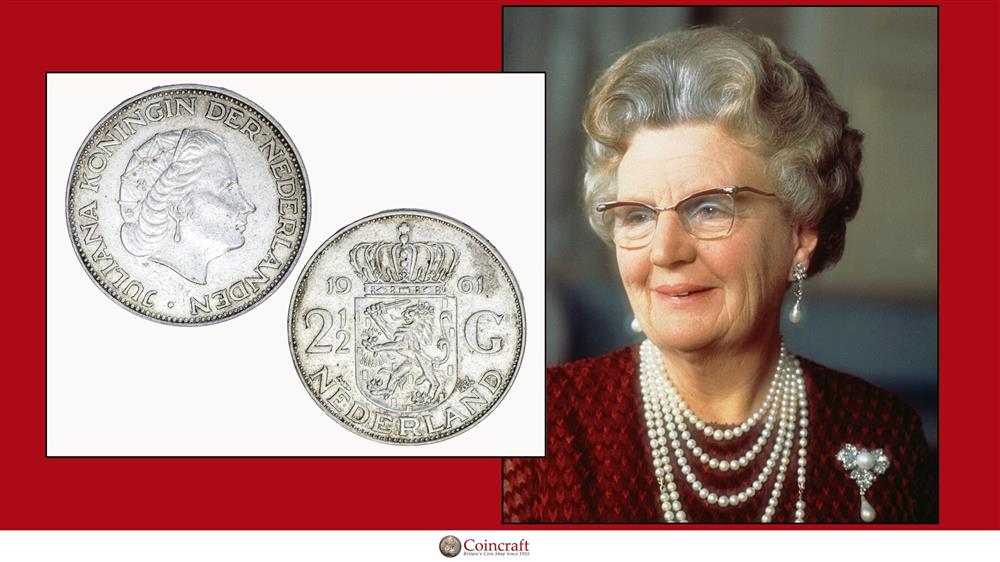
Picture Source of Queen Juliana: Wikipedia
Introduction to Queen Juliana and Her Reign
Queen Juliana of the Netherlands, who reigned from 1948 to 1980, is remembered as a monarch who brought about significant changes to the Dutch royal family and society. Known for her modesty and approachability, she was a beloved figure whose leadership was marked by empathy and a deep commitment to public service. As a moderniser, Queen Juliana bridged the gap between traditional monarchy and contemporary governance, leaving an indelible mark on Dutch history.
Her reign was characterised by a period of recovery and transformation for the Netherlands, following the devastation of World War II. Queen Juliana's leadership was crucial in guiding the country through post-war reconstruction, economic growth, and social change. Her approach to monarchy was grounded in a deep sense of duty and a desire to serve her people, which earned her widespread respect and admiration.
In this article, we will explore various aspects of Queen Juliana's life and reign, highlighting her impact on Dutch society, her role during world events, and the legacy she left behind. Through examining her contributions and the challenges she faced, we gain a comprehensive understanding of how she redefined Dutch royalty and shaped the modern monarchy.
Early Life and Ascension to the Throne
Born on April 30, 1909, Juliana Louise Emma Marie Wilhelmina was the only child of Queen Wilhelmina and Duke Henry of Mecklenburg-Schwerin. Her early life was marked by a privileged upbringing, yet her parents ensured she was instilled with a strong sense of responsibility and empathy. Educated at home initially, Juliana later attended the University of Leiden, where she studied a variety of subjects including sociology, law, and history, preparing her for her future role as queen.
Juliana's ascension to the throne occurred on September 4, 1948, following the abdication of her mother, Queen Wilhelmina. This transition marked the beginning of a new era for the Dutch monarchy. Her coronation was a momentous occasion, symbolising continuity and change. Juliana's approach to her new role was distinct; she sought to bring the monarchy closer to the people, emphasising accessibility and engagement with the public.
Her early years as queen were a time of significant challenge and opportunity. Juliana faced the daunting task of leading a nation recovering from the ravages of war. Her leadership style, characterised by humility and compassion, resonated well with the Dutch people, establishing a strong foundation for her long reign. This period set the tone for her approach to governance and her enduring influence on Dutch royalty.
Queen Juliana’s Impact on Dutch Society
Queen Juliana's reign had a profound impact on Dutch society, as she championed numerous social causes and reforms. Her commitment to social justice and equality was evident in her support for initiatives aimed at improving the lives of the less fortunate. She was a strong advocate for women's rights and played a pivotal role in advancing gender equality in the Netherlands.
Juliana's emphasis on education and social welfare was instrumental in shaping the nation's policies. She supported the establishment of various educational institutions and welfare programmes, focusing on providing opportunities for all citizens. Her advocacy for these causes reflected her belief in a fair and inclusive society, aligning with the progressive values of the time.
Moreover, Queen Juliana's personal involvement in numerous charitable organisations and causes set a precedent for future monarchs. Her dedication to philanthropy and her hands-on approach to addressing social issues inspired many and reinforced the role of the monarchy as a force for good in society. Through her actions, she left a lasting legacy of compassion and service that continues to influence Dutch society today.
Key Events During Her Reign
Juliana's reign was punctuated by several key events that defined her tenure as queen. One of the most significant was the Indonesian National Revolution, which began shortly before her ascension and concluded with the recognition of Indonesian independence in 1949. This event marked a pivotal moment in Dutch colonial history, and Juliana's leadership during this period was crucial in navigating the complex political landscape.
The devastating North Sea Flood of 1953 was another major event during her reign. This natural disaster claimed the lives of over 1,800 people and caused widespread destruction in the Netherlands. Queen Juliana played a vital role in the nation's recovery efforts, personally visiting affected areas and supporting relief initiatives. Her presence and empathy during this crisis strengthened the bond between the monarchy and the Dutch people.
Additionally, the 1970s were marked by social and political upheaval, with protests and movements challenging traditional institutions, including the monarchy. Juliana's response to these challenges was characterised by openness and adaptability. She engaged with the public, listened to their concerns, and initiated dialogues aimed at addressing societal issues. Her ability to navigate these turbulent times demonstrated her resilience and commitment to serving her people.
The Role of Queen Juliana in World War II
During World War II, Queen Juliana played a significant role in supporting the Dutch resistance and maintaining morale among the people. Exiled in Canada with her children during the Nazi occupation of the Netherlands, she worked tirelessly to support the war effort and promote Dutch interests abroad. Her presence in Canada also strengthened the bond between the two nations, a relationship that endures to this day.
Juliana's broadcasts to the occupied Netherlands were a source of hope and inspiration for many. She used her platform to encourage resistance against the occupiers and to maintain the spirit of freedom and resilience among the Dutch people. Her messages were a testament to her unwavering commitment to her country and its liberation.
Post-war, Juliana's return to the Netherlands was met with great joy and relief. Her experiences during the war had a profound impact on her, shaping her views on leadership and governance. The war years solidified her dedication to peace and reconciliation, principles that guided her actions throughout her reign. Her contributions during this period underscore her pivotal role in the history of the Netherlands.
Modernising the Dutch Monarchy: Juliana’s Vision
Queen Juliana was instrumental in modernising the Dutch monarchy, making it more relevant and responsive to contemporary society. Her vision for the monarchy was one of transparency, accessibility, and engagement with the public. She believed that the royal family should reflect the values and aspirations of the people they served.
One of her key initiatives was to reduce the formalities and rigid protocols traditionally associated with the monarchy. Juliana preferred a more informal approach, often interacting directly with citizens and participating in public events without the grandeur typically expected of a queen. This approach endeared her to the public and helped demystify the monarchy.
Juliana also supported reforms aimed at ensuring the monarchy's relevance in a rapidly changing world. She advocated for constitutional changes that would limit the political influence of the monarchy, thereby strengthening democratic institutions. Her efforts to modernise the monarchy set a precedent for future generations, ensuring that the Dutch royal family remained an integral and respected part of national life.
The Relationship Between Queen Juliana and Her Family
Queen Juliana's relationship with her family was a defining aspect of her life and reign. She was married to Prince Bernhard of Lippe-Biesterfeld, with whom she had four daughters: Beatrix, Irene, Margriet, and Christina. Her family life was often in the public eye, and her approach to parenting and family relationships influenced her role as queen.
Juliana's relationship with Prince Bernhard was complex, marked by both partnership and challenges. Despite personal difficulties, they maintained a united front in public and worked together on various charitable initiatives. Their marriage, though sometimes scrutinised, was a cornerstone of her personal life and provided stability during her reign.
As a mother, Juliana was deeply devoted to her daughters, ensuring they received a well-rounded education and exposure to diverse cultures. Her parenting style was progressive for the time, encouraging independence and critical thinking. The values she instilled in her children were reflected in their own public service and contributions to the nation. Her family life exemplified her belief in balancing tradition with modernity, setting an example for future royal generations.
Queen Juliana’s Legacy in Contemporary Dutch Royalty
Queen Juliana's legacy continues to shape the Dutch monarchy today. Her emphasis on accessibility and public service has been embraced by her successors, including her daughter Beatrix and her grandson, King Willem-Alexander. The values she championed have become integral to the identity of the Dutch royal family, ensuring its continued relevance in contemporary society.
Her impact is evident in the way the monarchy engages with the public, often participating in community events and supporting various social causes. This approach has strengthened the bond between the royal family and the Dutch people, fostering a sense of unity and national pride. Juliana's legacy of service and compassion remains a guiding principle for the monarchy.
Moreover, the modernisation efforts initiated by Queen Juliana have had a lasting effect on the structure and function of the monarchy. Her advocacy for constitutional reforms and her commitment to democratic principles have ensured that the Dutch monarchy remains a respected institution, both nationally and internationally. Her legacy is a testament to her vision and dedication to her country.
Public Perception and Popularity of Queen Juliana
Queen Juliana was highly regarded by the Dutch public, earning a reputation as a compassionate and approachable monarch. Her popularity was rooted in her genuine interest in the welfare of her people and her willingness to engage with them directly. She was often seen as a "queen of the people," a title that reflected her connection with the nation.
Her public image was further enhanced by her personal qualities, including her humility and sense of humour. Juliana's ability to relate to people from all walks of life endeared her to many, reinforcing her popularity throughout her reign. Her approachable nature and informal style set her apart from other monarchs of her time, contributing to her enduring appeal.
However, like any public figure, Juliana faced challenges and controversies. Her handling of certain political and personal issues was occasionally criticised, but her overall legacy remains overwhelmingly positive. Her popularity was a testament to her sincere commitment to public service and her ability to adapt to changing times, ensuring her place in the hearts of the Dutch people.