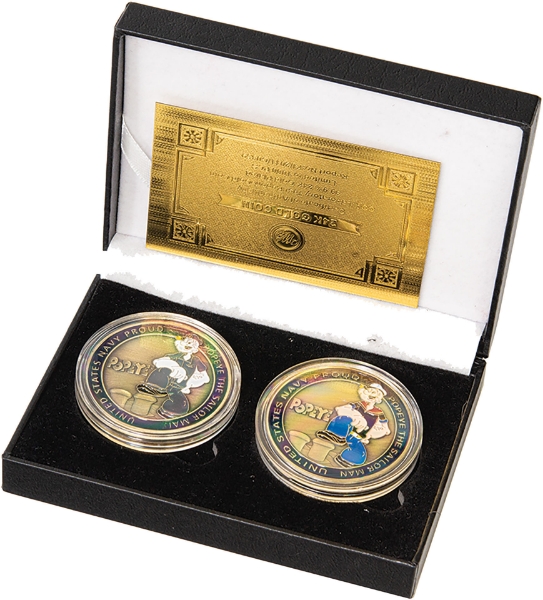
Popeye Picture Source: Wikipedia
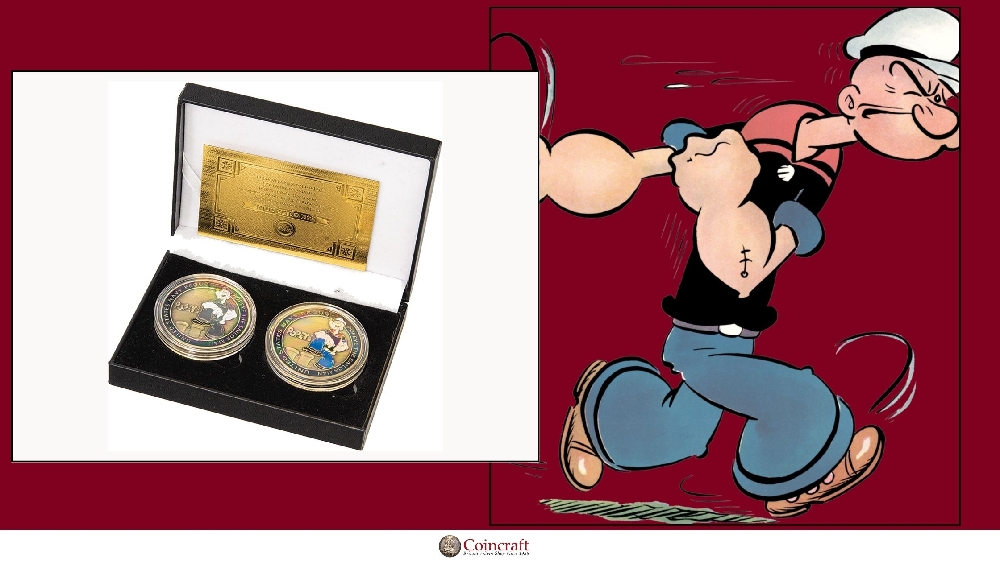
Introduction to Popeye: A Cultural Phenomenon
Popeye, the spinach-chomping sailor, has been a beloved figure in popular culture for nearly a century. Known for his incredible strength, quirky speech, and unwavering love for his sweetheart Olive Oyl, Popeye has become more than just a cartoon character; he is a symbol of resilience and determination. His adventures have entertained countless audiences through generations, and his influence can be seen in various facets of media and culture.
The character of Popeye first appeared in the comic strip "Thimble Theatre" in 1929, created by Elzie Crisler Segar. Over the years, Popeye's popularity soared, leading to the creation of animated cartoons, merchandise, and even feature films. His distinctive traits and unique storylines have captured the imagination of both young and old, making him a timeless icon.
The appeal of Popeye lies not only in his physical prowess but also in his moral virtues. He stands for justice, often coming to the aid of those in need, and his simple yet profound catchphrase "I yam what I yam" embodies a message of authenticity and self-acceptance. These qualities have cemented Popeye's status as a cultural icon, ensuring his place in the annals of entertainment history.
The Origins of Popeye: From Comic Strips to Animation
Popeye's journey began in the world of comic strips, where he made his first appearance in January 1929. "Thimble Theatre," the comic strip that introduced Popeye, was initially focused on the adventures of Olive Oyl and her family. However, Popeye's introduction added a new dimension to the strip, quickly stealing the spotlight with his humorous antics and unique charm.
The transition from comic strips to animation marked a significant milestone in Popeye's evolution. The Fleischer Studios, known for their innovative animation techniques, brought Popeye to life on the big screen in 1933. The animated shorts were an instant hit, capturing the essence of Popeye's character while introducing new elements that enhanced his appeal. The animation style, characterised by its fluid motion and creative storytelling, played a crucial role in solidifying Popeye's legacy in the animation industry.
Popeye's success in animation led to the creation of numerous theatrical shorts, television series, and feature films. Each adaptation brought its own interpretation of Popeye, allowing the character to evolve while maintaining his core attributes. This adaptability has kept Popeye relevant in an ever-changing entertainment landscape, ensuring that new generations continue to discover and appreciate his adventures.
Popeye's Character Development and Evolution
Over the decades, Popeye has undergone significant character development, reflecting the changes in society and audience expectations. Initially portrayed as a rough-and-tumble sailor with a penchant for getting into scrapes, Popeye's character has evolved to showcase a more nuanced personality. His loyalty, bravery, and sense of humour remain consistent, but his interactions with other characters and his approach to challenges have become more complex.
The relationships Popeye maintains with other characters, such as Olive Oyl and his arch-nemesis Bluto, have also evolved. Olive Oyl, once a damsel in distress, has grown into a more independent and assertive character, often taking an active role in the adventures. Bluto, on the other hand, continues to serve as a foil to Popeye, highlighting the latter's virtues through their frequent confrontations.
Popeye's evolution is not limited to his personality and relationships but extends to the themes explored in his stories. Modern adaptations have addressed contemporary issues, making Popeye's tales relevant to today's audiences. This ability to adapt while remaining true to his original essence is a testament to the enduring appeal of Popeye as a character.
The Impact of Popeye on Pop Culture
Popeye's influence on popular culture cannot be overstated. As one of the earliest cartoon icons, he paved the way for future animated characters, setting a precedent for the development of the animation industry. His distinctive voice, characterised by mumbling and unique expressions, became a hallmark of his persona, inspiring voice actors and animators alike.
The impact of Popeye extends beyond animation, permeating various aspects of culture and entertainment. His image has been used in advertising campaigns, music, and even fashion. The character's association with spinach has also contributed to promoting healthy eating habits, particularly among children, making him a positive role model for healthy living.
Popeye's cultural impact is evident in the numerous parodies, tributes, and references found in television, film, and literature. His enduring popularity has made him a staple in the collective consciousness, with his adventures continuing to captivate audiences worldwide. This widespread influence underscores Popeye's significance as a cultural icon and his lasting legacy in the world of entertainment.
The Messages and Themes in Popeye's Adventures
Popeye's adventures are rich with messages and themes that resonate with audiences of all ages. At the heart of his stories is the theme of perseverance, as Popeye often faces seemingly insurmountable challenges but never gives up. This message of determination and resilience is encapsulated in his frequent use of spinach, which symbolises inner strength and the power to overcome obstacles.
Another prevalent theme in Popeye's tales is the importance of friendship and loyalty. Popeye's unwavering dedication to his friends and loved ones is a recurring motif, emphasising the value of standing by those you care about. His camaraderie with characters like Wimpy and Swee'Pea highlights the significance of community and support in navigating life's challenges.
Beyond these core messages, Popeye's stories also explore themes of justice and fairness. He often champions the underdog, standing up against bullies and fighting for what is right. These themes of morality and integrity resonate deeply with audiences, reinforcing Popeye's role as a symbol of virtue and righteousness.
Popeye's Influence on Other Cartoon Characters
Popeye's legacy in the world of animation is evident in the countless characters and series that have drawn inspiration from his adventures. His unique blend of humour, action, and heart has set a standard for character development and storytelling in the animated world. Many beloved characters owe their existence to the trail blazed by Popeye, as his success demonstrated the potential of cartoons as a powerful medium for storytelling.
Several iconic characters, such as Bugs Bunny, Daffy Duck, and even Scooby-Doo, have elements that can be traced back to Popeye's influence. These characters share Popeye's comedic timing, adventurous spirit, and ability to connect with audiences on a personal level. The success of Popeye's animated shorts paved the way for these characters to thrive, shaping the landscape of animation for generations to come.
The impact of Popeye extends beyond individual characters to entire genres and styles of animation. His influence can be seen in the development of slapstick comedy, the integration of music and sound in animation, and the emphasis on dynamic storytelling. Popeye's enduring legacy in animation continues to inspire creators, ensuring that his spirit lives on in the characters and stories we love today.
The Merchandising and Commercial Success of Popeye
Popeye's commercial success is a testament to his widespread appeal and cultural significance. As one of the first cartoon characters to achieve mass popularity, Popeye became a merchandising powerhouse, with his likeness appearing on a wide range of products. From toys and clothing to food and beverages, Popeye's image has been used to promote a variety of goods, making him a familiar presence in households worldwide.
The success of Popeye merchandise can be attributed to his distinctive appearance and strong brand identity. His iconic sailor outfit, bulging forearms, and ever-present pipe make him instantly recognisable, allowing for easy adaptation across different products. This visual identity, combined with his positive associations, has made Popeye a popular choice for branding and marketing.
Popeye's commercial success is not limited to merchandise alone. His animated shorts and feature films have also enjoyed significant box office returns, further cementing his status as a cultural icon. The continued interest in Popeye-related products and media demonstrates the character's enduring appeal and the strength of his brand, ensuring that Popeye remains a relevant and beloved figure in popular culture.
Popeye in Modern Media: Revivals and Adaptations
The enduring popularity of Popeye has led to numerous revivals and adaptations in modern media, ensuring that his adventures continue to entertain new audiences. These adaptations often reimagine Popeye's stories for contemporary viewers, updating the animation style, character designs, and themes to reflect current trends and sensibilities.
One of the most notable revivals of Popeye came in the form of a theatrical film in 1980, starring Robin Williams as the titular character. This live-action adaptation brought Popeye to a new generation, introducing the character to audiences who may not have been familiar with his earlier adventures. The film's success demonstrated the timeless appeal of Popeye and his ability to resonate with audiences across different mediums.
In recent years, there have been efforts to create new animated series and digital content featuring Popeye, further expanding his presence in modern media. These projects aim to capture the essence of Popeye while introducing innovative storytelling techniques and animation styles. The continued interest in reviving Popeye highlights the character's lasting impact and the desire to keep his legacy alive for future generations.
The Legacy of Popeye: Lessons for Today's Creators
Popeye's enduring legacy offers valuable lessons for today's creators, particularly in the realms of character development, storytelling, and brand building. One of the key takeaways from Popeye's success is the importance of creating relatable and multi-dimensional characters. Popeye's blend of humour, strength, and vulnerability makes him a compelling figure, allowing audiences to connect with him on a personal level.
Another lesson from Popeye's legacy is the significance of adaptability and innovation. Popeye has remained relevant for nearly a century by embracing change and evolving with the times. This ability to adapt while staying true to his core attributes is a testament to the strength of his character and the creativity of those who have brought his stories to life.
For modern creators, Popeye serves as a reminder of the power of storytelling to inspire and entertain. His adventures are rich with themes of perseverance, loyalty, and justice, providing a blueprint for crafting narratives that resonate with audiences. By drawing inspiration from Popeye's legacy, creators can continue to push the boundaries of storytelling and animation, ensuring that new characters and stories capture the imagination of audiences worldwide.
Popeye: FAQ and Key Takeaways
Frequently Asked Questions (FAQ)
1. Who created Popeye?
Popeye was created by Elzie Crisler Segar and first appeared in the comic strip “Thimble Theatre” in January 1929.
2. What makes Popeye unique?
Popeye is known for his:
Incredible strength (especially after eating spinach)
Distinctive mumbling speech
Moral virtues and sense of justice
Catchphrase “I yam what I yam”
3. When did Popeye become an animated character?
Popeye was first brought to life by Fleischer Studios in 1933, quickly becoming a hit in animated shorts.
4. Who are the main characters in Popeye’s world?
Olive Oyl: Popeye’s love interest
Bluto: Popeye’s arch-nemesis
Wimpy: A recurring character and friend
Swee’Pea: Another important character in Popeye’s adventures
5. What is the significance of spinach in Popeye’s stories?
Spinach symbolizes inner strength and the power to overcome obstacles. It represents Popeye’s ability to triumph over challenges.
6. Has Popeye been adapted in modern media?
Yes, Popeye has been adapted multiple times, including:
A live-action film in 1980 starring Robin Williams
Various animated series and digital content
Numerous merchandise and commercial products
Key Takeaways
1. Cultural Impact
Popeye is a pioneering cartoon character who influenced the animation industry
He has been a cultural icon for nearly a century
His image has been used in advertising, music, and fashion
2. Character Themes
Perseverance and determination
Loyalty and friendship
Standing up for justice
Self-acceptance
3. Character Evolution
Started as a comic strip character in 1929
Evolved from a rough sailor to a more nuanced character
Maintained core attributes while adapting to changing times
4. Storytelling Legacy
Demonstrated the power of animated storytelling
Inspired future cartoon characters
Showed how characters can remain relevant across generations
5. Broader Influence
Promoted healthy eating (through spinach)
Served as a positive role model
Contributed to the development of animation as an art form