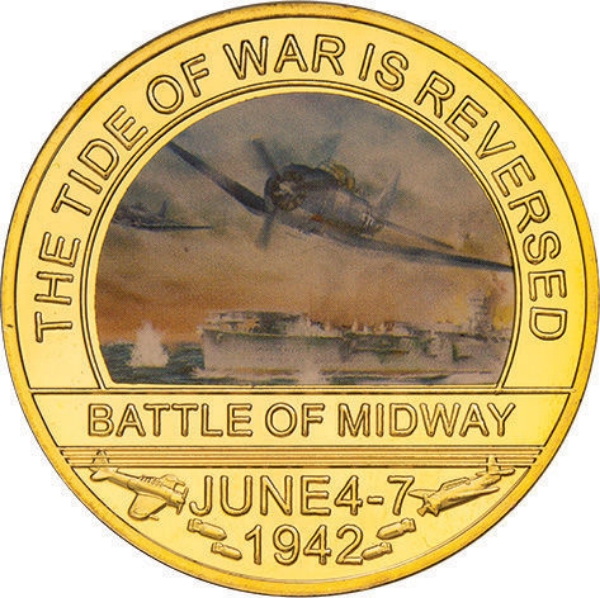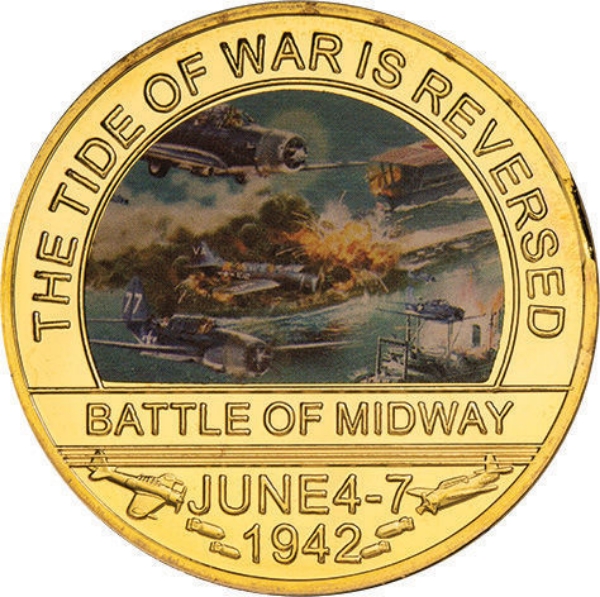
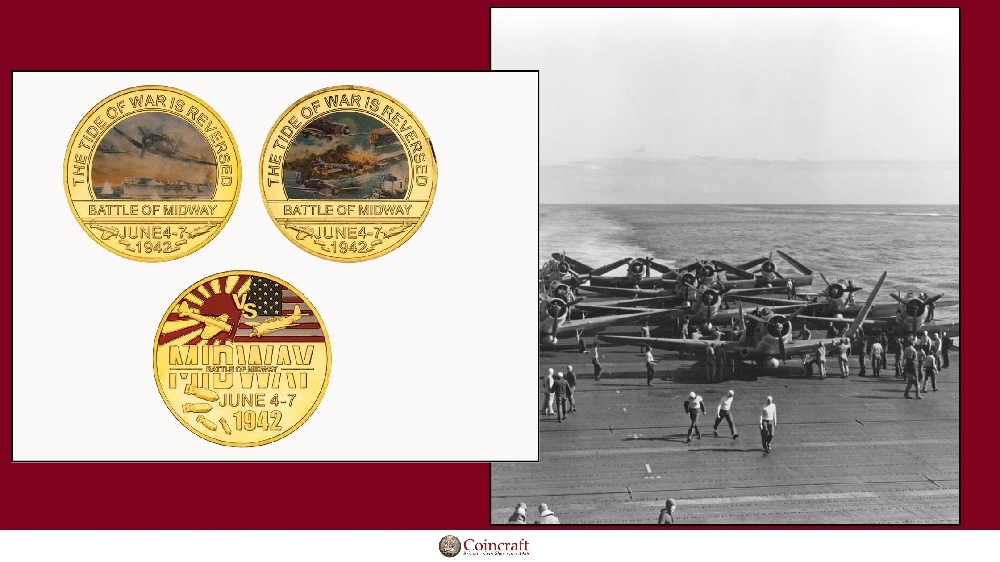
Picture Source of Battle of Midway: Wikipedia
Introduction to the Battle of Midway
The Battle of Midway, fought between June 4 and June 7, 1942, was a pivotal confrontation in the Pacific Theatre of World War II. Taking place just six months after the attack on Pearl Harbor, it marked a significant turning point in the conflict between the United States and Japan. Through strategic brilliance, intelligence breakthroughs, and sheer determination, the U.S. Navy halted the expansion of Japanese forces, thereby altering the course of the war.
This battle was not just a clash of fleets but a clash of minds, where intelligence played a crucial role. The United States, having cracked Japanese naval codes, was able to anticipate and counter the Japanese plans. This foreknowledge allowed the U.S. to set an ambush for the Japanese fleet, demonstrating the growing importance of intelligence in military strategy.
Beyond its immediate tactical implications, the Battle of Midway had profound strategic consequences. It shifted the momentum in the Pacific, bolstering American morale and weakening Japanese naval capabilities. Understanding this battle's significance requires delving into its historical context, the key players involved, and the strategies that defined it.
Historical Context and Prelude to the Battle
The early months of 1942 were characterised by rapid Japanese advances across the Pacific. After the devastating attack on Pearl Harbor, Japan aimed to extend its defensive perimeter further into the Pacific, thereby thwarting any future American offensive. Their intent was clear: to eliminate the U.S. as a strategic power in the Pacific, thereby securing their dominance in the region.
The plan to attack Midway Atoll was part of a broader strategy to lure the U.S. Pacific Fleet into a trap and destroy it. Midway, a small island located approximately halfway between Asia and North America, was of strategic importance. Capturing it would have provided Japan with a base to threaten Hawaii and the West Coast of the United States, thus further isolating America.
American forces, however, were not entirely in the dark. Thanks to the efforts of cryptanalysts, the U.S. Navy had deciphered portions of the Japanese naval code. This intelligence breakthrough allowed Admiral Chester W. Nimitz, Commander-in-Chief of the Pacific Fleet, to devise a counter-strategy, setting the stage for a decisive encounter at Midway.
Key Players in the Battle of Midway
Several key figures played critical roles in the Battle of Midway, each contributing to the unfolding drama. On the American side, Admiral Chester W. Nimitz was the architect of the U.S. strategy. With his calm demeanor and insightful leadership, Nimitz orchestrated the deployment of the U.S. fleet, ensuring they were in position to confront the Japanese forces.
Admiral Isoroku Yamamoto, the mastermind behind the attack on Pearl Harbor, led the Japanese forces. Recognised for his strategic acumen, Yamamoto aimed to deliver a crippling blow to the U.S. Pacific Fleet. Despite his strategic brilliance, Yamamoto was unaware that his plans had been compromised, a factor that significantly influenced the battle's outcome.
The battle also witnessed the heroics of numerous naval aviators and crew members. Notably, the efforts of Lieutenant Commander John C. Waldron and his torpedo squadron, despite suffering heavy losses, helped set the stage for a successful American counterattack. Such acts of bravery underscored the personal sacrifices that defined the battle.
The Strategies Employed by Both Sides
The Battle of Midway was a testament to strategic innovation and adaptation. The Japanese strategy, conceived by Yamamoto, involved a complex plan to divide and conquer. By launching a diversionary attack on the Aleutian Islands, Japan hoped to lure the American carriers north, leaving Midway vulnerable to assault.
In contrast, the Americans, armed with intelligence about Japanese intentions, devised a plan to counter and ambush the Japanese fleet. Admiral Nimitz's strategy involved using the element of surprise, positioning his carriers—USS Enterprise, USS Hornet, and USS Yorktown—northeast of Midway to strike the Japanese forces as they approached.
The strategies employed by both sides highlighted the evolving nature of naval warfare. The reliance on aircraft carriers and naval aviation, rather than battleships, marked a shift in naval tactics. This evolution underscored the importance of air superiority and the need for adaptability in modern military operations.
The Course of the Battle: Key Events and Turning Points
The Battle of Midway unfolded over four days, with key events shaping its outcome. On June 4, as Japanese forces launched their attack on Midway, American aircraft from Midway Island and the carriers moved to counter the Japanese fleet. Despite initial setbacks, including heavy losses among torpedo squadrons, the tide began to turn.
A pivotal moment came when American dive bombers, led by Lieutenant Commander Clarence Wade McClusky, discovered the Japanese carriers. In a matter of minutes, they delivered devastating attacks, setting three of the four Japanese carriers—Akagi, Kaga, and Soryu—ablaze. This decisive action crippled the Japanese naval air power and shifted the battle's momentum.
The loss of the Japanese carriers, combined with the subsequent sinking of the Hiryu, marked a turning point in the battle. The Japanese fleet, now without air cover, was forced to retreat. This shift in fortunes underscored the critical role of naval aviation and the impact of decisive leadership and coordination in battle.
The Aftermath of the Battle of Midway
The aftermath of the Battle of Midway had profound implications for both the United States and Japan. For the U.S., the victory at Midway was a morale booster, demonstrating their capability to challenge and defeat the once-dominant Japanese navy. It marked the beginning of a strategic shift towards offensive operations in the Pacific.
The Japanese, however, faced a severe setback. The loss of four carriers, along with experienced pilots and crew, dealt a significant blow to their naval capabilities. This defeat curtailed their expansionist ambitions and forced them onto the defensive, altering the trajectory of their military strategy in the Pacific.
In the broader context of World War II, the Battle of Midway was a turning point that shifted the balance of power in the Pacific. It paved the way for subsequent American victories, including the campaigns in the Solomon Islands and the eventual push towards Japan, culminating in the end of the war.
The Impact of Midway on World War II
The significance of the Battle of Midway extended beyond the immediate tactical victory. Strategically, it reshaped the dynamics of the Pacific Theatre, providing the United States with a platform to launch offensive operations. This shift in strategy was instrumental in the eventual Allied victory in the Pacific.
The battle underscored the importance of intelligence and surprise in military operations. The American success in breaking Japanese codes demonstrated the critical role of intelligence in shaping battle outcomes. This reliance on information and analysis would become a defining feature of modern warfare.
Furthermore, Midway highlighted the changing nature of naval warfare, with aircraft carriers and air power becoming central to naval strategy. This transformation in military tactics influenced naval doctrines and set a precedent for future conflicts, emphasising the importance of technological innovation and adaptability.
Lessons Learned from the Battle of Midway
The Battle of Midway offered valuable lessons in strategy, leadership, and innovation. One of the key takeaways was the importance of intelligence in military planning. The ability to anticipate enemy movements and adapt strategies accordingly proved decisive in securing victory.
Leadership also emerged as a critical factor in the battle's outcome. The strategic foresight of Admiral Nimitz, combined with the bravery and initiative of naval aviators, underscored the importance of decisive leadership and effective communication in complex military operations.
Finally, Midway highlighted the need for innovation and adaptability in warfare. The successful use of aircraft carriers and naval aviation demonstrated the evolving nature of military tactics. This adaptability, coupled with technological advancements, would continue to shape the future of naval warfare.
The Legacy of the Battle in Naval Warfare
The legacy of the Battle of Midway is evident in the evolution of naval warfare. The battle underscored the shift from battleship-centric fleets to carrier-based operations, a transformation that would define naval strategy for decades to come. This change emphasised the importance of air power and the need for integrated naval and air operations.
The lessons learned from Midway also influenced naval training and doctrine. The importance of intelligence, surprise, and adaptability became central tenets of naval strategy, shaping the development of naval forces and capabilities in the post-war era.
Moreover, the battle inspired future generations of naval leaders, serving as a testament to the courage, innovation, and strategic acumen required in modern warfare. The legacy of Midway continues to resonate in the annals of military history, serving as a benchmark for excellence in naval strategy and operations.
The Significance of the Battle of Midway
The Battle of Midway stands as a landmark event in the history of naval warfare. Its significance lies not only in the tactical victory achieved by the United States but also in its strategic and symbolic impact on World War II. By halting Japanese expansion and shifting the momentum in the Pacific, Midway marked a turning point that paved the way for Allied success.
The battle's legacy endures as a testament to the power of intelligence, leadership, and innovation in military operations. It serves as a reminder of the complexities and challenges inherent in warfare, highlighting the need for adaptability and foresight in the face of adversity.
As we reflect on the Battle of Midway, we are reminded of the enduring lessons it offers for military strategy and leadership. Its significance continues to resonate, inspiring future generations to learn from the past and strive for excellence in the defence of freedom and peace.
Key Takeaways from the Battle of Midway
1. Strategic Intelligence is Crucial
Breaking enemy communication codes provided a decisive advantage
Intelligence gathering and analysis can fundamentally alter battle outcomes
2. Adaptability in Warfare
The battle demonstrated the importance of flexible military strategies
Technological innovation and quick adaptation are key to success
3. Leadership and Courage
Individual and collective bravery can turn the tide of battle
Strategic leadership, exemplified by Admiral Nimitz, is critical in complex military operations
4. Technological Transformation
The battle marked a pivotal moment in naval warfare
Aircraft carriers replaced battleships as the primary naval weapon
Air power became central to military strategy
5. Psychological Impact
The victory significantly boosted American morale
It forced Japan onto the defensive, fundamentally changing their war strategy
6. Long-term Consequences
Midway was a turning point in World War II
It paved the way for subsequent American offensive operations in the Pacific
The battle ultimately contributed to the Allied victory in World War II
7. Lessons in Military Strategy
The importance of surprise and strategic positioning
The need for comprehensive military intelligence
The value of innovative thinking in military operations
Battle of Midway: Frequently Asked Questions (FAQ)
General Battle Information
Q1: What was the Battle of Midway?
A: The Battle of Midway was a pivotal naval battle in the Pacific Theatre of World War II, fought between June 4 and June 7, 1942. It was a decisive confrontation between the United States and Japan that significantly altered the course of the war in the Pacific.
Q2: Where did the Battle of Midway take place?
A: The battle took place near Midway Atoll, a small island located approximately halfway between Asia and North America. Its strategic location made it a critical target for Japanese expansion plans.
Q3: Why was the Battle of Midway important?
A: The battle was crucial because it:
Halted Japanese expansion in the Pacific
Shifted the momentum of the war in favor of the United States
Demonstrated the importance of naval aviation and intelligence in warfare
Key Players
Q4: Who were the main leaders in the battle?
A: Key leaders included:
Admiral Chester W. Nimitz (U.S. Commander-in-Chief of the Pacific Fleet)
Admiral Isoroku Yamamoto (Japanese Fleet Commander)
Q5: What made the U.S. victory possible?
A: Several factors contributed to the U.S. victory:
Breaking Japanese naval codes
Strategic positioning of aircraft carriers
Decisive leadership
Brave actions of naval aviators
Battle Details
Q6: How many carriers were lost in the battle?
A: The Japanese lost four critical aircraft carriers:
Akagi
Kaga
Soryu
Hiryu
Q7: What was the significance of naval aviation in this battle?
A: The battle highlighted the shift from battleship-centric warfare to carrier-based operations, proving the critical importance of air power in naval conflicts.