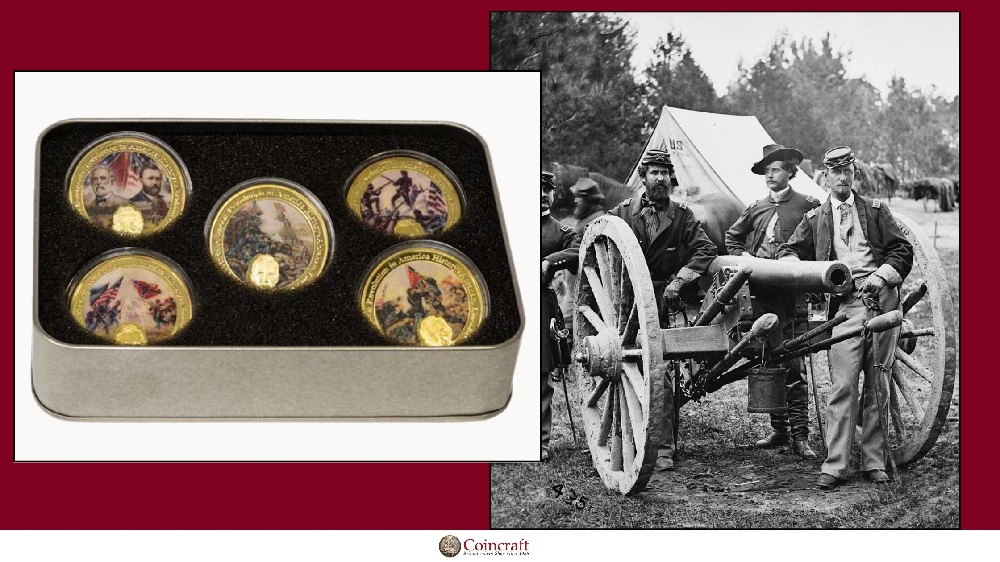
Picture Source of the American Civil War: Wikipedia
Introduction to the American Civil War
The American Civil War, a defining moment in the history of the United States, lasted from 1861 to 1865. This conflict arose primarily from longstanding sectional differences and questions about slavery and states' rights. The war not only shaped the nation's future but also redefined its identity and values. Understanding the complexities of this war involves examining its root causes, major events, and enduring impact on American society.
The war commenced on April 12, 1861, when Confederate forces attacked Fort Sumter in South Carolina. This marked the beginning of a four-year struggle between the Union (the North) and the Confederacy (the South). The war involved numerous battles and significant casualties, with an estimated 620,000 to 750,000 soldiers losing their lives. The conflict eventually concluded with the Union's victory, bringing significant changes to the nation's political and social landscape.
Beyond the battlefield, the Civil War introduced profound shifts in American culture and governance. It led to the abolition of slavery, a major victory for human rights, though the journey toward equality was far from complete. The war's legacy continues to influence the United States, making it essential to explore its causes and consequences to fully grasp its impact on modern America.
Key Causes of the American Civil War
Several factors contributed to the outbreak of the American Civil War, with slavery being the most contentious issue. The Southern economy's reliance on slave labor clashed with the Northern states' growing abolitionist sentiment. This fundamental disagreement over human rights and economic interests created deep divisions between the regions, setting the stage for conflict.
In addition to slavery, states' rights played a crucial role in the lead-up to the war. Southern states championed the idea of state sovereignty, arguing that they should have the power to govern themselves without federal intervention, particularly concerning the institution of slavery. This belief in states' rights often clashed with the federal government's efforts to maintain national unity, further escalating tensions.
Economic differences also fueled the conflict. The industrialised North favoured tariffs and government support for infrastructure, while the agrarian South opposed such measures, fearing they would harm their economy. These economic disparities exacerbated regional animosities, contributing to the eventual secession of Southern states from the Union.
Major Events During the Civil War
Several pivotal battles and events shaped the course of the American Civil War. One of the most significant was the Battle of Gettysburg, fought from July 1 to 3, 1863. This battle marked a turning point in the war, as Union forces, led by General George Meade, successfully repelled the Confederate army, led by General Robert E. Lee. The Union victory at Gettysburg halted the Confederate invasion of the North and bolstered Northern morale.
The Emancipation Proclamation, issued by President Abraham Lincoln on January 1, 1863, was another crucial event. This executive order declared the freedom of all enslaved people in Confederate-held territory. While it did not immediately free all enslaved individuals, it fundamentally altered the war's purpose by making the abolition of slavery a central Union aim, galvanising support for the war effort.
The war concluded with General Lee's surrender to General Ulysses S. Grant at Appomattox Court House on April 9, 1865. This event effectively ended the conflict, leading to the eventual reintegration of the Southern states into the Union. The aftermath of the war saw the passage of the Reconstruction Amendments, which aimed to secure civil rights for formerly enslaved people and redefine the nation's legal framework.
The Role of Key Figures in the Civil War
Numerous individuals played pivotal roles in the American Civil War, shaping its course and outcome. President Abraham Lincoln, as the leader of the Union, was instrumental in preserving the nation and advancing the cause of emancipation. His leadership during the war, marked by speeches like the Gettysburg Address, helped rally the Union and articulate the principles of freedom and equality.
In the South, General Robert E. Lee emerged as a prominent figure. Despite his ultimate defeat, Lee was respected for his military acumen and strategic brilliance. His leadership of the Confederate Army of Northern Virginia made him a symbol of the Southern cause, and his surrender at Appomattox signaled the end of the war.
Other notable figures include Frederick Douglass, an influential abolitionist who tirelessly advocated for the end of slavery and equal rights for African Americans. His writings and speeches helped shape public opinion and mobilize support for the Union cause. Together, these individuals and others played critical roles in the war's narrative, influencing its outcome and legacy.
The Consequences of the American Civil War
The aftermath of the American Civil War brought about significant social, political, and economic changes. One of the most immediate consequences was the abolition of slavery. The 13th Amendment, ratified in December 1865, formally abolished slavery in the United States, marking a monumental step towards freedom and equality for millions of African Americans.
Politically, the war strengthened the federal government's authority over the states. The victory of the Union affirmed the primacy of federal law, reducing the likelihood of secession and reinforcing the idea of a united nation. This shift in power dynamics laid the groundwork for future federal initiatives, including civil rights legislation and social welfare programmes.
Economically, the war accelerated industrialisation in the North and disrupted the agrarian economy of the South. The destruction of infrastructure and the loss of slave labor forced the Southern states to rebuild and diversify their economies. This transition, although challenging, eventually contributed to the South's modernisation and integration into the broader national economy.
The Impact on American Society and Culture
The American Civil War had a profound impact on society and culture, reshaping national identity and values. The abolition of slavery was a major societal shift, leading to new opportunities and challenges for African Americans. While the end of slavery was a significant victory, the struggle for civil rights and equality continued, with African Americans facing persistent discrimination and segregation.
Culturally, the war inspired a wealth of literature, art, and music. Authors like Louisa May Alcott and Walt Whitman captured the war's human toll and complexities in their writings, while songs and poems reflected the era's emotions and experiences. This cultural output contributed to a broader understanding of the war's impact and helped shape the nation's collective memory.
The war also fostered a sense of national unity and identity. The shared experience of conflict and sacrifice strengthened the bonds between citizens, emphasising the ideals of freedom, democracy, and equality. This legacy of unity and resilience remains a crucial part of the American national narrative, influencing how the country perceives itself and its role in the world.
Reconstruction: A Nation Rebuilding
The period of Reconstruction, which followed the Civil War, was a time of rebuilding and transformation. Lasting from 1865 to 1877, it aimed to address the political, social, and economic challenges facing the nation. The federal government implemented policies designed to integrate formerly enslaved individuals into American society and rebuild the war-torn Southern states.
One of the key components of Reconstruction was the passage of the 14th and 15th Amendments. The 14th Amendment granted citizenship to all persons born or naturalised in the United States, ensuring equal protection under the law. The 15th Amendment prohibited denying the right to vote based on race, colour, or previous condition of servitude. These amendments were crucial steps towards civil rights, though their enforcement faced significant resistance.
Despite these efforts, Reconstruction faced numerous challenges and setbacks. The rise of white supremacist groups, economic instability, and political opposition hindered progress. By 1877, the federal government withdrew troops from the South, effectively ending Reconstruction and leaving many of its goals unfulfilled. This period remains a complex and contested chapter in American history, with its successes and failures continuing to influence contemporary discussions on race and equality.
The Legacy of the American Civil War in Modern America
The legacy of the American Civil War is evident in many aspects of modern America. The war's outcome and the subsequent amendments to the Constitution laid the foundation for the civil rights movement of the 20th century. Leaders like Martin Luther King Jr. drew inspiration from the principles of equality and justice championed during the Civil War era, advocating for the full realisation of those ideals.
In addition to its influence on civil rights, the war shaped America's political landscape. The expansion of federal power and the emphasis on national unity have continued to influence government policy and public discourse. Issues surrounding states' rights, civil liberties, and federal authority remain relevant, reflecting the ongoing impact of the war's unresolved questions.
Culturally, the American Civil War continues to be a subject of fascination and debate. Countless books, films, and documentaries explore its events and implications, contributing to a broader understanding of its significance. This enduring interest underscores the war's role in shaping the American identity and its ongoing relevance in contemporary society.
Resources for Further Learning about the American Civil War
For those interested in delving deeper into the American Civil War, numerous resources offer valuable insights and perspectives. Books such as Battle Cry of Freedom by James M. McPherson provide comprehensive overviews of the war's causes and outcomes. Documentaries like Ken Burns' The Civil War offer engaging visual narratives that bring the conflict to life.
Museums and historical sites across the United States also offer opportunities to explore the war's history firsthand. The Gettysburg National Military Park, the American Civil War Museum, and the National Civil War Museum are just a few places where visitors can learn about the war's events and impact.
Online resources, including the National Archives and the Library of Congress, provide access to a wealth of primary documents, photographs, and maps. These materials offer unique insights into the war's history and are invaluable tools for researchers and history enthusiasts alike.
American Civil War: Key Takeaways and FAQs
Key Takeaways
Duration & Impact: 1861-1865; resulted in 620,000-750,000 casualties and the abolition of slavery
Main Causes: Slavery disputes, states’ rights conflicts, and economic differences between industrial North and agricultural South
Critical Events: Fort Sumter attack (1861), Emancipation Proclamation (1863), Battle of Gettysburg (1863), Lee’s surrender at Appomattox (1865)
Key Figures: Abraham Lincoln (Union President), Robert E. Lee (Confederate General), Frederick Douglass (Abolitionist)
Outcomes: 13th Amendment abolished slavery, federal authority strengthened, Southern economy transformed
Legacy: Foundation for civil rights movement, ongoing influence on American politics and national identity
Frequently Asked Questions
What caused the American Civil War?
Primarily slavery, states’ rights disputes, and economic differences between the industrialized North and the agricultural South.
When did the Civil War occur?
From April 12, 1861 (attack on Fort Sumter) to April 9, 1865 (Lee’s surrender at Appomattox).
What was the Emancipation Proclamation?
Issued by Lincoln on January 1, 1863, it declared freedom for enslaved people in Confederate territories and made abolition a central Union aim.
What constitutional changes resulted from the war?
The 13th Amendment abolished slavery, the 14th granted citizenship and equal protection, and the 15th prohibited voting discrimination based on race.
What was Reconstruction?
The 1865-1877 period of rebuilding the nation and integrating formerly enslaved people into society, which ended when federal troops withdrew from the South.
How does the Civil War impact America today?
Its legacy continues in civil rights movements, debates on federal versus state authority, and its influence on American cultural identity.