.jpg)
Introduction to the 4th of July Celebration Patriotic
The 4th of July, also known as Independence Day, is a significant event in the United States, embodying the spirit of freedom and national pride. It marks the day in 1776 when the Declaration of Independence was adopted, signifying the birth of the nation. This celebration is not only a reflection of American history but also a day filled with joy, unity, and a sense of community.
Celebrating the 4th of July is an annual tradition that brings together families, friends, and communities. It's a day when people engage in various activities, from fireworks displays to parades and barbecues, creating lasting memories. Understanding the origins and significance of this day enhances the celebration, allowing participants to appreciate the freedom they enjoy.
Each year, individuals and communities seek new and exciting ways to make their 4th of July celebration unique and memorable. From innovative decoration ideas to delicious recipes and engaging activities, there are endless possibilities to explore. This guide aims to provide comprehensive insights into planning an unforgettable Independence Day celebration.
The History Behind the 4th of July
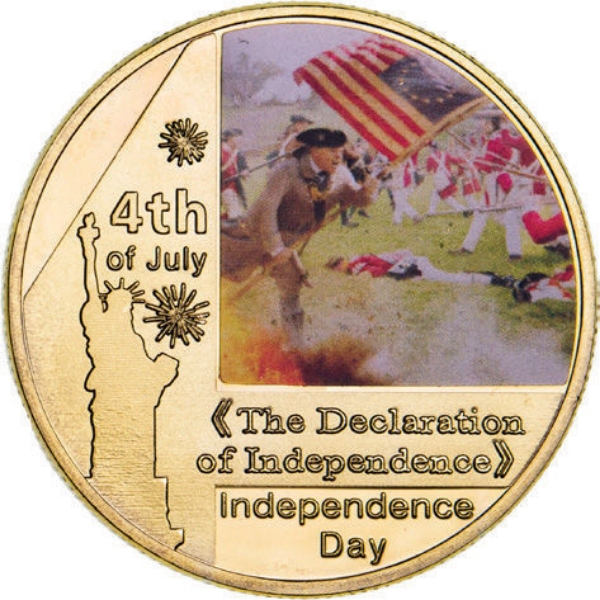
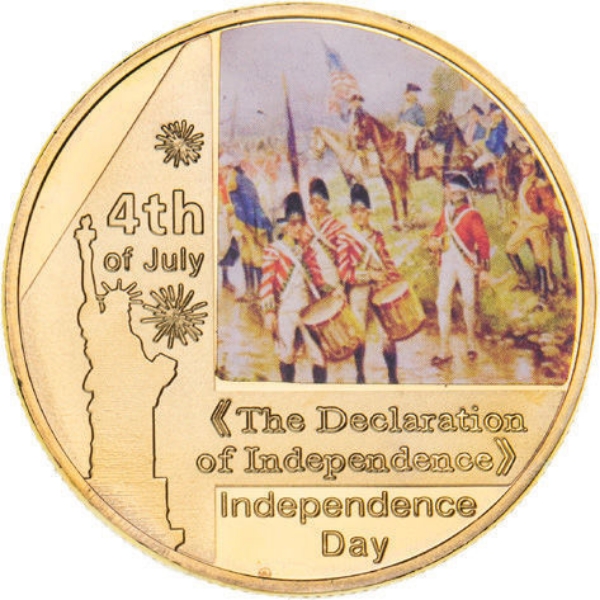
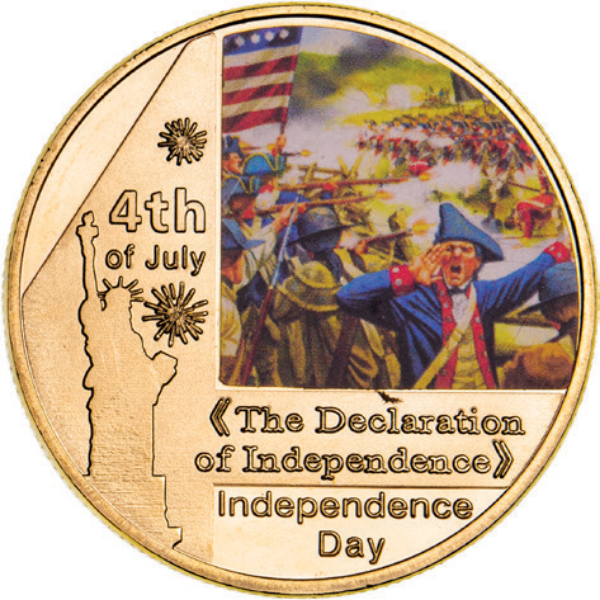
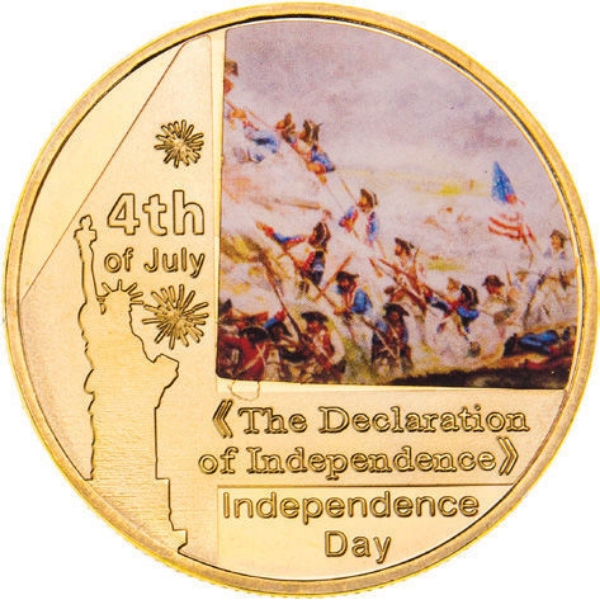
The journey to American independence was a challenging and transformative period. The Declaration of Independence, primarily authored by Thomas Jefferson, was adopted by the Continental Congress on July 4, 1776. This historic document proclaimed the thirteen American colonies as free and independent states, no longer under British rule.
Understanding the historical context of the 4th of July enhances the depth of the celebration. The American Revolution was a complex struggle for autonomy that involved significant sacrifices and strategic alliances. Learning about key figures, battles, and events that led to independence is both educational and inspiring.
Celebrating this day also honours the courage and vision of those who fought for liberty. It's a reminder of the values of democracy, freedom, and equality that continue to shape the nation. By reflecting on history, individuals can appreciate the significance of the 4th of July and deepen their connection to its legacy.
Key Takeaways
The 4th of July (Independence Day) marks the adoption of the Declaration of Independence in 1776
The Declaration, primarily authored by Thomas Jefferson, proclaimed the thirteen American colonies as free and independent states
Celebrating honors those who fought for liberty and reinforces values of democracy, freedom, and equality
Frequently Asked Questions (FAQ)
What is the historical significance of the 4th of July?
The 4th of July commemorates the adoption of the Declaration of Independence on July 4, 1776, which proclaimed the thirteen American colonies as free and independent states, no longer under British rule. It marks the birth of the United States as a nation and celebrates the values of freedom, democracy, and independence.