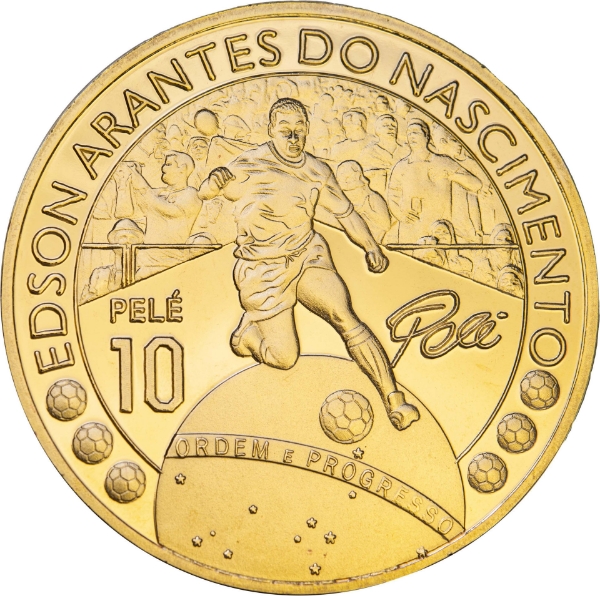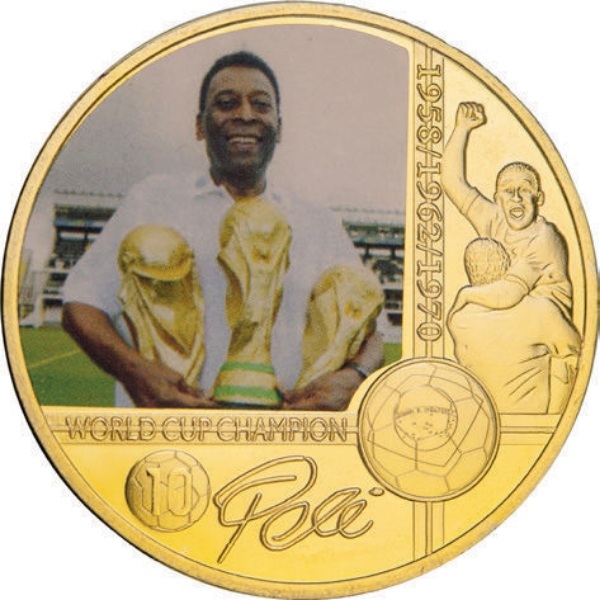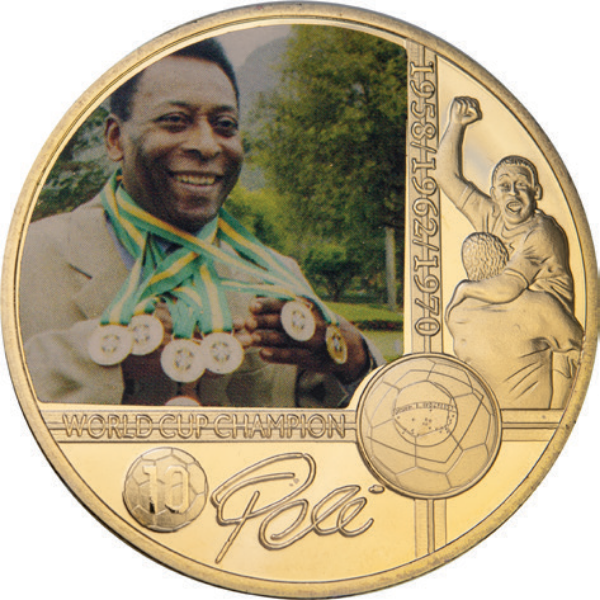
Picture Source of Pele: Wikipedia
 - .jpg)
Introduction to Pelé: The King of Football
When discussing the greatest footballers of all time, the name Pelé invariably takes centre stage. Known as the 'King of Football', Pelé's influence on the sport is monumental, transcending generations. Born Edson Arantes do Nascimento on 23 October 1940 in Três Corações, Brazil, he rose from humble beginnings to dominate the world of football. Pelé's unmatched skill, vision, and passion for the game earned him a legendary status that continues to inspire millions.
Pelé's journey to becoming a football icon began at an early age. His natural talent was evident from the start, and by the age of 15, he was already playing professionally for Santos FC. His debut for the Brazilian national team came just a year later, marking the beginning of an illustrious international career. Pelé's ability to score goals with both grace and power set him apart, and his knack for turning a game in his favour made him a constant threat to the opposition.
The Brazilian maestro's contributions to football go beyond statistics and records. His charisma and sportsmanship on and off the pitch set a standard for future generations. Pelé's legacy is not just about his impressive goal tally but also about the joy and excitement he brought to fans worldwide. As we delve into the life and career of this football legend, we celebrate the enduring impact Pelé has had on the beautiful game.
Early Life and Career: The Making of a Legend
Pelé's early life was marked by adversity, yet it was these challenges that shaped his character and fueled his determination. Growing up in a poor family, Pelé often played football using a sock stuffed with newspaper as a ball. Despite the hardships, his passion for the sport was unwavering. His father, Dondinho, a former footballer himself, nurtured Pelé's talent and instilled in him the values of hard work and dedication.
At the age of 11, Pelé joined a local youth team called Bauru Athletic Club, where his exceptional skills caught the attention of his coach, Waldemar de Brito. Recognising Pelé's potential, de Brito convinced Pelé's family to let him try out for Santos FC. This decision would prove to be pivotal, as Pelé quickly became the star of the team, leading them to numerous victories and establishing himself as a force to be reckoned with in Brazilian football.
Pelé's breakthrough came during the 1958 World Cup in Sweden. At just 17 years old, he became the youngest player to participate in a World Cup final, scoring twice in Brazil's 5-2 victory over Sweden. This remarkable performance catapulted Pelé to global fame and laid the foundation for a career that would redefine the sport. His blend of technical ability, creativity, and tactical intelligence made him an unstoppable force on the field, earning him adulation from fans and respect from peers.
Pelé's Impact on the World of Football
Pelé's influence on football is unparalleled, with his impact resonating far beyond his playing days. He revolutionised the game with his innovative style, blending flair with precision, and his ability to perform under pressure set a new benchmark for excellence. Pelé's dribbling skills, agility, and instinctive understanding of the game made him a player like no other.
His success with Santos FC and the Brazilian national team contributed significantly to the globalisation of football. Pelé's exploits on the field captured the imagination of fans worldwide, elevating the status of Brazilian football and inspiring a new generation of players. His presence in international tournaments drew attention to the sport, helping to establish football as a truly global phenomenon.
Pelé's legacy extends beyond his technical prowess. He played a crucial role in promoting sportsmanship and fair play, embodying the spirit of the game. His humility and graciousness earned him admiration off the pitch, making him an ambassador for football and a role model for aspiring athletes. Through his actions and achievements, Pelé demonstrated that football could unite people across cultures and bring joy to millions.
Iconic Moments in Pelé's Career
Pelé's career is replete with iconic moments that have become etched in the annals of football history. Each of these milestones showcases his extraordinary talent and unwavering commitment to the sport. Among his many achievements, the 1970 World Cup stands out as a testament to Pelé's greatness. Leading Brazil to their third World Cup victory, Pelé displayed exceptional skill and leadership, culminating in a 4-1 victory over Italy in the final.
One of Pelé's most memorable performances came during a match against Benfica in 1962. In the Intercontinental Cup final, Pelé scored a hat-trick, leading Santos FC to a resounding 5-2 victory. This performance not only highlighted Pelé's ability to rise to the occasion but also solidified his status as one of the greatest players of his era.
Another unforgettable moment occurred in the 1958 World Cup semi-final against France. Despite being one of the youngest players on the field, Pelé scored a remarkable hat-trick, propelling Brazil to the final. His composure and maturity in such high-pressure situations were indicative of his unique talent and mental fortitude. These moments, among many others, have contributed to Pelé's enduring legacy as a football legend.
Pelé's Contributions to the Sport Beyond the Pitch
Beyond his on-field exploits, Pelé made significant contributions to football off the pitch. His involvement in various charitable initiatives and advocacy for social causes showcased his commitment to using his influence for the greater good. Pelé's dedication to promoting education and healthcare initiatives in underserved communities has left a lasting impact, improving the lives of countless individuals.
Additionally, Pelé's role as a global ambassador for football cannot be overstated. Through his work with organisations such as UNESCO and UNICEF, he championed the power of sport to foster peace and development. Pelé's efforts to promote football in countries with emerging football cultures helped broaden the sport's reach and accessibility, inspiring new generations of players and fans worldwide.
Pelé also played a pivotal role in the development of football infrastructure in Brazil. His advocacy for improved facilities and youth development programmes led to increased investment in the sport, ensuring that future generations would have the resources needed to excel. Pelé's vision for football as a tool for positive change continues to influence the sport's evolution, demonstrating his enduring impact beyond the pitch.
The Legacy of Pelé: Awards and Recognitions
Pelé's illustrious career has been recognised with numerous awards and accolades, cementing his place in football history. Among his many honours, Pelé was named FIFA World Player of the Century in 1999, a testament to his unparalleled contributions to the sport. His inclusion in the FIFA 100 list of the greatest living players further underscores his status as a football icon.
Throughout his career, Pelé received multiple Ballon d'Or awards, an honour traditionally reserved for European players until 1995. In recognition of his exceptional achievements, Pelé was awarded seven honorary Ballon d'Or awards, highlighting his enduring influence on the sport. Additionally, he was inducted into the Brazilian Football Museum Hall of Fame and the International Football Hall of Fame, celebrating his extraordinary impact on the game.
Pelé's legacy is also reflected in the numerous records he set during his career. He remains the only player to have won three FIFA World Cups, a remarkable achievement that underscores his dominance on the international stage. Pelé's goal-scoring prowess is legendary, with an official tally of 1,283 goals in 1,363 matches. These accolades and records attest to Pelé's indelible mark on football, ensuring his place among the all-time greats.
Pelé's Influence on Future Generations of Footballers
Pelé's impact on future generations of footballers is immeasurable, with his legacy inspiring countless players to pursue their dreams. His unique style of play, characterised by creativity and flair, set a new standard for excellence, influencing the development of football tactics and strategies. Many of today's top players, including Lionel Messi and Cristiano Ronaldo, cite Pelé as a major influence on their careers.
Pelé's emphasis on teamwork and sportsmanship has also left a lasting impression on the football community. His commitment to fair play and respect for opponents has become a guiding principle for aspiring athletes, emphasising the importance of integrity in sports. Pelé's approach to the game has shaped the mindset of countless players, fostering a spirit of camaraderie and collaboration on and off the field.
In addition to his influence on individual players, Pelé's impact extends to the development of football cultures worldwide. His success with the Brazilian national team helped popularise the sport in regions where it was previously underrepresented, inspiring new generations of players to take up the game. Pelé's legacy serves as a reminder of football's potential to unite people across borders and cultures, fostering a shared passion for the beautiful game.
Remembering Pelé: Tributes and Celebrations
Pelé's contributions to football have been celebrated through numerous tributes and commemorations, honouring his lasting impact on the sport. From statues and murals to awards and tournaments bearing his name, Pelé's legacy is preserved in various forms, ensuring that future generations remember his unparalleled achievements. These tributes serve as a testament to the profound influence Pelé has had on football and the lives of those who love the game.
One of the most notable tributes to Pelé is the Estádio Rei Pelé in Maceió, Brazil, a stadium named in his honour. This iconic venue hosts various football events, serving as a testament to Pelé's enduring legacy in Brazilian football. Additionally, the Pelé Museum in Santos, Brazil, offers fans an opportunity to explore the life and career of the football legend, showcasing memorabilia and personal items from his illustrious journey.
Pelé's influence is also celebrated through various awards and honours bestowed upon him by football organisations worldwide. These accolades, such as the FIFA Order of Merit and the Golden Foot award, recognise Pelé's extraordinary contributions to the sport and his role as an ambassador for football. Through these tributes and celebrations, Pelé's legacy continues to inspire and captivate fans around the globe.
Pelé's Role in Promoting Football Globally
Pelé's role in promoting football globally has been instrumental in popularising the sport and expanding its reach. His international tours and exhibition matches introduced football to new audiences, sparking interest and enthusiasm in regions where the sport was not traditionally popular. Pelé's charisma and skill captivated fans worldwide, helping to establish football as a global phenomenon.
As a global ambassador for football, Pelé worked tirelessly to promote the sport's values and benefits. His involvement in initiatives aimed at fostering peace and development through football has had a lasting impact, illustrating the sport's potential to bring about positive change. Pelé's efforts to support youth development programmes and improve access to football infrastructure have helped lay the groundwork for future generations to thrive.
Pelé's legacy as a promoter of football is evident in the sport's growing popularity and influence worldwide. His vision for football as a unifying force transcending cultural and geographical boundaries has inspired countless individuals to embrace the game. Through his dedication and passion, Pelé has played a pivotal role in shaping the future of football, leaving an indelible mark on the sport and its global community.
The Enduring Legacy of Pelé
The legacy of Pelé is a testament to the transformative power of football and the enduring impact of one man's extraordinary talent and vision. As we reflect on Pelé's remarkable career and contributions to the sport, we celebrate a legacy that continues to inspire and captivate fans worldwide. Pelé's influence extends beyond his achievements on the pitch, encompassing his dedication to promoting the values of sportsmanship, teamwork, and unity.
Pelé's story is a reminder of the potential for greatness that lies within each of us, regardless of our circumstances. His journey from humble beginnings to global stardom illustrates the power of perseverance, passion, and determination in achieving one's dreams. Pelé's enduring legacy serves as an inspiration to countless individuals, encouraging them to pursue excellence in their own lives and to contribute to the world in meaningful ways.
As we honour the memory of Pelé and celebrate his contributions to the beautiful game, let us continue to embrace the spirit of football that he embodied. Whether you are a player, coach, or fan, you can be part of the ongoing story of football by supporting the next generation of players and promoting the values that Pelé championed. Join us in keeping Pelé's legacy alive by sharing his story and celebrating the sport he loved so dearly.
Key Takeaways
Early Life & Background: Born as Edson Arantes do Nascimento on October 23, 1940, in Três Corações, Brazil, Pelé grew up in poverty but developed his skills using improvised equipment like socks stuffed with newspaper.
Professional Journey: By age 15, he was playing professionally for Santos FC. At 17, he became the youngest player to participate in a World Cup final (1958), scoring twice in Brazil’s victory.
Unmatched Achievements: Pelé is the only player to win three FIFA World Cups and scored an astounding 1,283 goals in 1,363 matches throughout his career.
Global Impact: Beyond his playing career, Pelé served as a global ambassador for football, working with UNESCO and UNICEF to promote peace and development through sport.
Playing Style: He revolutionized football with his innovative style that blended technical skill, creativity, flair, and tactical intelligence, influencing generations of players.
Recognition: Pelé was named FIFA World Player of the Century in 1999 and received seven honorary Ballon d’Or awards, despite the award being traditionally limited to European players until 1995.
Legacy: His influence extends beyond statistics, as he inspired football culture worldwide and established a standard for sportsmanship and integrity in the game.
Off-Field Contributions: Pelé advocated for improved football infrastructure, youth development programs, and used his platform for various charitable initiatives and social causes.
Frequently Asked Questions
Who was Pelé?
Pelé, born Edson Arantes do Nascimento, was a Brazilian footballer widely regarded as one of the greatest players of all time. Known as the “King of Football,” he transformed the sport with his exceptional skill, vision, and passion.
When and where was Pelé born?
Pelé was born on October 23, 1940, in Três Corações, Brazil.
What teams did Pelé play for?
Pelé primarily played for Santos FC in Brazil, where he began his professional career at age 15. He also represented the Brazilian national team on the international stage.
What are Pelé’s most significant achievements?
Pelé is the only footballer to win three FIFA World Cups (1958, 1962, and 1970). He scored 1,283 goals in 1,363 matches throughout his career and was named FIFA World Player of the Century in 1999.
How did Pelé impact football globally?
Pelé helped popularize football worldwide through his international tours and exhibition matches. His charisma and skill introduced the sport to new audiences, establishing football as a truly global phenomenon.
What was special about Pelé’s playing style?
Pelé revolutionized football with his innovative style that combined technical mastery, creativity, flair, precision, and tactical intelligence. His ability to perform under pressure set new standards for excellence in the sport.
How did Pelé contribute to football beyond playing?
Pelé served as a global ambassador for football, working with organizations like UNESCO and UNICEF. He advocated for youth development programs, improved football infrastructure, and used his influence to promote sportsmanship and fair play.
What records does Pelé hold?
Pelé remains the only player to win three World Cups. He holds numerous scoring records, including an official tally of 1,283 goals in 1,363 matches, one of the highest goal counts in professional football history.
How has Pelé influenced modern footballers?
Many of today’s top players, including Lionel Messi and Cristiano Ronaldo, cite Pelé as a major influence. His emphasis on creativity, teamwork, and sportsmanship continues to shape the mindset of players worldwide.
How is Pelé’s legacy honoured today?
Pelé’s legacy is commemorated through various tributes including the Estádio Rei Pelé in Maceió, Brazil, the Pelé Museum in Santos, and numerous awards and tournaments bearing his name.