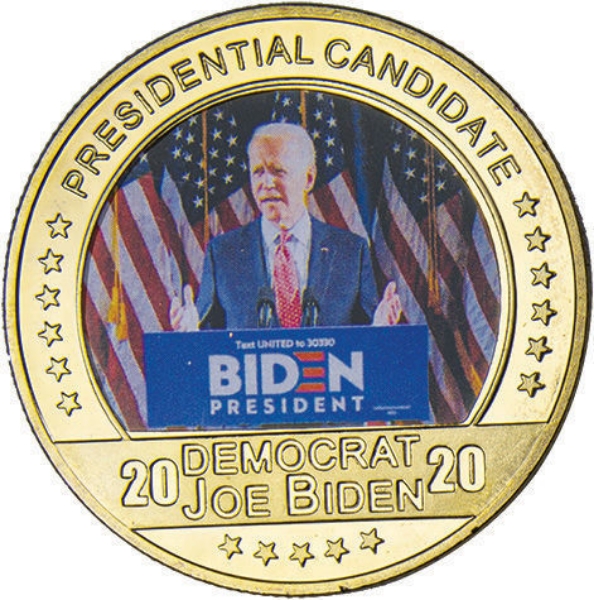
 - DIS049 - USMED035.jpg)
Picture Source of Joe Biden: Wikipedia
Introduction to Joe Biden: A Brief Biography
Joseph Robinette Biden Jr., known to the world as Joe Biden, was born on November 20, 1942, in Scranton, Pennsylvania. Raised in a middle-class family, Biden faced numerous challenges in his early years, including a severe stutter, which he overcame through persistence and determination. This resilience has been a defining trait throughout his life, shaping his approach to both personal and professional challenges.
Biden's academic journey began at the University of Delaware, where he studied history and political science. He later earned a law degree from Syracuse University College of Law. His early career included work as an attorney and later as a councilman in New Castle County, Delaware. These roles laid the groundwork for his long-standing commitment to public service and community engagement.
Joe Biden's personal life has also been marked by profound loss and recovery. In 1972, just weeks after being elected to the U.S. Senate, his first wife, Neilia, and their daughter, Naomi, tragically died in a car accident. This personal tragedy deeply affected Biden and shaped his empathetic approach to leadership, reinforcing his commitment to family and public service.
Joe Biden's Political Journey
Biden's political career spans several decades, beginning with his election to the U.S. Senate in 1972 at the age of 29, making him one of the youngest individuals ever to hold a Senate seat. During his tenure, he served as chairman of both the Senate Judiciary Committee and the Senate Foreign Relations Committee, where he played a pivotal role in shaping U.S. policies on crime prevention and international diplomacy.
Throughout his Senate career, Biden was known for his bipartisan approach and ability to build consensus across the political spectrum. His legislative accomplishments include the Violence Against Women Act of 1994 and significant contributions to the 1990s crime bill, which, despite controversy, aimed to address crime rates through comprehensive measures.
In 2008, Biden was elected Vice President of the United States, serving two terms under President Barack Obama. His tenure as Vice President further solidified his reputation as a seasoned statesman with deep foreign policy expertise. He played a crucial role in efforts to recover the U.S. economy during the Great Recession and was instrumental in the Affordable Care Act's passage.
Key Policies of Joe Biden
Upon his election as the 46th President of the United States in 2020, Joe Biden brought with him a comprehensive policy agenda aimed at addressing pressing national and global issues. His administration has focused on revitalizing the economy, enhancing healthcare, and advancing education, reflecting his commitment to improving the quality of life for all Americans.
Biden's economic policies emphasize job creation, infrastructure development, and support for small businesses. His "Build Back Better" plan aims to modernize the nation's infrastructure while addressing climate change, thereby creating millions of jobs in clean energy sectors. Through fiscal policies and tax reforms, he seeks to foster economic growth that benefits the entire population.
In healthcare, Biden aims to expand access and reduce costs through the enhancement of the Affordable Care Act. His administration is committed to increasing health coverage and ensuring that all Americans have access to affordable, high-quality healthcare. By prioritizing these areas, Biden seeks to build a more equitable society that meets the needs of its citizens.
Domestic Policies: Economy, Healthcare, and Education
Economy
Biden's economic strategy revolves around stimulating growth and ensuring sustainable development. His focus on infrastructure investment is designed to modernize transportation systems, improve broadband access, and make significant advancements in renewable energy. This multifaceted approach aims to create a robust economy that stands resilient against future challenges.
The "American Jobs Plan" is a cornerstone of Biden's economic policy, proposing substantial investments in infrastructure and manufacturing. By prioritizing clean energy projects, Biden not only seeks to address climate change but also to position the U.S. as a global leader in the green economy. This approach underscores his commitment to future-proofing the economy for upcoming generations.
Biden's tax policy aims to ensure that the wealthiest Americans and corporations contribute their fair share to society. By increasing taxes on high-income individuals and closing corporate loopholes, Biden plans to fund critical social programs and reduce income inequality. This fiscal strategy reflects his broader vision of an economy that works for everyone.
Healthcare
Healthcare reform remains a critical component of Biden's domestic policy agenda. His administration is focused on strengthening the Affordable Care Act, ensuring that more Americans have access to affordable healthcare. Biden aims to reduce prescription drug costs and expand coverage to millions who remain uninsured.
Biden's healthcare initiatives also address the pressing need for mental health services. By increasing funding and support for mental health programs, his administration seeks to address the growing mental health crisis exacerbated by the COVID-19 pandemic. This holistic approach underscores his commitment to comprehensive healthcare for all.
The COVID-19 pandemic highlighted the critical importance of a robust healthcare system. Biden's administration prioritizes pandemic preparedness and vaccine distribution, ensuring that the nation is better equipped to handle future health crises. These efforts are part of a broader strategy to protect public health and safety.
Education
Biden's education policies focus on increasing access to quality education and addressing disparities in the educational system. His administration advocates for universal pre-kindergarten, ensuring that all children have a strong educational foundation. By investing in early childhood education, Biden aims to close the achievement gap and promote lifelong learning.
The "American Families Plan" includes proposals to make community college tuition-free, providing opportunities for higher education and workforce development. This initiative aims to equip individuals with the skills needed to succeed in a rapidly changing job market, ultimately fostering economic mobility and reducing educational inequality.
Biden's commitment to education extends to supporting educators and improving school infrastructure. By increasing funding for public schools and prioritizing teacher salaries, his administration seeks to ensure that students have access to high-quality education in safe and supportive environments. These efforts reflect his belief in education as a cornerstone of a just and prosperous society.
Foreign Policies: Diplomacy and Global Relations
Biden's foreign policy approach is rooted in restoring America's global leadership and rebuilding alliances. His administration prioritises diplomacy and multilateral cooperation, seeking to address global challenges through international collaboration. By re-engaging with key international organisations, Biden aims to strengthen global partnerships and promote peace.
A significant focus of Biden's foreign policy is addressing climate change on an international scale. By rejoining the Paris Agreement, the U.S. has recommitted to global efforts to combat climate change. Biden's leadership in climate diplomacy seeks to encourage other nations to take ambitious actions to reduce greenhouse gas emissions.
Biden's commitment to human rights and democratic principles is evident in his foreign policy agenda. By supporting democratic institutions and advocating for human rights worldwide, his administration aims to counter authoritarianism and promote global stability. These efforts reflect his belief in the power of diplomacy to advance shared values and interests.
Climate Change Initiatives
Addressing climate change is a central priority for Biden's administration, reflecting his commitment to environmental sustainability and global leadership. His comprehensive climate agenda aims to achieve net-zero carbon emissions by 2050, with a focus on transitioning to clean energy sources and reducing the nation's carbon footprint.
Biden's climate policies include significant investments in renewable energy and green infrastructure. By promoting solar, wind, and other sustainable energy sources, his administration seeks to create jobs and foster economic growth in emerging industries. This approach not only addresses environmental concerns but also positions the U.S. as a leader in the global clean energy market.
The "Clean Energy Revolution" is a key component of Biden's climate strategy, emphasizing innovation and technology development. His administration supports research and development of new technologies that can reduce emissions and enhance energy efficiency. These efforts underscore Biden's commitment to a sustainable future for the planet.
Social Justice and Equality: Biden's Approach
Biden's administration is deeply committed to advancing social justice and equality, addressing systemic disparities that have long persisted in American society. His policies aim to tackle issues related to racial inequality, gender discrimination, and economic disparity, reflecting his dedication to creating a fair and inclusive nation.
A cornerstone of Biden's social justice agenda is criminal justice reform, which seeks to address racial disparities in the justice system. His administration advocates for sentencing reform, police accountability, and investments in community-based programs. These efforts aim to create a more equitable justice system that serves all Americans.
Biden's commitment to gender equality is reflected in his policies to support women's rights and promote equal opportunities. By advocating for equal pay and increasing funding for women-owned businesses, his administration seeks to address gender-based disparities and empower women across the nation. These initiatives highlight his dedication to fostering a society where everyone can thrive.
Leadership Style: Communication and Decision-Making
Biden's leadership style is characterised by empathy, collaboration, and a deep commitment to public service. His approach to communication emphasises transparency and inclusivity, fostering trust and understanding among diverse constituencies. By prioritising open dialogue, Biden seeks to bridge divides and build consensus on critical issues.
Decision-making under Biden's leadership involves careful consideration of expert advice and stakeholder perspectives. His administration values evidence-based policy-making, drawing on research and data to inform decisions. This analytical approach ensures that policies are thoughtful, effective, and aligned with the needs of the American people.
Biden's collaborative leadership style extends to his interactions with international leaders. By prioritising diplomacy and multilateral cooperation, he seeks to rebuild alliances and strengthen global partnerships. This approach reflects his belief in the power of collective action to address pressing global challenges.
Challenges Faced During His Presidency
Biden's presidency has been marked by significant challenges, including navigating the COVID-19 pandemic, addressing economic recovery, and responding to social unrest. His administration has faced the dual task of managing immediate crises while advancing a long-term policy agenda that addresses systemic issues.
The COVID-19 pandemic presented unprecedented health and economic challenges, requiring swift and decisive action. Biden's administration prioritised vaccine distribution, pandemic relief, and recovery efforts to stabilise the nation. These measures were critical in mitigating the pandemic's impact and setting the stage for recovery.
Social and political divisions have posed additional challenges for Biden's presidency. His administration has sought to address these divides through policies that promote unity and inclusivity. By prioritising dialogue and understanding, Biden aims to foster a sense of national cohesion and shared purpose.
Public Perception and Approval Ratings
Biden's public perception and approval ratings have fluctuated throughout his presidency, reflecting the complex and dynamic nature of his leadership. Public opinion is influenced by a range of factors, including policy outcomes, communication strategies, and broader socio-political dynamics.
Approval ratings provide insights into the public's assessment of Biden's performance on key issues. Factors such as economic recovery, healthcare initiatives, and foreign policy decisions play a significant role in shaping public opinion. These ratings serve as a barometer of public sentiment and guide the administration's strategic priorities.
Biden's administration remains focused on addressing public concerns and advancing policies that resonate with the American people. By prioritising transparency and accountability, his administration seeks to build trust and confidence in its leadership. These efforts are critical in navigating the challenges and opportunities of his presidency.
The Legacy of Joe Biden
Joe Biden's presidency represents a pivotal moment in American history, characterised by a commitment to addressing pressing national and global challenges. His policies and leadership style reflect a deep dedication to public service, equity, and global engagement. As he continues to navigate the complexities of his role, Biden's legacy will be defined by his ability to foster unity and advance a progressive agenda.
Biden's comprehensive policy agenda aims to create a more equitable and sustainable future for the nation. By prioritising economic recovery, healthcare access, and climate action, his administration seeks to address systemic issues and promote long-term prosperity. These efforts underscore his vision for a society that values inclusivity and shared opportunity.
As Biden's presidency unfolds, his legacy will be shaped by the impact of his policies and the strength of his leadership. His administration's ability to address challenges and seize opportunities will determine the lasting influence of his tenure. In this dynamic landscape, Biden's commitment to unity and progress remains a guiding principle.