 - DIS056.jpg)
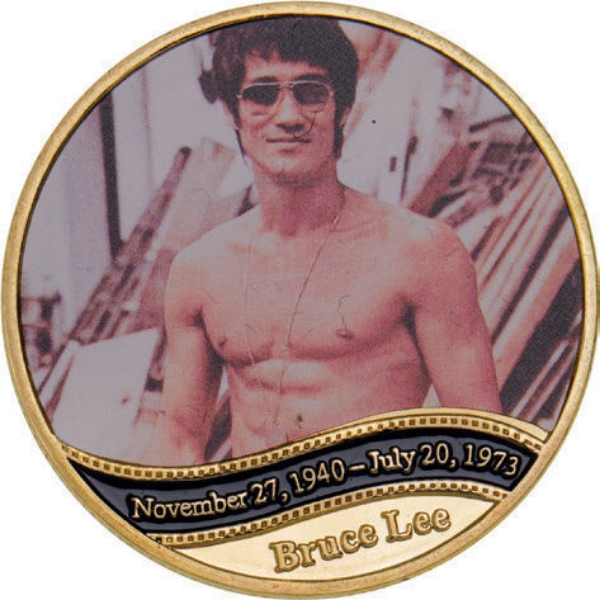
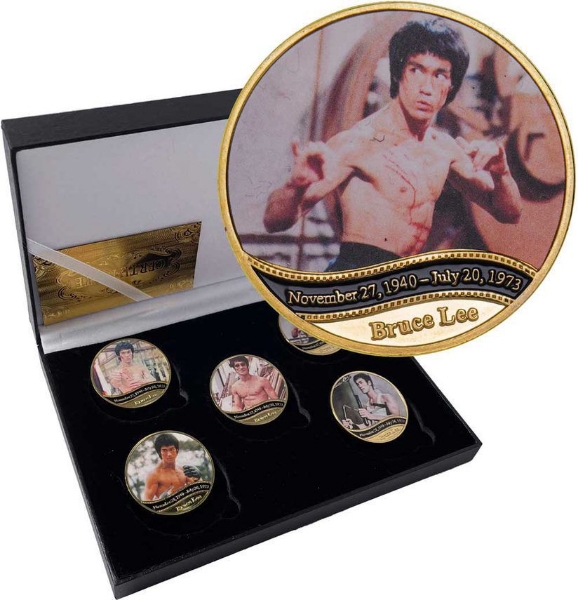
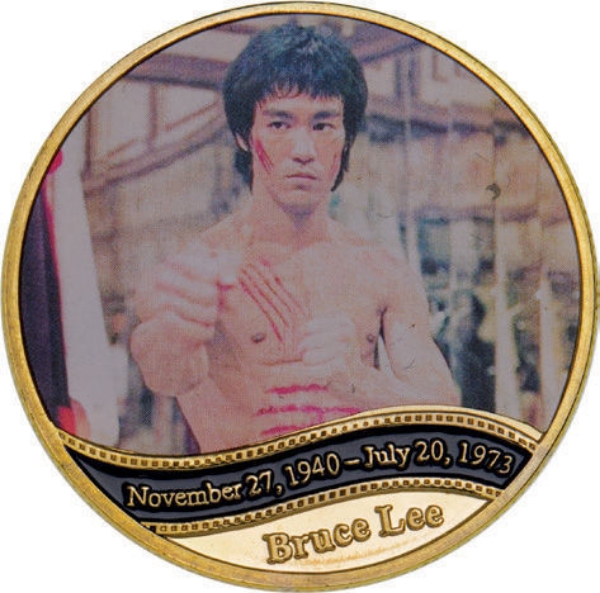
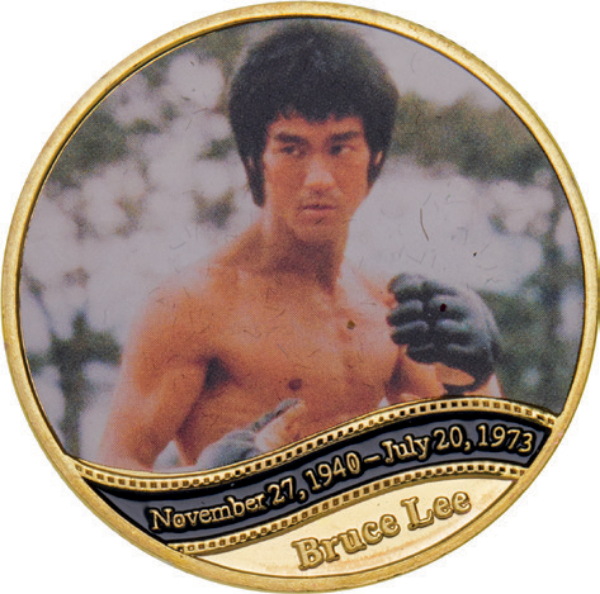
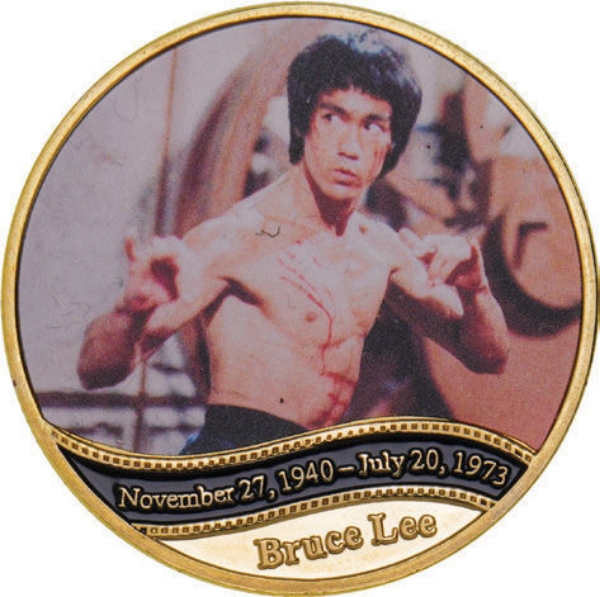
Picture Source of Bruce Lee: Wikipedia
Introduction to Bruce Lee: A Cultural Icon
Bruce Lee, born in 1940 in San Francisco, became a global phenomenon whose influence transcended the realm of martial arts. His unique approach to fitness and his philosophical outlook on life positioned him as a cultural icon. Lee's charisma, combined with his martial arts prowess, redefined how the world perceived Asian actors and martial artists, turning him into a symbol of strength and unity.
Lee's journey from a child actor to a martial arts legend was not merely a personal triumph but also a cultural milestone. His ability to blend physical agility with a profound philosophical mindset set him apart from his contemporaries. Through his films and writings, Bruce Lee challenged stereotypes and bridged cultural gaps, making him a beacon of inspiration for millions worldwide.
In an era where racial barriers were prevalent, Bruce Lee shattered these constraints with his dedication to his craft and his unwavering belief in self-expression. His life and career continue to influence generations, marking him as not just a martial arts expert but a transformative figure in global pop culture.
Early Life and Influences on Bruce Lee
Bruce Lee's early years were marked by a rich tapestry of cultural experiences. Born in San Francisco but raised in Hong Kong, he was exposed to diverse influences that shaped his personality and worldview. His father, a renowned Cantonese opera star, introduced him to the performing arts, while his mother instilled in him the values of discipline and perseverance.
Lee's involvement in martial arts began at a young age, studying Wing Chun under the tutelage of Ip Man. This foundational training became the cornerstone of his martial arts philosophy. However, his exposure to various styles and techniques led him to question traditional methods, igniting a desire to develop his unique approach.
The challenges Lee faced during his adolescence, including street fights and encounters with local gangs, further fuelled his passion for martial arts. These experiences not only honed his physical skills but also taught him valuable lessons in resilience and adaptability. Bruce Lee's early life, a blend of cultural immersion and personal struggle, laid the groundwork for his future innovations in martial arts.
The Evolution of Bruce Lee's Martial Arts Philosophy
Bruce Lee's martial arts philosophy, Jeet Kune Do, emerged from his dissatisfaction with traditional martial arts forms. He believed that rigid adherence to specific styles limited a practitioner's potential. Instead, Lee advocated for a more fluid approach, emphasising adaptability and efficiency, which became the core principles of Jeet Kune Do.
Lee's philosophy was revolutionary in its time, encouraging martial artists to embrace change and adopt techniques from various disciplines. He argued that one should not be confined by tradition but should instead seek personal growth through continuous learning and self-expression. This progressive mindset resonated with many, challenging the status quo and fostering a new wave of martial arts thinking.
Incorporating elements from boxing, fencing, and other martial arts, Lee's Jeet Kune Do prioritised directness and simplicity. By stripping away unnecessary movements, he emphasised the importance of real-world applicability. Bruce Lee's philosophy not only transformed martial arts practice but also inspired individuals to pursue their own paths of self-discovery and innovation.
Bruce Lee's Film Career: Breaking Barriers
Bruce Lee's entry into the film industry marked a turning point in his career and the global perception of martial arts cinema. His films, characterised by intense action sequences and charismatic performances, captivated audiences worldwide, establishing him as a major international star. Lee's impact on cinema was profound, as he broke racial barriers and challenged the stereotypical portrayal of Asian characters.
His breakout film, "The Big Boss," showcased Lee's dynamic martial arts skills and set the stage for his subsequent successes. With "Fist of Fury" and "Way of the Dragon," Lee further solidified his status as a cinematic icon. These films not only highlighted his physical prowess but also incorporated his philosophical beliefs, offering viewers a deeper understanding of his martial arts ideology.
Perhaps most notably, Bruce Lee's film "Enter the Dragon" became a cultural phenomenon, introducing martial arts to mainstream Western audiences. The film's success paved the way for future generations of martial artists and actors, demonstrating the universal appeal of martial arts cinema. Bruce Lee's film career, though tragically cut short, remains a testament to his enduring influence on the entertainment industry.
The Impact of Bruce Lee on Martial Arts and Cinema
Bruce Lee's influence on martial arts and cinema is both profound and enduring. His innovative approach to martial arts, combined with his charismatic screen presence, revolutionised the way martial arts were perceived and portrayed on screen. Lee's films not only entertained but also educated audiences, offering a glimpse into the philosophy and discipline underpinning martial arts practice.
In the realm of martial arts, Lee's emphasis on personal expression and adaptability inspired a new generation of practitioners. His rejection of rigid styles in favour of a more fluid and practical approach encouraged martial artists to explore and integrate diverse techniques. This shift in perspective led to the evolution of modern martial arts, with many disciplines adopting elements of Lee's philosophy.
In cinema, Bruce Lee's legacy is equally significant. He challenged Hollywood's racial biases, opening doors for Asian actors and filmmakers. His films set new standards for action choreography, influencing countless directors and actors. Bruce Lee's impact on martial arts and cinema continues to resonate, shaping the cultural landscape and inspiring individuals worldwide.
Bruce Lee's Legacy: A Lasting Influence on Pop Culture
Bruce Lee's legacy extends far beyond the realms of martial arts and cinema, permeating various facets of pop culture. His image, characterised by his iconic yellow jumpsuit and nunchaku, has become a symbol of strength and perseverance. Lee's influence is evident in music, fashion, and even video games, where his likeness and philosophy continue to inspire new generations.
In the world of music, artists across genres have paid tribute to Bruce Lee, drawing inspiration from his life and achievements. His impact is visible in fashion, with his distinctive style influencing designers globally. Video games, too, have immortalised Lee, featuring characters modelled after him and incorporating elements of his martial arts philosophy.
Bruce Lee's legacy is also celebrated in numerous documentaries, books, and exhibitions, highlighting his contributions to martial arts and popular culture. His philosophy of self-expression and personal growth resonates with people from all walks of life, reaffirming his status as a timeless cultural icon. Bruce Lee's enduring influence on pop culture is a testament to his remarkable life and achievements.
The Philosophy of Jeet Kune Do: Embracing Change
At the heart of Bruce Lee's legacy is his groundbreaking martial arts philosophy, Jeet Kune Do. This philosophy, centred on the principles of simplicity, directness, and personal freedom, encourages practitioners to embrace change and adapt to their circumstances. By challenging traditional martial arts conventions, Lee paved the way for a more inclusive and progressive approach to martial arts training.
Jeet Kune Do is not just a martial arts style but a way of thinking. It emphasises the importance of self-discovery and continuous learning, encouraging individuals to find their unique path. Lee's belief that martial arts should be practical and applicable to real-world situations resonated with many, inspiring a shift towards more adaptable and effective training methods.
Bruce Lee's philosophy of Jeet Kune Do continues to influence martial artists worldwide, promoting a mindset of openness and innovation. By advocating for a more holistic approach to martial arts, Lee inspired practitioners to push beyond their limits and strive for personal growth. Jeet Kune Do remains a powerful testament to Bruce Lee's legacy, embodying his vision of martial arts as a dynamic and ever-evolving discipline.
Remembering Bruce Lee: Commemorations and Tributes
The world continues to remember and honour Bruce Lee through various commemorations and tributes. Statues, museums, and fan events celebrate his life and achievements, ensuring that his legacy endures for future generations. These tributes reflect the profound impact Lee had on martial arts, cinema, and global culture.
In Hong Kong, the Bruce Lee statue on the Avenue of Stars stands as a testament to his influence and popularity. The Bruce Lee Foundation, established by his family, works tirelessly to preserve his legacy, promoting his philosophy and contributions to martial arts. Various documentaries and films have explored his life, offering insights into his journey and the challenges he faced.
Fans and martial artists worldwide continue to celebrate Bruce Lee's legacy through events and social media, sharing stories and memories that highlight his enduring influence. These commemorations serve as a reminder of Lee's remarkable life and the lasting impact he had on the world. Bruce Lee's memory remains alive in the hearts of those he inspired, a testament to his extraordinary legacy.
Lessons from Bruce Lee: Motivation and Self-Discipline
Bruce Lee's life offers valuable lessons in motivation and self-discipline, inspiring individuals to pursue their goals with determination and resilience. His unwavering commitment to his craft and his relentless pursuit of excellence serve as a powerful example of what can be achieved through hard work and perseverance.
Lee's philosophy stressed the importance of self-awareness and personal growth. He believed that true mastery comes from within, encouraging individuals to push beyond their limits and embrace challenges. His emphasis on continuous learning and adaptability remains relevant today, motivating people to strive for personal and professional success.
Through his writings and teachings, Bruce Lee imparted wisdom on the importance of balance and harmony in life. His insights into motivation and self-discipline continue to resonate with individuals seeking to improve themselves and achieve their dreams. Bruce Lee's life and philosophy offer enduring lessons in resilience, inspiring countless people to pursue their passions with dedication and focus.
The Enduring Legacy of Bruce Lee
Bruce Lee's legacy is a testament to his extraordinary impact on martial arts, cinema, and global culture. His innovative philosophy and groundbreaking achievements continue to inspire individuals worldwide, transcending cultural and generational boundaries. Lee's life and work remind us of the power of self-expression and the importance of embracing change.
As we celebrate Bruce Lee's enduring legacy, it is crucial to reflect on the lessons he imparted and the values he championed. His commitment to personal growth, adaptability, and self-discipline remains relevant in today's fast-paced world, offering guidance and inspiration to those seeking to make a difference.
Bruce Lee's remarkable journey serves as a powerful reminder of the potential within each of us to challenge conventions and pursue our passions with unwavering determination. As we honour his memory, let us carry forward his legacy, embodying his philosophy and striving for excellence in all aspects of our lives.