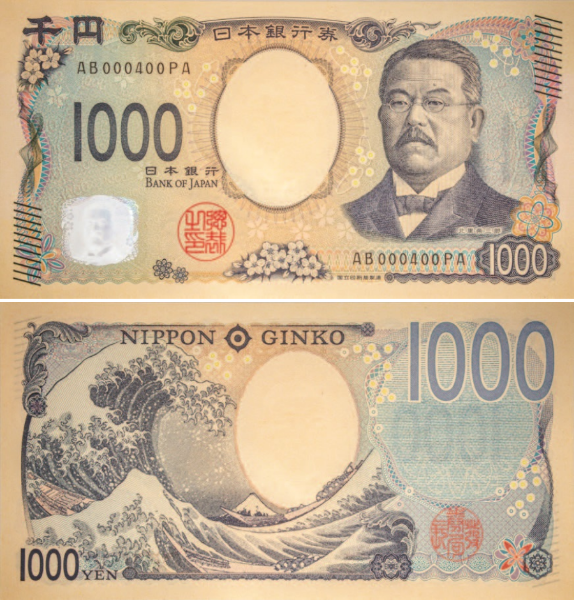
Picture Source of Kitasato Shibasaburo: Wikipedia
 .jpg)
Introduction to Shibasaburo Kitasato
Shibasaburo Kitasato, a name revered in the annals of science, is celebrated as one of the pioneering figures in the realm of modern medicine. His groundbreaking work laid the foundations for many advancements in microbiology and immunology, fields that continue to evolve and impact global health. Born in Japan during the late 19th century, Kitasato's contributions transcended geographical boundaries, influencing medical practices worldwide.
In a time when the world was grappling with infectious diseases, Kitasato's research offered revolutionary insights. His relentless pursuit of knowledge and unwavering dedication to science propelled him to the forefront of medical research. By unlocking the mysteries of pathogens and the human body's defence mechanisms, he provided invaluable tools to combat diseases that plagued humanity.
This article delves into Kitasato's life, highlighting his achievements and the indelible mark he left on modern medicine. By exploring his early life, groundbreaking discoveries, and the challenges he overcame, we aim to shed light on a legacy that continues to inspire scientists and medical professionals today.
Early Life and Education of Shibasaburo Kitasato
Shibasaburo Kitasato was born on 29 January 1853, in what is now the city of Oguni, Kumamoto Prefecture, Japan. Raised in a period marked by significant societal changes as Japan transitioned from the Edo period to the Meiji era, Kitasato's upbringing was rooted in both traditional and modern influences. His family, recognising the value of education, ensured he received a comprehensive schooling, which was somewhat rare in rural Japan at the time.
Kitasato's academic journey began at Kumamoto Medical School, where he exhibited a keen interest in the sciences. This curiosity and aptitude for learning soon led him to Tokyo Medical School, now part of the University of Tokyo. Here, he was exposed to Western medical practices, which were being integrated into the Japanese healthcare system. This exposure was pivotal, as it ignited his passion for microbiology and immunology.
Upon completing his formal education in Japan, Kitasato's quest for knowledge took him to Germany in 1885. At the University of Berlin, he studied under the tutelage of Robert Koch, a luminary in bacteriology. This experience was transformative, providing Kitasato with a robust scientific foundation and the opportunity to hone his skills in a pioneering laboratory environment. His time in Germany was not just an educational experience; it was a catalyst that propelled him towards a career characterised by groundbreaking discoveries.
Contributions to Microbiology and Medicine
Shibasaburo Kitasato's contributions to microbiology and medicine are monumental. His work laid the groundwork for modern scientific understanding of infectious diseases and their treatment. One of his most notable achievements was the discovery of the tetanus bacillus, a breakthrough that was instrumental in developing preventive measures against a disease that claimed countless lives.
In addition to his work on tetanus, Kitasato made significant advancements in the field of immunology. He was a pioneer in the development of serum therapy, a method that involves using antibodies to treat infectious diseases. This innovation not only provided a novel approach to combating infections but also paved the way for future research into vaccines and immunisation techniques.
Kitasato's impact extended beyond his laboratory discoveries. He played a vital role in establishing research institutions in Japan, fostering an environment where scientific inquiry could thrive. By nurturing a generation of scientists and promoting international collaboration, he ensured that his legacy would endure, influencing medical practices and public health policies both in Japan and globally.
The Discovery of the Tetanus Bacillus
The discovery of the tetanus bacillus by Shibasaburo Kitasato was a landmark achievement in the field of bacteriology. In 1889, while working in Robert Koch's laboratory in Germany, Kitasato successfully isolated the bacterium Clostridium tetani, responsible for causing tetanus. This was a significant milestone, as tetanus was a prevalent and often fatal disease at the time, particularly affecting those with wounds and injuries that became infected.
Kitasato's discovery was not just about identifying the bacterium; it also involved understanding its characteristics and behaviour. His meticulous research revealed the anaerobic nature of C. tetani, meaning it thrives in environments devoid of oxygen. This insight was crucial for developing effective preventive and therapeutic measures, as it highlighted the importance of wound care and sterilisation to prevent infection.
Furthermore, the isolation of the tetanus bacillus laid the foundation for the development of antitoxins, which are used to neutralise the toxins produced by the bacterium. Kitasato's work in this area was instrumental in the creation of tetanus antiserum, a life-saving treatment that drastically reduced mortality rates associated with the disease. His pioneering efforts in bacteriology and immunology continue to influence the medical field and improve patient outcomes worldwide.
Kitasato's Role in the Development of Serum Therapy
Kitasato's role in the development of serum therapy is a testament to his innovative spirit and commitment to advancing medical science. Serum therapy involves the use of antiserum, which contains antibodies that can neutralise toxins or pathogens. This approach was revolutionary at the time and marked a significant shift in the treatment of infectious diseases.
In collaboration with Emil von Behring, a fellow scientist at Koch's laboratory, Kitasato developed the first successful serum therapy for diphtheria and tetanus. Their work demonstrated that injecting patients with antibodies extracted from immunised animals could confer immunity and cure diseases. This groundbreaking discovery earned von Behring the first Nobel Prize in Physiology or Medicine in 1901, and Kitasato's contributions were widely acknowledged as integral to this achievement.
Serum therapy's success opened new avenues for research and treatment in immunology. It laid the groundwork for the development of vaccines and other immunotherapeutic approaches, revolutionising the way medicine approached infectious diseases. Kitasato's pioneering work in this area not only saved countless lives but also inspired future generations of scientists to explore and expand the boundaries of medical science.
Influence on Modern Medical Practices
Shibasaburo Kitasato's influence on modern medical practices is profound and enduring. His scientific discoveries and methodological innovations have shaped the way healthcare professionals approach the prevention and treatment of infectious diseases. By establishing a scientific basis for understanding pathogens and immune responses, Kitasato helped transform medicine from a largely empirical practice to a rigorous, evidence-based discipline.
Kitasato's work on serum therapy, in particular, revolutionised the treatment of infectious diseases, providing a template for the development of vaccines and other immunisations. This approach has become a cornerstone of public health strategies worldwide, contributing to the control and eradication of numerous diseases. His insights into bacteriology and immunology have informed countless medical advancements, from the creation of new treatments to the development of diagnostic techniques.
Beyond his scientific contributions, Kitasato's legacy includes his role as an educator and mentor. By founding research institutions and fostering international collaboration, he created an environment conducive to scientific inquiry and innovation. His commitment to education and knowledge sharing has inspired generations of medical professionals and researchers, ensuring that his influence continues to resonate in the field of medicine.
Kitasato's Legacy in Japan and Beyond
Kitasato's legacy in Japan and beyond is marked by his enduring contributions to science and medicine. In Japan, he is celebrated as a national hero and a pioneer who helped shape the country's scientific landscape. His efforts in establishing research institutions, such as the Kitasato Institute, have had a lasting impact, providing a platform for cutting-edge research and innovation.
Kitasato's influence extends far beyond Japan, as his discoveries and methodologies have become integral to global medical practices. His work on serum therapy and bacteriology has been instrumental in the fight against infectious diseases, influencing public health policies and treatment protocols worldwide. By bridging Eastern and Western scientific traditions, Kitasato facilitated international collaboration and knowledge exchange, enriching the global scientific community.
The recognition of Kitasato's achievements is reflected in the numerous awards and honours he received throughout his career. His legacy is not only a testament to his scientific prowess but also to his dedication to improving human health. As researchers and healthcare professionals continue to build upon his work, Kitasato's contributions remain a guiding light in the pursuit of medical advancement and innovation.
Awards and Recognitions
Throughout his illustrious career, Shibasaburo Kitasato received numerous awards and recognitions that underscored his significant contributions to science and medicine. These accolades reflect not only his groundbreaking discoveries but also his influence on the global scientific community. His work has been celebrated both in Japan and internationally, cementing his status as a pioneer in the field of microbiology and immunology.
In Japan, Kitasato was honoured with several prestigious awards, including the Order of the Sacred Treasure and the Order of Culture. These accolades recognised his contributions to the advancement of science and his role in improving public health. His achievements also garnered international recognition, with institutions and organisations worldwide acknowledging his impact on medical research and practice.
Beyond formal awards, Kitasato's legacy is evident in the numerous institutions and organisations that bear his name. The Kitasato Institute, which he founded, continues to be a leading centre for scientific research and education, perpetuating his commitment to innovation and discovery. These honours and recognitions serve as a testament to Kitasato's enduring influence and the lasting impact of his work on the world of medicine.
Challenges Faced During His Career
Despite his many achievements, Shibasaburo Kitasato faced numerous challenges throughout his career. These obstacles ranged from scientific hurdles to personal and professional setbacks, each of which he overcame with determination and resilience. His ability to navigate these challenges is a testament to his unwavering commitment to advancing scientific knowledge and improving public health.
One of the significant challenges Kitasato faced was the scepticism and resistance from the scientific community. At a time when new scientific ideas were often met with suspicion, Kitasato's innovative approaches to bacteriology and immunology were not always readily accepted. He had to work tirelessly to demonstrate the efficacy and validity of his discoveries, often in the face of considerable opposition.
In addition to professional challenges, Kitasato also encountered personal hardships. His time in Germany, although professionally rewarding, was marked by isolation and cultural differences. Despite these difficulties, he persevered, driven by his passion for science and his desire to contribute to the betterment of society. Kitasato's ability to overcome these challenges and achieve remarkable success is a testament to his resilience and dedication to the pursuit of knowledge.
The Lasting Impact of Shibasaburo Kitasato
Shibasaburo Kitasato's impact on the world of medicine is profound and enduring. His pioneering work in microbiology and immunology laid the foundation for countless advancements in the treatment and prevention of infectious diseases. By unlocking the mysteries of pathogens and the immune system, Kitasato provided invaluable tools that have saved countless lives and transformed medical practices worldwide.
Kitasato's legacy extends beyond his scientific achievements. As an educator and mentor, he inspired generations of scientists and healthcare professionals, fostering a culture of innovation and discovery. His commitment to international collaboration and knowledge sharing helped bridge cultural and scientific divides, enriching the global scientific community.
As we continue to build upon Kitasato's work, his contributions remain a guiding light in the pursuit of medical advancement and innovation. His legacy serves as a reminder of the power of perseverance and the importance of scientific inquiry in improving human health. We invite you to delve deeper into the fascinating world of microbiology and immunology, inspired by the legacy of Shibasaburo Kitasato.