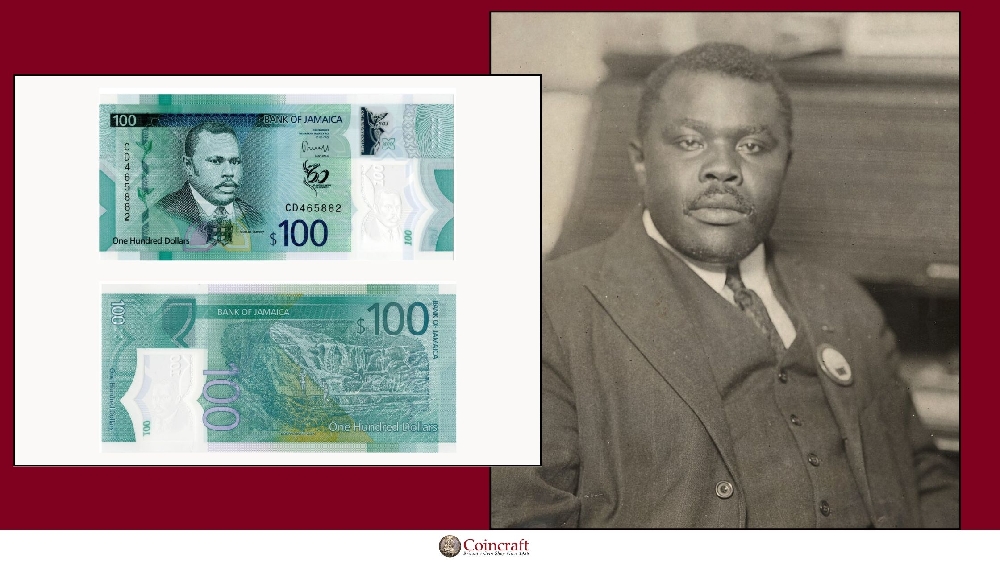
Picture Source of Marcus Garvey: Wikipedia
Introduction to Marcus Garvey and His Legacy
Marcus Garvey remains an iconic figure in the annals of history, celebrated for his pivotal role in advocating for black empowerment and unity. As a leader, he inspired millions with his vision of a self-sufficient and self-reliant black community. His legacy is etched in the hearts of many who view him as a symbol of resilience and a beacon of hope for the African diaspora.
Garvey's influence extends beyond his lifetime, with his ideas continuing to resonate in modern discourses on racial equality. His efforts to uplift the African race and challenge the status quo have cemented his place in history as a trailblazer for civil rights. Through his speeches, writings, and organisational leadership, Garvey sought to instil pride in African heritage and promote economic independence.
In exploring Marcus Garvey's life and contributions, we gain insight into the struggles and triumphs of a man whose vision transcended geographical boundaries. By examining his philosophies and the organisations he founded, we can better appreciate the enduring impact of his work on subsequent generations.
Early Life and Influences of Marcus Garvey
Born in Saint Ann's Bay, Jamaica, in 1887, Marcus Mosiah Garvey was raised in a community that exposed him to diverse cultural influences. His parents, both of whom valued education, fostered in him a love for reading and a desire for knowledge. This early exposure to literature and intellectual discourse significantly shaped his worldview and future endeavours.
Garvey's formative years were marked by a keen awareness of racial discrimination and the socio-economic challenges faced by black people. His experiences in Jamaica, coupled with his travels to Central America and Europe, provided him with a broader perspective on the racial injustices prevalent across the globe. These experiences ignited a passion within him to advocate for change and social justice.
While in London, Garvey was deeply influenced by the writings of Booker T. Washington and other African American leaders. This exposure to progressive ideas on racial equality and self-help galvanised his commitment to uplifting the African race. He returned to Jamaica, inspired and determined to create a movement that would empower black individuals worldwide.
The Birth of the Universal Negro Improvement Association (UNIA)
In 1914, Marcus Garvey founded the Universal Negro Improvement Association (UNIA) in Jamaica, with the aim of uniting people of African descent under a common cause. The organisation sought to promote racial pride, economic independence, and social progress. Garvey envisioned the UNIA as a global network that would advocate for the rights and dignity of black people everywhere.
The UNIA quickly gained traction, expanding its influence beyond Jamaica to become a formidable movement with chapters across the Americas, Europe, and Africa. Garvey's charismatic leadership and powerful oratory skills attracted a large following, drawing people from diverse backgrounds to the cause of black empowerment. The organisation's motto, "One God! One Aim! One Destiny!" encapsulated its mission of unity and progress.
Through the UNIA, Garvey launched various initiatives aimed at improving the socio-economic conditions of black communities. These included establishing businesses, educational programmes, and cultural initiatives that celebrated African heritage. The UNIA's efforts to foster self-reliance and economic independence were instrumental in empowering individuals and communities to challenge systemic oppression.
Key Principles of Garveyism
Garveyism, the philosophy championed by Marcus Garvey, is rooted in several core principles that continue to influence contemporary movements for social change. Central to Garveyism is the belief in racial pride and the affirmation of African identity. Garvey encouraged people of African descent to embrace their heritage and reject the notion of inferiority perpetuated by colonial powers.
Another key principle of Garveyism is economic self-sufficiency. Garvey advocated for the establishment of black-owned businesses and industries as a means of achieving financial independence and reducing reliance on oppressive systems. This emphasis on economic empowerment was seen as a critical step towards achieving true freedom and autonomy for black communities.
Garveyism also emphasises the importance of unity and solidarity among people of African descent. Garvey envisioned a global network of individuals working together towards common goals, transcending geographical and cultural barriers. This sense of collective identity and purpose was integral to the UNIA's mission and remains a guiding principle for modern movements advocating for racial justice.
Marcus Garvey's Vision for Black Empowerment
Marcus Garvey's vision for black empowerment centred on the idea of creating a self-reliant and self-sufficient African nation. He believed that true liberation could only be achieved through economic independence and the establishment of a separate political and social structure for black people. This vision was encapsulated in his dream of a united Africa, free from colonial rule and external interference.
Garvey's call for a "Back to Africa" movement was a key component of his vision, advocating for the repatriation of people of African descent to their ancestral homeland. He saw this as a way to reclaim cultural identity and establish a sovereign nation that would serve as a beacon of hope and progress for black people worldwide. This radical idea resonated with many who yearned for a sense of belonging and freedom.
In addition to repatriation, Garvey emphasised the importance of education and cultural pride in achieving empowerment. He believed that knowledge and self-awareness were vital tools for overcoming oppression and building a prosperous future. His efforts to promote African history and culture laid the groundwork for subsequent movements that sought to celebrate and preserve African heritage.
Impact of Garvey's Ideologies on the Civil Rights Movement
Marcus Garvey's ideologies and activism significantly influenced the Civil Rights Movement of the mid-20th century. His emphasis on racial pride, unity, and self-determination served as a foundation for many of the movement's leaders and organisations. Figures such as Malcolm X and Martin Luther King Jr. drew inspiration from Garvey's teachings, adapting his principles to suit the evolving socio-political landscape.
Garvey's advocacy for economic empowerment and self-reliance resonated with the burgeoning Black Power movement, which sought to address systemic inequality through a focus on economic independence and community control. His vision of a united and self-sufficient black community provided a blueprint for activists striving to achieve social and economic equality.
The Black Star Line and other Garvey initiatives highlighted the potential for black entrepreneurship and collective action. These efforts demonstrated the viability of black-led enterprises and inspired future generations to pursue similar ventures. The legacy of Garvey's work continues to inspire those committed to advancing the cause of racial equality and justice.
The Role of the Black Star Line
The Black Star Line, a shipping company established by Marcus Garvey in 1919, was a cornerstone of his economic empowerment strategy. The company aimed to facilitate trade and transportation between Africa, the Caribbean, and the Americas, promoting economic independence for black communities. It was envisioned as a vehicle for economic progress and a symbol of black enterprise and self-determination.
Despite facing significant challenges, including financial difficulties and sabotage, the Black Star Line represented a bold and ambitious attempt to realise Garvey's vision of a united and prosperous African diaspora. The company's establishment underscored the potential for black-led businesses to thrive and contribute to the economic upliftment of their communities.
The legacy of the Black Star Line endures as a testament to Garvey's entrepreneurial spirit and commitment to economic empowerment. It serves as a reminder of the importance of supporting and investing in black-owned businesses as a means of achieving social and economic justice. The principles embodied by the Black Star Line continue to inspire contemporary efforts to promote economic self-sufficiency and community development.
Challenges and Controversies Faced by Marcus Garvey
Marcus Garvey's journey was fraught with challenges and controversies that tested his resilience and commitment to his cause. His outspoken advocacy for black empowerment and racial equality attracted both admiration and criticism, leading to conflicts with various factions within the African American community and beyond. Garvey's vision of a separate African nation was met with scepticism by some who favoured integration and assimilation.
In addition to ideological differences, Garvey faced legal and financial troubles that hindered his efforts. The Black Star Line, despite its lofty ambitions, was plagued by mismanagement and accusations of fraud. In 1923, Garvey was convicted of mail fraud, a charge many believe was politically motivated, and he was subsequently deported from the United States. These setbacks dealt a significant blow to his movement, yet Garvey remained steadfast in his commitment to his ideals.
Despite these challenges, Garvey's legacy persisted, and his teachings continued to inspire future generations of activists. His ability to galvanise a global movement and advocate for the rights of black people in the face of adversity speaks to his enduring impact and the timeless relevance of his message.
The Continued Relevance of Garvey's Teachings Today
The teachings of Marcus Garvey remain profoundly relevant in today's world, where issues of racial inequality and social justice continue to dominate global discourse. His emphasis on racial pride, economic empowerment, and self-determination resonates with contemporary movements advocating for the rights and dignity of marginalised communities. Garvey's vision of unity and solidarity among people of African descent is echoed in efforts to build bridges across cultural and geographical divides.
In an age where economic disparities persist, Garvey's call for self-reliance and entrepreneurship serves as a powerful reminder of the importance of supporting black-owned businesses and fostering economic independence. His teachings on the value of education and cultural pride continue to inspire initiatives aimed at preserving and celebrating African heritage.
As we navigate the complexities of modern society, Garvey's legacy offers valuable insights and guidance for those committed to advancing the cause of social justice. By embracing the principles of Garveyism, individuals and communities can work towards creating a more equitable and inclusive world for all.
Key Takeaways:
- Marcus Garvey was a prominent leader advocating for black empowerment, racial pride, and unity among people of African descent.
- He founded the Universal Negro Improvement Association (UNIA) in 1914 to promote economic independence, social progress, and cultural pride.
- Garveyism emphasizes racial pride, economic self-sufficiency, and global unity for people of African descent.
- Garvey envisioned a "Back to Africa" movement, encouraging repatriation to Africa and the creation of a sovereign African nation.
- The Black Star Line, established by Garvey, aimed to boost black entrepreneurship and facilitate trade within the African diaspora.
- Despite facing legal challenges and controversies, including a mail fraud conviction and deportation, Garvey's legacy influenced the Civil Rights Movement and Black Power activism.
- His teachings remain relevant today, inspiring ongoing efforts toward racial equality, economic empowerment, and cultural preservation.
Frequently Asked Questions (FAQs):
Who was Marcus Garvey?
Marcus Garvey was a Jamaican-born black nationalist and leader who championed black pride, economic independence, and unity among African-descended people worldwide.What is the Universal Negro Improvement Association (UNIA)?
The UNIA is an organization founded by Garvey in 1914 to unite people of African descent, promote racial pride, and encourage economic and social progress.What are the core principles of Garveyism?
Garveyism centers on racial pride, economic self-sufficiency, and global unity among black people.What was the "Back to Africa" movement?
It was Garvey's call for people of African descent to return to their ancestral homeland to build a free and self-reliant African nation.What was the Black Star Line?
A shipping company created by Garvey to facilitate trade and transportation between Africa, the Caribbean, and the Americas, symbolizing black entrepreneurship.Why was Marcus Garvey deported from the United States?
He was convicted of mail fraud in 1923, a charge widely believed to be politically motivated, which led to his deportation.How did Marcus Garvey influence the Civil Rights Movement?
His emphasis on racial pride, economic empowerment, and unity inspired leaders like Malcolm X and Martin Luther King Jr., influencing later civil rights and Black Power movements.Are Garvey's teachings still relevant today?
Yes, his ideas on racial pride, economic independence, and cultural unity continue to inspire contemporary movements for social justice and equality.