
Picture Source of George William Gordon: Wikipedia
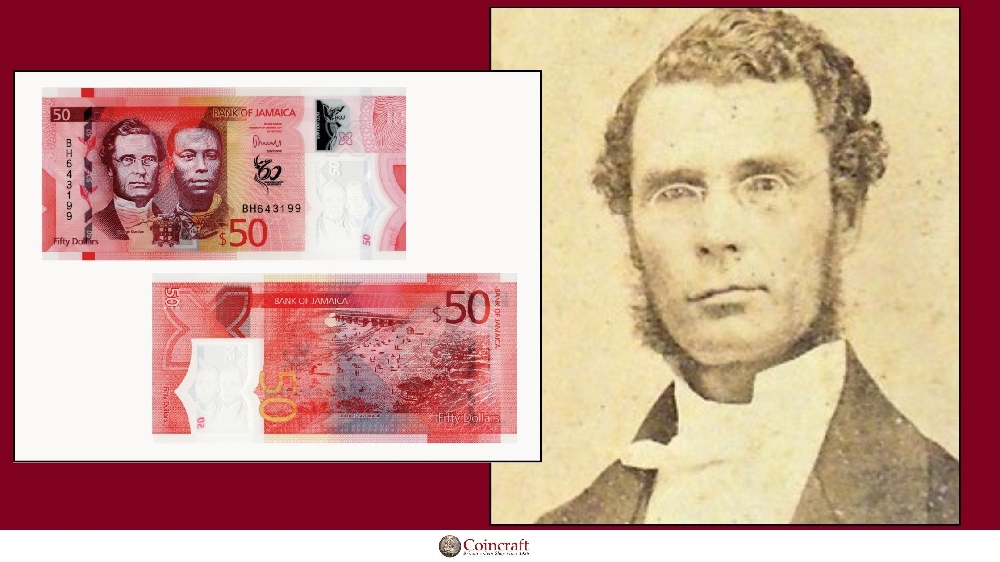
Introduction to George William Gordon
George William Gordon stands as a monumental figure in Jamaican history, renowned for his pioneering role in the island's political landscape. Born into a society deeply rooted in colonial and racial inequities, Gordon's life was a testament to resilience and the relentless pursuit of justice. His unwavering commitment to the rights of the disenfranchised and his visionary approach to governance have cemented his status as a national hero.
Gordon's journey was not without its challenges. As the son of a Scottish planter and an enslaved woman, he navigated a world marred by prejudice and systemic oppression. Yet, his mixed heritage uniquely positioned him as a bridge between disparate communities, enabling him to advocate effectively for reform and equality. His legacy is one of courage, intellect, and an indomitable spirit that continues to inspire generations.
This article delves into the life and legacy of George William Gordon, exploring his contributions to Jamaican politics and the enduring impact of his work. By examining his early life, political endeavours, and the historical context of his actions, we aim to shed light on the lessons modern politicians can glean from his remarkable journey.
Early Life and Education of George William Gordon
George William Gordon was born in 1820, in Cherry Garden Estate, Jamaica, to Joseph Gordon, a Scottish plantation owner, and an enslaved African woman. Despite the societal constraints of his time, Gordon's early years were marked by a thirst for knowledge and a burgeoning sense of justice. His father, recognising his potential, ensured that he received an education, albeit informal, which laid the foundation for his future endeavours.
Gordon's upbringing was unusual for a person of mixed race during this period. He enjoyed privileges not commonly afforded to individuals of his ancestry, including access to education and a degree of social mobility. This position allowed him to cultivate a broad understanding of both the European and African aspects of his heritage, fostering a unique perspective that would later inform his politics.
The young Gordon was acutely aware of the injustices faced by the majority of Jamaicans. This awareness drove him to use his education as a tool for advocacy. He became fluent in the language of the oppressed, speaking on behalf of those who had no voice in the colonial structure. His early experiences instilled in him a profound sense of duty to fight for equality, a mission that would define his life.
The Political Landscape of 19th Century Jamaica
The political climate of 19th century Jamaica was dominated by colonial rule and the pervasive influence of British imperial interests. The island was a plantation economy, heavily reliant on enslaved labour until the abolition of slavery in 1834. Even after emancipation, the socio-economic conditions for the majority remained dire, with former enslaved individuals facing systemic discrimination and economic disenfranchisement.
The colonial government was primarily composed of a planter elite, who wielded considerable power and influence. This oligarchic structure was resistant to change, prioritising the interests of a few over the needs of the many. Political representation for the Afro-Jamaican population was virtually nonexistent, with the legislative framework designed to exclude them from meaningful participation in governance.
Within this context, George William Gordon emerged as a formidable advocate for reform. He recognised the need for systemic change and sought to challenge the entrenched power dynamics. By aligning himself with the burgeoning movements for civil rights and social justice, Gordon positioned himself as a champion of the oppressed, advocating for legislative changes that would grant greater autonomy and rights to the Jamaican populace.
Gordon's Role in the Morant Bay Rebellion
The Morant Bay Rebellion of 1865 was a watershed moment in Jamaican history, and George William Gordon's role in this event was pivotal. The rebellion was a direct response to the oppressive socio-economic conditions faced by the peasantry, exacerbated by a series of natural disasters and the intransigence of the colonial authorities.
Gordon, who had been elected to the House of Assembly, used his platform to vocally condemn the injustices perpetrated by the colonial government. He was an ardent critic of the administration's failure to address the grievances of the populace, advocating for land reform, fair taxation, and greater representation. His outspoken nature made him a target for those in power, who sought to silence him through intimidation and legal manoeuvres.
In the aftermath of the rebellion, the colonial authorities sought scapegoats to quell the unrest. Despite his peaceful advocacy, Gordon was arrested, tried, and unjustly executed. His martyrdom became a rallying point for future generations, symbolising the struggle for freedom and justice. The Morant Bay Rebellion highlighted the deep-seated issues within Jamaican society and underscored Gordon's role as a catalyst for change.
The Impact of George William Gordon on Jamaican Politics
George William Gordon's impact on Jamaican politics cannot be overstated. His advocacy for the disenfranchised laid the groundwork for subsequent reform movements and inspired a generation of activists and political leaders. His efforts to address the systemic inequities entrenched in Jamaican society set a precedent for future policy changes aimed at fostering greater inclusivity and equality.
Gordon's vision for a more equitable Jamaica was characterised by his emphasis on education, economic opportunity, and political representation. He understood that lasting change required a multifaceted approach, addressing both the immediate needs of the population and the structural barriers hindering progress. His proposals for land reform and fair taxation were progressive for their time, reflecting his commitment to social justice.
In addition to his legislative work, Gordon's legacy is evident in the cultural and political consciousness of Jamaica. His life and sacrifices have been commemorated in various forms, from educational institutions bearing his name to national holidays celebrating his contributions. Gordon's impact on Jamaican politics is a testament to the power of principled leadership and the enduring influence of visionary individuals.
Legacy and Commemoration of Gordon's Contributions
The legacy of George William Gordon is enshrined in the annals of Jamaican history, with his contributions commemorated through numerous honours and remembrances. His execution on 23 October 1865, marked a turning point in the nation's struggle for justice, and he has since been recognised as a national hero, a testament to his enduring influence.
Several landmarks and institutions across Jamaica bear Gordon's name, serving as a reminder of his contributions. The George William Gordon House, home to the Jamaican Parliament, stands as a symbol of his commitment to democratic principles and the rights of the people. Educational institutions, such as the George William Gordon Secondary School, continue to impart his values to new generations.
Gordon's legacy is also preserved through Jamaica's National Heroes Day, where his life and achievements are celebrated alongside other pivotal figures in the nation's history. These commemorations serve not only as a tribute to his sacrifices but also as an inspiration for future generations to continue the fight for equality and justice.
George William Gordon in Historical Context
Understanding George William Gordon's contributions requires situating his life within the broader historical context of 19th century Jamaica. The island was grappling with the aftermath of slavery and the challenges of forging a cohesive society amidst deep-seated divisions. Gordon's actions were part of a larger struggle against colonial exploitation and racial discrimination, reflecting the broader dynamics of the time.
The socio-political landscape of Jamaica during this period was characterised by tension and upheaval. The transition from a slave-based economy to one that embraced free labour was fraught with challenges, including economic instability and social unrest. Gordon's advocacy for land reform and economic justice was a response to these conditions, seeking to empower the newly emancipated population and address the inequities perpetuated by the colonial system.
Gordon's legacy is a reflection of the broader movements for change that were sweeping across the Caribbean and the wider world during the 19th century. His life and work were influenced by the global currents of abolitionism, democracy, and human rights, positioning him as a pivotal figure in the fight for justice and equality.
Lessons from Gordon's Life for Modern Politicians
Modern politicians can draw numerous lessons from the life and legacy of George William Gordon. His unwavering commitment to justice and equality serves as a powerful example of principled leadership. Gordon demonstrated that true progress requires courage, vision, and a willingness to challenge entrenched systems of power.
One of the key lessons from Gordon's life is the importance of advocacy and representation. He understood that meaningful change can only occur when all voices are heard and considered. Gordon's work emphasised the need for inclusive governance, where policies are shaped by the diverse perspectives and experiences of the population.
Furthermore, Gordon's legacy highlights the significance of perseverance in the face of adversity. His life was marked by challenges and opposition, yet he remained steadfast in his pursuit of a more just society. This resilience is a crucial trait for modern leaders, reminding them that the path to progress is often fraught with obstacles but is ultimately rewarding.
The Enduring Influence of George William Gordon
In conclusion, George William Gordon's legacy is one of profound influence and enduring relevance. His life and work have left an indelible mark on Jamaican society, inspiring generations to pursue justice and equality. Gordon's contributions to politics and social reform continue to resonate, offering valuable insights for contemporary leaders and activists.
Gordon's story is a testament to the power of individual action and the impact of principled leadership. His unwavering commitment to the rights of the oppressed and his visionary approach to governance serve as a beacon for those fighting for justice in the modern world. As Jamaica continues to evolve, Gordon's legacy remains a guiding force, reminding us of the importance of courage, integrity, and the relentless pursuit of a fairer society.
As we reflect on George William Gordon's life, let us be inspired to take action in our own communities. Whether through advocacy, education, or civic engagement, we all have a role to play in shaping the future. By honouring Gordon's legacy, we honour the values he stood for and commit ourselves to building a more just and equitable world.
George William Gordon: Key Takeaways and FAQ
Key Takeaways
Background: Born 1820 in Jamaica to a Scottish plantation owner and enslaved African woman; received education despite societal constraints.
Political Work: Elected to the House of Assembly; advocated for land reform, fair taxation, and representation for the disenfranchised.
Morant Bay Rebellion: Following the 1865 rebellion, Gordon was unjustly executed despite advocating peaceful reform.
Legacy: Recognized as a Jamaican National Hero; namesake of Jamaica’s Parliament building (Gordon House).
Significance: His mixed heritage positioned him as a bridge between communities; his martyrdom became a symbol for justice and equality.
Frequently Asked Questions
Who was George William Gordon?
A Jamaican politician and businessman (1820-1865) who advocated for the rights of the disenfranchised against colonial oppression.
What was his connection to the Morant Bay Rebellion?
Though he advocated peaceful reform, authorities blamed him for inspiring the uprising. He was arrested, tried, and executed on October 23, 1865.
How is Gordon remembered today?
As a National Hero of Jamaica, commemorated through Gordon House (Parliament building), educational institutions, and National Heroes Day celebrations.
What can leaders learn from Gordon?
The importance of principled leadership, advocacy for the marginalized, and perseverance against opposition—even at personal cost.
What was unique about Gordon’s position in society?
His mixed heritage gave him a unique perspective that bridged different communities, allowing him to effectively advocate for those without representation.