 - 2.jpg)
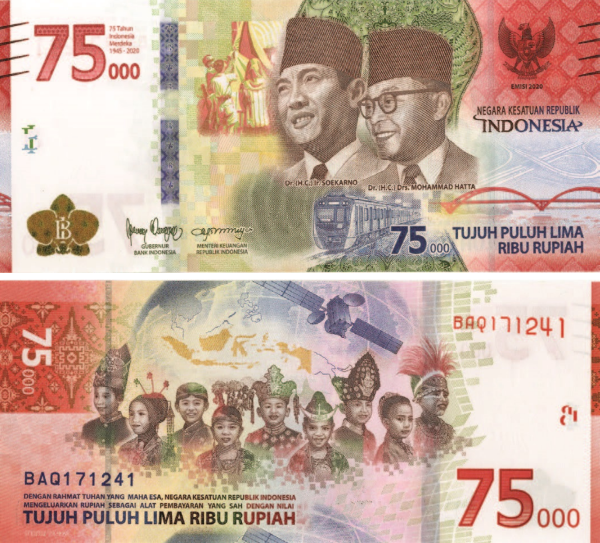
Picture Source of Dr Soekarno and Dr Mohammad Hatta: Website DJKN
The Legacy of Dr Soekarno and Dr Mohammad Hatta: Architects of Indonesian Independence
The story of Indonesia's fight for independence is intrinsically linked to two remarkable figures: Dr Soekarno and Dr Mohammad Hatta. Their collaboration not only shaped the nation’s political landscape but also defined the spirit of a people yearning for freedom. This article delves into their lives, their partnership, and the profound impact they had on Indonesia's journey towards becoming a sovereign state.
Early Life and Education
Dr Soekarno: The Charismatic Leader
Born on June 6, 1901, in Surabaya, Soekarno emerged as a prominent figure in the Indonesian nationalist movement. His early education took place in a Dutch school, where he developed a keen interest in politics and the plight of his country. Soekarno's oratory skills were evident from a young age, and he quickly became known for his ability to inspire and mobilise the masses.
After completing his education in civil engineering at the Technische Hoogeschool in Bandung, he became actively involved in nationalist organisations. His commitment to Indonesia's independence was unwavering, and he began to articulate a vision for a united nation free from colonial rule.
Dr Mohammad Hatta: The Intellectual Strategist
Mohammad Hatta was born on August 12, 1902, in Bukittinggi, West Sumatra. He was the only son in a family of seven children. Hatta's upbringing in a matrilineal society shaped his character, instilling in him a strong sense of responsibility and leadership. He pursued his education in the Netherlands, where he studied at the Handelshogeschool (Business School) in Rotterdam.
Hatta's exposure to European political thought and his involvement in the Indische Vereeniging (Indonesian Association) fuelled his desire for independence. His critical writings against Dutch colonialism earned him recognition as a formidable intellectual and activist, setting the stage for his future role in the independence movement.
The Birth of a Nation
The Proclamation of Independence
On August 17, 1945, following the surrender of Japan in World War II, Soekarno and Hatta seized the moment to declare Indonesia's independence. Flanked by a Japanese liaison officer, Soekarno delivered a powerful speech proclaiming the nation's freedom. The proclamation, crafted with Hatta's input, marked a pivotal moment in Indonesia's history.
The text of the proclamation was straightforward yet profound, emphasising the people's resolve to build a free state. This declaration not only symbolised the end of colonial rule but also united the diverse Indonesian populace under a common cause.
Leadership Roles
Following the proclamation, Soekarno was appointed as the first President of Indonesia, while Hatta assumed the role of Vice President. Their leadership styles complemented one another: Soekarno's charisma and ability to connect with the masses were balanced by Hatta's diplomatic acumen and strategic thinking. Together, they laid the foundation for the newly formed republic.
Political Challenges and Ideological Differences
Navigating Early Governance
The early years of Indonesia's independence were fraught with challenges. The nation faced internal strife, economic instability, and external threats from former colonial powers. Soekarno and Hatta worked tirelessly to establish a stable government, navigating the complexities of Indonesian politics and the diverse interests of various factions.
Hatta advocated for a more structured and disciplined approach to governance, while Soekarno often leaned towards populist policies. This divergence in ideology began to create tensions between the two leaders, as they grappled with the best path forward for Indonesia.
The Rise of Political Tensions
As the political landscape evolved, differences in their approaches became more pronounced. Hatta's inclination towards democratic socialism contrasted with Soekarno's more nationalistic and authoritarian tendencies. These ideological rifts were exacerbated by external pressures, including the threat of communism and the influence of foreign powers.
Despite their differences, both leaders remained committed to the overarching goal of preserving Indonesia's sovereignty and promoting national unity. However, as time progressed, their partnership began to show signs of strain.
The Legacy of Their Partnership
Contributions to Indonesian Identity
Soekarno and Hatta's collaboration was instrumental in shaping Indonesia's national identity. Their efforts to promote a sense of unity among the diverse ethnic and cultural groups within the archipelago laid the groundwork for a cohesive Indonesian nation. They championed the principles of Pancasila, which emphasised democracy, social justice, and national unity.
Their vision extended beyond mere political independence; it encompassed the aspiration for a just and equitable society. This commitment to social welfare and economic development resonated deeply with the Indonesian populace, fostering a sense of pride and ownership in their newly established nation.
Enduring Influence
Even after stepping down from their respective leadership roles, Soekarno and Hatta remained influential figures in Indonesian politics. Their ideologies continued to shape the nation’s policies and direction, influencing subsequent generations of leaders. Soekarno's emphasis on nationalism and Hatta's advocacy for democratic principles left an indelible mark on Indonesia's political landscape.
The Divergence of Paths
Political Fallout
As the years progressed, the ideological differences between Soekarno and Hatta became increasingly pronounced. Hatta's resignation in 1956 marked a significant turning point in their partnership. He expressed concerns over Soekarno's increasingly authoritarian approach and the growing influence of the Indonesian Communist Party (PKI).
Soekarno, on the other hand, viewed Hatta's departure as a betrayal of their shared vision. This rift not only affected their personal relationship but also had lasting implications for Indonesia's political trajectory.
The Rise of Authoritarianism
Following Hatta's resignation, Soekarno consolidated power and adopted a more authoritarian style of governance. His "Guided Democracy" approach aimed to maintain stability but often curtailed political freedoms. Hatta's warnings about the dangers of authoritarianism echoed throughout the political discourse, but his absence from the government made it difficult for him to influence the direction of the nation.
The Enduring Legacy of Hatta
A Life of Humility
Hatta's legacy is characterised by his humility and dedication to public service. Despite his significant contributions to the independence movement, he lived a modest life. His financial struggles post-resignation exemplified his commitment to the principles he championed. Hatta believed that true leadership required selflessness and a focus on the greater good.
Recognition and Remembrance
Hatta's contributions to Indonesia's independence are commemorated in various ways. Schools, streets, and institutions bear his name, reflecting the respect and admiration he commands among the Indonesian people. His writings and speeches continue to inspire future generations, serving as a reminder of the ideals of freedom, equality, and justice.
The End of an Era
Soekarno's Downfall
Soekarno's presidency came to an end in 1967 following a tumultuous period marked by political instability and economic decline. His inability to effectively manage the growing influence of the PKI and the military's rising power led to his eventual ousting. The political landscape of Indonesia shifted dramatically, paving the way for a new era under General Suharto.
Hatta's Final Years
In contrast, Hatta spent his final years in relative obscurity after his resignation. He continued to advocate for democratic principles and social justice from the sidelines, influencing political discourse through his writings and speeches. Hatta passed away on March 14, 1980, leaving behind a legacy of integrity and commitment to the Indonesian people.
Final Thoughts
The partnership between Dr Soekarno and Dr Mohammad Hatta was pivotal in Indonesia's struggle for independence. Their complementary strengths, shared vision, and unwavering dedication to the cause of freedom played a crucial role in shaping the nation. Despite their eventual ideological differences and divergent paths, their legacies continue to resonate in the heart of Indonesia. As the country moves forward, the ideals they championed serve as a guiding light, reminding future generations of the sacrifices made in the pursuit of independence and the ongoing quest for a just and equitable society.