.jpg)
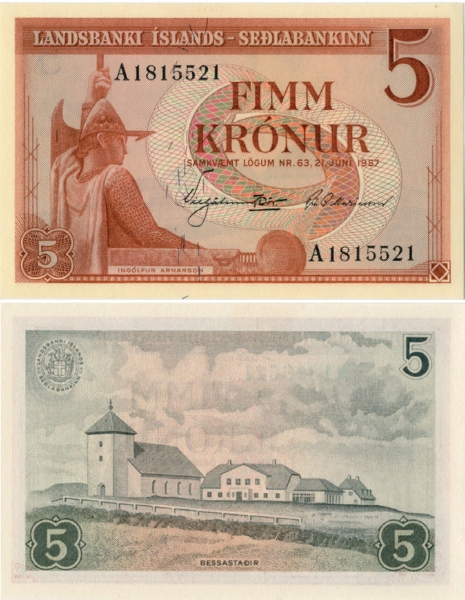
Picture Source of Ingolfur Arnarson: Wikipedia
Introduction to Ingólfr Arnarson
Ingólfr Arnarson stands as a monumental figure in Icelandic history, often revered as the pioneering spirit behind the settlement of Iceland. Born in Norway, Ingólfr embarked on a journey that would etch his name into the annals of history as Iceland's first permanent settler. His legacy is intertwined with the narrative of exploration and the indomitable spirit of the Vikings, who ventured into the unknown, driven by ambition and a quest for new lands.
The tale of Ingólfr Arnarson is not just about courage and discovery; it is also a story of resilience and adaptation. As one delves deeper into his life, it becomes evident that Ingólfr's journey was marked by both triumph and challenge. The harsh climates and rugged terrains of Iceland required an astute understanding and respect for nature, which Ingólfr exemplified through his successful establishment of a settlement.
Understanding Ingólfr's life and achievements provides a window into the Viking Age, a period characterized by exploration, conquest, and cultural exchange. His story is a testament to the adventurous spirit that defined the era and laid the foundations for the rich cultural heritage of Iceland.
Historical Context of the Viking Age
To fully appreciate Ingólfr Arnarson's achievements, it is essential to explore the broader historical context of the Viking Age. This era, spanning from the late 8th century to the early 11th century, was a time of profound change and expansion for the Norse people. Vikings were not only fearsome warriors but also skilled navigators, traders, and settlers who left a lasting impact on Europe and beyond.
The Viking Age was marked by several key developments:
- Expansion: Driven by overpopulation, limited resources, and the allure of wealth, Vikings expanded their horizons, reaching as far as North America, the Mediterranean, and even the Middle East.
- Cultural Exchange: As explorers, the Vikings encountered diverse cultures, leading to a rich exchange of ideas, technologies, and beliefs.
- Technological Advancements: The Vikings were pioneers in shipbuilding, which enabled their long-distance travels across the tumultuous North Atlantic.
The period was also characterised by complex socio-political structures. Viking society was organised into local chieftains and clans, with loyalty often centred on kinship and alliances. This intricate social fabric played a significant role in the decisions of individuals like Ingólfr to seek new lands, driven by both personal ambition and the pressures of their environment.
The Journey to Iceland: Navigating the North Atlantic
Ingólfr Arnarson's journey to Iceland was a remarkable feat of navigation and endurance. The North Atlantic, known for its treacherous waters and unpredictable weather, presented a formidable challenge to even the most seasoned sailors. Yet, equipped with their advanced longships and navigational skills, Vikings were able to traverse these waters with remarkable accuracy.
Ingólfr's decision to leave Norway was driven by a combination of necessity and opportunity. The Viking Age was a time when familial disputes and political tensions often spurred individuals to seek new opportunities abroad. Ingólfr's journey is thought to have been motivated by such circumstances, coupled with the allure of unclaimed lands in the west.
The voyage itself would have taken several weeks, with Ingólfr and his crew relying on the stars, sun, and landmarks such as coastal features to guide them. The journey was perilous, with threats from storms, icebergs, and the sheer isolation of the open ocean. Despite these challenges, Ingólfr's successful navigation demonstrated not only his prowess as a leader but also the remarkable capabilities of Viking seafaring technology.
Ingólfr's Arrival and Settlement in Iceland
Upon reaching the shores of Iceland, Ingólfr Arnarson faced the daunting task of establishing a settlement in an unfamiliar and harsh environment. His arrival is traditionally marked by the symbolic act of casting his high seat pillars (öndvegissúlur) into the sea and settling where they came ashore, a practice rooted in Norse customs.
Ingólfr landed in what is now known as Reykjavik, a region characterised by hot springs and volcanic landscapes. The choice of location was strategic, offering natural resources such as geothermal heat and fertile land for agriculture. Ingólfr's settlement marked the beginning of a new chapter in Icelandic history, laying the groundwork for future generations of Norse settlers.
Establishing a permanent settlement required significant adaptation and ingenuity. Ingólfr and his followers had to contend with a harsh climate, limited resources, and isolation from the Norse world. Their ability to thrive in such conditions is a testament to their resilience and resourcefulness, qualities that have become synonymous with the Icelandic spirit.
The Significance of Ingólfr Arnarson's Founding of Reykjavik
The founding of Reykjavik by Ingólfr Arnarson holds immense significance, both historically and culturally. As Iceland's first permanent settlement, Reykjavik became a focal point for subsequent waves of migration and played a crucial role in the island's development.
Reykjavik's establishment was not just the creation of a new settlement; it was the birth of a new society. The settlement provided a base from which Norse culture and traditions could be transplanted and adapted to the Icelandic environment. It became a centre for trade, governance, and cultural exchange, shaping the identity of Iceland as a unique and independent nation.
The significance of Reykjavik's founding extends beyond its historical context. Today, Reykjavik is Iceland's capital and largest city, a vibrant hub of culture, politics, and commerce. Ingólfr's legacy is celebrated in the city's landmarks and institutions, serving as a constant reminder of the pioneering spirit that defined Iceland's early history.
Cultural Impact and Legacy of Ingólfr Arnarson
Ingólfr Arnarson's legacy transcends his achievements as a pioneer; he is a cultural icon whose story has been woven into the fabric of Icelandic identity. His life and deeds are celebrated in Icelandic sagas and folklore, which have preserved his story for generations.
Ingólfr's impact is evident in various cultural expressions:
- Literature: The Icelandic sagas, which recount the stories of the early settlers, often feature Ingólfr as a central figure, highlighting his role in Iceland's founding.
- Place Names: Many locations in Iceland are named after Ingólfr and his family, serving as geographical markers of his influence.
- Festivals and Traditions: Annual events and celebrations in Iceland pay homage to Ingólfr, reflecting the enduring respect and admiration for his contributions.
In modern times, Ingólfr's legacy continues to inspire Icelanders, symbolising the values of courage, resilience, and exploration. His story is a reminder of the challenges faced by the early settlers and their ability to overcome adversity, shaping the nation's character and identity.
The Role of Norse Mythology in Viking Exploration
Norse mythology played a pivotal role in the Viking Age, influencing exploration and settlement patterns. The myths and legends of the Norse gods and heroes provided both inspiration and guidance for explorers like Ingólfr Arnarson.
Key elements of Norse mythology that influenced exploration include:
- Divine Guidance: Norse explorers often sought the favour of gods like Odin and Thor, believing their blessings would ensure safe passage and success in their ventures.
- Mythical Lands: The sagas and myths spoke of distant lands and treasures, fuelling the desire for exploration and discovery.
- Cultural Identity: Norse mythology reinforced a sense of identity and belonging, providing a framework for understanding the world and their place within it.
For Ingólfr, Norse mythology would have been an integral part of his worldview, shaping his perceptions and decisions as he embarked on his momentous journey to Iceland. The myths served as a source of strength and motivation, underpinning the resilience and determination required to settle in a new and challenging land.
Archaeological Discoveries Related to Ingólfr
Archaeological discoveries have provided valuable insights into the life and times of Ingólfr Arnarson, shedding light on the early settlement of Iceland. Excavations in Reykjavik and surrounding areas have unearthed artefacts and structures that offer a glimpse into the daily life of the first settlers.
Key findings include:
- Longhouses: The remains of longhouses, typical of Viking architecture, have been discovered, revealing the living conditions and social structures of the early settlers.
- Tools and Implements: Various tools and implements used for farming, fishing, and domestic activities have been uncovered, illustrating the settlers' adaptation to their environment.
- Burial Sites: Burial sites and grave goods provide insights into the beliefs and customs of the Norse settlers, including their reverence for ancestors and the afterlife.
These discoveries have enriched the understanding of Ingólfr's settlement and its historical context, offering tangible evidence of the challenges and achievements of the early Icelandic settlers. They continue to inform research and interpretation, contributing to a more comprehensive understanding of Iceland's founding history.
Modern Perspectives on Ingólfr Arnarson's Influence
In contemporary times, Ingólfr Arnarson's influence continues to be a topic of interest and debate among historians and scholars. His legacy is viewed through various lenses, reflecting the complexities of historical interpretation and national identity.
Some modern perspectives include:
- Historical Revisionism: Recent scholarship has sought to re-evaluate Ingólfr's role, examining the broader context of settlement and the contributions of other figures in Iceland's history.
- Cultural Heritage: Ingólfr is celebrated as a symbol of Icelandic culture and heritage, representing the pioneering spirit and resilience that define the national character.
- Tourism and Education: Ingólfr's story is a focal point for tourism and educational initiatives, promoting Iceland's rich history and cultural legacy to a global audience.
These perspectives highlight the enduring relevance of Ingólfr Arnarson's story, serving as a bridge between the past and present. His legacy continues to inspire and inform, offering lessons on leadership, perseverance, and the importance of cultural identity.