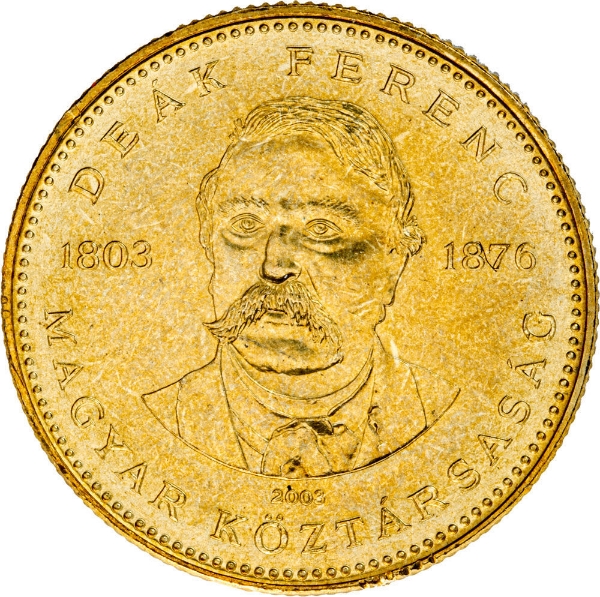
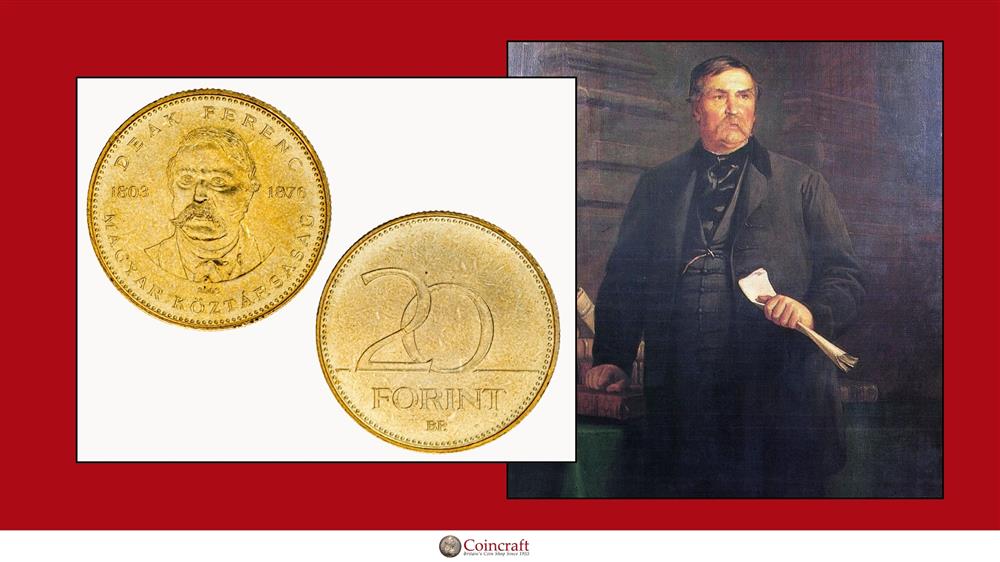
Source of Ferenc Deák picture: Wikipedia
The Life and Legacy of Ferenc Deák: A Pillar of Hungarian Politics
Ferenc Deák, often revered as "The Wise Man of the Nation," stands as a monumental figure in Hungarian history. His contributions to the political landscape of Hungary during the 19th century were pivotal in shaping the nation’s identity and governance. Through his unwavering commitment to reform, Deák played an instrumental role in the establishment of the dual monarchy of Austria-Hungary and the advancement of civil rights for the Hungarian populace. This article delves into the multifaceted life of Ferenc Deák, exploring his early years, political career, and enduring legacy.
Early Life and Education
Background and Family
Born on 17 October 1803 in Söjtör, Hungary, Ferenc Deák hailed from an aristocratic family. His father, Ferenc Deák de Kehida, was a distinguished jurist and landowner, which afforded young Ferenc a life of privilege and education. The family’s noble status provided him with the resources necessary for a comprehensive education, particularly in law.
Academic Pursuits
Deák pursued his studies in law at the University of Győr, where he developed a keen interest in the legal frameworks governing Hungary. His academic accomplishments laid the groundwork for his future political career, as he became well-versed in the complexities of Hungarian law and governance.
Entry into Politics
In 1833, Deák’s political journey began when he was appointed to represent Zala County in the Hungarian Diet, stepping in for his brother who had resigned. This marked the beginning of his involvement in legislative affairs, where he quickly distinguished himself as a formidable advocate for reform.
Rise as a Political Leader
Advocacy for Reform
Deák’s early years in the Diet were characterised by his staunch advocacy for the rights of the peasantry and the promotion of the Hungarian language in official matters. During a time when Latin dominated governmental discourse, Deák’s push for the Hungarian language reflected his commitment to national identity and autonomy.
The 1848 Revolution
The Hungarian Revolution of 1848 represented a turning point in Deák’s career. Appointed as the first Minister of Justice, he was instrumental in drafting the April Laws, which aimed to modernise Hungarian governance and grant civil liberties to its citizens. Despite the eventual suppression of the revolution, Deák's contributions during this tumultuous period positioned him as a leading figure in Hungarian politics.
Post-Revolution Challenges
Following the revolution's failure, Deák faced significant challenges. He was arrested but never formally charged with treason. This period of relative quiet allowed him to reflect on Hungary's political landscape and formulate strategies for future reforms.
The Path to Compromise
Negotiations with Austria
By the 1860s, Deák emerged as a key negotiator between Hungary and the Habsburg monarchy. His vision for a reconciled relationship with Austria involved advocating for Hungary's autonomy while recognising the necessity of a strong central authority. Deák’s diplomatic skills were crucial in navigating the complex political terrain of the time.
The Ausgleich of 1867
Deák's efforts culminated in the Austro-Hungarian Compromise of 1867, which established a dual monarchy. This landmark agreement allowed Hungary to exercise greater control over its domestic affairs while sharing foreign relations and military responsibilities with Austria. Deák’s role in the negotiations solidified his reputation as a master statesman and a champion of Hungarian interests.
Legislative Contributions
Following the compromise, Deák continued to influence Hungarian politics by supporting the legislation that emerged from the agreement. His commitment to reform and governance remained steadfast, even as he faced opposition from more radical factions within Hungary.
Legacy and Commemoration
Lasting Impact
Ferenc Deák's legacy is deeply embedded in Hungarian history. His advocacy for civil rights, language, and national identity continues to resonate in contemporary Hungary. Deák's vision for a reconciled and autonomous Hungary laid the foundation for future generations to build upon.
Memorials and Recognition
In recognition of his contributions, numerous institutions and public spaces bear his name. Deák Square in Budapest serves as a major transit hub and a reminder of his lasting impact on the city and the nation. Furthermore, his image is featured on the 20,000 forint banknote, symbolising his status as a national hero.
Educational Influence
Deák's commitment to education and reform has also influenced the curriculum in Hungarian schools. His life and work are studied as part of Hungary's rich history, inspiring future leaders to advocate for justice and reform.
A Visionary Leader
Ferenc Deák's life is a testament to the power of diplomacy, reform, and national identity. His legacy as a political leader, reformer, and advocate for civil rights continues to inspire Hungarians today. As the nation reflects on its past, Deák’s contributions remind us of the importance of leadership grounded in integrity and a commitment to the common good.