Picture Source of Saratokos: Numista
The Coin King of Thrace: Unmasking the Mystery of Saratokos
Have you ever heard of a king who exists almost entirely in silver? In the world of ancient history, some figures are loud—they have epic poems and massive monuments. But others, like Saratokos, whisper to us through the exquisite craftsmanship of their coinage. He wasn’t a world-conqueror, but in the rugged, wine-rich lands of ancient Thrace, he was a man of significant influence and impeccable taste.
Key Takeaways
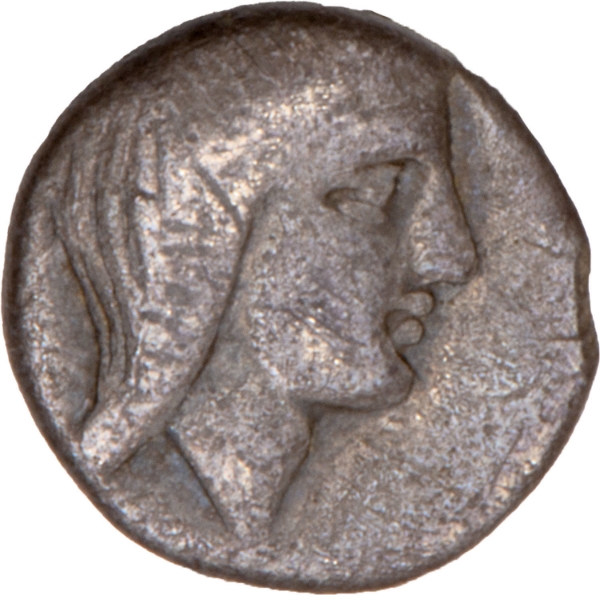
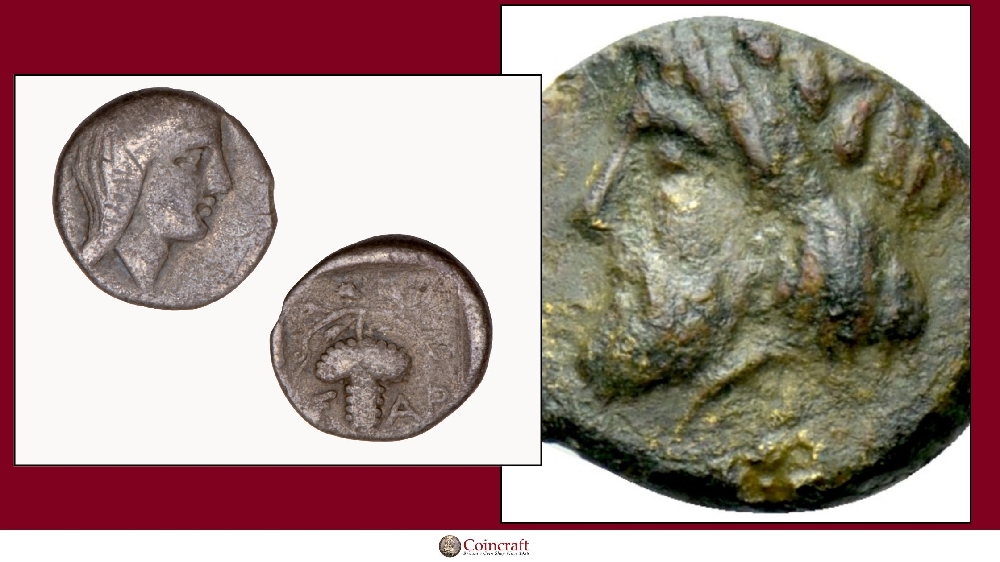
A Numismatic Legend: Saratokos is primarily known to history through his high-quality silver coinage, which features distinct imagery like bearded satyrs and bunches of grapes¹.
Strategic Location: His influence likely spanned the southwestern part of Thrace, particularly the coastal regions between Abdera and Maroneia, reaching as far as the island of Thasos².
The Identity Debate: Historians often debate if he was a regional dynast or perhaps the same person as Sadokus, the son of the famous Odrysian King Sitalces³.
Economic Player: His coins followed the "Chian" weight standard, proving he was deeply integrated into the sophisticated trade networks of the Aegean world⁴.
A Ruler Hidden in Plain Sight
If you went looking for Saratokos in the ancient history books, you might come up empty-handed. Unlike his contemporaries who led massive armies into Greece or Persia, Saratokos left a more subtle footprint. He ruled during a fascinating period (roughly 407–369 BC) when the great Odrysian Kingdom was beginning to fragment into smaller, regional power centers².
Imagine a ruler who knew that the best way to project power wasn't just through a sword, but through the pockets of merchants. By minting silver diobols and trihemiobols of such high quality, Saratokos ensured his name—usually abbreviated as ΣΑ or ΣΑΡΑΤΟΚΟ—would be recognized across the Aegean².
The "Wine and Revelry" King
One of the coolest things about Saratokos is the imagery he chose for his "branding." His coins almost always feature a bearded Satyr—those wild, mythological companions of Dionysus—and a bunch of grapes¹.
This wasn't just because he liked a good party (though, being Thracian, he probably did!). Thrace was the Napa Valley of the ancient world. By putting grapes on his coins, he was signaling that he controlled the lucrative wine trade of the Maroneia region. The artistic style was so close to the coins of the island of Thasos that experts believe he might have even employed the same master engravers¹.
Who Was He, Really?
This is where the history gets a bit "Sherlock Holmes." Because the name Saratokos is so similar to Sadokus (the son of King Sitalces mentioned by the historian Thucydides), some scholars think they are the same person³.
According to the stories, Sadokus was actually made an honorary citizen of Athens! If Saratokos and Sadokus are the same man, it means we’re looking at a Thracian prince who was as comfortable in an Athenian assembly as he was in the wild mountains of the north. However, others argue he was a powerful "Paradynast"—a sort of regional governor who gained enough independence to start acting like a king in his own right².
The Legacy of the Silver Satyr
Saratokos eventually faded from the scene as the rise of Macedonia under Philip II began to swallow up the independent Thracian tribes. But he left us something beautiful. His coins remain some of the most sought-after pieces for collectors of ancient art. They represent a moment in time when Thracian culture and Greek art blended perfectly, creating a legacy that hasn't tarnished after 2,400 years.
FAQs
1. Was Saratokos a "Great" King? He wasn't the "Great King" of all Thrace, but rather a powerful regional ruler or "paradynast." His power was concentrated in the southwest, where he controlled vital trade routes².
2. Why are his coins so famous? They are praised for their "fine style" and artistic merit. The level of detail on the satyrs and the grape clusters shows that he had access to some of the best mints and artists of the 4th century BC¹.
3. What happened to his kingdom? Like many Thracian territories, his lands were eventually absorbed or overshadowed by the expanding power of the Odrysian heartland and later the Macedonian Empire under Philip II⁴.
References
Hourmo (n.d.) Index Saratokos Rex Thraciae. Available at: http://hourmo.eu/27_Reges_Thraciae/Saratokos/Index_Saratokos.html (Accessed: 24 May 2024).
CoinWeek (2025) From Teres to Seuthes III: Unearthing the Coins of Thrace's Warrior Kings. Available at: https://coinweek.com/from-teres-to-seuthes-iii-unearthing-the-coins-of-thraces-warrior-kings/ (Accessed: 24 May 2024).
Wikipedia (2026) List of kings of Thrace and Dacia. Available at: https://en.wikipedia.org/wiki/List_of_kings_of_Thrace_and_Dacia (Accessed: 24 May 2024).
WildWinds (n.d.) Thrace, Kings, Saratokos - Ancient Greek Coins. Available at: https://www.wildwinds.com/coins/greece/thrace/kings/saratokos/i.html (Accessed: 24 May 2024).