 - RBB244.jpg)
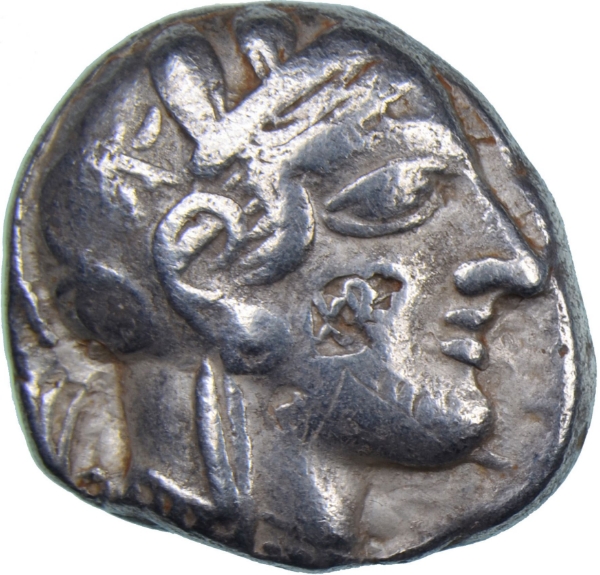
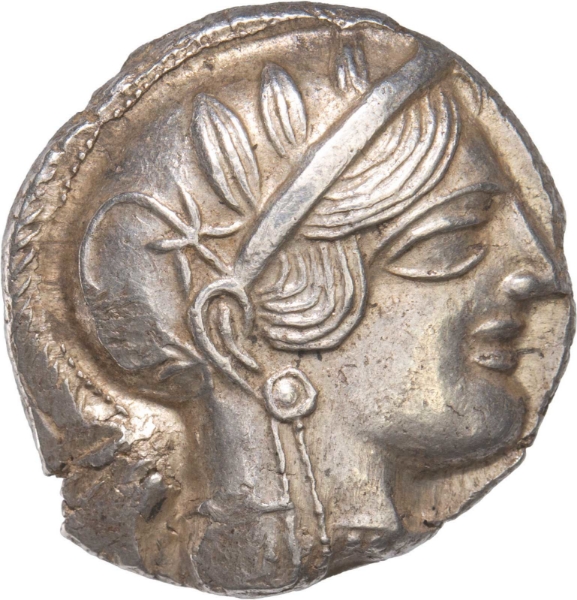
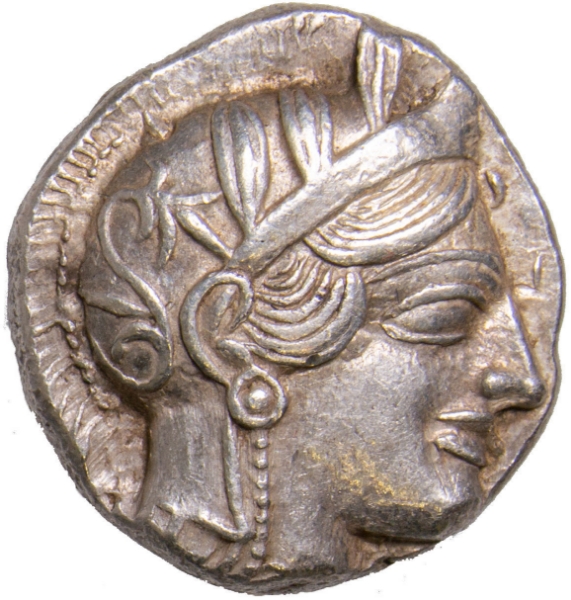
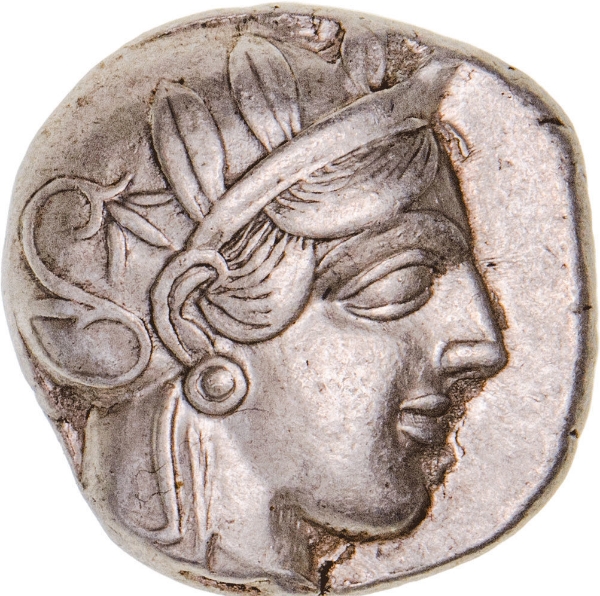
Picture Source of Athena: Wikipedia
Athena: The Original Boss Lady of Olympus
When you think of the Greek gods, you probably picture Zeus throwing lightning bolts or Poseidon stirring up storms. But if you want the deity who really got things done—the one with the brains, the strategy, and the coolest birth story in history—you need to talk about Athena.
She wasn't just the goddess of wisdom; she was the master of war strategy, a patron of the arts, and the protector of civilized life. While Ares was out there causing messy bloodshed, Athena was the one playing 4D chess, ensuring victory through smarts rather than just brute force. She is the ultimate blend of intellect and power, and honestly, her résumé puts most modern superheroes to shame.
Key Takeaways
Miraculous Birth: Athena was born fully grown and armored from Zeus’s forehead after he swallowed her mother, Metis.
Patron of Athens: She won the city of Athens by gifting the olive tree, beating Poseidon’s gift of a saltwater spring.
Strategic Warrior: Unlike Ares, who represented the chaos of war, Athena embodied military strategy, generalship, and discipline.
Symbol of Wisdom: Her primary symbols include the owl (representing knowledge) and the olive tree (representing peace and prosperity).
Protector of Heroes: She was the divine counselor to famous heroes like Odysseus, Perseus, and Heracles.
The Ultimate Headache: A Birth Story Like No Other
If there were a prize for "Most Dramatic Entrance," Athena would win it hands down. Her origin story begins with a prophecy. Her father, Zeus (King of the Gods), was warned that his first wife, Metis (Goddess of Wisdom), would bear a child more powerful than him. Terrified of losing his throne, Zeus did what any rational Greek god would do: he tricked Metis into turning into a fly and swallowed her whole¹.
Problem solved? Not quite.
Metis was already pregnant. Inside Zeus, she began crafting armor for her daughter. The constant hammering caused Zeus a headache so splittingly painful that he screamed loud enough to be heard across the earth. To relieve the pressure, the smith god Hephaestus took an axe and cracked Zeus’s skull open. Out sprang Athena—fully grown, dressed in full battle armor, and letting out a mighty war cry². She didn't have a childhood; she arrived ready to rule.
The Battle for Athens: Olive vs. Salt
One of the most defining moments in Athena's career was her competition with her uncle, Poseidon, for the patronage of a shiny new city in Greece. The locals agreed that whoever gave the best gift would become the city’s guardian.
Poseidon went first. He struck the ground with his trident, and a spring of water gushed forth. It was impressive, sure, but there was a catch—it was saltwater, making it useless for drinking or farming³.
Then it was Athena’s turn. She quietly knelt and planted a seed, which instantly grew into an olive tree. This wasn't just a party trick; the olive tree provided wood, oil for lamps and cooking, and food. It was a symbol of peace and prosperity. The people (and the gods judging the contest) immediately declared Athena the winner. The city was named Athens in her honor, and the Parthenon was built to celebrate her glory⁴.
More Than Just a Warrior: Strategy Over Slaughter
It is a common misconception that Athena and Ares were two peas in a pod because they were both war deities. In reality, they couldn't have been more different. Ares represented the bloodlust, chaos, and violent rage of battle. Athena, on the other hand, represented Generalship—the disciplined, strategic, and intellectual side of war⁵.
She didn't run into battle screaming; she planned. This is why she was the favorite patron of heroes like Odysseus, famous for his cunning, and Perseus, whom she aided in defeating Medusa. In the Iliad and the Odyssey, Athena is the one pulling the strings, ensuring that the smart side wins. She taught mankind that while force is sometimes necessary, wisdom is what truly secures victory.
Icons of Wisdom: What to Look For
If you're looking at ancient art or modern statues, you can easily spot Athena by her accessories. She is rarely seen without her gear:
The Owl: Represents her ability to see the truth where others cannot.
The Aegis: A goat-skin shield or breastplate, often fringed with snakes and featuring the head of a Gorgon to terrify enemies.
The Olive Tree: Her gift to humanity and a symbol of peace.
The Spear and Helmet: Reminders of her role as the guardian of the city⁶.
Frequently Asked Questions (FAQs)
Q: Did Athena ever get married or have children? A: No. Athena was one of the three "Virgin Goddesses" (along with Artemis and Hestia). She never married or had biological children, dedicating herself entirely to her duties and the protection of her cities.
Q: Why is she associated with snakes? A: While it seems spooky, the snake was a symbol of the earth and renewal. The legendary early king of Athens, Erichthonius, was said to have snake-like features and was the foster son of Athena, further cementing her link to the serpent symbol.
Q: What is the Roman name for Athena? A: Her Roman equivalent is Minerva. While they share many traits, Minerva was focused more on crafts and wisdom and slightly less on the warrior aspect compared to her Greek counterpart.
References
Britannica, T. Editors of Encyclopaedia (2025) Athena. Available at: https://www.britannica.com/topic/Athena-Greek-mythology (Accessed: 21 January 2026).
Theoi Project (2025) The Birth of Athena. Available at: https://www.google.com/search?q=https://www.theoi.com/Olympians/Athena.html (Accessed: 21 January 2026).
GreekMythology.com (2025) Athena. Available at: https://www.greekmythology.com/Olympians/Athena/athena.html (Accessed: 21 January 2026).
TheCollector (2025) Athena and Poseidon’s Contest: How Did Athens Get Its Name?. Available at: https://www.thecollector.com/athena-poseidon-contest-athens-name-giving/ (Accessed: 21 January 2026).
History Cooperative (2024) Ares vs. Athena: The Differences Between the Gods of War. Available at: https://www.google.com/search?q=https://historycooperative.org/ares-vs-athena/ (Accessed: 21 January 2026).
ThoughtCo. (2025) What Are the Symbols of the Greek Goddess Athena?. Available at: https://www.thoughtco.com/what-are-athenas-symbols-117195 (Accessed: 21 January 2026).