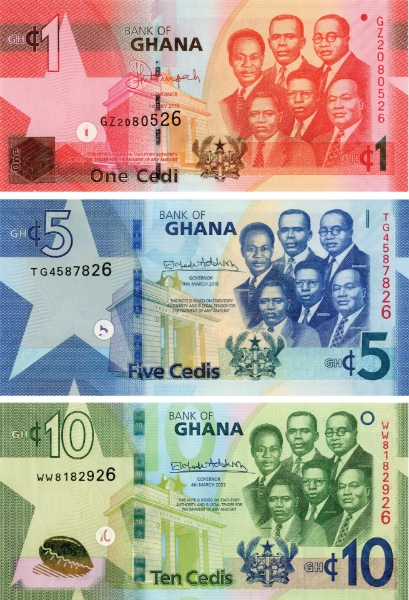
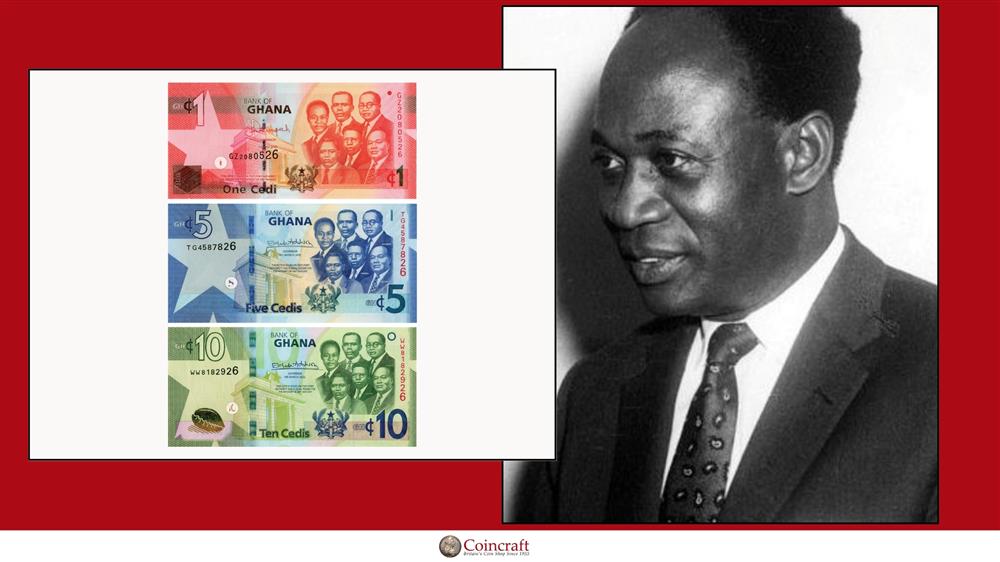
Picture Source of Kwane Nkrumah: Wikipedia
Introduction to Kwame Nkrumah
Kwame Nkrumah stands as a towering figure in the annals of not only Ghanaian history but also in the broader narrative of African liberation. Born on 21st September 1909 in Nkroful, in the Gold Coast colony, Nkrumah emerged as a beacon of hope and a symbol of the struggle against colonial rule. His influence extended beyond the borders of Ghana, inspiring movements across the continent. Nkrumah's journey from a local schoolteacher to a key player in global politics underscores his resilience, intellect, and unyielding commitment to African unity.
Nkrumah's impact on modern Ghana is unparalleled. As the first Prime Minister and later President of Ghana, he played a pivotal role in steering the country towards independence from British colonial rule. His leadership was characterised by a profound understanding of the socio-political landscape of Africa and a vision that sought to elevate the continent on the world stage. Through his policies and reforms, Nkrumah laid the foundations for what would eventually become a thriving, independent nation.
The legacy of Kwame Nkrumah is both celebrated and debated, but his influence in shaping modern Ghana is undeniable. His ideals continue to resonate, offering insights into the challenges and opportunities that face African nations today. As Ghana navigates its path in the modern world, the principles and vision of Nkrumah provide a guiding light, reminding us of the enduring strength found in unity and determination.
Early Life and Education of Kwame Nkrumah
Kwame Nkrumah's early life was marked by a keen interest in education and a deep sense of purpose. Born into a modest family, his parents were committed to providing him with the best possible education. This foundation would prove crucial in shaping his future ambitions and worldview. Nkrumah attended the Achimota School in Accra, where he excelled academically and developed an interest in the ideas of African nationalism.
In pursuit of further education, Nkrumah travelled to the United States in 1935, enrolling at Lincoln University in Pennsylvania. His time in America was transformative, exposing him to a variety of political ideologies and revolutionary thinkers. He earned multiple degrees, including a Bachelor of Arts in Economics and Sociology, and a Bachelor of Theology. Nkrumah's exposure to the Harlem Renaissance and the burgeoning civil rights movement fuelled his passion for Pan-Africanism and the liberation of colonised peoples.
Nkrumah's educational journey continued in London, where he studied at the London School of Economics and worked closely with influential figures in the Pan-African movement. His interactions with leaders like W.E.B. Du Bois and George Padmore further solidified his commitment to African unity and independence. This period of intellectual growth equipped Nkrumah with the knowledge and networks necessary to lead Ghana towards its destiny as an independent nation.
Nkrumah's Role in Ghana's Independence
Kwame Nkrumah's return to the Gold Coast in 1947 marked the beginning of a new era in the struggle for independence. He joined the United Gold Coast Convention (UGCC) as a general secretary, where he quickly became a prominent figure in the movement. Nkrumah's charisma and ability to connect with the masses set him apart, and he soon realised that a more radical approach was necessary to achieve independence.
In 1949, Nkrumah founded the Convention People's Party (CPP), which advocated for "self-government now." The CPP's message resonated with the people, leading to widespread support across the Gold Coast. Nkrumah's leadership galvanised the populace, culminating in a series of strikes and protests that pressured the British authorities to concede to demands for reform. His efforts paid off when the CPP won a decisive victory in the 1951 legislative election, paving the way for Nkrumah to become the leader of government business.
Under Nkrumah's guidance, Ghana achieved independence on 6th March 1957, becoming the first sub-Saharan African nation to break free from colonial rule. His declaration of Ghana as a sovereign state was a significant milestone, inspiring other African nations to pursue their own paths to independence. Nkrumah's role in this historic achievement cemented his status as a visionary leader dedicated to the liberation of his people.
The Visionary Leadership of Kwame Nkrumah
Kwame Nkrumah's leadership was characterised by a visionary outlook that sought to transform Ghana into a modern, industrialised nation. He believed that political independence was only the first step; economic independence and development were equally crucial. Nkrumah embarked on an ambitious programme to modernise Ghana, focusing on infrastructure, education, and industrialisation.
One of Nkrumah's most significant contributions was his emphasis on education. He viewed education as a tool for empowerment and a means to develop a skilled workforce capable of driving the nation's progress. Nkrumah implemented policies to expand access to education, establishing numerous schools and institutions of higher learning. His efforts laid the groundwork for a literate and educated citizenry, capable of participating in the nation's development.
Nkrumah's vision extended beyond Ghana's borders. He was a staunch advocate for African unity, believing that a united Africa would be stronger and more prosperous. He championed the creation of the Organisation of African Unity (OAU) in 1963, a precursor to the African Union. Nkrumah's advocacy for Pan-Africanism and his efforts to foster solidarity among African nations left an indelible mark on the continent, influencing leaders and movements for generations.
Key Policies and Reforms Implemented by Nkrumah
Kwame Nkrumah's tenure as Ghana's leader was marked by several key policies and reforms aimed at transforming the nation. Central to his agenda was the development of infrastructure, which Nkrumah saw as essential for economic growth. He initiated numerous projects, including the construction of roads, hospitals, and the Akosombo Dam, which provided hydroelectric power and facilitated industrialisation.
Nkrumah also prioritised the diversification of Ghana's economy, reducing its reliance on cocoa exports. He promoted industrialisation through the establishment of state-owned enterprises and factories, fostering a manufacturing sector that could produce goods for both domestic consumption and export. This strategy was designed to create jobs, stimulate economic growth, and enhance Ghana's self-sufficiency.
Social reforms were another cornerstone of Nkrumah's leadership. He implemented policies to improve healthcare, expand access to clean water, and enhance social welfare. Nkrumah's commitment to social justice and equitable development sought to uplift the standard of living for all Ghanaians, particularly the most vulnerable. These reforms reflected his belief in the power of government to effect positive change and build a more inclusive society.
Nkrumah's Pan-African Vision and Influence
Kwame Nkrumah's vision for a united Africa was a driving force behind his leadership and policies. He believed that the liberation of individual African nations was only the beginning; true independence could only be achieved through continental unity. Nkrumah's Pan-African vision was rooted in the idea that African nations, working together, could overcome the legacies of colonialism and establish a new era of prosperity and peace.
Nkrumah's influence in the Pan-African movement was profound. He hosted the All-African People's Conference in Accra in 1958, bringing together leaders and activists from across the continent. This conference served as a platform to discuss strategies for achieving independence and fostering cooperation among African nations. Nkrumah's leadership in these efforts demonstrated his commitment to the cause and his ability to unite diverse voices in pursuit of a common goal.
His vision for African unity extended to the creation of continental institutions. Nkrumah was instrumental in the establishment of the Organisation of African Unity (OAU), which aimed to promote solidarity and cooperation among African states. Through these efforts, Nkrumah sought to create a political and economic bloc capable of asserting Africa's place on the global stage. His legacy as a champion of Pan-Africanism continues to inspire leaders and movements dedicated to the ideals of unity and collective progress.
The Challenges Faced During Nkrumah's Rule
Kwame Nkrumah's leadership, while transformative, was not without its challenges. His ambitious policies and vision for Ghana often faced resistance from various quarters, including political opponents, traditional leaders, and external forces. Nkrumah's commitment to rapid development and modernisation sometimes led to tensions with those who favoured a more gradual approach.
Economic challenges also posed significant hurdles during Nkrumah's rule. The implementation of large-scale infrastructure projects required substantial financial resources, leading to increased national debt. Additionally, fluctuations in global cocoa prices impacted Ghana's economy, creating further constraints. Despite these challenges, Nkrumah remained steadfast in his belief that the long-term benefits of development would outweigh the immediate difficulties.
Political opposition to Nkrumah's leadership grew over time. His increasing centralisation of power, including the declaration of Ghana as a one-party state, drew criticism from both domestic and international observers. Nkrumah's focus on state-led development and his alignment with socialist ideologies also attracted scrutiny during the Cold War era. These challenges ultimately culminated in his overthrow in a coup d'état in 1966, a testament to the complexities of governing a newly independent nation.
Nkrumah's Overthrow and Legacy
The overthrow of Kwame Nkrumah in 1966 marked a turning point in Ghana's history. While in Vietnam for diplomatic purposes, Nkrumah's government was toppled by a military coup, ending his presidency and ushering in a period of political instability. Despite his removal from power, Nkrumah's legacy endured, shaping the course of Ghanaian politics and inspiring future generations.
Nkrumah's vision for Ghana and Africa left an indelible mark on the continent. His ideas on industrialisation, education, and Pan-Africanism continued to influence leaders and policymakers long after his departure. Nkrumah's writings and speeches remain a source of inspiration, offering insights into the challenges of post-colonial governance and the potential for African unity.
In the years following his overthrow, Nkrumah's contributions have been reassessed, with many recognising the extent of his impact on Ghana's development. Monuments and institutions in his honour serve as reminders of his dedication to the nation and the continent. Nkrumah's legacy is one of resilience and vision, a testament to the power of leadership driven by a commitment to justice and progress.
The Relevance of Nkrumah's Ideals in Modern Ghana
The ideals of Kwame Nkrumah continue to resonate in modern Ghana, providing a framework for addressing contemporary challenges. His emphasis on self-reliance, education, and unity remains relevant as Ghana navigates its role in an increasingly interconnected world. Nkrumah's vision for industrialisation and economic diversification offers valuable lessons for fostering sustainable development in the 21st century.
Nkrumah's commitment to Pan-Africanism also holds significance in today's global landscape. As African nations seek to strengthen regional cooperation and assert their collective interests, Nkrumah's ideals of unity and solidarity provide a guiding light. His belief in the potential of a united Africa to achieve shared prosperity and peace continues to inspire efforts towards regional integration and collaboration.
The enduring relevance of Nkrumah's ideals is reflected in Ghana's ongoing pursuit of progress and development. His legacy serves as a reminder of the transformative power of visionary leadership and the enduring strength found in unity and resilience. As Ghana faces the challenges and opportunities of the modern era, Nkrumah's vision offers a roadmap for building a future rooted in justice, equality, and shared prosperity.
Reflecting on Kwame Nkrumah's Impact
Kwame Nkrumah's impact on Ghana and Africa is profound and far-reaching. As a visionary leader who played a pivotal role in achieving Ghana's independence, Nkrumah's legacy is one of resilience, determination, and a commitment to the ideals of freedom and unity. His leadership transformed Ghana, laying the foundations for a modern, independent nation and inspiring movements across the African continent.
Nkrumah's vision for a united and prosperous Africa continues to resonate, offering insights into the challenges and opportunities facing African nations today. His emphasis on education, industrialisation, and Pan-Africanism provides a framework for addressing contemporary issues and building a future rooted in justice and equality. As Ghana reflects on its journey, the principles and ideals championed by Nkrumah serve as a guiding light, reminding us of the enduring power of visionary leadership.
As we honour Kwame Nkrumah's contributions, let us also be inspired to continue the work he began, striving towards a more equitable and united Africa. By embracing his vision and commitment to progress, we can build a brighter future for generations to come. Let us celebrate Nkrumah's legacy and reaffirm our dedication to the ideals of unity, justice, and shared prosperity.