 - WGE2036A.jpg)
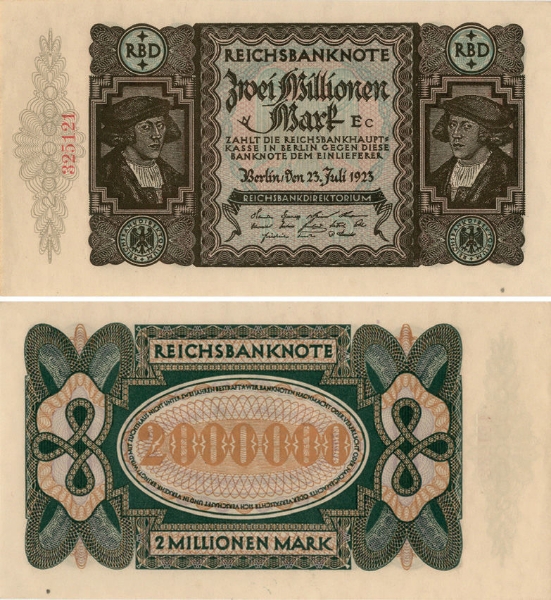
Picture Source of Georg Giese: Wikipedia
Introduction to Georg Giese and His Significance in Art
Georg Giese, a prominent figure from the Hanseatic League era, has left an indelible mark on the world of art. Born in 1497 in Danzig, now Gdańsk, Poland, Giese was a merchant who became widely recognised due to his portrayal by the renowned German painter Hans Holbein the Younger. His significance in art is largely attributed to this iconic painting, which not only captures his likeness but also serves as a window into the world of 16th-century merchants.
Holbein's portrait of Giese, painted in 1532, is more than a simple depiction of a man from the past. It encapsulates the essence of a thriving commercial era and the cultural exchanges that defined it. The painting stands out for its intricate detail and the insight it provides into the life of a merchant, making Giese a representative of his time. This portrayal has been studied extensively by historians and art enthusiasts alike, as it offers a unique perspective on the intersection of commerce and art during the Renaissance.
The significance of Georg Giese's place in art history cannot be overstated. While he himself did not create art, his representation by Holbein has ensured his lasting presence in the annals of art. This painting is an exemplary piece of Renaissance portraiture and continues to be a subject of analysis, showcasing the intricate social fabric of the period. Giese's legacy, thus, is intricately tied to the art that immortalised him and continues to resonate with audiences centuries later.
The Historical Context of Georg Giese’s Work
Understanding the historical context of Georg Giese’s life and times is crucial to appreciating his impact. The early 16th century was a period of significant transformation in Europe. The Hanseatic League, a powerful commercial and defensive confederation of merchant guilds and market towns, played a pivotal role in the economic landscape of Northern Europe. Giese, being a merchant himself, was deeply embedded in this network, which facilitated trade across vast distances.
During this era, the Protestant Reformation was reshaping religious and cultural landscapes. The movement, initiated by figures like Martin Luther, challenged the established Catholic Church and led to profound changes in society. This period of change undoubtedly influenced Giese's world, as it did for many others involved in trade and commerce. Merchants like Giese were often at the forefront of these societal shifts, bridging different cultures and ideologies through their business dealings.
The Renaissance, a cultural rebirth that began in Italy and spread throughout Europe, also played a significant role during Giese's lifetime. This period was characterised by a revival of interest in classical art, literature, and learning. It was a time when artists, scholars, and merchants alike sought to expand their horizons and push the boundaries of what was possible. Giese's portrait by Holbein can be seen as a product of this rich cultural milieu, where art served as a medium for documenting and celebrating the burgeoning humanist ideals of the time.
An Overview of Georg Giese’s Artistic Style
While Georg Giese was not an artist, the style in which he was depicted by Hans Holbein the Younger is noteworthy. Holbein was renowned for his ability to capture the essence of his subjects with remarkable precision and detail. His portrait of Giese is a testament to his mastery of the Northern Renaissance style, characterised by its emphasis on realism and the use of intricate details to convey deeper meanings.
The portrait of Giese is rich with symbolism. Holbein meticulously incorporated various elements that reflect Giese's identity and status as a merchant. The painting features several objects that indicate his trade connections, such as letters, a seal, and coins, all of which are rendered with exquisite detail. This attention to detail not only highlights Holbein's artistic prowess but also provides insight into the life of a merchant during the Renaissance.
Holbein's use of colour and composition further enhances the portrait's impact. The rich, vibrant hues and the carefully balanced arrangement of elements draw the viewer's attention to Giese's face, creating a sense of immediacy and presence. This style, combining realism with symbolic depth, exemplifies the Northern Renaissance approach to portraiture, where art served as both documentation and interpretation. Through Holbein's artistry, Giese's image transcends its time, offering viewers a glimpse into the past with a clarity that remains compelling today.
Key Works and Contributions of Georg Giese
Although Georg Giese did not produce artworks himself, his contributions to the cultural and commercial spheres were significant. His legacy is primarily encapsulated in Holbein’s portrait, which stands as a key work in the canon of Renaissance art. This painting is not only a masterpiece of portraiture but also an important historical document that sheds light on the lives of merchants during this period.
The painting serves as a vivid record of Giese's personal and professional life. Through Holbein's depiction, we gain insight into the tools of Giese's trade and his status within the merchant class. The presence of letters and business-related items in the portrait provides a tangible connection to the networks and transactions that defined his career. This portrayal is invaluable for historians seeking to understand the economic and social dynamics of the Hanseatic League.
Moreover, Giese's contribution to the arts extends beyond his own image. By commissioning a portrait from Holbein, he participated in the patronage system that supported and enabled the flourishing of Renaissance art. This act of patronage not only immortalised Giese himself but also contributed to the broader development of artistic culture during this vibrant period. Through these contributions, Giese's legacy continues to resonate, underscoring the intricate connections between commerce, art, and history.
The Influence of Georg Giese on Contemporary Art
The influence of Georg Giese, particularly through his portrait by Holbein, extends into contemporary art and culture. This iconic image has inspired countless reinterpretations and discussions among modern artists and scholars. The painting's enduring appeal lies in its ability to convey a complex narrative of identity, commerce, and culture, themes that continue to resonate in today's globalised world.
Contemporary artists often draw on historical pieces like Holbein's portrait of Giese to explore and comment on current social and economic issues. The themes encapsulated in Giese's image, such as the intersections of personal and professional identity, remain relevant and are frequently reimagined in modern artistic contexts. This dialogue between past and present highlights the timeless nature of the questions raised by Holbein's work.
Additionally, the portrait of Giese serves as a touchstone for discussions about the role of art in society. It exemplifies how portraiture can transcend mere representation to engage with broader cultural and historical themes. As such, Giese's influence persists, encouraging contemporary artists to explore the potential of art as a means of communication and reflection. His legacy, therefore, acts as a bridge between eras, inspiring new generations to consider the complexities of identity and commerce through the lens of art.
Exploring the Legacy of Georg Giese in Modern Culture
Georg Giese's legacy is not confined to the art world; it permeates modern culture in various ways. The portrait by Holbein has become a cultural artefact, symbolising the vibrant exchange of ideas and goods during the Renaissance. This image serves as a reminder of the interconnectedness of past and present, illustrating how history continues to shape contemporary narratives.
In popular culture, Giese's portrait is often referenced in discussions about the Renaissance and its enduring impact. The image is frequently used in educational contexts to illustrate the period's artistic achievements and to provide insight into the lives of individuals who shaped history. This widespread recognition underscores the painting's role as a cultural touchstone, bridging the gap between different eras and audiences.
Furthermore, Giese's legacy is evident in the continued interest in Renaissance portraiture and its ability to capture the complexities of human experience. His image serves as a testament to the power of art to transcend time and convey universal themes. As such, Giese's impact extends beyond his own lifetime, influencing how modern culture engages with history and the visual arts. His legacy is a testament to the enduring power of art to connect, inform, and inspire.
Exhibitions and Collections Featuring Georg Giese’s Art
Georg Giese's image, as portrayed by Holbein, is featured in numerous exhibitions and collections around the world. The painting is housed in the Gemäldegalerie in Berlin, where it continues to draw visitors eager to explore the rich tapestry of Renaissance art. This institution is renowned for its extensive collection of European masterpieces, and Giese's portrait is a highlight for many art enthusiasts.
Exhibitions featuring Holbein's works often include the portrait of Giese, allowing audiences to appreciate the artist's skill and the historical significance of his subjects. These exhibitions provide context for understanding Giese's life and the broader cultural and commercial landscape of the time. By showcasing this iconic image alongside other works from the period, these exhibitions offer a comprehensive view of Renaissance art and its enduring impact.
In addition to permanent collections, Giese's portrait is also featured in travelling exhibitions, reaching audiences worldwide. These exhibitions provide an opportunity for people to engage with this masterpiece in different contexts, enhancing their understanding of its historical and cultural significance. Through these exhibitions, Giese's legacy continues to be celebrated, ensuring that his image remains a vital part of the global art community.
Resources for Further Study on Georg Giese
For those interested in delving deeper into the life and legacy of Georg Giese, numerous resources are available. Academic studies on Hans Holbein the Younger often include detailed analyses of Giese’s portrait, offering insights into the techniques and symbolism employed by the artist. These studies are invaluable for understanding the historical and artistic context of the painting.
In addition to scholarly works, a variety of books and articles explore the broader cultural and economic environment of the Hanseatic League, providing context for Giese's role as a merchant. These resources offer a comprehensive view of the period, highlighting the interconnectedness of commerce, culture, and art. For those interested in exploring these themes further, libraries and online databases are excellent starting points.
Online platforms and virtual museum tours also provide access to detailed views of Giese’s portrait and other works by Holbein. These digital resources allow for an interactive exploration of the painting, enabling viewers to appreciate its intricate details and artistic significance. By utilising these resources, individuals can gain a deeper understanding of Georg Giese and his role in the vibrant tapestry of Renaissance culture.
The Enduring Impact of Georg Giese’s Art
The legacy of Georg Giese, immortalised through Hans Holbein the Younger's masterful portrait, continues to resonate across centuries. His image serves as a testament to the enduring power of art to capture and convey the complexities of human experience. Through this painting, Giese's life and times are preserved, offering a window into the rich tapestry of the Renaissance and its lasting influence.
Giese's place in art history is secure, not only because of the brilliance of his portrait but also due to the broader cultural and historical themes it represents. His image stands as a symbol of the interconnectedness of commerce, identity, and art, themes that remain relevant in today's globalised world. Through this lens, Giese's legacy continues to inspire and inform, encouraging new generations to explore the intersections of history and art.
As we reflect on the enduring impact of Georg Giese's art, we are reminded of the timeless nature of these themes and the importance of preserving our cultural heritage. For those interested in exploring this rich history further, visiting exhibitions and engaging with the wealth of resources available can provide deeper insights into the world that Giese inhabited. By doing so, we ensure that his legacy remains vibrant, continuing to inspire and enlighten those who seek to understand the past.