 - WFR0430.jpg)
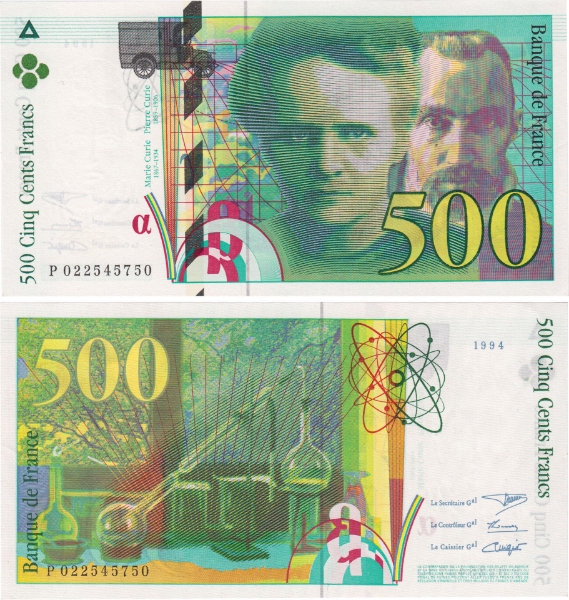
Picture Source of Pierre Curie: Wikipedia
Introduction to Pierre Curie
Pierre Curie is a name that resonates profoundly in the annals of scientific history. As a pioneer of modern physics and chemistry, his contributions have laid the groundwork for many scientific advancements. Born in the 19th century, Curie was a French physicist whose work, particularly in the realm of radioactivity, has had a lasting impact on the scientific community and beyond.
His groundbreaking discoveries, coupled with his collaboration with his wife, Marie Curie, have immortalised him in the world of science. Together, the Curie duo embarked on a journey of exploration that would redefine the understanding of atomic physics. Pierre's dedication to research and his relentless pursuit of knowledge exemplify the quintessential spirit of scientific inquiry.
Throughout his life, Pierre Curie was not just a scientist but a visionary whose work transcended the boundaries of his era. His legacy continues to inspire future generations of scientists who strive to unravel the mysteries of the universe.
Early Life and Education of Pierre Curie
Pierre Curie was born on 15 May 1859 in Paris, France. From an early age, he displayed an exceptional aptitude for mathematics and science, which was nurtured by his family. His father, a doctor, recognised Pierre's potential and encouraged his interest in the natural sciences. This foundation in scientific curiosity was pivotal in shaping Pierre’s future career.
At the age of 16, Pierre Curie enrolled at the Faculty of Sciences at the Sorbonne in Paris, where he pursued studies in physics. Despite his young age, he excelled in his courses, demonstrating a profound understanding of complex scientific concepts. His academic prowess set the stage for his future contributions to the field of physics.
Upon completing his education, Pierre Curie took up positions at various institutions, where he honed his skills in experimental physics. His early research focused on crystallography and magnetism, areas that would later influence his groundbreaking work in radioactivity. Through his education and early work, Pierre Curie laid the foundation for a career that would change the course of scientific history.
Major Contributions to Science
Pierre Curie's contributions to science are both diverse and profound. One of his earliest achievements was the formulation of Curie’s Law, which describes the behaviour of magnetic materials at different temperatures. This law is a cornerstone in the study of magnetism, illustrating Pierre's deep understanding of physical phenomena.
In addition to his work on magnetism, Pierre Curie made significant strides in the field of crystallography. His research in this area led to the discovery of piezoelectricity, a phenomenon where certain crystals generate an electric charge in response to mechanical stress. This discovery opened new avenues for research and has had numerous practical applications in technology.
However, Pierre Curie's most notable contributions were in the field of radioactivity. Alongside Marie Curie, he embarked on a series of experiments that would lead to the discovery of radioactive elements such as radium and polonium. These discoveries not only advanced scientific knowledge but also had significant implications for medicine and industry. Pierre Curie's work laid the foundation for the development of nuclear physics and continues to influence scientific research today.
The Discovery of Radium and Polonium
The discovery of radium and polonium is one of the most celebrated achievements in Pierre Curie's illustrious career. In collaboration with Marie Curie, Pierre embarked on a meticulous study of uranium ores, which led to the identification of these new elements. Their work was meticulous and required the processing of tonnes of pitchblende to isolate small quantities of these radioactive substances.
Radium, in particular, fascinated the scientific community due to its intense radioactivity. The Curies' discovery of radium revolutionised the understanding of atomic structure and paved the way for the development of nuclear science. The unique properties of radium also found applications in medicine, particularly in the treatment of cancer, marking a significant advancement in medical science.
Polonium, named after Marie Curie's native Poland, was another element that highlighted the Curies' groundbreaking work. The discovery of polonium underscored the couple's pioneering spirit and their ability to challenge scientific conventions. These discoveries were not just scientific triumphs; they were milestones that redefined the boundaries of human knowledge and inspired countless researchers to venture into unexplored scientific territories.
Pierre Curie's Nobel Prizes
Pierre Curie's outstanding contributions to science were recognised with the Nobel Prize in Physics in 1903, which he shared with Marie Curie and Henri Becquerel. This prestigious award was a testament to the significance of their work on radioactivity, which had opened new frontiers in physics and chemistry. The Nobel Prize was not only a personal accolade but also a recognition of the transformative impact of their research.
The award highlighted the importance of collaboration in scientific endeavours. Pierre and Marie Curie's partnership exemplified the synergy of intellectual collaboration, where the combined efforts of two brilliant minds led to groundbreaking discoveries. Their shared Nobel Prize underscored the power of teamwork in advancing scientific knowledge.
The recognition from the Nobel Committee also brought much-needed attention to the field of radioactivity, attracting interest and funding for further research. Pierre Curie's Nobel Prize was a catalyst for innovation, inspiring a new generation of scientists to explore the mysteries of the atomic world. His legacy as a Nobel laureate continues to influence scientific research and education globally.
The Impact of Pierre Curie's Work on Modern Science
Pierre Curie's work has had a profound and lasting impact on modern science. His discoveries in radioactivity have been instrumental in the development of nuclear physics, a field that has shaped contemporary scientific thought and technology. The understanding of radioactive decay and atomic structure has laid the foundation for advancements in nuclear energy, medical imaging, and radiation therapy.
In the realm of physics, Pierre Curie's research has informed the study of particle physics and quantum mechanics. The principles of radioactivity discovered by Curie and his contemporaries have provided invaluable insights into the fundamental properties of matter. These insights have driven technological innovations that have transformed industries, from energy production to healthcare.
Moreover, Pierre Curie's work has had a significant impact on education and research. His pioneering spirit and commitment to scientific inquiry continue to inspire students and researchers worldwide. The principles he uncovered are taught in classrooms and laboratories, fostering a culture of curiosity and innovation. Pierre Curie's legacy in modern science is a testament to his enduring influence and the timeless relevance of his discoveries.
Pierre Curie's Legacy in Physics and Chemistry
Pierre Curie's legacy in physics and chemistry is characterised by his pioneering spirit and groundbreaking discoveries. His work in radioactivity has been a cornerstone in the development of nuclear physics, influencing generations of scientists and researchers. The principles he uncovered have become fundamental concepts in the study of atomic and molecular physics.
In chemistry, Pierre Curie's discoveries have expanded the understanding of chemical elements and their properties. The identification of radium and polonium has had significant implications for the periodic table, enriching the scientific community's knowledge of chemical behaviour and interactions. These contributions have advanced the field of chemistry, enabling new research and innovations.
Pierre Curie's legacy is also evident in the numerous awards and honours he received during his lifetime and posthumously. His name is synonymous with excellence in scientific research, and his work continues to inspire future generations of scientists. Pierre Curie's contributions to physics and chemistry are a testament to his enduring impact on the scientific world and his unwavering dedication to the pursuit of knowledge.
Personal Life and Collaborations with Marie Curie
Pierre Curie's personal life was intertwined with his professional achievements, particularly through his collaboration with Marie Curie. The couple met in 1894, and their mutual passion for science quickly blossomed into a partnership that would redefine the scientific landscape. Their marriage was a union of intellectual equals, where both contributed equally to their groundbreaking discoveries.
Together, Pierre and Marie Curie embarked on a series of experiments that would lead to the discovery of radioactivity. Their collaborative spirit and shared dedication to scientific inquiry were instrumental in their success. The Curies' partnership exemplified the power of collaboration and the importance of interdisciplinary research in advancing scientific knowledge.
Beyond their professional achievements, Pierre and Marie Curie shared a deep personal bond. Their relationship was characterised by mutual respect and admiration, which underpinned their collaborative work. The couple's legacy as pioneers in science is a testament to their enduring influence and the power of collaboration in achieving scientific breakthroughs.
Remembering Pierre Curie: Awards and Honours
Pierre Curie's contributions to science have been recognised with numerous awards and honours, both during his lifetime and posthumously. In addition to the Nobel Prize in Physics, Curie received several accolades that highlighted his impact on the scientific community. These awards were a testament to his pioneering spirit and his unwavering commitment to scientific inquiry.
The legacy of Pierre Curie is also evident in the numerous institutions and awards named in his honour. The Curie Institute in Paris, for instance, is a leading centre for research in cancer and medical science, reflecting Curie's influence on the field of medicine. Such institutions continue to advance research and innovation, inspired by Curie's groundbreaking work.
Furthermore, Pierre Curie's contributions have been commemorated through various honours, including his induction into the French Academy of Sciences. These accolades serve as a reminder of his enduring impact on the scientific world and his role in shaping modern science. Pierre Curie's legacy is a source of inspiration for scientists and researchers worldwide, as they continue to explore new frontiers in science.
The Enduring Influence of Pierre Curie
The enduring influence of Pierre Curie is a testament to his remarkable contributions to the world of science. His pioneering work in radioactivity has had a lasting impact on modern physics and chemistry, shaping the direction of scientific research and innovation. Pierre Curie's legacy is characterised by his unwavering commitment to the pursuit of knowledge and his dedication to advancing scientific understanding.
As a pioneer in the world of science, Pierre Curie's discoveries have transformed industries and enriched the scientific community's understanding of the natural world. His work continues to inspire future generations of scientists and researchers, who strive to build upon his groundbreaking achievements. Pierre Curie's enduring influence is a testament to the timeless relevance of his discoveries and the power of scientific inquiry.
In remembering Pierre Curie, we celebrate his contributions to science and his legacy as a pioneer in modern physics and chemistry. His work serves as a reminder of the importance of curiosity, collaboration, and dedication in advancing scientific knowledge. As we continue to explore new frontiers in science, let us be inspired by Pierre Curie's legacy and strive to make a lasting impact on the world.