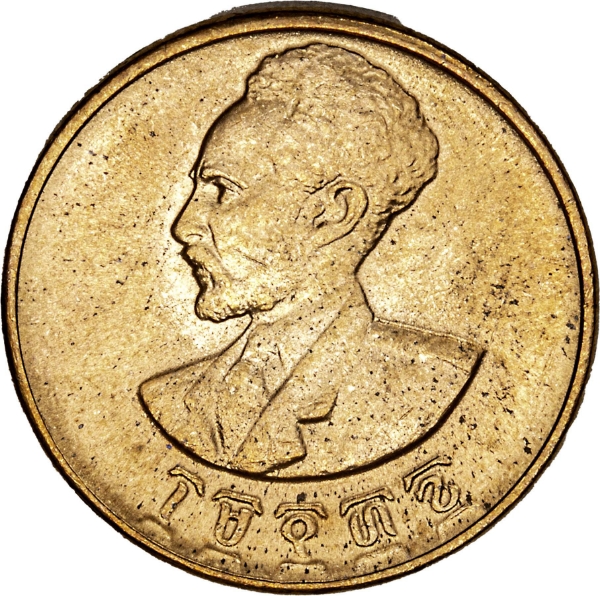

Picture Source of Emperor Haile Selassie: Wikipedia
Introduction to Haile Selassie
Haile Selassie, the last Emperor of Ethiopia, remains a vital figure in both African history and global diplomacy. His reign, which spanned from 1930 to 1974, was marked by efforts to modernise Ethiopia and assert its presence on the international stage. Known for his charismatic leadership and visionary outlook, Selassie became an iconic symbol of African resilience and unity. His legacy extends beyond his political achievements, influencing cultural and spiritual movements worldwide.
The story of Haile Selassie begins not just with his coronation but with a lineage rooted deeply in Ethiopian tradition. Born as Tafari Makonnen, his path to becoming Emperor was paved with the complexities of Ethiopian politics, marked by alliances and rivalries that would shape the nation's future. This narrative explores how his personal journey intertwined with Ethiopia's transformation into a modern nation-state.
Beyond his political role, Haile Selassie's influence permeates various aspects of society, from the Rastafari movement to contemporary African political thought. His life and actions sparked dialogues on sovereignty, self-determination, and cultural identity that continue to resonate today. This article delves into the multifaceted legacy of Haile Selassie, tracing his impact from historical milestones to modern commemorations.
Early Life and Rise to Power
Haile Selassie was born on 23 July 1892, in the Ethiopian village of Ejersa Goro. His early life was steeped in the traditions and responsibilities of Ethiopian nobility. As the son of Ras Makonnen Wolde Mikael, a trusted cousin and advisor to Emperor Menelik II, young Tafari was groomed from an early age for leadership. His education included both traditional Ethiopian teachings and Western influences, providing him with a broad perspective that would later inform his modernisation efforts.
Tafari's rise to power was not without challenges. He navigated a complex political landscape, marked by the competing interests of regional nobility and the centralising ambitions of the Ethiopian monarchy. Through strategic alliances and political acumen, he was appointed as the governor of Harar in 1910, a position that allowed him to demonstrate his administrative capabilities. His influence grew, and by 1916, he was named the heir apparent and regent to Empress Zewditu.
The transition from regent to Emperor was marked by both diplomatic finesse and internal restructuring. Upon Empress Zewditu's death in 1930, Tafari was crowned Emperor Haile Selassie I. His ascension marked the beginning of a transformative era for Ethiopia, as he embarked on a mission to modernise the nation's institutions and infrastructure. His early life and rise to power set the stage for the ambitious reforms that would define his reign.
The Reign of Emperor Haile Selassie
As Emperor, Haile Selassie's reign was characterised by a commitment to modernisation and development. He implemented a series of reforms aimed at strengthening Ethiopia's political and economic structures. These included the introduction of a new constitution in 1931, which established a bicameral legislature and set the foundation for a more centralised state. His efforts to modernise the military and education system were pivotal in aligning Ethiopia with the global community.
One of the defining moments of his reign was the invasion of Ethiopia by Fascist Italy in 1935. Haile Selassie's impassioned plea at the League of Nations in 1936 highlighted the challenges faced by Africa in the face of colonial aggression. Although Ethiopia was temporarily occupied, Selassie's return in 1941, with the help of Allied forces, was a testament to his resilience and determination. His leadership during this period solidified his status as a symbol of African independence.
Emperor Haile Selassie's reign also saw Ethiopia's increased engagement with international organisations. He was instrumental in the establishment of the Organisation of African Unity (OAU) in 1963, which sought to promote solidarity among African nations and combat colonialism. This commitment to pan-Africanism and international diplomacy underscored his vision of a united and independent Africa, free from external domination.
Haile Selassie's Role in Ethiopian Modernisation
Modernising Ethiopia was a central focus of Haile Selassie's agenda. Recognising the importance of education in national development, he established numerous schools and vocational institutions. His emphasis on education extended to higher learning, with the founding of Addis Ababa University, which became a hub for intellectual and cultural exchange. These educational reforms aimed to equip Ethiopians with the skills necessary to participate in a rapidly changing world.
In addition to education, Selassie prioritised the development of infrastructure. He invested in building roads, telecommunications, and utilities to connect remote areas of Ethiopia to urban centres. This infrastructural expansion facilitated trade and communication, fostering economic growth and integration. His efforts to modernise agriculture through the introduction of new techniques and technologies helped increase productivity and improve food security.
Haile Selassie's modernisation initiatives also encompassed healthcare. He established hospitals and clinics throughout the country, improving access to medical services for the Ethiopian populace. His commitment to social welfare was evident in his efforts to address public health issues and enhance the quality of life for Ethiopians. Through these comprehensive reforms, Selassie's vision of a modern, self-reliant Ethiopia began to take shape, laying the groundwork for future advancements.
The Rastafari Movement and Haile Selassie's Influence
Haile Selassie's influence extends beyond political and economic spheres, significantly impacting cultural and spiritual domains. The Rastafari movement, which emerged in Jamaica during the 1930s, regards him as a divine figure, a living God incarnate. This movement drew inspiration from Selassie's coronation, which was seen as the fulfilment of biblical prophecies about the return of a black Messiah. His image and teachings became central to Rastafari beliefs and practices.
The Rastafari movement advocates for a return to African roots, promoting cultural pride and identity among people of African descent. Haile Selassie's messages of unity, self-determination, and resistance against oppression resonate deeply within this movement. His 1966 visit to Jamaica, where he was met with overwhelming enthusiasm, further solidified his status within the Rastafari community. This visit marked a historic moment, reinforcing the spiritual connection between Selassie and Rastafari adherents.
Selassie's influence on the Rastafari movement also extends to music and art. Reggae musicians, including the legendary Bob Marley, have often referenced Selassie's teachings and legacy in their work. Songs celebrating his life and message have become anthems of resistance and liberation. Through these cultural expressions, Haile Selassie's impact transcends geographical boundaries, fostering a sense of global solidarity among those who identify with his vision of justice and equality.
Haile Selassie's International Relations and Diplomacy
On the international stage, Haile Selassie was a prominent advocate for peace and cooperation. His diplomatic efforts were instrumental in positioning Ethiopia as a leader in African and global affairs. He championed the cause of African independence at the United Nations, emphasising the importance of self-determination and sovereignty for colonised nations. His speeches and negotiations reflected a commitment to multilateralism and dialogue as means to resolve conflicts.
Selassie's role in founding the Organisation of African Unity (OAU) was a testament to his dedication to African unity. The OAU, later succeeded by the African Union, aimed to foster collaboration and mutual support among African nations. Under Selassie's leadership, Ethiopia became a hub for international diplomacy, hosting numerous conferences and meetings that addressed critical issues facing the continent.
His diplomatic endeavours extended beyond Africa, as he forged alliances with nations worldwide. Haile Selassie's commitment to non-alignment during the Cold War era underscored his belief in maintaining Ethiopia's independence from the ideological conflicts of superpowers. His efforts to balance relations with both Western and Eastern blocs highlighted his strategic acumen and desire to safeguard Ethiopia's sovereignty on the global stage.
The Legacy of Haile Selassie in Today’s Society
Haile Selassie's legacy continues to influence contemporary society in multifaceted ways. His vision of a united and modernised Africa serves as an inspiration for current leaders and policymakers. The principles he espoused, such as self-determination, equality, and social justice, remain relevant in today's discussions on governance and development. His contributions to pan-Africanism continue to shape Africa's collective identity and aspirations.
In Ethiopia, Selassie's impact is visible in the nation's institutions and infrastructure. His reforms laid the foundation for continued progress and development. Although his reign ended in 1974, many of his initiatives have endured, contributing to Ethiopia's growth and transformation. His emphasis on education and healthcare has had lasting effects, improving the quality of life for generations of Ethiopians.
Beyond Africa, Haile Selassie's legacy resonates within global cultural and spiritual communities. The Rastafari movement, with its emphasis on African pride and identity, continues to celebrate his life and teachings. His influence on music, art, and literature underscores his enduring impact on cultural expression. As a symbol of resistance and resilience, Haile Selassie's legacy inspires individuals and communities worldwide to strive for justice and equality.
Commemorations and Tributes to Haile Selassie
Commemorations of Haile Selassie's life and achievements take place across the globe. In Ethiopia, his contributions are celebrated through annual events and public holidays. Statues and monuments honour his memory, serving as reminders of his enduring influence on the nation. Educational institutions, such as Addis Ababa University, continue to uphold his legacy by fostering academic excellence and cultural exchange.
Internationally, the Rastafari community commemorates Selassie's life through various rituals and gatherings. These events often feature music, dance, and spiritual reflection, celebrating his teachings and legacy. The annual Rastafari celebrations in Jamaica, including the Nyabinghi drumming and chanting, pay tribute to Selassie's role as a spiritual leader and symbol of African unity.
Numerous books, documentaries, and artistic works have been dedicated to exploring Haile Selassie's life and impact. These tributes highlight his multifaceted contributions to history and culture, ensuring that his legacy remains accessible to diverse audiences. Through these commemorations, Haile Selassie's influence continues to be recognised and celebrated, inspiring future generations to engage with his vision of a just and equitable world.
The Enduring Impact of Haile Selassie
The legacy of Haile Selassie is one of profound influence and enduring relevance. As a visionary leader, he navigated complex political landscapes to modernise Ethiopia and advocate for African unity. His commitment to education, healthcare, and infrastructure development laid the groundwork for continued progress. Internationally, his diplomatic efforts and contributions to pan-Africanism have left a lasting imprint on global affairs.
Haile Selassie's influence extends beyond politics, shaping cultural and spiritual movements worldwide. The Rastafari movement, with its celebration of African identity and heritage, stands as a testament to his enduring impact. Through music, art, and literature, Selassie's teachings continue to inspire individuals and communities to strive for justice, equality, and self-determination.
As the world reflects on Haile Selassie's contributions, it is evident that his legacy remains vital in addressing contemporary challenges. His vision of a united and equitable world continues to inspire dialogue and action. By honouring his memory and teachings, we can draw lessons from his life to build a better future for all.