 - WCU3950-Copy-1.jpg)
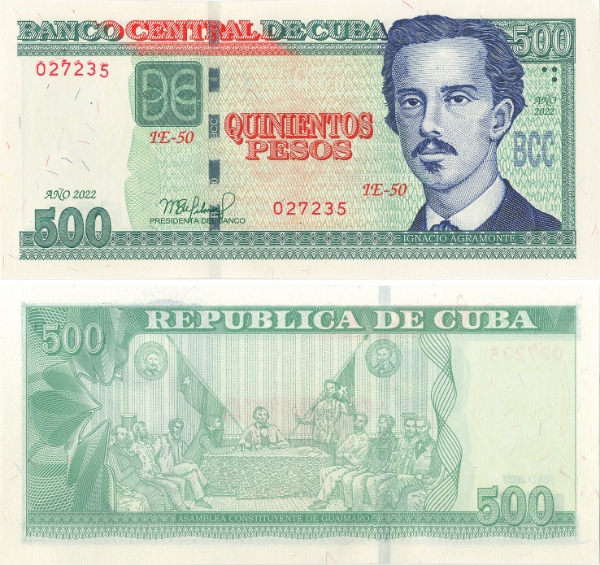
Picture Source of Ignacio Agramonte: Wikipedia
Introduction to Ignacio Agramonte
Ignacio Agramonte y Loynaz, a name cherished in Cuban history, stands as a symbol of bravery and dedication. Revered as a national hero, Agramonte played an instrumental role in Cuba's struggle for independence from Spanish colonial rule. Born into a well-to-do family, his life's journey is a testament to his unwavering commitment to his country's freedom and his profound impact on Cuban society.
Agramonte's legacy is often associated with his leadership in the Ten Years' War, where he emerged as a prominent military commander. His strategic acumen and fierce determination inspired many to join the fight for Cuba's liberation. Beyond his military prowess, Agramonte is remembered for his vision of a free and just Cuban nation, driven by equality and self-governance.
This article delves into the life and contributions of Ignacio Agramonte, exploring his early years, his role in the Cuban War of Independence, and the enduring legacy he left behind. By examining his story, we gain insight into the broader struggle for Cuban independence and the influence of revolutionary figures in shaping the nation’s history.
Early Life and Education of Ignacio Agramonte
Ignacio Agramonte was born on 23rd December 1841 in Puerto Príncipe, now known as Camagüey, Cuba. Raised in a family that valued education and cultural enrichment, Agramonte was exposed to political and philosophical ideas from a young age. His parents, Francisco Agramonte and Filomena Loynaz, instilled in him the importance of justice and liberty, which would later define his life's mission.
Agramonte's education began at home, where he received private tutoring before attending the Royal and Literary University of Havana. At the university, he pursued a degree in law, which equipped him with the skills to articulate his vision for Cuba's future. His academic pursuits were complemented by his involvement in intellectual circles, where he engaged with progressive ideas that shaped his revolutionary ideals.
The influence of European Enlightenment thinkers and the growing discontent with colonial rule in Cuba ignited Agramonte's passion for independence. His legal training and exposure to democratic principles prepared him to become a formidable leader in the fight for Cuban sovereignty. This foundation would serve him well as he transitioned from a scholar to a revolutionary figure.
Agramonte's Role in the Cuban War of Independence
The Cuban War of Independence, also known as the Ten Years' War, marked a pivotal period in Agramonte's life. When the war erupted in 1868, Agramonte swiftly joined the ranks of the insurgents, motivated by a profound sense of duty to his homeland. His legal background and leadership qualities quickly earned him a reputation as a skilled strategist and a charismatic leader.
Agramonte's contributions to the war effort were multifaceted. As a military commander, he demonstrated exceptional tactical skills, leading numerous successful campaigns against Spanish forces. His courage on the battlefield and unwavering dedication to the cause inspired his fellow soldiers and bolstered the morale of the Cuban forces. Agramonte's leadership was characterised by his ability to adapt to the evolving dynamics of the conflict, ensuring that the fight for independence remained resilient.
Beyond his military endeavours, Agramonte was instrumental in shaping the political landscape of the independence movement. He was a key figure in the drafting of the Cuban Constitution of Guáimaro in 1869, which articulated the principles of self-governance and equality. His commitment to establishing a democratic framework for Cuba's future highlighted his vision for a nation free from colonial oppression.
Key Contributions and Achievements
Ignacio Agramonte's contributions to the Cuban independence movement were not limited to his military exploits. He played a crucial role in consolidating the insurgent forces and fostering unity among the diverse factions fighting against Spanish rule. His ability to bring together different groups under a common cause was instrumental in sustaining the momentum of the independence struggle.
One of Agramonte's notable achievements was the establishment of a disciplined and organised rebel army. His emphasis on discipline, training, and strategic planning transformed the insurgent forces into a formidable fighting force. Under his leadership, the Cuban army executed several successful operations, capturing key territories and challenging Spanish dominance.
Agramonte's diplomatic skills were also evident in his efforts to secure international support for the Cuban cause. He recognised the importance of garnering sympathy and assistance from foreign nations, and his diplomatic initiatives aimed to highlight the legitimacy of Cuba's fight for independence. These endeavours underscored his understanding of the global dimensions of the struggle and his commitment to achieving lasting change for his country.
Agramonte's Vision for Cuba
Central to Ignacio Agramonte's revolutionary zeal was his vision for a liberated Cuba, where the principles of justice, equality, and democracy would prevail. He envisioned a nation free from the shackles of colonialism, where the Cuban people could govern themselves and build a society rooted in fairness and opportunity for all. Agramonte's vision was shaped by his belief in the inherent rights of individuals and the importance of self-determination.
In his pursuit of this vision, Agramonte advocated for the establishment of a constitutional republic. He believed that a democratic framework was essential to safeguard the rights of all citizens and ensure a just governance system. His involvement in the drafting of the Constitution of Guáimaro was a testament to his commitment to these ideals, as it laid the groundwork for a new political order in Cuba.
Agramonte's vision extended beyond political aspirations. He recognised the need for social and economic reforms to address the inequalities that plagued Cuban society. His commitment to education, land reform, and the empowerment of marginalized communities reflected his holistic approach to nation-building. Agramonte's vision for Cuba was not only about independence but about creating a society where every individual could thrive.
Legacy and Historical Significance
The legacy of Ignacio Agramonte is deeply embedded in the annals of Cuban history. His unwavering dedication to the cause of independence and his visionary leadership left an indelible mark on the nation's struggle for freedom. Agramonte's contributions to the Ten Years' War and his efforts to establish a democratic Cuba resonate with generations of Cubans who continue to draw inspiration from his example.
Agramonte's historical significance is reflected in the numerous honours and memorials dedicated to his memory. Streets, schools, and institutions across Cuba bear his name, serving as a constant reminder of his enduring impact. His legacy is celebrated annually on 11th May, the anniversary of his death, as Cubans pay homage to the man who sacrificed his life for their freedom.
The ideals that Agramonte championed continue to shape Cuba's national identity. His commitment to justice, equality, and self-governance remains relevant in contemporary discussions about the nation's future. Agramonte's legacy serves as a guiding light for those who strive to uphold the principles he fought for and to build a Cuba that reflects his vision of a just and prosperous society.
Agramonte in Popular Culture
Ignacio Agramonte's heroic exploits and enduring legacy have captured the imagination of artists, writers, and filmmakers, ensuring that his story remains alive in popular culture. His life and contributions have been depicted in various forms of media, including literature, music, and film, contributing to the collective memory of his revolutionary spirit.
In literature, Agramonte's life has been the subject of numerous books and poems that celebrate his bravery and leadership. These works often highlight the personal sacrifices he made for the cause of independence and his unwavering commitment to his principles. Authors have drawn inspiration from his story to explore themes of patriotism, sacrifice, and the fight for justice.
Musicians have also paid tribute to Agramonte through songs and compositions that commemorate his life and achievements. These musical works serve as a reminder of his enduring impact and his place in the pantheon of Cuban national heroes. Agramonte's story continues to resonate with audiences, evoking a sense of pride and admiration for his contributions to the Cuban independence movement.
In the realm of film and television, Agramonte's life has been portrayed in documentaries and historical dramas that bring his story to a wider audience. These visual narratives capture the essence of his character and the challenges he faced in his quest for freedom. By preserving his legacy in popular culture, these artistic expressions ensure that Ignacio Agramonte's remarkable journey is remembered and celebrated for generations to come.
The Enduring Impact of Ignacio Agramonte
The life and legacy of Ignacio Agramonte serve as a powerful testament to the enduring spirit of the Cuban people and their quest for freedom. His unwavering commitment to the cause of independence, his visionary leadership, and his dedication to justice and equality continue to inspire generations. Agramonte's contributions to the Cuban War of Independence and his vision for a democratic Cuba remain integral to the nation's history and identity.
As we reflect on Agramonte's life and achievements, we are reminded of the sacrifices made by those who fought for Cuba's freedom and the principles they upheld. His story is a reminder of the power of courage, determination, and unwavering belief in a just cause. Agramonte's legacy lives on in the hearts of Cubans who strive to build a nation that reflects his vision of a fair and prosperous society.
To honour Ignacio Agramonte and his contributions to Cuban history, we invite you to explore more about the lives of other revolutionary figures who shaped the nation's destiny. By understanding their stories, we gain a deeper appreciation for the struggles and triumphs that have defined Cuba's journey towards independence and self-determination.
Ignacio Agramonte's enduring impact is a testament to the power of one individual's vision and dedication in shaping the course of history. His legacy reminds us that the fight for freedom and justice is a continuous journey, one that requires the courage and commitment of every generation.